France offers an extraordinary mix of historic cities, Mediterranean beaches, Alpine landscapes, Atlantic coastlines, wine regions and countryside villages. While Paris is the country’s most famous destination, some of France’s most memorable experiences can be found beyond the capital.
From the lavender landscapes of Provence and the glamorous French Riviera to the medieval streets of Strasbourg and the dramatic coastline of Normandy, France offers something for almost every type of traveler.
In this guide, we explore 25 of the best places to visit in France in 2026, covering major cities, coastal destinations, historic towns, mountain regions and scenic countryside.
Quick Comparison Table
| # | Destination | Region | Best For | Travel Style |
|---|---|---|---|---|
| 1 | Paris | Île-de-France | Landmarks & Culture | City Break |
| 2 | Nice | French Riviera | Beaches & Culture | Coastal Escape |
| 3 | Lyon | Auvergne-Rhône-Alpes | Food & History | City Break |
| 4 | Bordeaux | Nouvelle-Aquitaine | Wine & Architecture | Food & Wine |
| 5 | Strasbourg | Grand Est | Old Town & Culture | City Break |
| 6 | Marseille | Provence-Alpes-Côte d’Azur | Coast & Culture | Coastal Travel |
| 7 | Annecy | Auvergne-Rhône-Alpes | Lake & Mountains | Scenic Escape |
| 8 | Mont Saint-Michel | Normandy | Medieval Heritage | Historic Travel |
| 9 | Cannes | French Riviera | Beaches & Luxury | Luxury Travel |
| 10 | Avignon | Provence | History & Architecture | Cultural Travel |
| 11 | Aix-en-Provence | Provence | Markets & Art | Slow Travel |
| 12 | Chamonix | French Alps | Mountains & Adventure | Outdoor Travel |
| 13 | Colmar | Alsace | Villages & Architecture | Romantic Escape |
| 14 | Loire Valley | Central France | Châteaux & Countryside | Cultural Travel |
| 15 | Normandy | Northern France | Coast & History | Road Trip |
| 16 | Provence | Southern France | Villages & Landscapes | Scenic Travel |
| 17 | French Riviera | Southeast France | Coast & Lifestyle | Coastal Escape |
| 18 | Dordogne | Nouvelle-Aquitaine | Villages & Nature | Countryside |
| 19 | Biarritz | Nouvelle-Aquitaine | Beaches & Surfing | Coastal Travel |
| 20 | Corsica | Mediterranean France | Beaches & Mountains | Island Escape |
| 21 | Reims | Grand Est | Champagne & Heritage | Food & Wine |
| 22 | Carcassonne | Occitanie | Medieval Architecture | Historic Travel |
| 23 | Saint-Malo | Brittany | Coast & Old Town | Coastal Escape |
| 24 | Étretat | Normandy | Cliffs & Coast | Nature |
| 25 | Menton | French Riviera | Gardens & Coast | Relaxation |
How We Selected These Places
This list represents different sides of France rather than focusing only on the country’s most famous cities.
We considered:
- Historic landmarks
- Architecture
- Beaches and coastlines
- Food and wine
- Mountain landscapes
- Countryside
- Cultural experiences
- Scenic villages
- Outdoor activities
- Romantic destinations
- Family-friendly travel
- Regional diversity
France is highly seasonal, so the ideal destination can also depend on the time of year.
1. Paris
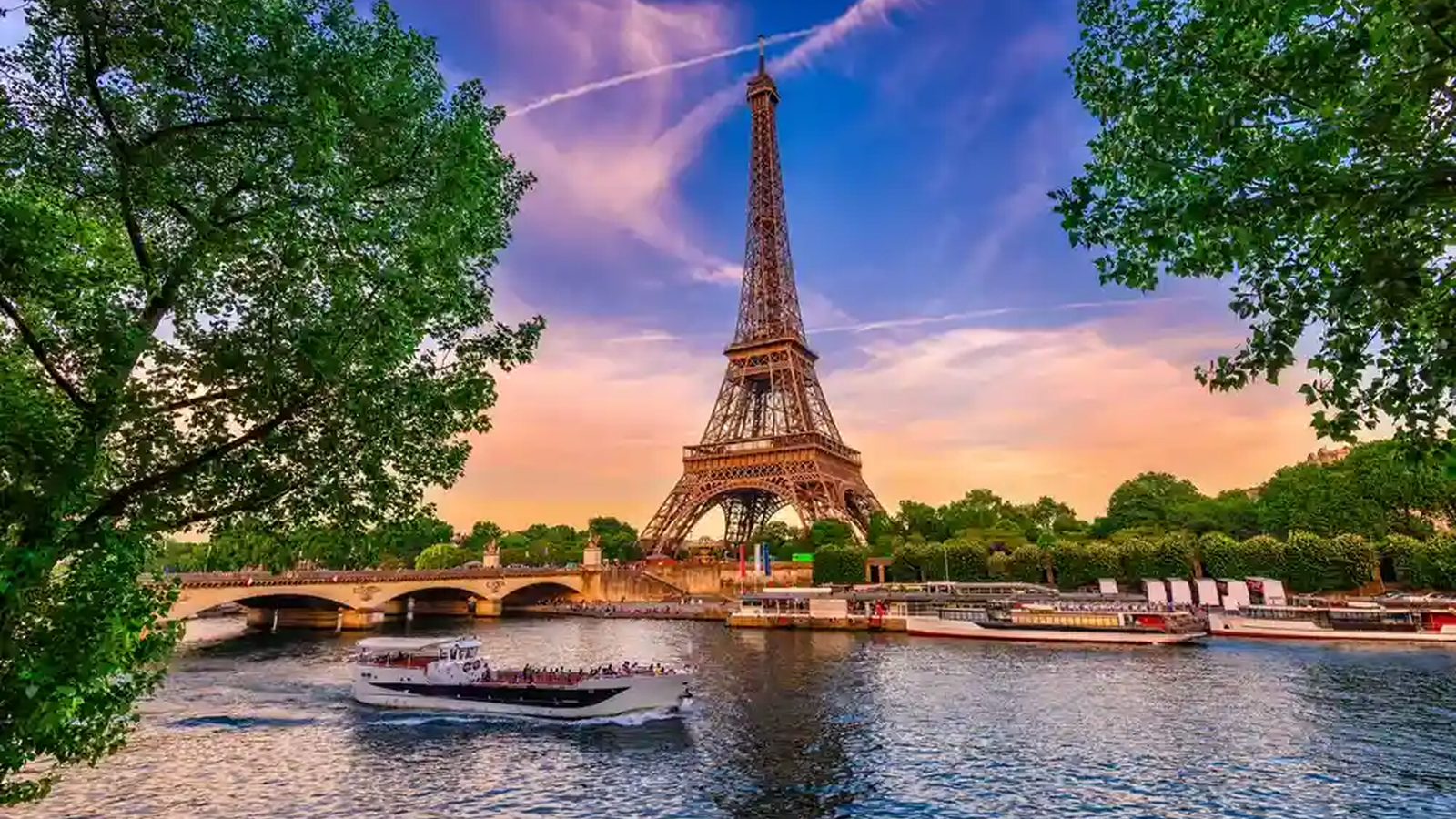
Paris is the natural starting point for many trips to France and remains one of Europe’s great cultural capitals.
The city combines world-famous landmarks with museums, historic neighborhoods, cafés, gardens and a renowned food scene. Beyond the Eiffel Tower and Louvre, neighborhoods such as Montmartre, Le Marais and Saint-Germain-des-Prés offer very different experiences.
Why Visit Paris?
- Eiffel Tower
- Louvre Museum
- Notre-Dame area
- Montmartre
- Seine River
- Champs-Élysées
- French cuisine
Best for: First-time visitors, culture, architecture, food and couples.
2. Nice
Nice is one of the most popular destinations on the French Riviera, combining Mediterranean beaches with historic streets and a lively waterfront.
The city’s Old Town, Promenade des Anglais and nearby viewpoints make it a convenient base for exploring the Côte d’Azur.
Why Visit Nice?
- Promenade des Anglais
- Old Town
- Mediterranean coastline
- Castle Hill
- Markets
- Nearby Riviera towns
Best for: Beaches, couples, food and coastal travel.
3. Lyon
Lyon is one of France’s most important culinary destinations and has a historic center shaped by centuries of French architecture.
The city is located where the Rhône and Saône rivers meet and offers everything from Renaissance streets to traditional bouchons and modern restaurants.
Why Visit Lyon?
- Vieux Lyon
- Basilica of Notre-Dame de Fourvière
- Traditional cuisine
- Traboules
- Rhône and Saône rivers
- Food markets
Best for: Food lovers, culture and city breaks.
4. Bordeaux
Bordeaux is closely associated with some of the world’s most famous wine regions, but the city itself is also worth exploring.
Its elegant architecture, riverside setting and historic center make it a strong destination for travelers interested in food, wine and French culture.
Why Visit Bordeaux?
- Historic city center
- Garonne River
- Wine regions
- Place de la Bourse
- Wine museums
- French cuisine
Best for: Wine, food, architecture and couples.
5. Strasbourg
Strasbourg combines French and German cultural influences, creating one of the country’s most distinctive urban environments.
Its historic center is particularly atmospheric around the canals and traditional half-timbered buildings.
Why Visit Strasbourg?
- Petite France
- Strasbourg Cathedral
- Historic canals
- European institutions
- Alsatian cuisine
- Christmas markets
Best for: Architecture, culture, families and winter travel.
6. Marseille
Marseille is one of France’s oldest major cities and sits on the Mediterranean coast.
The city has a distinctive character shaped by its port, multicultural history and surrounding natural landscapes.
Why Visit Marseille?
- Vieux-Port
- Le Panier
- Mediterranean coastline
- Basilique Notre-Dame de la Garde
- Calanques
- Seafood
Best for: Coastal travel, food, history and outdoor activities.
7. Annecy
Often associated with its beautiful lake and canals, Annecy is one of the most scenic destinations in southeastern France.
The old town is filled with canals, pastel-colored buildings and narrow streets, while Lake Annecy provides opportunities for cycling, boating and outdoor activities.
Why Visit Annecy?
- Lake Annecy
- Old Town
- Canals
- Alpine scenery
- Cycling
- Water activities
Best for: Couples, families, photography and nature.
8. Mont Saint-Michel
Mont Saint-Michel is one of France’s most recognizable historic landmarks.
The medieval abbey rises above the surrounding bay and creates a dramatic landscape that changes with the tides.
Why Visit Mont Saint-Michel?
- Medieval abbey
- Historic village
- Tidal landscape
- Coastal scenery
- Medieval architecture
- Photography
Best for: History, architecture, photography and day trips.
9. Cannes
Cannes is known internationally for its film festival, luxury hotels and Mediterranean waterfront.
Beyond its glamorous reputation, the city offers beaches, historic streets and access to other French Riviera destinations.
Why Visit Cannes?
- La Croisette
- Mediterranean beaches
- Old Port
- Le Suquet
- Luxury shopping
- Nearby islands
Best for: Luxury travel, beaches, couples and events.
10. Avignon
Avignon is one of Provence’s most historically significant cities and is particularly famous for the Palais des Papes.
The walled old city offers medieval architecture, narrow streets and a strong cultural atmosphere.
Why Visit Avignon?
- Palais des Papes
- Pont d’Avignon
- Medieval walls
- Historic center
- Provence markets
- Cultural events
Best for: History, architecture and exploring Provence.
11. Aix-en-Provence
Aix-en-Provence is known for elegant streets, fountains, markets and its connection with the painter Paul Cézanne.
The city offers a relaxed introduction to Provence, with cafés and markets providing a strong sense of local life.
Why Visit Aix-en-Provence?
- Cours Mirabeau
- Local markets
- Historic fountains
- Cézanne heritage
- Provençal cuisine
- Old town
Best for: Slow travel, food, art and couples.
12. Chamonix
Chamonix sits beneath Mont Blanc and is one of Europe’s most famous mountain destinations.
It offers access to hiking, skiing, mountaineering and panoramic mountain experiences throughout the year, depending on seasonal conditions.
Why Visit Chamonix?
- Mont Blanc scenery
- Aiguille du Midi
- Hiking
- Skiing
- Alpine villages
- Mountain views
Best for: Adventure, skiing, hiking and mountain scenery.
13. Colmar
Colmar is one of the most picturesque towns in Alsace, known for its colorful half-timbered houses and canals.
Its compact historic center is particularly enjoyable on foot and provides easy access to surrounding vineyards.
Why Visit Colmar?
- Little Venice
- Half-timbered houses
- Alsace wine route
- Historic center
- Local cuisine
- Christmas markets
Best for: Couples, photography, architecture and food.
14. Loire Valley
The Loire Valley is famous for its magnificent châteaux, landscaped gardens and countryside.
It is particularly suited to travelers who want to explore French history outside the major cities.
Why Visit the Loire Valley?
- Château de Chambord
- Château de Chenonceau
- Historic estates
- Gardens
- Wine
- Cycling
Best for: History, families, architecture and road trips.
15. Normandy
Normandy combines dramatic coastline, medieval heritage, historic towns and important sites associated with the Second World War.
The region is large enough to justify several days of exploration rather than a single stop.
Why Visit Normandy?
- D-Day beaches
- Mont Saint-Michel
- Étretat
- Rouen
- Coastal villages
- Norman cuisine
Best for: History, road trips, coastline and culture.
16. Provence
Provence is one of France’s most recognizable regions, known for lavender fields, vineyards, olive groves and hilltop villages.
The region changes dramatically through the seasons and rewards travelers who explore beyond its best-known towns.
Why Visit Provence?
- Lavender landscapes
- Hilltop villages
- Markets
- Vineyards
- Mediterranean landscapes
- Provençal cuisine
Best for: Countryside, food, photography and slow travel.
17. French Riviera
The French Riviera stretches along France’s Mediterranean coast and includes destinations such as Nice, Cannes, Antibes and Menton.
The region combines beaches, historic towns, marinas, restaurants and mountain landscapes.
Why Visit the French Riviera?
- Mediterranean beaches
- Coastal towns
- Luxury hotels
- Food
- Boat trips
- Scenic drives
Best for: Coastal holidays, couples, luxury travel and summer trips.
18. Dordogne
The Dordogne region is known for rivers, limestone cliffs, prehistoric sites, castles and traditional villages.
It provides a quieter countryside experience than France’s major tourist cities.
Why Visit Dordogne?
- Medieval villages
- Dordogne River
- Castles
- Caves
- Local food
- Countryside landscapes
Best for: Families, road trips, history and nature.
19. Biarritz
Biarritz sits on France’s Atlantic coast near the Spanish border and has a long history as a seaside resort.
Its beaches and waves also make it one of France’s best-known surfing destinations.
Why Visit Biarritz?
- Atlantic beaches
- Surfing
- Basque cuisine
- Coastal walks
- Historic architecture
- Nearby Bayonne
Best for: Beaches, surfing, food and coastal travel.
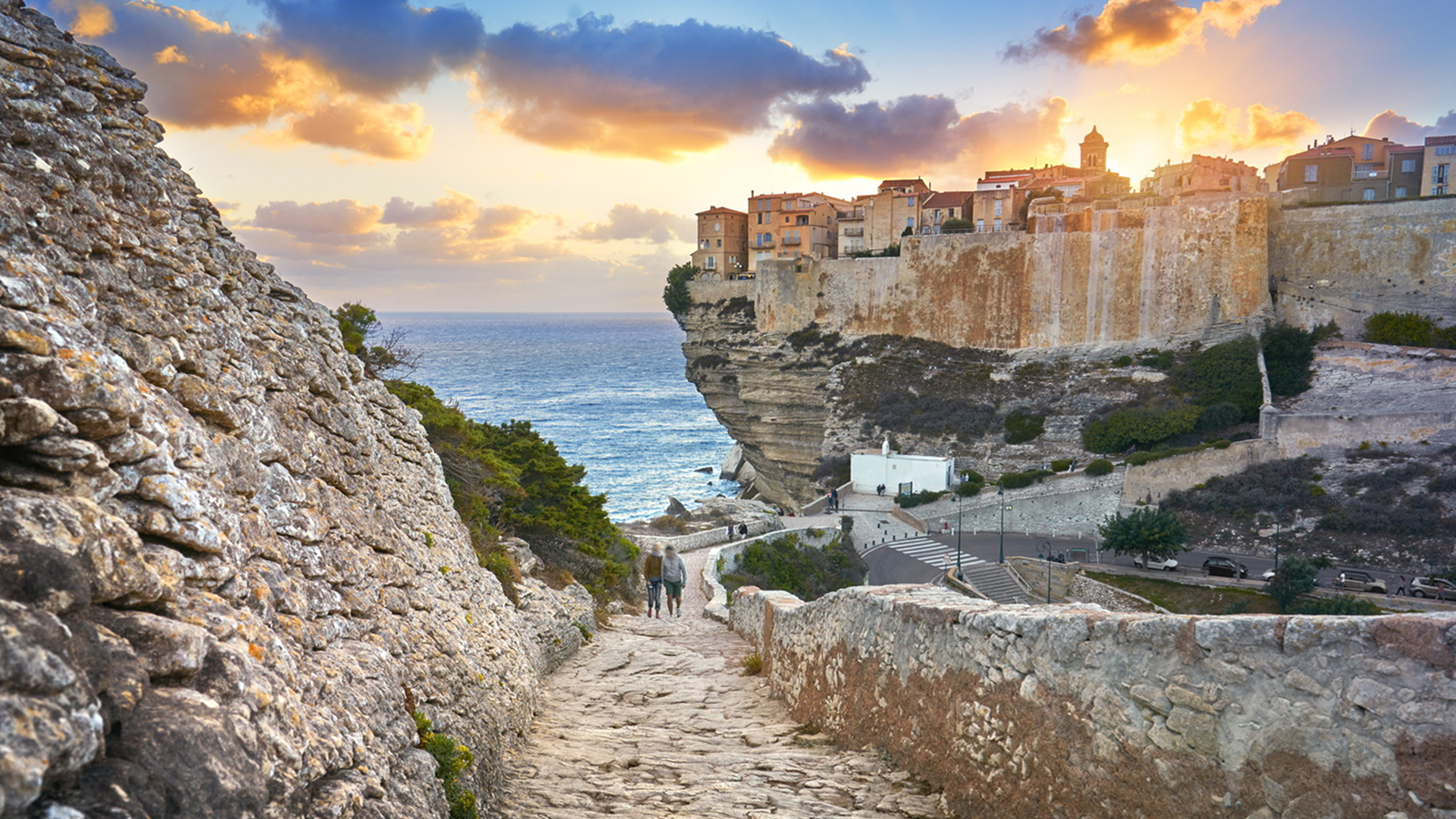
20. Corsica
Corsica offers a very different experience from mainland France, combining Mediterranean beaches with rugged mountains and traditional villages.
The island is ideal for travelers who want a mixture of outdoor activities and coastal relaxation.
Why Visit Corsica?
- Mediterranean beaches
- Mountain landscapes
- Hiking
- Coastal roads
- Traditional villages
- Corsican cuisine
Best for: Island travel, hiking, beaches and road trips.
21. Reims
Reims is closely associated with the Champagne region and is also home to an impressive Gothic cathedral.
The surrounding vineyards make the city a useful base for exploring Champagne houses and wine-producing areas.
Why Visit Reims?
- Reims Cathedral
- Champagne houses
- Vineyards
- Historic center
- Wine tourism
- Regional cuisine
Best for: Wine, history and food.
22. Carcassonne
Carcassonne is famous for its spectacular medieval fortified city.
The historic walls, towers and narrow streets create an atmosphere that feels dramatically different from modern French cities.
Why Visit Carcassonne?
- Medieval citadel
- Fortified walls
- Historic architecture
- Château Comtal
- Local cuisine
- Canal du Midi
Best for: History, architecture and families.
23. Saint-Malo
Saint-Malo is a historic walled port city on the Brittany coast.
Its old town, beaches and coastal location make it a strong destination for combining history with seaside travel.
Why Visit Saint-Malo?
- Walled old town
- Brittany coastline
- Beaches
- Fortifications
- Seafood
- Coastal walks
Best for: History, families, beaches and road trips.
24. Étretat
Étretat is famous for its dramatic white limestone cliffs and natural rock arches along Normandy’s coast.
The scenery makes it one of France’s most recognizable coastal landscapes.
Why Visit Étretat?
- White cliffs
- Natural arches
- English Channel
- Hiking
- Coastal views
- Photography
Best for: Nature, photography and coastal travel.
25. Menton
Menton is located near the Italian border and is known for its colorful architecture, gardens and Mediterranean setting.
Its position makes it an easy addition to a French Riviera itinerary.
Why Visit Menton?
- Mediterranean coastline
- Old Town
- Gardens
- Italian influence
- Waterfront
- Scenic views
Best for: Relaxation, gardens, couples and coastal travel.
Quick Summary: 1–25
| Destination | Ideal Time | Best For |
|---|---|---|
| Paris | Apr–Oct | Culture & Landmarks |
| Nice | May–Sep | Beaches |
| Lyon | Apr–Oct | Food & Culture |
| Bordeaux | May–Oct | Wine |
| Strasbourg | Apr–Dec | Architecture |
| Marseille | May–Sep | Coast & Culture |
| Annecy | May–Sep | Lake & Mountains |
| Mont Saint-Michel | Apr–Oct | History |
| Cannes | May–Sep | Luxury & Beaches |
| Avignon | Apr–Oct | History |
| Aix-en-Provence | Apr–Oct | Art & Markets |
| Chamonix | Jun–Sep / Dec–Mar | Mountains |
| Colmar | Apr–Dec | Villages |
| Loire Valley | Apr–Oct | Châteaux |
| Normandy | May–Sep | History & Coast |
| Provence | May–Oct | Countryside |
| French Riviera | May–Sep | Coastal Travel |
| Dordogne | May–Sep | Villages & Nature |
| Biarritz | Jun–Sep | Surfing & Beaches |
| Corsica | May–Oct | Beaches & Mountains |
| Reims | Apr–Oct | Champagne |
| Carcassonne | Apr–Oct | Medieval History |
| Saint-Malo | May–Sep | Coast & History |
| Étretat | May–Sep | Cliffs & Nature |
| Menton | Apr–Oct | Mediterranean Coast |
Best Places to Visit in France by Travel Style
🏛️ Best for History & Architecture
- Paris
- Strasbourg
- Avignon
- Mont Saint-Michel
- Carcassonne
- Saint-Malo
- Reims
🌊 Best for Beaches & Coast
- Nice
- Cannes
- Marseille
- Biarritz
- Corsica
- Menton
- French Riviera
🍷 Best for Food & Wine
- Lyon
- Bordeaux
- Reims
- Provence
- Strasbourg
- Aix-en-Provence
🏔️ Best for Mountains & Outdoor Adventures
- Chamonix
- Annecy
- Corsica
- Provence
- Dordogne
❤️ Best for Couples
- Paris
- Annecy
- Nice
- Colmar
- Aix-en-Provence
- Menton
- Cannes
📸 Best for Photography
- Mont Saint-Michel
- Annecy
- Colmar
- Provence
- Étretat
- Paris
- French Riviera
👨👩👧👦 Best for Families
- Paris
- Loire Valley
- Annecy
- Dordogne
- Carcassonne
- Saint-Malo
Best Time to Visit France
Spring — March to May
Spring is an excellent period for exploring cities, gardens and countryside. Temperatures generally become more comfortable, while many destinations remain less busy than during the main summer season.
Good choices:
- Paris
- Provence
- Loire Valley
- Bordeaux
- Lyon
- Normandy
Summer — June to August
Summer is the busiest period, particularly along the Mediterranean coast and in major tourist destinations.
It is a popular season for beaches, Alpine activities, road trips and outdoor sightseeing.
Good choices:
- French Riviera
- Corsica
- Biarritz
- Annecy
- Chamonix
- Provence
Autumn — September to November
Early autumn can offer warm weather, vineyards, food experiences and fewer crowds in many destinations.
Good choices:
- Bordeaux
- Provence
- Lyon
- Paris
- Loire Valley
- Reims
Winter — December to February
Winter is ideal for Christmas markets, festive city breaks and Alpine skiing.
Good choices:
- Strasbourg
- Paris
- Chamonix
- French Alps
- Colmar
- Reims
Tips for Visiting France in 2026
1. Don’t Build Your Entire Trip Around Paris
Paris deserves several days, but France’s regional diversity is one of its biggest attractions. Consider adding another region to your itinerary.
2. Use Trains Between Major Cities
France has an extensive high-speed rail network, making destinations such as Paris, Lyon, Bordeaux and Strasbourg practical to combine.
3. Explore Regional Cuisine
French food changes considerably between regions. Try local specialties rather than limiting your meals to familiar French dishes.
4. Book Popular Attractions Ahead
Major attractions and popular destinations can become busy during peak periods. Advance reservations can be useful for museums, trains and popular experiences.
5. Consider Shoulder Seasons
April–May and September–October can provide a useful balance between weather, crowds and prices, although conditions vary considerably by region.
6. Explore Beyond the Main Cities
Small villages, vineyards, coastal towns and countryside landscapes are an important part of the French travel experience.
7. Check Local Transport
Public transport works particularly well in major cities, while a rental car can be useful for rural regions such as Provence, Dordogne and parts of Normandy.
Frequently Asked Questions
What are the best places to visit in France in 2026?
Popular destinations include Paris, Nice, Lyon, Bordeaux, Strasbourg, Annecy, Provence, the French Riviera, Normandy and the Loire Valley.
What is the best time to visit France?
Spring and early autumn can provide comfortable conditions for many regions. Summer is particularly popular for coastal destinations, while winter is suitable for Alpine skiing and festive city breaks.
How many days do you need in France?
A week can work for a focused trip such as Paris plus one nearby region. For a broader itinerary covering several regions, 10–14 days or longer provides more flexibility.
What is the best place to visit in France for first-time travelers?
Paris is often the starting point for first-time visitors, while destinations such as Nice, Lyon, Bordeaux and the Loire Valley can be added depending on interests.
Where should you go in France for beaches?
The French Riviera, Corsica and the Atlantic coast around Biarritz offer different beach experiences. The Mediterranean generally provides a warmer coastal atmosphere during summer.
What are the best places in France for food?
Lyon, Bordeaux, Provence, Strasbourg and the wider French regions each offer distinct culinary traditions.
Is France expensive to visit?
Costs vary significantly by destination and season. Paris and popular Mediterranean destinations can be expensive, while smaller cities and rural areas can offer different price points.
What are the best places to visit in France for couples?
Paris, Annecy, Colmar, Nice, Aix-en-Provence, Menton and parts of the Loire Valley offer combinations of scenery, food, architecture and romantic settings.
What are the best places for a France road trip?
Provence, Normandy, Dordogne, Corsica and the Loire Valley are particularly suited to road-trip itineraries where smaller towns and countryside are part of the experience.
Is France good for a family holiday?
Yes. France offers museums, beaches, castles, countryside, theme parks and outdoor activities suitable for different ages. Paris, the Loire Valley, Annecy, Dordogne and coastal destinations can all work well depending on the itinerary.
Conclusion
France is much more than Paris. Its appeal comes from the extraordinary variety of landscapes and regional cultures found across the country.
You can spend a few days exploring Paris, travel south toward the beaches of Nice and Cannes, explore the vineyards around Bordeaux, discover the Alpine scenery of Annecy and Chamonix, or slow down among the villages and landscapes of Provence and Dordogne.
For history lovers, destinations such as Mont Saint-Michel, Carcassonne and Strasbourg offer centuries of architecture and culture. For coastal travel, Corsica, Biarritz, the French Riviera and Menton provide very different seaside experiences.
Whether you are planning a first trip or returning to explore a different region, France offers enough variety to support everything from a short city break to a multi-week journey across the country.