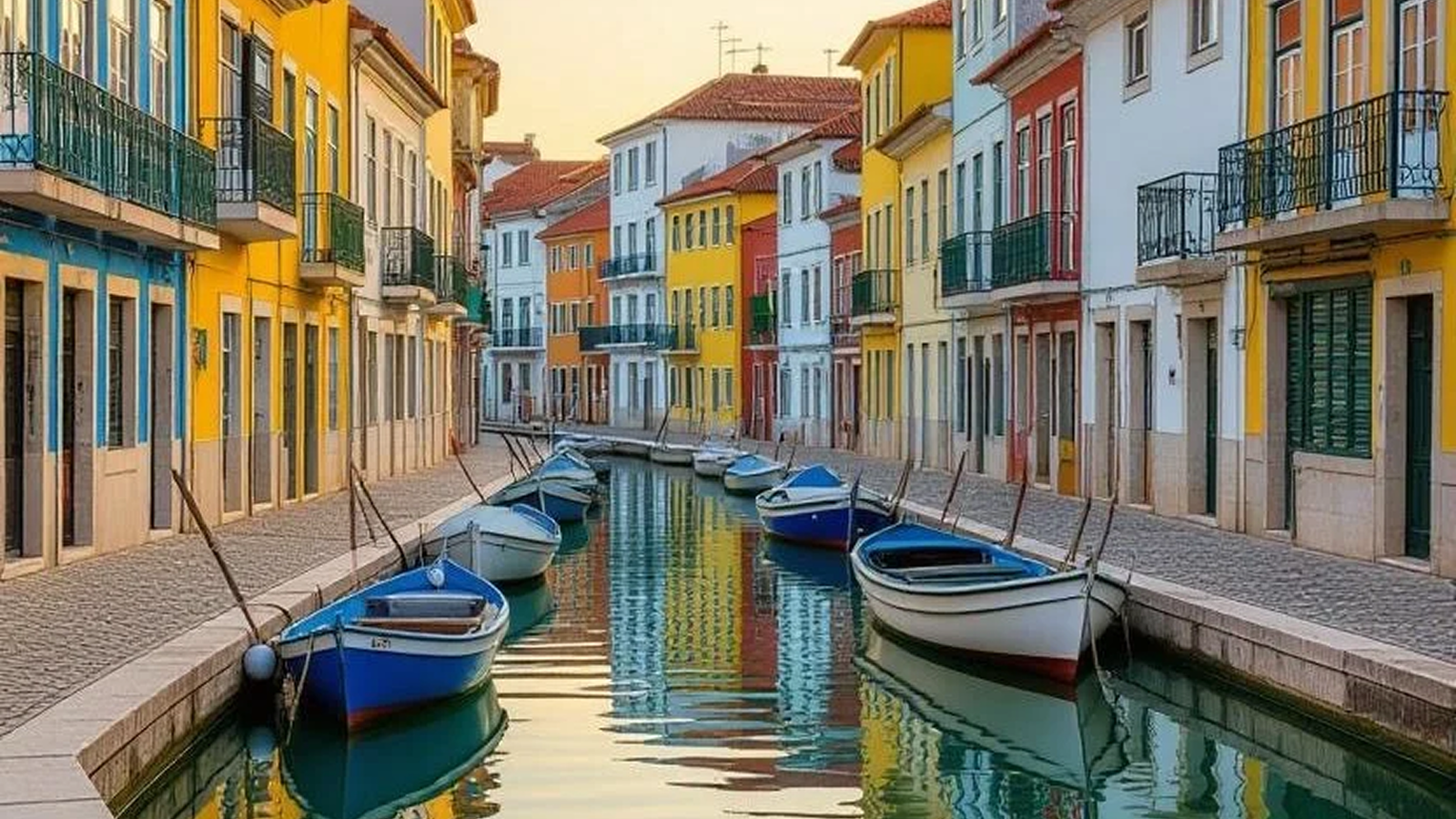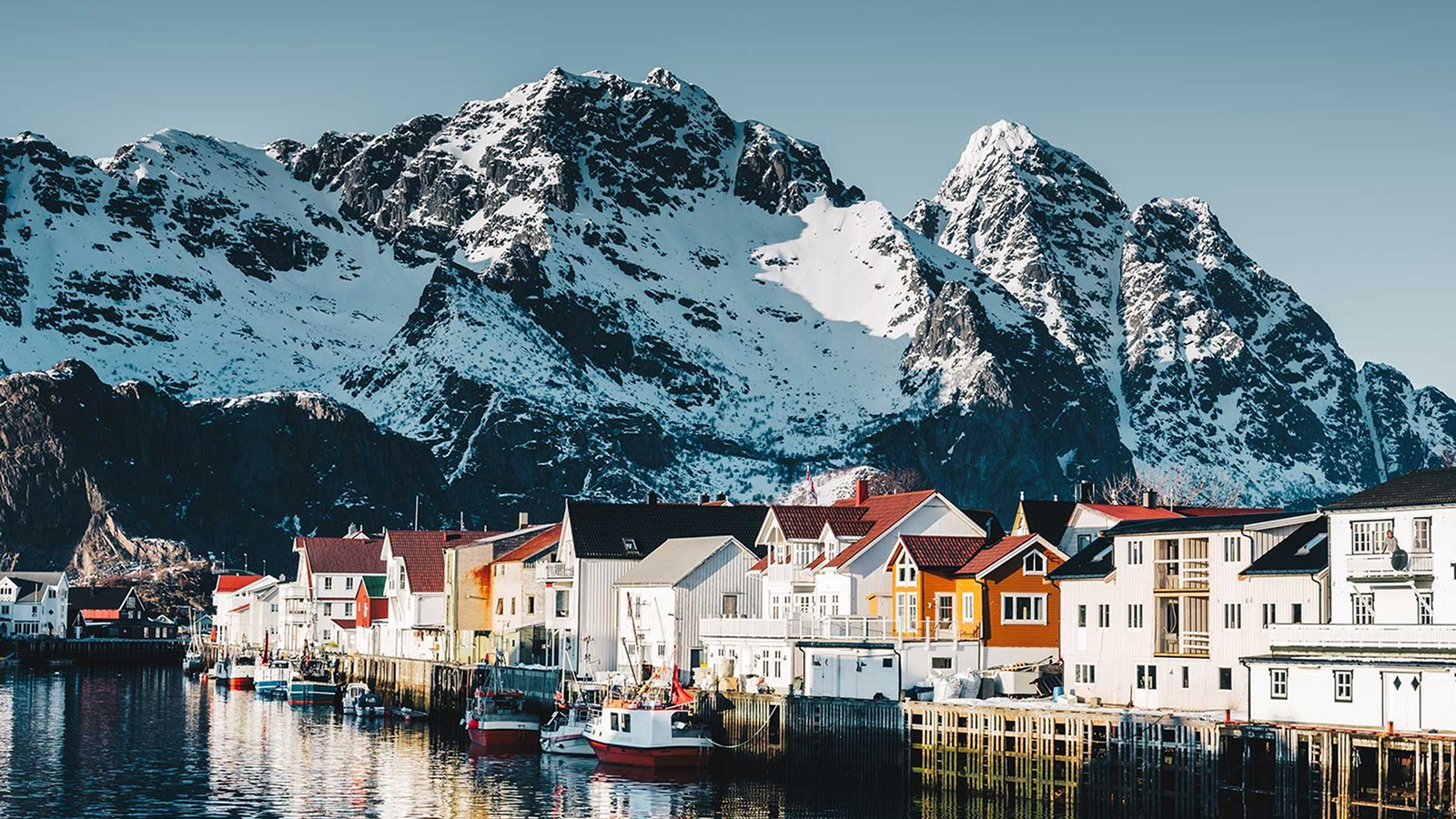

Croatia is one of Europe’s most visually diverse destinations.
The country stretches along the Adriatic Sea, with thousands of islands, historic coastal towns, limestone mountains, turquoise bays, vineyards, forests and dramatic national parks.
Its beauty also changes from region to region.
Dubrovnik is defined by medieval stone walls and deep blue water. Istria combines hilltop villages with vineyards and olive groves. Dalmatia is filled with islands, fishing towns and rocky coastlines, while inland Croatia offers waterfalls, lakes and forested landscapes.
Some of Croatia’s most beautiful places are internationally famous.
Others are small towns, quiet islands and natural landscapes that can be just as memorable.
This guide explores 25 of the most beautiful places in Croatia for 2026, covering coastal cities, islands, national parks, historic towns and scenic destinations across the country.
Croatia’s Most Beautiful Places at a Glance
| Place | Region | Known For | Best For |
|---|---|---|---|
| Dubrovnik | Southern Dalmatia | Old Town & Adriatic views | History |
| Hvar | Dalmatia | Island scenery | Beaches |
| Plitvice Lakes | Inland Croatia | Lakes & waterfalls | Nature |
| Rovinj | Istria | Old Town & coastline | Couples |
| Korčula | Dalmatia | Historic town & beaches | Island travel |
| Zadar | Northern Dalmatia | Waterfront & sunsets | City breaks |
| Split | Dalmatia | Diocletian’s Palace | History |
| Vis | Dalmatia | Remote island scenery | Slow travel |
| Mljet | Dalmatia | National park | Nature |
| Brač | Dalmatia | Zlatni Rat & mountains | Beaches |
| Krka | Dalmatia | Waterfalls | Nature |
| Trogir | Dalmatia | Medieval center | History |
| Šibenik | Dalmatia | Old Town & coast | Culture |
| Motovun | Istria | Hilltop village | Photography |
| Pula | Istria | Roman architecture | History |
| Ston | Pelješac | Walls & coastline | Food & history |
| Primošten | Dalmatia | Coastal town | Couples |
| Paklenica | Dalmatia | Mountains & canyons | Hiking |
| Lastovo | Dalmatia | Remote island | Escape |
| Cres | Kvarner | Nature & villages | Outdoor travel |
| Opatija | Kvarner | Historic Riviera | Architecture |
| Zagreb | Central Croatia | Historic city | Culture |
| Salona | Dalmatia | Roman ruins | History |
| Komiža | Vis | Fishing village | Coastal scenery |
| Lubenice | Cres | Cliffside village | Views |
What Makes Croatia So Beautiful?
Croatia’s landscapes are shaped by the meeting of the Adriatic Sea, limestone mountains and Mediterranean vegetation.
Several characteristics make the country particularly photogenic.
Clear Adriatic Water
The coastline is known for exceptionally clear water, especially around the islands.
Historic Stone Architecture
Many coastal towns feature centuries-old stone buildings, narrow streets and fortified walls.
Islands
Croatia’s island landscape creates countless combinations of beaches, cliffs, forests and fishing villages.
National Parks
Plitvice Lakes and Krka are among the country’s most recognizable natural attractions.
Mediterranean Landscapes
Olive groves, vineyards, cypress trees and rocky hills create the visual character of much of coastal Croatia.
25 Most Beautiful Places in Croatia
1. Dubrovnik
Region: Southern Dalmatia
Dubrovnik is one of the most recognizable destinations on the Adriatic.
The historic Old Town is surrounded by medieval defensive walls and overlooks the deep blue sea.
Walking along the city walls provides views across:
- The Old Town
- Lokrum Island
- The Adriatic
- Nearby coastal mountains
Inside the walls, limestone streets connect historic churches, squares and buildings.
The combination of architecture and coastline makes Dubrovnik particularly impressive at sunset.
Don’t miss:
- Dubrovnik Old Town
- City Walls
- Stradun
- Mount Srđ
- Lokrum Island
Best for: History, photography and coastal scenery.
2. Hvar
Region: Dalmatia
Hvar combines Mediterranean landscapes with historic architecture.
Hvar Town is centered around a picturesque harbor, while the island’s interior contains vineyards, olive groves and lavender fields.
Beyond the main town, visitors can explore smaller villages and secluded coves.
Don’t miss:
- Hvar Town
- Fortica Fortress
- Pakleni Islands
- Stari Grad
- Island beaches
Best for: Island scenery, beaches and sunsets.
3. Plitvice Lakes National Park
Region: Central Croatia
Plitvice Lakes is one of Croatia’s most spectacular natural destinations.
The national park consists of a series of interconnected lakes and waterfalls surrounded by forests.
Wooden walkways cross the landscape, allowing visitors to move between different sections of the park.
The colors of the water change depending on minerals, sunlight and vegetation.
Don’t miss:
- Upper Lakes
- Lower Lakes
- Veliki Slap
- Wooden boardwalks
- Forest trails
Best for: Waterfalls, hiking and photography.
4. Rovinj
Region: Istria
Rovinj is one of the most atmospheric towns on Croatia’s northern Adriatic coast.
The historic center rises above the waterfront, with narrow stone streets leading toward the Church of St. Euphemia.
The surrounding coastline is dotted with small islands, coves and Mediterranean vegetation.
Don’t miss:
- Rovinj Old Town
- Church of St. Euphemia
- Old harbor
- Zlatni Rt
- Coastal paths
Best for: Couples, photography and coastal architecture.
5. Korčula
Region: Southern Dalmatia
Korčula is famous for its medieval old town and island landscape.
The historic center features narrow streets arranged in a distinctive pattern designed to provide shelter from the elements.
Outside the town, vineyards, olive groves and small bays cover the island.
Don’t miss:
- Korčula Old Town
- St. Mark’s Cathedral
- Lumbarda
- Island vineyards
- Coastal villages
Best for: History, wine and island scenery.
6. Zadar
Region: Northern Dalmatia
Zadar combines an ancient historic center with a modern waterfront.
The city’s coastline provides spectacular sunset views, while the historic peninsula contains Roman ruins, medieval churches and Venetian architecture.
The Sea Organ creates music from waves moving through underwater pipes, adding a unique element to the waterfront.
Don’t miss:
- Sea Organ
- Greeting to the Sun
- Roman Forum
- St. Donatus Church
- Old Town
Best for: Sunsets and city breaks.
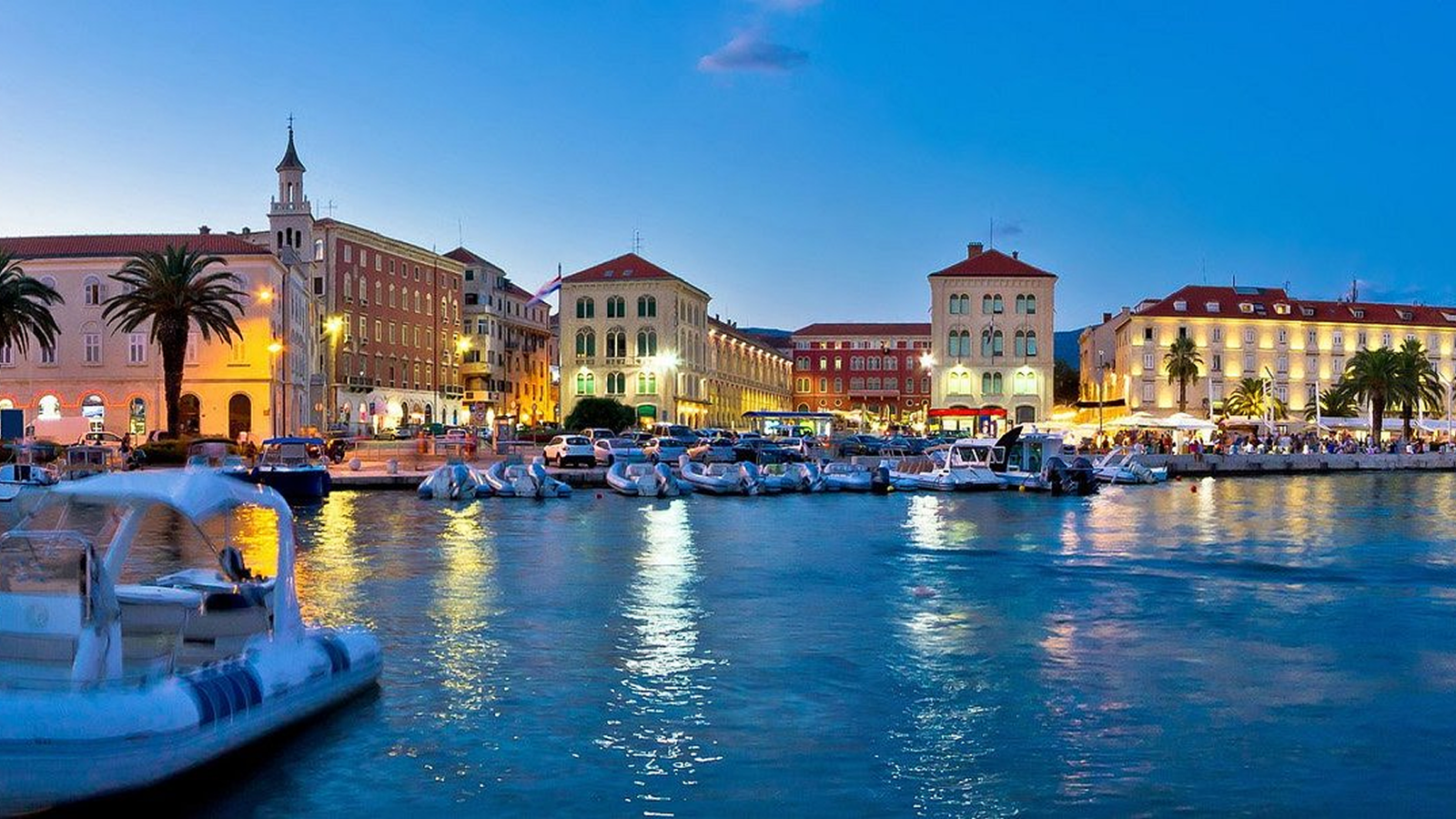
7. Split
Region: Central Dalmatia
Split’s historic center grew around the enormous Roman-era Diocletian’s Palace.
Today, restaurants, shops and homes occupy parts of the ancient complex.
The combination of Roman architecture, Mediterranean streets and the waterfront makes Split one of Croatia’s most distinctive cities.
Don’t miss:
- Diocletian’s Palace
- Riva waterfront
- Marjan Hill
- Peristyle
- Cathedral of Saint Domnius
Best for: History, architecture and city life.
8. Vis
Region: Dalmatia
Vis is one of Croatia’s more secluded islands.
Its relative distance from the mainland helped preserve a slower pace of life and traditional island character.
The island features rugged coastline, clear water, vineyards and small villages.
Don’t miss:
- Vis Town
- Komiža
- Stiniva Bay
- Blue Cave excursions
- Island vineyards
Best for: Nature, beaches and slow travel.
9. Mljet
Region: Southern Dalmatia
Mljet is one of Croatia’s greenest islands.
A large portion of the western side forms Mljet National Park, where forests surround saltwater lakes.
The island offers a much quieter experience than major destinations such as Dubrovnik or Split.
Don’t miss:
- Mljet National Park
- Veliko Jezero
- Malo Jezero
- St. Mary’s Island
- Coastal trails
Best for: Nature and peaceful escapes.
10. Brač
Region: Central Dalmatia
Brač is one of Croatia’s best-known islands.
Its most recognizable attraction is Zlatni Rat, a distinctive beach that extends into the Adriatic near Bol.
The island also features mountains, stone villages and traditional Mediterranean landscapes.
Don’t miss:
- Zlatni Rat
- Bol
- Vidova Gora
- Supetar
- Island villages
Best for: Beaches, hiking and island holidays.
11. Krka National Park
Region: Dalmatia
Krka National Park follows the course of the Krka River through a landscape of waterfalls, rivers and forests.
Its most recognizable feature is Skradinski Buk, a dramatic series of waterfalls and cascades.
The park provides a different type of natural experience from Plitvice.
Don’t miss:
- Skradinski Buk
- Roški Slap
- Krka River
- Visovac
- Historic watermills
Best for: Waterfalls and nature.
12. Trogir
Region: Central Dalmatia
Trogir is a compact historic town located on a small island between the Croatian mainland and Čiovo.
Its historic center is filled with medieval and Renaissance architecture.
Stone streets, waterfront promenades and historic buildings make it particularly photogenic.
Don’t miss:
- Kamerlengo Fortress
- Cathedral of St. Lawrence
- Historic center
- Waterfront promenade
Best for: Architecture and history.
13. Šibenik
Region: Dalmatia
Šibenik is one of Croatia’s historic coastal cities.
The Old Town climbs up the hillside behind the waterfront, creating views across the harbor.
The Cathedral of St. James, constructed largely from stone, is the city’s most famous architectural landmark.
Don’t miss:
- Cathedral of St. James
- St. Michael’s Fortress
- Old Town
- Šibenik waterfront
Best for: History and architecture.
14. Motovun
Region: Istria
Motovun is one of the most recognizable hilltop villages in Istria.
The medieval settlement rises above the surrounding countryside, providing panoramic views across vineyards and forests.
The region is also famous for truffles and Istrian cuisine.
Don’t miss:
- Medieval walls
- Main square
- Hilltop views
- Surrounding vineyards
- Local restaurants
Best for: Photography, food and countryside.
15. Pula
Region: Istria
Pula combines Adriatic scenery with some of Croatia’s most impressive Roman architecture.
The city’s ancient amphitheater is one of the best-preserved Roman arenas in the world.
Beyond the historic center, the surrounding Istrian coastline offers beaches and rocky coves.
Don’t miss:
- Pula Arena
- Temple of Augustus
- Roman Forum
- Cape Kamenjak
Best for: History and coastal exploration.
16. Ston
Region: Pelješac Peninsula
Ston is famous for its enormous historic defensive walls.
The walls climb the surrounding hills and overlook the town and nearby coastline.
The area is also one of Croatia’s most important destinations for oysters and shellfish.
Don’t miss:
- Ston Walls
- Ston Old Town
- Mali Ston
- Oyster farms
- Pelješac vineyards
Best for: History, food and scenery.
17. Primošten
Region: Dalmatia
Primošten is a small coastal town built around a historic peninsula.
Stone houses cluster around the old center, while the surrounding Adriatic provides views in almost every direction.
The town is especially atmospheric in the evening when the waterfront comes alive.
Don’t miss:
- Old Town
- St. George Church
- Waterfront
- Nearby beaches
Best for: Couples and coastal scenery.
18. Paklenica National Park
Region: Northern Dalmatia
Paklenica offers a completely different landscape from Croatia’s islands.
The park contains dramatic limestone canyons, mountain peaks and hiking trails.
Velika Paklenica and Mala Paklenica are the two major canyon areas.
Don’t miss:
- Velika Paklenica
- Mountain trails
- Limestone cliffs
- Manita Peć Cave
Best for: Hiking, climbing and adventure.
19. Lastovo
Region: Southern Dalmatia
Lastovo is one of Croatia’s more remote inhabited islands.
The island is covered with forests, vineyards and rugged coastline.
Its distance from major tourist centers gives it a particularly peaceful atmosphere.
Lastovo is also recognized as an important dark-sky destination because of relatively low light pollution.
Don’t miss:
- Lastovo Town
- Lastovo Nature Park
- Zaklopatica Bay
- Island viewpoints
Best for: Stargazing, nature and solitude.
20. Cres
Region: Kvarner
Cres is one of Croatia’s larger islands and is known for its rugged landscapes.
The island combines mountains, forests, olive groves, traditional villages and clear Adriatic water.
One of its most striking settlements is the hilltop village of Lubenice.
Don’t miss:
- Cres Town
- Lubenice
- Valun
- Beli
- Island hiking trails
Best for: Nature and outdoor adventures.
21. Opatija
Region: Kvarner
Opatija has a very different character from Dalmatian island towns.
The historic resort developed during the Austro-Hungarian period and features elegant villas, landscaped gardens and a long coastal promenade.
The Lungomare connects several sections of the coastline and provides scenic views across Kvarner Bay.
Don’t miss:
- Lungomare promenade
- Villa architecture
- Angiolina Park
- Waterfront
Best for: Architecture, couples and coastal walks.
22. Zagreb
Region: Central Croatia
Croatia’s capital offers a completely different visual experience from the Adriatic coast.
The historic Upper Town features colorful roofs, cobbled streets and landmarks such as St. Mark’s Church.
Lower Zagreb contains grand Austro-Hungarian architecture, parks and museums.
Don’t miss:
- Upper Town
- St. Mark’s Church
- Lotrščak Tower
- Dolac Market
- Maksimir Park
Best for: Culture, architecture and city travel.
23. Salona
Region: Near Split
Salona was the ancient capital of the Roman province of Dalmatia.
Today, archaeological remains spread across a large area near modern Solin.
The ruins include ancient walls, an amphitheater, basilicas and other Roman structures.
Don’t miss:
- Roman amphitheater
- Ancient walls
- Basilica remains
- Archaeological park
Best for: History and archaeology.
24. Komiža
Region: Vis Island
Komiža is a traditional fishing village located on the western side of Vis.
Stone houses descend toward a sheltered harbor, with mountains rising behind the town.
The setting makes Komiža one of the most picturesque small settlements on the Adriatic.
Don’t miss:
- Fishing harbor
- St. Nicholas Church
- Waterfront
- Nearby coves
- Local seafood
Best for: Photography and authentic island atmosphere.
25. Lubenice
Region: Cres Island
Lubenice is a tiny historic settlement positioned high above the Adriatic.
The village sits on a dramatic ridge overlooking the sea and a secluded beach far below.
Its location is particularly spectacular around sunset.
Don’t miss:
- Village stone houses
- Cliffside views
- Lubenice Beach
- Coastal viewpoints
Best for: Scenic views, photography and quiet escapes.
Most Beautiful Islands in Croatia
Croatia’s islands are among the country’s greatest attractions.
Hvar
Best for:
- Beaches
- Historic towns
- Nightlife
- Vineyards
Korčula
Best for:
- Historic architecture
- Wine
- Beaches
- Cycling
Vis
Best for:
- Seclusion
- Nature
- Fishing villages
- Slow travel
Brač
Best for:
- Beaches
- Hiking
- Outdoor activities
Mljet
Best for:
- National park
- Forests
- Lakes
Cres
Best for:
- Nature
- Hiking
- Villages
Lastovo
Best for:
- Stargazing
- Seclusion
- Nature
Most Beautiful Coastal Towns in Croatia
For travelers interested in architecture and scenery, consider:
Dubrovnik
Historic walls and dramatic Adriatic views.
Rovinj
Colorful historic streets rising above the sea.
Trogir
Medieval architecture surrounded by water.
Primošten
Stone houses on a small peninsula.
Komiža
Traditional fishing village scenery.
Ston
Historic walls and the Pelješac landscape.
Opatija
Austro-Hungarian villas and coastal promenades.
Most Beautiful Natural Landscapes
Croatia’s natural scenery extends far beyond its beaches.
Plitvice Lakes
Waterfalls, forests and turquoise lakes.
Krka National Park
River landscapes and waterfalls.
Paklenica
Limestone mountains and dramatic canyons.
Mljet National Park
Forested island landscapes and saltwater lakes.
Cres
Rugged island terrain and mountain villages.
Lastovo
Forests, bays and dark night skies.
Most Beautiful Historic Places
For architecture and history, consider:
- Dubrovnik Old Town
- Diocletian’s Palace in Split
- Trogir Old Town
- Šibenik Old Town
- Pula Arena
- Ston Walls
- Salona
- Zagreb Upper Town
- Korčula Old Town
- Hvar Town
Each destination represents a different period of Croatian and Mediterranean history.
Croatia’s Best Hidden Gems
If you want to explore beyond the most famous destinations, consider:
Lubenice
A tiny hilltop village on Cres.
Lastovo
A remote island with dark skies and natural landscapes.
Komiža
A traditional fishing village on Vis.
Motovun
A hilltop Istrian settlement surrounded by vineyards and forests.
Ston
A historic town with dramatic walls and excellent local seafood.
Salona
An extensive Roman archaeological site near Split.
Best Places in Croatia for Photography
Croatia offers countless photography opportunities.
Best for Coastal Photography
- Dubrovnik
- Rovinj
- Primošten
- Komiža
Best for Nature Photography
- Plitvice Lakes
- Krka
- Mljet
- Paklenica
Best for Architecture
- Split
- Dubrovnik
- Trogir
- Pula
- Zagreb
Best for Sunset
- Zadar
- Hvar
- Dubrovnik
- Rovinj
Best Places in Croatia for Couples
For a romantic trip, consider destinations where scenic surroundings and historic architecture come together.
Dubrovnik
Perfect for combining Old Town walks with Adriatic views.
Rovinj
A beautiful base for exploring Istria.
Hvar
Island scenery, restaurants and sunset views.
Korčula
Historic streets and vineyards.
Opatija
Elegant architecture and coastal walks.
Primošten
A compact coastal setting with a romantic atmosphere.
Best Places in Croatia for Nature Lovers
If nature is the main reason for your trip, consider:
- Plitvice Lakes
- Krka National Park
- Mljet
- Paklenica
- Cres
- Lastovo
- Vis
These destinations offer different combinations of forests, mountains, waterfalls, islands and coastline.
Best Time to See Croatia’s Most Beautiful Places
Spring
April and May can be particularly attractive for nature and sightseeing.
National parks are green, while coastal destinations become increasingly lively.
Summer
June through August is ideal for:
- Beaches
- Islands
- Swimming
- Boat trips
- Coastal towns
However, popular destinations can be very busy.
Autumn
September and October can provide a combination of warm coastal weather and fewer visitors than peak summer.
This can be a good period for:
- Road trips
- Photography
- Food
- Wine
- Historic towns
Winter
Winter is best suited to:
- Zagreb
- Historic cities
- Museums
- Cultural travel
Many seasonal island businesses operate on reduced schedules.
Suggested Croatia Scenic Itineraries
5-Day Croatia Highlights
Day 1: Dubrovnik
Day 2: Dubrovnik
Day 3: Split
Day 4: Trogir
Day 5: Split
Best for travelers focused on historic cities and the coast.
7-Day Croatia Islands & Coast
Day 1: Split
Day 2: Hvar
Day 3: Hvar
Day 4: Vis
Day 5: Korčula
Day 6: Dubrovnik
Day 7: Dubrovnik
Best for beaches, islands and coastal scenery.
10-Day Croatia Scenic Road Trip
Day 1: Zagreb
Day 2: Plitvice Lakes
Day 3: Zadar
Day 4: Šibenik
Day 5: Trogir
Day 6: Split
Day 7: Dubrovnik
Day 8: Ston
Day 9: Pelješac
Day 10: Dubrovnik
Best for combining cities, nature and coastline.
Croatia Travel Tips
Start Early at Popular Attractions
Plitvice Lakes, Dubrovnik and other major attractions can become busy during the day.
An early start can make sightseeing more comfortable.
Don’t Limit Your Trip to the Coast
Croatia’s inland landscapes are just as interesting as its Adriatic coastline.
Try to include at least one national park or inland destination.
Allow Extra Time for Islands
Ferry schedules and weather can affect island travel.
Avoid creating overly tight connections.
Consider a Rental Car
A car can be useful for exploring Istria, inland Croatia and smaller coastal towns.
For island-hopping itineraries, public ferries and boats may be more convenient.
Wear Comfortable Shoes
Historic Croatian towns often have:
- Stone streets
- Stairs
- Steep lanes
- Uneven surfaces
Comfortable footwear is essential.
Carry Sun Protection
Summer conditions along the Adriatic can be hot and bright.
Bring:
- Sunscreen
- Sunglasses
- Hat
- Water
FAQs
What is the most beautiful place in Croatia?
Croatia has many different landscapes, so the answer depends on what type of scenery you want. Dubrovnik is known for historic architecture and Adriatic views, while Plitvice is famous for lakes and waterfalls and Hvar for island landscapes.
What are the most beautiful islands in Croatia?
Hvar, Korčula, Vis, Brač, Mljet, Cres and Lastovo are among the islands worth considering, with each offering a different combination of beaches, villages and natural scenery.
Is Dubrovnik the most beautiful city in Croatia?
Dubrovnik is one of Croatia’s most visually distinctive cities, particularly because of its medieval walls and Adriatic setting. Other cities such as Rovinj, Split, Trogir and Šibenik offer very different architectural and coastal environments.
What is the most beautiful national park in Croatia?
Plitvice Lakes and Krka are two of Croatia’s best-known national parks. Plitvice is particularly famous for interconnected lakes and waterfalls, while Krka is known for its river landscapes and cascades.
Where are the best hidden gems in Croatia?
Lastovo, Lubenice, Komiža, Motovun and Salona offer experiences away from some of Croatia’s most heavily visited attractions.
What is the prettiest coastal town in Croatia?
Rovinj, Trogir, Primošten and Komiža are all known for their scenic waterfront settings and historic architecture.
What is the best time to visit Croatia?
May, June, September and early October can be useful periods for combining sightseeing and coastal travel. July and August are particularly suited to traditional summer beach and island holidays.
How many days do I need to see Croatia?
A week can cover a focused selection of destinations, while 10–14 days allows you to combine cities, national parks and islands more comfortably.
Is Croatia good for a road trip?
Yes. A road trip can work particularly well in Istria, inland Croatia and along sections of the Adriatic coast. Island itineraries require additional planning around ferry schedules.
Which Croatian destination is best for nature?
Plitvice Lakes, Krka, Paklenica, Mljet, Cres and Lastovo all offer different types of natural scenery.
Conclusion
Croatia’s beauty comes from its variety.
One day you can walk through the ancient streets of Dubrovnik, and the next you can be swimming in the Adriatic around Hvar. Inland, Plitvice Lakes offers a completely different landscape of waterfalls and forests, while Istria brings hilltop villages, vineyards and Mediterranean countryside.
For island scenery, explore Hvar, Korčula, Vis, Brač or Mljet.
For historic coastal towns, consider Dubrovnik, Rovinj, Trogir, Šibenik or Primošten.
For nature, look toward Plitvice Lakes, Krka and Paklenica.
And for quieter experiences, destinations such as Lastovo, Lubenice and Komiža offer a slower side of Croatia.
Whether your ideal trip involves clear Adriatic water, medieval architecture, mountain landscapes, waterfalls or small coastal villages, Croatia offers plenty of places where the journey itself becomes part of the experience.