Europe is home to thousands of islands, ranging from tiny Mediterranean outposts to vast destinations with mountains, forests, beaches and historic cities.
Some are famous for their whitewashed villages and turquoise water. Others are defined by rugged cliffs, volcanic landscapes, dramatic fjords or traditional fishing communities.
The best European islands aren’t all about beaches either. Many combine spectacular scenery with local food, hiking, history, wildlife and distinctive cultures.
From the Greek islands and Italian Mediterranean to Portugal’s Atlantic archipelagos and Norway’s Arctic landscapes, this guide explores 25 of the most beautiful islands in Europe for 2026.
Whether you’re planning a romantic escape, a beach holiday, an outdoor adventure or a slow-travel itinerary, these islands offer plenty of inspiration.
Europe’s Most Beautiful Islands at a Glance
| Island | Country / Region | Best For |
|---|---|---|
| Santorini | Greece | Views & romance |
| Crete | Greece | Beaches, food & history |
| Corfu | Greece | Nature & culture |
| Naxos | Greece | Beaches & local life |
| Milos | Greece | Unique coastline |
| Paros | Greece | Villages & beaches |
| Sicily | Italy | Food & culture |
| Sardinia | Italy | Beaches & nature |
| Capri | Italy | Scenery & luxury |
| Ischia | Italy | Thermal spas |
| Mallorca | Spain | Beaches & road trips |
| Menorca | Spain | Quiet coves |
| Ibiza | Spain | Beaches & nightlife |
| Corsica | France | Mountains & coast |
| Crete? | Greece | — |
| Madeira | Portugal | Hiking & nature |
| São Miguel | Portugal | Volcanic landscapes |
| Pico | Portugal | Mountains & wine |
| Hvar | Croatia | Beaches & nightlife |
| Korčula | Croatia | Old towns & beaches |
| Vis | Croatia | Quiet island escapes |
| Malta | Malta | History & coast |
| Gozo | Malta | Rural landscapes |
| Lofoten Islands | Norway | Arctic scenery |
| Isle of Skye | Scotland | Dramatic landscapes |
Note: European islands have very different climates, travel seasons and transport networks. Always check current ferry, flight and accommodation availability when planning your trip.
How We Selected These Islands
Europe has an enormous number of beautiful islands, so this list focuses on destinations that offer a combination of:
- Natural beauty
- Beaches or dramatic coastlines
- Distinctive landscapes
- Charming towns and villages
- Local food and culture
- Outdoor activities
- Historic attractions
- Accessibility for travelers
- Different experiences beyond simply relaxing on a beach
The list deliberately includes both famous islands and destinations that can provide a quieter alternative to Europe’s busiest summer hotspots.
25 Most Beautiful Islands in Europe
1. Santorini, Greece
Santorini is one of Europe’s most recognizable islands.
Its volcanic landscape, whitewashed villages and deep-blue Aegean views create a dramatic setting unlike almost anywhere else in Europe.
Oia is famous for its sunset views, while Fira provides a livelier base for exploring the island.
Beyond the famous caldera, Santorini also offers volcanic beaches, archaeological sites, wineries and traditional villages.
Best for: Couples, photography, wine and dramatic scenery.
2. Crete, Greece
Crete is considerably larger and more diverse than most Greek islands.
The island combines beaches, mountains, gorges, villages, archaeological sites and one of Greece’s most distinctive food cultures.
Travelers can spend a morning exploring a historic site, an afternoon swimming and an evening eating at a traditional taverna.
For a longer Greek island holiday, Crete offers exceptional variety.
Best for: Food, beaches, hiking, history and longer stays.
3. Corfu, Greece
Corfu has a greener landscape than many of the Aegean islands.
Olive groves, forested hills, beaches and historic towns give the island a distinctive character.
Corfu Town is particularly interesting for architecture and history, with strong Venetian influences.
Best for: Nature, culture, beaches and families.
4. Naxos, Greece
Naxos combines beautiful beaches with a strong agricultural tradition.
Unlike some smaller islands that rely heavily on tourism, Naxos has a substantial local food culture.
The island is known for products such as potatoes, cheeses, honey and locally produced meats.
Its interior also offers mountain villages and hiking opportunities.
Best for: Food, beaches and authentic island experiences.
5. Milos, Greece
Milos is famous for its unusual coastline.
Volcanic geology has created beaches and rock formations with distinctive colors and shapes.
Sarakiniko is particularly recognizable for its bright white volcanic landscape and turquoise water.
The island also has traditional fishing villages and secluded coastal areas.
Best for: Beaches, photography and geology.
6. Paros, Greece
Paros combines classic Cycladic architecture with a relaxed island atmosphere.
Naoussa and Parikia provide charming waterfront areas, while beaches are spread throughout the island.
Paros works particularly well for travelers who want a mixture of beaches, restaurants, villages and island nightlife without focusing entirely on one type of holiday.
Best for: Couples, beaches, food and island hopping.
7. Sicily, Italy
Sicily is closer to a small continent than a conventional holiday island.
It combines ancient ruins, Baroque towns, volcanic landscapes, Mediterranean beaches and one of Italy’s most distinctive regional cuisines.
Mount Etna dominates parts of the eastern landscape, while destinations such as Palermo, Syracuse, Taormina and Cefalù offer completely different experiences.
Best for: Food, history, road trips and culture.
8. Sardinia, Italy
Sardinia is famous for its exceptionally clear Mediterranean water and varied coastline.
The island has everything from glamorous coastal destinations to quieter villages and rugged inland landscapes.
The Costa Smeralda is associated with luxury travel, while other parts of the island offer a much more relaxed atmosphere.
Best for: Beaches, road trips and luxury travel.
9. Capri, Italy
Capri is a small island with an outsized reputation.
Dramatic cliffs, elegant villas, Mediterranean vegetation and spectacular sea views make it one of Italy’s most iconic island destinations.
The Blue Grotto is one of its most famous attractions, while Anacapri offers a quieter atmosphere away from the main center.
Best for: Couples, luxury and sightseeing.
10. Ischia, Italy
Located in the Bay of Naples, Ischia offers a more relaxed alternative to Capri.
The island is particularly known for thermal springs and wellness experiences.
It also has beaches, gardens, villages and volcanic landscapes.
Best for: Wellness, couples and slow travel.
11. Mallorca, Spain
Mallorca offers much more than beach resorts.
The island combines Mediterranean beaches with mountains, cycling routes, historic towns and scenic coastal roads.
Palma provides culture and architecture, while the Serra de Tramuntana offers spectacular mountain landscapes.
Best for: Road trips, beaches, hiking and food.
12. Menorca, Spain
Menorca is generally quieter than neighboring Mallorca and Ibiza.
Its coastline is dotted with small coves known as calas, while the interior remains relatively peaceful.
The island is particularly attractive for travelers who want nature, swimming and relaxed coastal exploration.
Best for: Quiet beaches, families and nature.
13. Ibiza, Spain
Ibiza is famous for nightlife, but the island has another side.
Outside the major clubs and summer party destinations, travelers can find quiet coves, rural landscapes, traditional villages and excellent Mediterranean restaurants.
Its coastline offers many opportunities for swimming and sunset views.
Best for: Beaches, nightlife, food and couples.
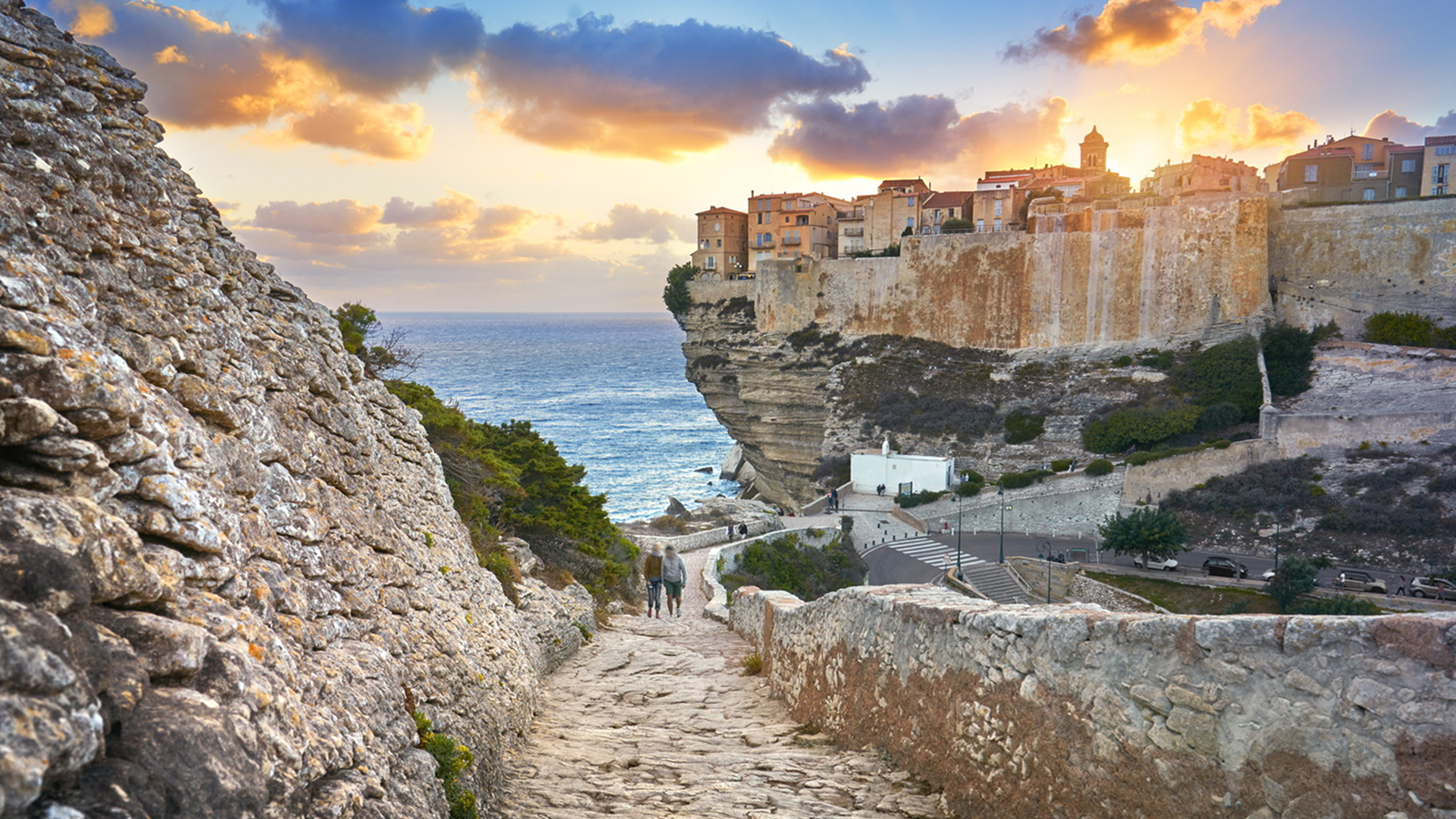
14. Corsica, France
Corsica combines French and Mediterranean influences with an unusually rugged landscape.
Mountains rise directly from parts of the coastline, creating dramatic scenery.
The island offers beaches, hiking routes, historic towns and scenic roads.
For travelers who enjoy exploring by car, Corsica can be particularly rewarding.
Best for: Road trips, hiking and nature.
15. Madeira, Portugal
Madeira is one of Europe’s strongest destinations for travelers who prefer mountains and hiking over traditional beach holidays.
The island is volcanic, mountainous and extremely green.
Its famous levada trails provide opportunities to explore forests, valleys and dramatic viewpoints.
Funchal offers a convenient base for discovering the island.
Best for: Hiking, nature, photography and adventure.
16. São Miguel, Portugal
São Miguel is the largest island in the Azores.
The island is known for volcanic landscapes, crater lakes, geothermal areas, lush vegetation and dramatic Atlantic scenery.
It feels very different from the Mediterranean islands of southern Europe.
Best for: Nature, hiking and outdoor adventures.
17. Pico, Portugal
Pico is dominated by Mount Pico, Portugal’s highest mountain.
The island is also known for its distinctive vineyards, where vines are grown among volcanic stone walls.
Its landscapes combine ocean, volcanic rock and mountain scenery.
Best for: Hiking, wine and volcanic landscapes.
18. Hvar, Croatia
Hvar is one of Croatia’s most popular islands.
The island combines historic architecture, beaches, pine-covered hills, restaurants and lively summer evenings.
Hvar Town provides a beautiful waterfront base, while the wider island offers quieter villages and coves.
Best for: Beaches, nightlife and island hopping.
19. Korčula, Croatia
Korčula is known for its medieval old town, forested landscapes and clear Adriatic waters.
The island provides a more relaxed experience than some of Croatia’s most famous summer destinations.
Cycling, swimming, boat trips and food experiences can all be incorporated into a visit.
Best for: History, beaches and couples.
20. Vis, Croatia
Vis is one of Croatia’s more secluded island destinations.
Its relative distance from the mainland helped preserve a slower-paced atmosphere.
The island is known for beautiful bays, traditional villages and local food.
It is particularly suited to travelers looking to get away from the busiest Adriatic destinations.
Best for: Quiet escapes, food and nature.
21. Malta
Malta combines Mediterranean scenery with an unusually dense concentration of history.
The island’s fortified cities, archaeological sites, churches and coastal landscapes make it different from a conventional beach destination.
Valletta provides a strong cultural base, while coastal areas offer swimming and boat trips.
Best for: History, architecture and Mediterranean travel.
22. Gozo, Malta
Gozo offers a slower and more rural alternative to Malta’s main island.
The landscape includes cliffs, farmland, villages and coastal viewpoints.
It is particularly attractive for travelers who want a peaceful Mediterranean escape with opportunities for hiking and swimming.
Best for: Slow travel, nature and couples.
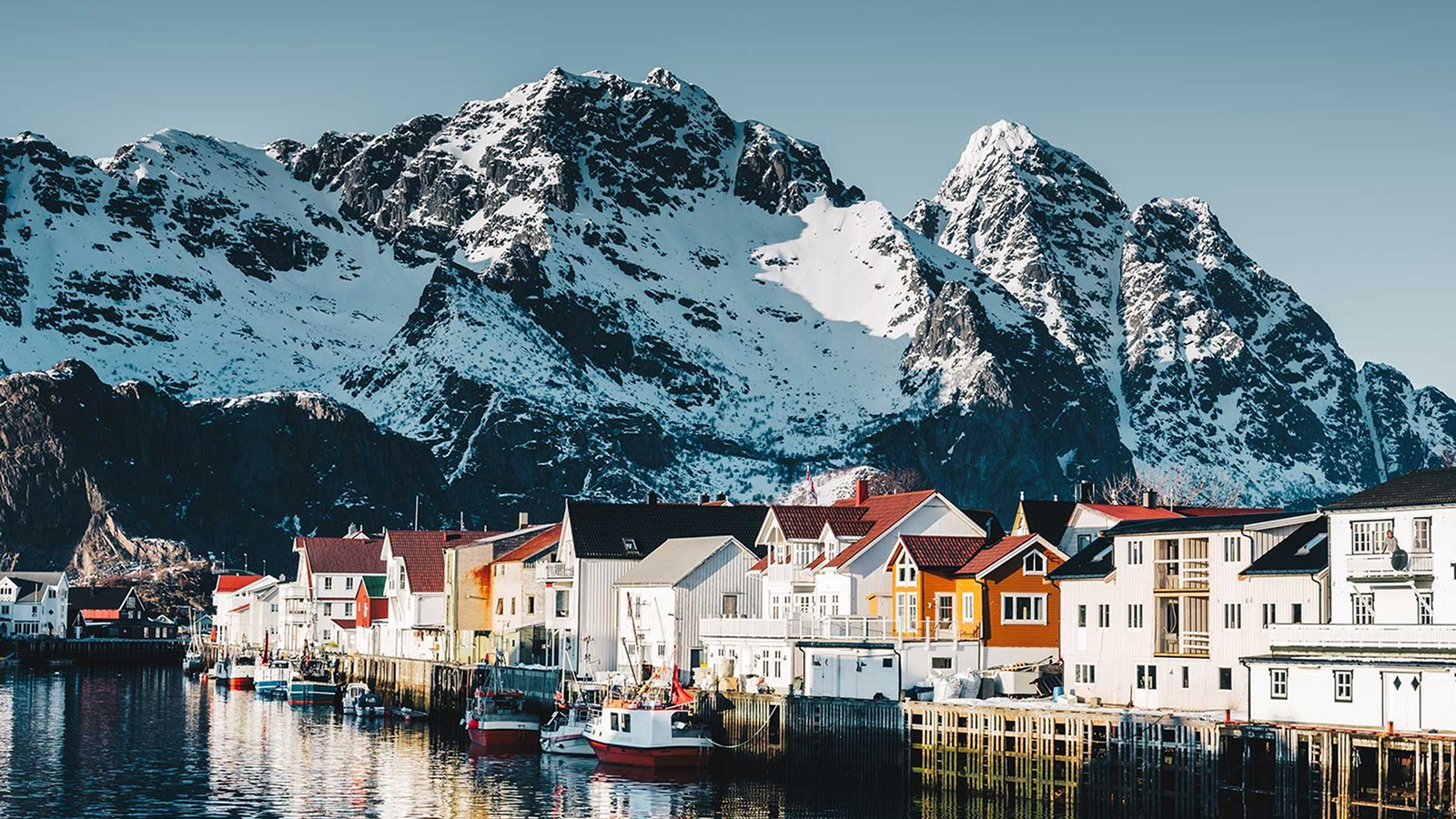
23. Lofoten Islands, Norway
The Lofoten Islands offer one of the most dramatic island landscapes in Europe.
Jagged mountains rise directly from the sea, while small fishing villages sit along sheltered bays.
The scenery changes dramatically with the seasons.
Summer offers long daylight hours, while winter can provide opportunities to see the Northern Lights.
Best for: Adventure, photography and dramatic landscapes.
24. Isle of Skye, Scotland
The Isle of Skye is famous for its rugged landscapes.
Mountain ranges, cliffs, waterfalls and coastal scenery make the island one of Scotland’s most visually impressive destinations.
It is particularly rewarding for travelers who enjoy hiking and scenic road trips.
Best for: Hiking, photography and road trips.
25. Zakynthos, Greece
Zakynthos is known for its dramatic coastline and turquoise water.
The island combines beaches, cliffs, caves and traditional Greek villages.
Boat trips are one of the best ways to experience the coastline and discover areas that are difficult to reach by land.
Best for: Beaches, boat trips and families.
Best Mediterranean Islands in Europe
For travelers looking for warm weather, beaches and Mediterranean culture, consider:
Greece
- Santorini
- Crete
- Corfu
- Naxos
- Milos
- Paros
- Zakynthos
Italy
- Sicily
- Sardinia
- Capri
- Ischia
Spain
- Mallorca
- Menorca
- Ibiza
France
- Corsica
Croatia
- Hvar
- Korčula
- Vis
Each offers a different combination of beaches, food, culture and outdoor activities.
Best Greek Islands for a European Holiday
Greece has hundreds of islands, but these destinations offer particularly different experiences.
Santorini
Best for dramatic scenery, wine and couples.
Crete
Best for food, history, hiking and longer trips.
Naxos
Best for beaches and local food.
Milos
Best for unique coastlines.
Paros
Best for villages, beaches and restaurants.
Corfu
Best for greenery and culture.
Zakynthos
Best for beaches and boat trips.
Best Italian Islands
Sicily
Choose Sicily for food, history and variety.
Sardinia
Choose Sardinia for beaches and coastal road trips.
Capri
Choose Capri for dramatic scenery and luxury.
Ischia
Choose Ischia for thermal spas and slow travel.
Best European Islands for Beaches
If your priority is swimming and beach time, consider:
- Sardinia
- Mallorca
- Menorca
- Crete
- Naxos
- Milos
- Zakynthos
- Hvar
- Corsica
- Sicily
Remember that beaches vary considerably. Some islands are dominated by sandy beaches, while others have rocky coves or pebbled shores.
Best European Islands for Couples
For romantic trips, consider:
Santorini
Dramatic sunsets and caldera views.
Capri
Elegant scenery and Mediterranean atmosphere.
Paros
Relaxed island life and beautiful villages.
Hvar
Waterfront dining and Adriatic scenery.
Corsica
Road trips through mountains and coastline.
Madeira
Nature, hiking and spectacular viewpoints.
Best European Islands for Food Lovers
Island cuisine is often closely connected to local agriculture and the surrounding sea.
Sicily
One of Europe’s great food destinations.
Crete
Known for olive oil, vegetables, cheeses, herbs and traditional cooking.
Sardinia
Strong regional traditions and local products.
Naxos
Excellent for cheeses, potatoes, honey and local dishes.
Corfu
Distinctive cuisine shaped by its history.
Mallorca
Excellent combination of Mediterranean ingredients and regional cooking.
Best European Islands for Nature & Hiking
If beaches aren’t your only priority, consider:
Madeira
Levada walks and mountainous scenery.
São Miguel
Volcanic landscapes and crater lakes.
Pico
Mountain hiking and vineyards.
Corsica
Alpine-style mountains beside the Mediterranean.
Lofoten
Dramatic Arctic mountains and coastline.
Isle of Skye
Rugged Scottish landscapes and hiking.
Crete
Gorges, mountains and coastal trails.
Best Hidden Island Gems
Some islands are less obvious than Santorini, Mallorca or Capri.
Vis, Croatia
A quieter Adriatic experience.
Gozo, Malta
Rural landscapes and relaxed coastal villages.
Pico, Portugal
Volcanic scenery and vineyards.
São Miguel, Portugal
Nature-focused island travel.
Ischia, Italy
A calmer alternative to Capri.
Naxos, Greece
A strong combination of beaches, food and local life.
Best Time to Visit European Islands
April–May
Spring is an excellent period for sightseeing, hiking and exploring quieter islands.
Mediterranean destinations begin warming up, while northern islands remain cooler.
June
One of the best months for a broad European island trip.
The Mediterranean is warm and many tourist services are fully operating.
July–August
Peak summer.
Ideal for beaches and swimming but also the busiest period for many islands.
Expect higher accommodation demand and crowded popular attractions.
September
September can be one of the most appealing months for Mediterranean islands.
The weather can remain warm while conditions become more comfortable for sightseeing.
October
Southern islands can still offer pleasant travel conditions, although weather becomes increasingly variable.
Atlantic and northern islands can become considerably cooler.
November–March
The experience depends heavily on location.
Canary Islands and Madeira can remain attractive for winter travel, while Mediterranean islands are generally quieter and more seasonal.
Northern islands such as the Lofoten Islands and Scotland offer completely different winter landscapes.
European Island-Hopping Ideas
Greek Island Adventure
Santorini → Naxos → Paros
A classic combination of dramatic scenery, beaches, villages and food.
Croatian Island Escape
Hvar → Korčula → Vis
Ideal for travelers who want beaches, historic towns and a slower Adriatic atmosphere.
Italian Island Journey
Sicily → Capri → Ischia
A combination of food, history, dramatic coastlines and wellness.
Portugal Island Adventure
Madeira → São Miguel → Pico
A completely different European island experience focused on hiking, volcanic landscapes and nature.
Spanish Island Escape
Mallorca → Menorca
Combine Mallorca’s variety with Menorca’s quieter beaches and coves.
Island Travel Tips
1. Don’t Try to See Too Many Islands
Island hopping sounds exciting, but every ferry or flight takes time.
For a week-long holiday, two or three islands can be enough.
2. Check Seasonal Transport
Ferries and flights can operate on different schedules depending on the season.
Always check current schedules before booking accommodation around a tight connection.
3. Travel With Flexible Timing
Weather can occasionally disrupt ferry or flight schedules.
Leaving some flexibility in your itinerary can make island travel less stressful.
4. Rent a Car When It Makes Sense
A car can be extremely useful on larger islands such as:
- Crete
- Sicily
- Sardinia
- Mallorca
- Corsica
On smaller islands or destinations with good public transport, it may not be necessary.
5. Stay More Than One Night
Moving every day doesn’t allow enough time to experience an island.
Two or three nights is often a better minimum for larger destinations.
6. Explore Inland
Don’t spend the entire trip at the coast.
Many islands have mountain villages, farms, archaeological sites, vineyards and hiking routes that reveal another side of the destination.
7. Travel Outside Peak Summer
May, June, September and early October can provide a useful balance between weather and crowds in many Mediterranean destinations.
FAQs
What is the most beautiful island in Europe?
Europe has no single objectively most beautiful island. Santorini, Sardinia, Mallorca, Corsica, Madeira, Crete and the Lofoten Islands all offer very different landscapes and experiences.
Which European island has the best beaches?
Sardinia, Mallorca, Menorca, Crete, Naxos, Milos and Hvar are among the strongest choices for travelers prioritizing beaches.
What is the best European island for couples?
Santorini is particularly popular for romantic trips, while Capri, Paros, Hvar and Corsica offer different styles of romantic island travel.
What is the best European island for hiking?
Madeira, Corsica, Crete, Lofoten and the Isle of Skye are excellent choices for travelers who want hiking and dramatic landscapes.
Which European islands are best for food?
Sicily, Crete, Sardinia, Naxos, Corfu and Mallorca are particularly interesting for travelers who want to combine island scenery with regional cuisine.
What is the best month to visit European islands?
For Mediterranean islands, June and September can be excellent months. May and October can also work well depending on the destination and the type of trip.
Are European islands expensive?
Prices vary widely. Popular destinations such as Santorini, Capri and parts of Sardinia can be expensive during peak summer, while less-famous islands and shoulder-season travel can offer more varied accommodation options.
Which European islands are best for families?
Crete, Corfu, Mallorca, Menorca, Naxos and Sardinia offer a wide range of beaches, accommodation and activities suitable for family holidays.
Can I visit European islands without a car?
Yes. Many islands have buses, taxis, ferries and organized excursions. However, a car can be useful on larger islands where attractions are spread across a wide area.
Which European islands are good for winter travel?
Madeira and the Canary Islands are popular for milder winter conditions. For a completely different experience, the Lofoten Islands and the Isle of Skye offer dramatic northern winter landscapes.
Conclusion
Europe’s islands offer an extraordinary variety of landscapes and experiences.
You can watch the sunset above Santorini’s volcanic cliffs, explore ancient towns in Sicily, swim in the clear waters of Sardinia, hike through Madeira’s mountains or watch dramatic peaks rise from the sea in Norway’s Lofoten Islands.
For a classic Mediterranean escape, Greece, Italy, Spain and Croatia offer countless options.
For nature and adventure, Madeira, the Azores, Corsica, Lofoten and the Isle of Skye provide something very different.
And for travelers looking for a slower experience, destinations such as Naxos, Vis, Gozo and Ischia can offer a more relaxed pace.
The key is choosing an island that matches the type of trip you actually want.
Don’t choose an island only because it looks beautiful in photographs. Think about beaches, food, hiking, nightlife, culture, transportation and the amount of time you have.
The right island can turn an ordinary European holiday into an unforgettable journey.