Portugal has quietly become one of Europe’s most in-demand destinations — and it’s easy to see why once you get past Lisbon. Medieval hilltop towns, dramatic Atlantic coastline, terraced vineyards, and some of the best-value food and wine in Western Europe are all packed into a country you can drive across in a day. Here are the 10 places worth building a trip around.
1. Lisbon
Portugal’s hilly, tile-covered capital rewards travelers willing to walk (or ride the historic Tram 28) — pastel buildings, miradouro viewpoints over the Tagus River, and a nightlife scene centered on Bairro Alto and the riverside. A natural first stop for almost any Portugal itinerary.
2. Porto
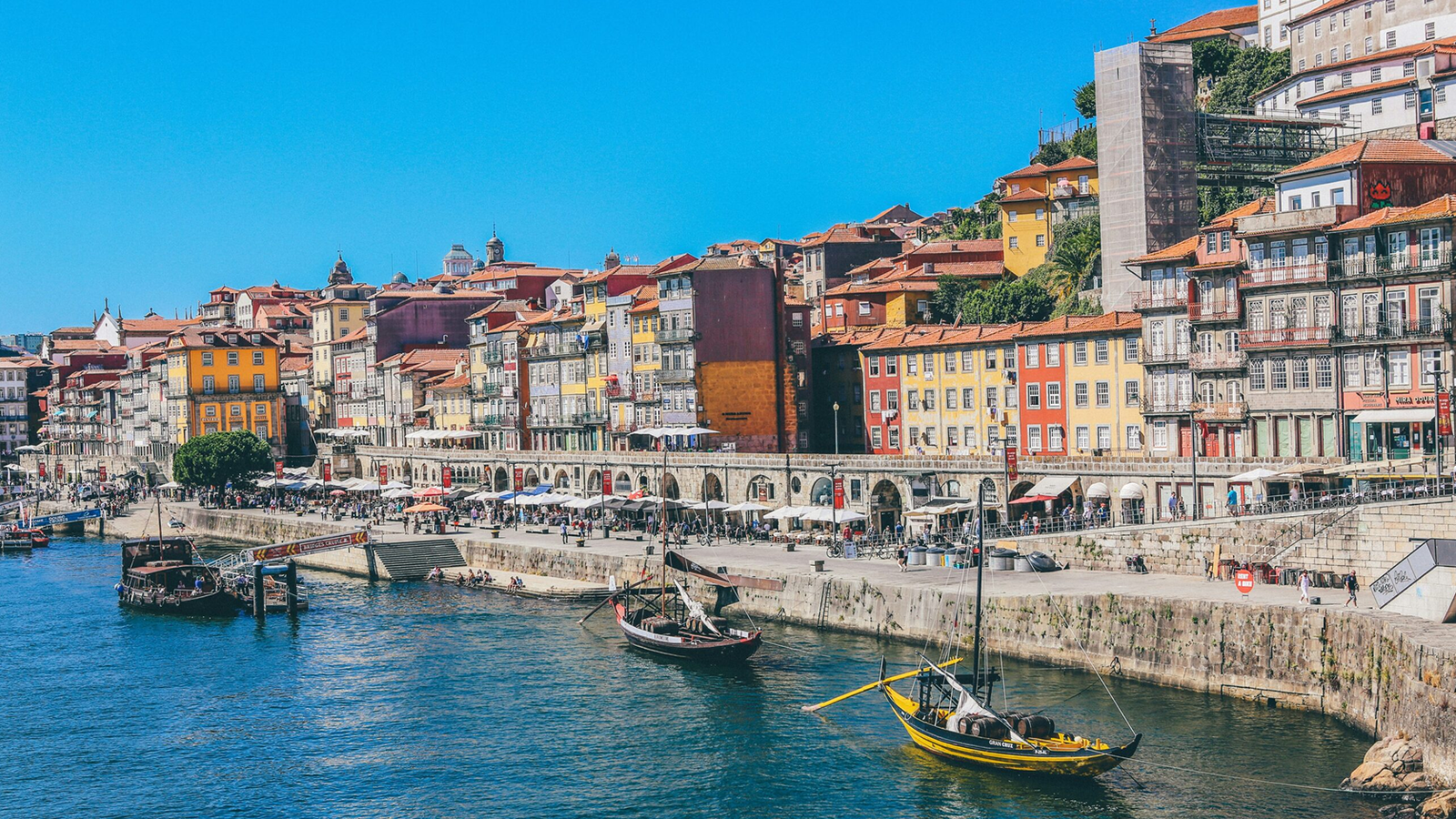
Portugal’s second city is arguably more charming than the capital to many visitors — steep riverside streets, Port wine cellars across the river in Vila Nova de Gaia, and the dramatic Dom Luís I Bridge connecting both banks.
3. Sintra
A fairytale hilltop town just outside Lisbon, packed with colorful palaces (Pena Palace’s yellow-and-red towers are the postcard shot) and the mysterious Quinta da Regaleira estate with its symbolic underground tunnels. Easily done as a day trip, though an overnight lets you beat the tour-bus crowds.
4. The Algarve (Lagos & Surroundings)
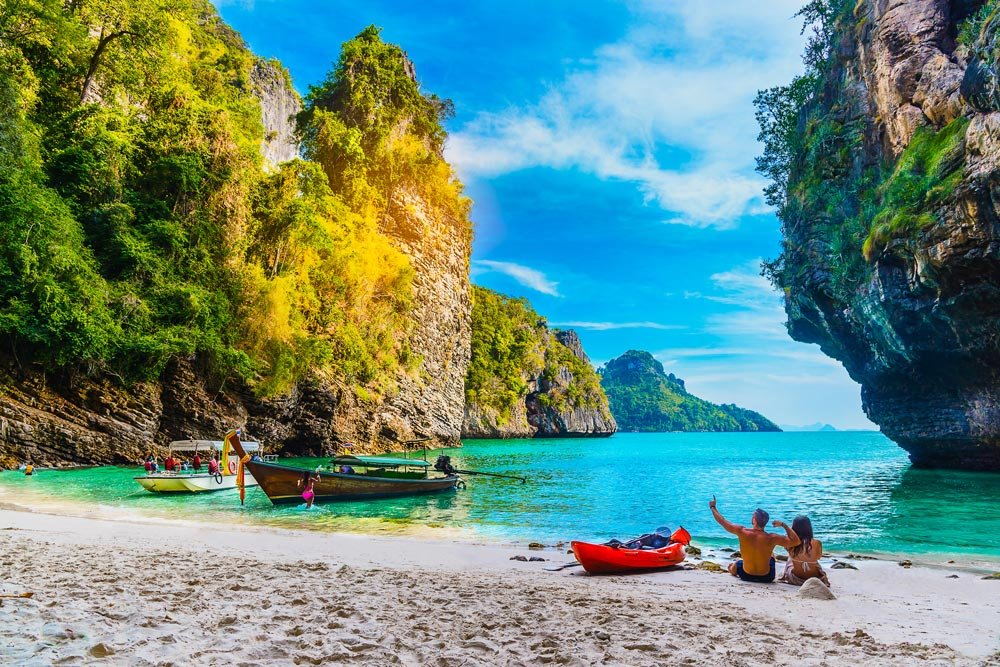
Portugal’s southern coast is defined by dramatic golden cliffs, hidden coves, and some of Europe’s most striking sea caves — Benagil Cave being the most photographed. Lagos makes a good base for exploring the coastline by boat or on foot.
5. Douro Valley
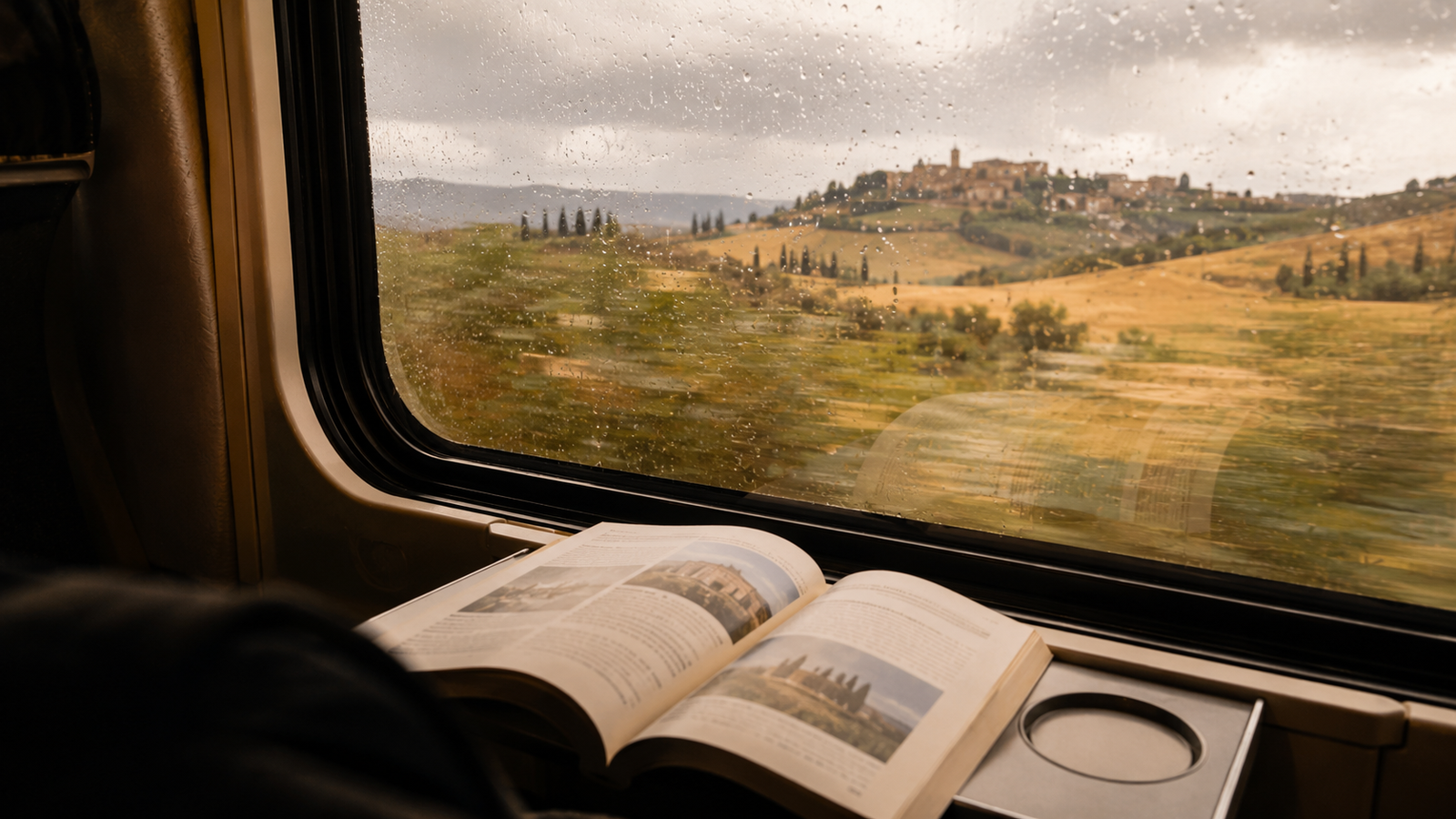
A UNESCO World Heritage wine region along the Douro River, where terraced vineyards climb steep hillsides in a way that looks almost engineered. Best explored slowly — by train, river cruise, or car — with plenty of quintas (wine estates) open for tastings.
6. Óbidos
A small, perfectly preserved medieval walled town north of Lisbon, known for its whitewashed houses with colorful trim and a full circuit of walkable town walls. Try ginjinha (Portuguese cherry liqueur), often served in a small chocolate cup here.
7. Évora
A UNESCO World Heritage city in the Alentejo region, home to a well-preserved Roman temple, a striking (if unsettling) Chapel of Bones, and some of Portugal’s best regional cuisine and wine — a good stop for travelers who want history without Lisbon’s crowds.
8. Coimbra
Home to one of Europe’s oldest universities, Coimbra’s steep, narrow streets and famously ornate Joanina Library make it a compelling stop for history and architecture lovers, roughly halfway between Lisbon and Porto.
9. Azores (São Miguel)
A volcanic archipelago in the middle of the Atlantic, worlds apart from mainland Portugal — think crater lakes, hot springs, and dramatic green cliffs. São Miguel, the largest island, is the easiest entry point and a strong choice for hikers and nature-focused travelers.
10. Madeira
Another Portuguese island escape, known for its dramatic mountain landscapes, levada (irrigation channel) hiking trails, and the lively capital, Funchal. A popular winter-sun destination given its mild year-round climate.
Suggested Itinerary Groupings
- First-timers with 7–10 days: Lisbon → Sintra (day trip) → Óbidos (day trip) → Porto → Douro Valley
- Coastal-focused trip: Lisbon → Algarve (Lagos) → optional extension to Madeira or the Azores
- Slower, culture-focused trip: Lisbon → Évora → Coimbra → Porto
Practical Tips
Portugal has quietly become one of Europe’s most in-demand destinations — and it’s easy to see why once you get past Lisbon. Medieval hilltop towns, dramatic Atlantic coastline, terraced vineyards, and some of the best-value food and wine in Western Europe are all packed into a country you can drive across in a day. Here are the 10 places worth building a trip around.
1. Lisbon
Portugal’s hilly, tile-covered capital rewards travelers willing to walk (or ride the historic Tram 28) — pastel buildings, miradouro viewpoints over the Tagus River, and a nightlife scene centered on Bairro Alto and the riverside. A natural first stop for almost any Portugal itinerary.
2. Porto
Portugal’s second city is arguably more charming than the capital to many visitors — steep riverside streets, Port wine cellars across the river in Vila Nova de Gaia, and the dramatic Dom Luís I Bridge connecting both banks.
3. Sintra
A fairytale hilltop town just outside Lisbon, packed with colorful palaces (Pena Palace’s yellow-and-red towers are the postcard shot) and the mysterious Quinta da Regaleira estate with its symbolic underground tunnels. Easily done as a day trip, though an overnight lets you beat the tour-bus crowds.
4. The Algarve (Lagos & Surroundings)
Portugal’s southern coast is defined by dramatic golden cliffs, hidden coves, and some of Europe’s most striking sea caves — Benagil Cave being the most photographed. Lagos makes a good base for exploring the coastline by boat or on foot.
5. Douro Valley
A UNESCO World Heritage wine region along the Douro River, where terraced vineyards climb steep hillsides in a way that looks almost engineered. Best explored slowly — by train, river cruise, or car — with plenty of quintas (wine estates) open for tastings.
6. Óbidos
A small, perfectly preserved medieval walled town north of Lisbon, known for its whitewashed houses with colorful trim and a full circuit of walkable town walls. Try ginjinha (Portuguese cherry liqueur), often served in a small chocolate cup here.
7. Évora
A UNESCO World Heritage city in the Alentejo region, home to a well-preserved Roman temple, a striking (if unsettling) Chapel of Bones, and some of Portugal’s best regional cuisine and wine — a good stop for travelers who want history without Lisbon’s crowds.
8. Coimbra
Home to one of Europe’s oldest universities, Coimbra’s steep, narrow streets and famously ornate Joanina Library make it a compelling stop for history and architecture lovers, roughly halfway between Lisbon and Porto.
9. Azores (São Miguel)
A volcanic archipelago in the middle of the Atlantic, worlds apart from mainland Portugal — think crater lakes, hot springs, and dramatic green cliffs. São Miguel, the largest island, is the easiest entry point and a strong choice for hikers and nature-focused travelers.
10. Madeira
Another Portuguese island escape, known for its dramatic mountain landscapes, levada (irrigation channel) hiking trails, and the lively capital, Funchal. A popular winter-sun destination given its mild year-round climate.
Suggested Itinerary Groupings
- First-timers with 7–10 days: Lisbon → Sintra (day trip) → Óbidos (day trip) → Porto → Douro Valley
- Coastal-focused trip: Lisbon → Algarve (Lagos) → optional extension to Madeira or the Azores
- Slower, culture-focused trip: Lisbon → Évora → Coimbra → Porto
Practical Tips
- Trains connect Lisbon, Porto, and Coimbra well; a car is more useful for the Algarve, Douro Valley, and Alentejo region.
- Shoulder season (April–May, September–October) offers the best balance of good weather and manageable crowds, especially in Lisbon and the Algarve.
- The Azores and Madeira require a separate flight from the mainland — budget an extra day on each end if adding either to a mainland itinerary.