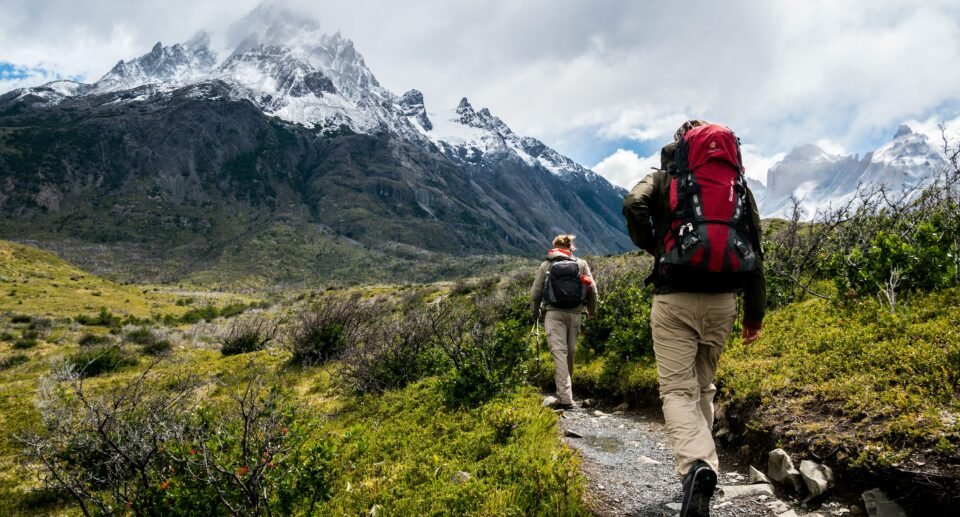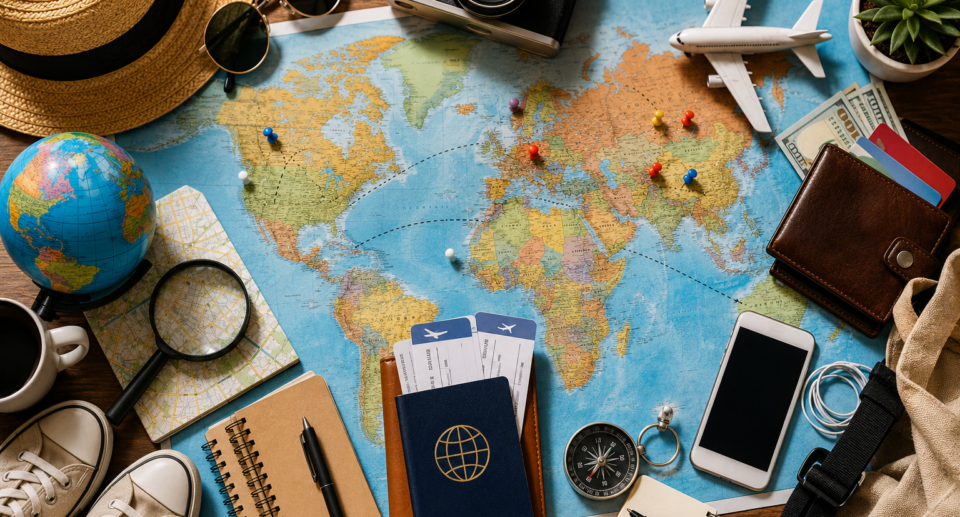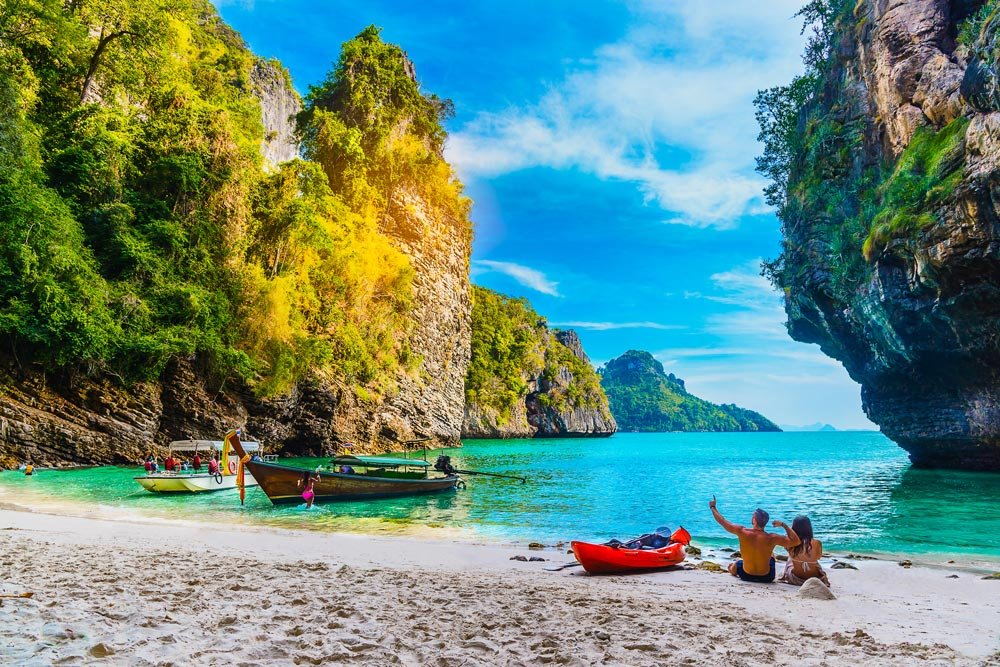
Whether you’re heading into the mountains, the jungle, or underwater, adventure travel demands smarter packing than a standard beach vacation. Here’s a complete checklist to make sure you’re prepared, without overpacking.
Clothing Essentials
- Moisture-wicking base layers — avoid cotton, which stays wet and cold once you start sweating
- A lightweight, packable insulating layer (fleece or down jacket) for cool mornings and evenings
- A waterproof, breathable shell jacket for rain and wind protection
- Quick-dry hiking pants that convert to shorts, if versatility matters for your trip
- Moisture-wicking hiking socks — bring more pairs than you think you need
- A buff or lightweight scarf for sun, dust, or cold protection
Footwear
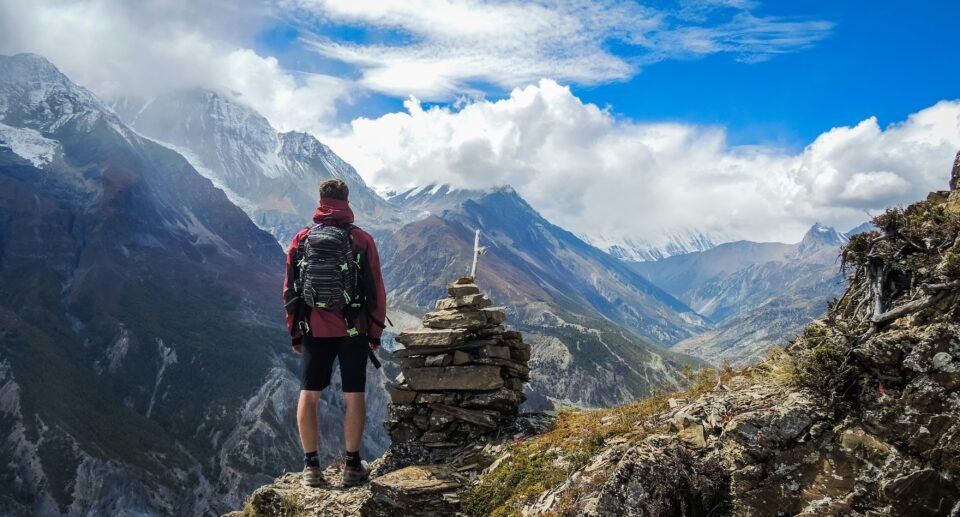
- Broken-in hiking boots or trail shoes — never wear brand-new boots on a big trek
- Camp shoes or sandals for evenings, to let your feet breathe after a long day
- Gaiters if you’re trekking through mud, snow, or scree
Gear Essentials
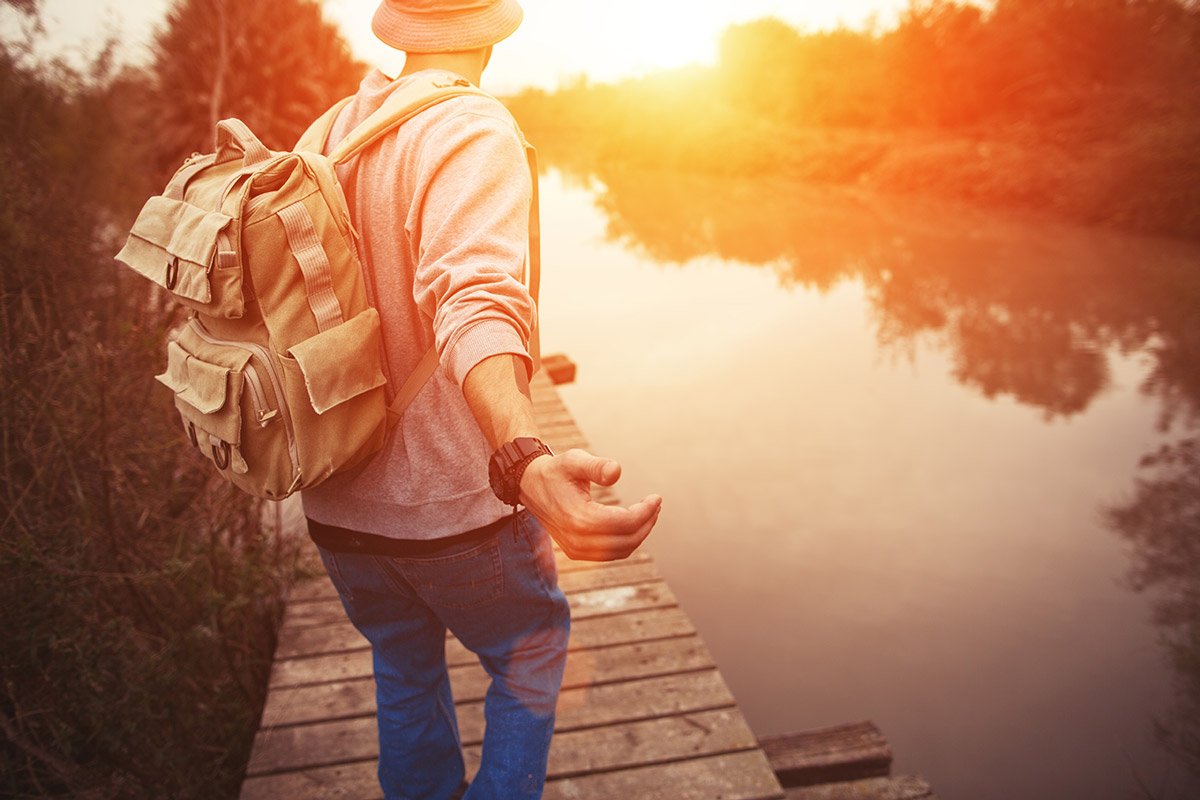
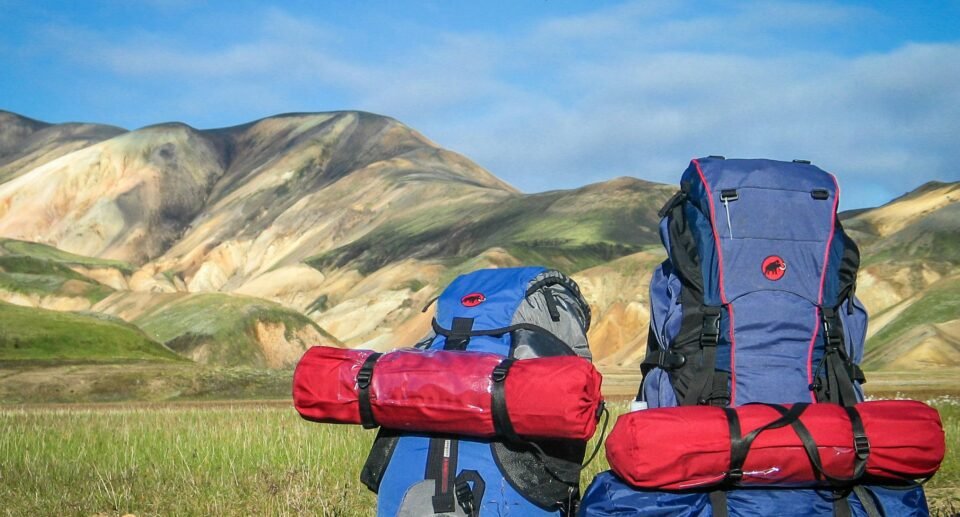
- A well-fitted daypack (20–35L) for day hikes, with a rain cover
- Trekking poles, especially valuable for steep descents and knee protection
- A reliable headlamp with spare batteries
- A water filter or purification tablets for destinations without reliable potable water
- A basic first-aid kit, including blister treatment, pain relievers, and any personal medications
Tech & Documentation
- A portable power bank for charging phones and cameras away from outlets
- Offline maps downloaded in advance, especially for remote trekking regions
- Copies of your passport, permits, and travel insurance, both digital and printed
Health & Safety
- Sunscreen and lip balm with SPF — UV exposure is often stronger at altitude
- Insect repellent, particularly important for jungle and lowland tropical destinations
- Any altitude sickness medication, discussed with your doctor before high-altitude treks
- Hand sanitizer and basic hygiene supplies, especially for remote areas with limited facilities
Activity-Specific Additions
For Trekking
A four-season sleeping bag liner (even if teahouses provide blankets), and a dry bag to keep essentials protected from rain.
For Scuba Diving
Your own mask and, if you have it, your own regulator — rental gear quality varies significantly by destination. Bring your certification card and logbook.
For Cold-Weather Adventure
Insulated, waterproof gloves, a warm hat, and thermal base layers rated for the specific temperatures you’ll encounter.
What to Leave at Home
- Excess cotton clothing — it dries slowly and provides poor insulation when wet
- Heavy, non-packable toiletries — opt for travel-sized, multi-use products instead
- Anything “just in case” that doesn’t serve a specific, likely-needed purpose — adventure travel rewards packing light
Frequently Asked Questions
How do I avoid overpacking for an adventure trip? Lay out everything you plan to bring, then remove at least 20%. Most first-time adventure travelers pack more than they actually use.
Should I rent or buy specialized gear? For one-off trips, renting (especially for items like sleeping bags or scuba gear) is often more practical than buying. For recurring adventure travel, investing in quality personal gear pays off over time.
What’s the single most overlooked packing item? A proper first-aid kit — many travelers assume they won’t need one until a blister or minor injury turns an otherwise great trip uncomfortable.
Final Thoughts
The right gear won’t make an adventure trip easy, but the wrong gear can absolutely make it miserable. Use this checklist as a starting point, then adjust based on your specific destination and activity.