Greece rewards travelers who go beyond Athens and Santorini — though both absolutely earn their reputation. Between thousands of islands, dramatic mainland landscapes, and ruins that predate most of recorded history, narrowing it down is genuinely difficult. Here are 20 places that consistently make the case for why Greece remains one of the most visually striking countries in Europe.
Islands
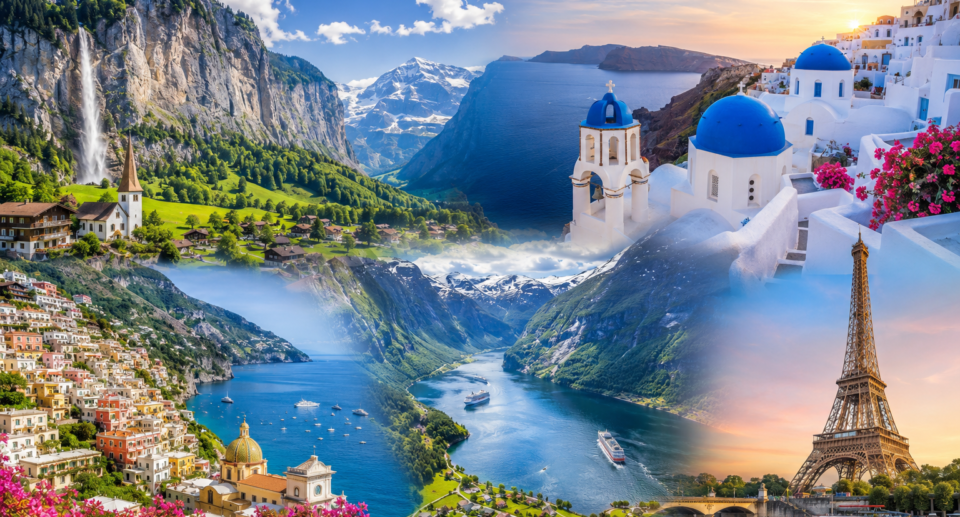
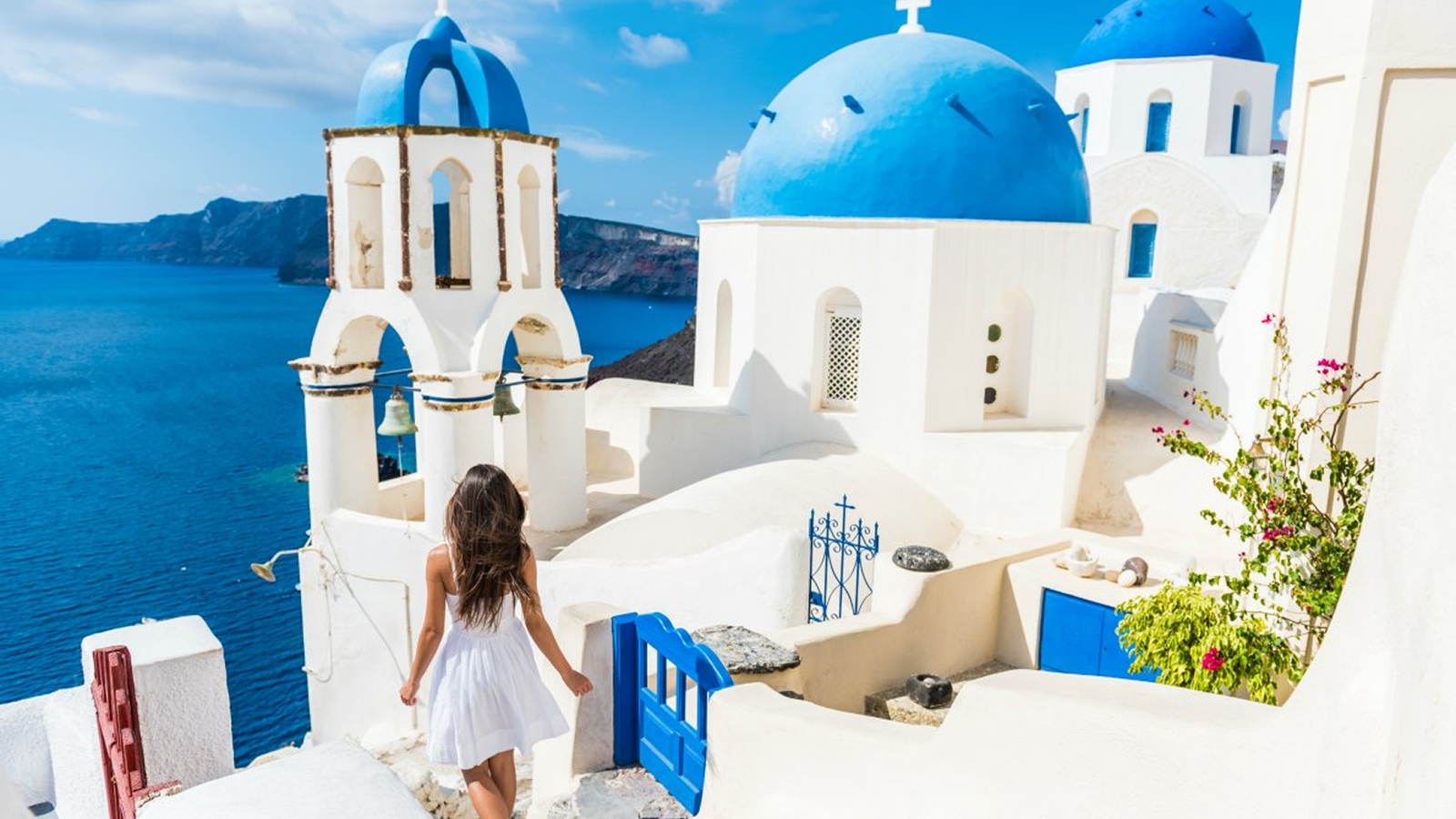
Santorini The postcard image of Greece — whitewashed, blue-domed churches perched on volcanic cliffs above the Aegean, especially striking at sunset from Oia.
Mykonos Known for its labyrinthine whitewashed old town, iconic windmills, and some of the Cyclades’ liveliest beach clubs and nightlife.
Crete Greece’s largest island, offering everything from the Minoan ruins at Knossos to the dramatic Samaria Gorge and some of the country’s best beaches at Elafonissi and Balos.
Zakynthos (Navagio/Shipwreck Beach) Home to one of the most photographed beaches in the world — a shipwreck resting on white sand, accessible only by boat, framed by towering limestone cliffs.
Milos Less crowded than Santorini or Mykonos, known for otherworldly lunar-like coastal rock formations and the striking Sarakiniko Beach.
Naxos The largest of the Cyclades, offering a mix of beaches, mountain villages, and the unfinished ancient Portara gate — quieter and less commercialized than its more famous neighbors.
Rhodes Home to a UNESCO-listed medieval old town, along with beaches and the dramatic Valley of the Butterflies.
Corfu A greener, more Venetian-influenced island than the Cyclades, with a well-preserved old town and dramatic coastal scenery, particularly around Paleokastritsa.
Hydra A car-free island near Athens, known for its preserved 19th-century stone architecture and donkeys as the primary mode of transport.
Symi A small Dodecanese island known for its pastel-colored neoclassical harbor houses, less visited than the larger islands but arguably just as visually striking.
Mainland & Ancient Sites
Athens (Acropolis) The Acropolis and Parthenon remain among the most significant ancient structures in the world, best appreciated at sunrise or sunset when the crowds thin and the light hits the marble.
Meteora Byzantine monasteries perched impossibly atop massive sandstone rock pillars in central Greece — one of the most visually surreal sights in the country.
Delphi Set on the slopes of Mount Parnassus, the ancient sanctuary considered the “navel of the world” in Greek mythology, with sweeping valley views alongside the ruins themselves.
Nafplio A well-preserved Venetian-era port town in the Peloponnese, often considered one of Greece’s most romantic small cities.
Zagorochoria (Zagori villages) A cluster of traditional stone villages in the Pindus Mountains, connected by dramatic stone bridges and near the Vikos Gorge, one of the deepest canyons in the world relative to its width.
Olympia The original site of the ancient Olympic Games, set in a peaceful valley in the Peloponnese, still visually evocative despite (or because of) the ruins.
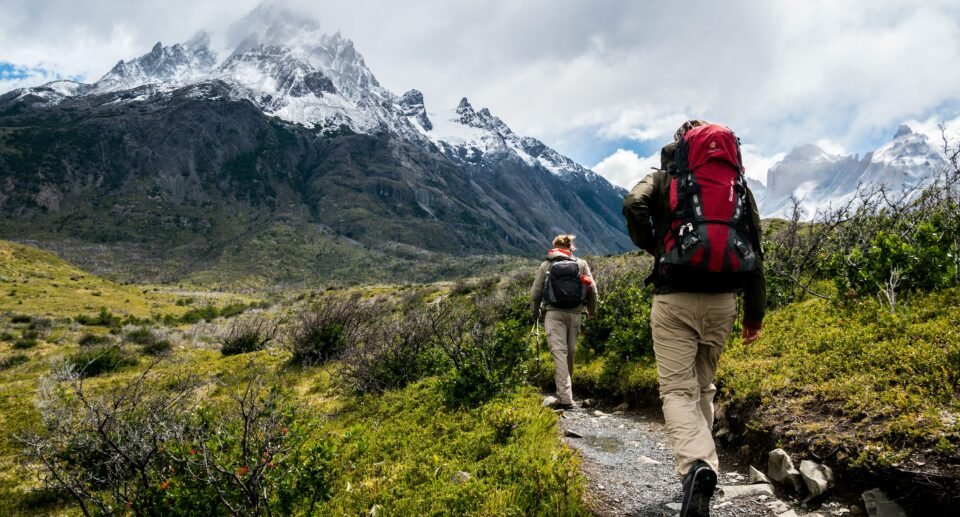
Mount Olympus Greece’s highest peak and the mythological home of the gods — a serious hiking destination for travelers wanting dramatic mountain scenery alongside the coastal highlights.
Pelion Peninsula A mountainous peninsula covered in traditional villages, apple orchards, and dramatic coastline where forested mountains meet the Aegean directly.
Vikos Gorge Part of the Zagori region, one of the deepest gorges in the world proportional to its width, with hiking trails offering some of Greece’s most dramatic landscape views.
Thessaloniki Greece’s second city, with a distinct Byzantine and Ottoman architectural layering less visited by international tourists than Athens, and a lively waterfront promenade.
Planning Tips
- Ferry connections between islands take real planning — routes and frequency vary significantly by season, and some island combinations require a return to Athens/Piraeus rather than direct inter-island connections.
- Shoulder season (May–June, September) offers the best balance of good weather and manageable crowds, especially on the more famous islands like Santorini and Mykonos.
- The mainland sites (Meteora, Delphi, Zagorochoria) are easily combined into one road trip if you’re not island-hopping, and see far fewer crowds than the Cyclades in peak summer.