Introduction
Portugal combines historic cities, Atlantic coastlines, vineyard-covered valleys, medieval towns and volcanic islands in a relatively compact country.
From the colorful streets of Lisbon and Porto to the beaches of the Algarve and the dramatic landscapes of Madeira and the Azores, Portugal offers a wide range of experiences for different types of travelers.
The country is also known for its distinctive architecture, seafood, pastries, wine and relaxed coastal atmosphere. Beyond the major cities, smaller destinations offer historic centers, scenic countryside and quieter experiences.
Whether you are planning a city break, beach holiday, road trip, food-focused journey or outdoor adventure, Portugal has destinations worth exploring throughout the year.
In this guide, we explore 25 of the best places to visit in Portugal in 2026, including famous cities, coastal destinations, islands, wine regions and charming towns.
Quick Comparison Table
| # | Destination | Region | Best For | Ideal Trip |
|---|---|---|---|---|
| 1 | Lisbon | Lisbon Region | Culture & architecture | City Break |
| 2 | Porto | Northern Portugal | Food & wine | City Break |
| 3 | Algarve | Southern Portugal | Beaches & coast | Beach Holiday |
| 4 | Madeira | Madeira | Nature & hiking | Outdoor Escape |
| 5 | Sintra | Lisbon Region | Palaces & history | Day Trip |
| 6 | Azores | Atlantic Islands | Nature & adventure | Island Escape |
| 7 | Douro Valley | Northern Portugal | Wine & scenery | Countryside |
| 8 | Coimbra | Central Portugal | History & culture | City Break |
| 9 | Évora | Alentejo | History & architecture | Cultural Escape |
| 10 | Cascais | Lisbon Region | Beaches & coastal life | Coastal Break |
| 11 | Óbidos | Central Portugal | Medieval streets | Historic Escape |
| 12 | Nazaré | Central Portugal | Beaches & surfing | Coastal Travel |
| 13 | Braga | Northern Portugal | Churches & culture | City Break |
| 14 | Aveiro | Central Portugal | Canals & architecture | Short Break |
| 15 | Lagos | Algarve | Beaches & cliffs | Coastal Escape |
| 16 | Tavira | Algarve | Historic town & beaches | Slow Travel |
| 17 | Guimarães | Northern Portugal | History & heritage | Cultural Trip |
| 18 | Funchal | Madeira | Food & nature | Island Break |
| 19 | Peniche | Central Portugal | Surfing & coast | Adventure |
| 20 | Serra da Estrela | Central Portugal | Mountains & nature | Outdoor Travel |
| 21 | Tomar | Central Portugal | History & architecture | Cultural Trip |
| 22 | Monsaraz | Alentejo | Village & countryside | Scenic Escape |
| 23 | Setúbal | Lisbon Region | Food & nature | Coastal Break |
| 24 | Viseu | Central Portugal | Wine & heritage | Slow Travel |
| 25 | Marvão | Alentejo | Castle & scenery | Hidden Gem |
How We Selected These Destinations
The destinations in this guide were selected to represent the variety of experiences available across Portugal.
We considered:
- Historic and cultural significance
- Architecture
- Beaches and coastal scenery
- Natural landscapes
- Food and wine
- Outdoor activities
- Island experiences
- Scenic road trips
- Photography opportunities
- Different travel styles
The list includes major cities alongside smaller towns and regions, allowing travelers to discover both Portugal’s famous attractions and destinations that can provide a quieter experience.
1. Lisbon
Lisbon is Portugal’s capital and one of Europe’s most distinctive historic cities. Its hills, tiled buildings, traditional trams and viewpoints create a recognizable urban landscape.
The city combines historic neighborhoods with contemporary restaurants, cultural attractions and a lively waterfront.
Why Visit Lisbon?
- Alfama
- Belém Tower
- Jerónimos Monastery
- São Jorge Castle
- Historic trams
- Portuguese cuisine
- Tagus River views
Best for: Culture, architecture, food, couples and city breaks.
2. Porto
Porto sits along the Douro River in northern Portugal and is particularly known for its historic center, riverfront architecture and port wine tradition.
The Ribeira district is one of the city’s most recognizable areas, while the surrounding wine region makes Porto a useful base for exploring northern Portugal.
Why Visit Porto?
- Ribeira
- Dom Luís I Bridge
- Port wine
- São Bento Station
- Historic architecture
- Douro River
- Portuguese cuisine
Best for: Food, wine, architecture and city breaks.
3. Algarve
The Algarve stretches along southern Portugal and is known for dramatic cliffs, sandy beaches, sea caves and coastal villages.
The region offers a variety of landscapes, from busy resort areas to quieter coastal communities and natural spaces.
Why Visit the Algarve?
- Atlantic beaches
- Dramatic cliffs
- Sea caves
- Coastal towns
- Fresh seafood
- Scenic viewpoints
- Water activities
Best for: Beach holidays, couples, families and coastal road trips.
4. Madeira
Madeira is a Portuguese island in the Atlantic known for mountainous landscapes, lush vegetation, dramatic cliffs and extensive hiking routes.
The island’s levada trails provide a distinctive way to explore its interior landscapes.
Why Visit Madeira?
- Mountain scenery
- Levada walks
- Coastal cliffs
- Hiking
- Botanical gardens
- Atlantic viewpoints
- Local cuisine
Best for: Hiking, nature, adventure and scenic escapes.
5. Sintra
Sintra is a historic town surrounded by wooded hills near Lisbon. It is famous for its palaces, gardens and distinctive architecture.
The colorful Pena Palace and the historic center make Sintra one of the most popular day trips from Lisbon.
Why Visit Sintra?
- Pena Palace
- Quinta da Regaleira
- Moorish Castle
- Historic center
- Forested hills
- Palaces and gardens
Best for: History, architecture, photography and day trips.
6. Azores
The Azores are a group of volcanic islands in the Atlantic Ocean known for crater lakes, green landscapes, hot springs and dramatic coastlines.
São Miguel is particularly popular for its combination of volcanic scenery, hiking and natural attractions.
Why Visit the Azores?
- Volcanic landscapes
- Crater lakes
- Hot springs
- Hiking
- Whale watching
- Coastal scenery
- Natural viewpoints
Best for: Nature, adventure, hiking and slow travel.
7. Douro Valley
The Douro Valley follows the Douro River through northern Portugal and is famous for terraced vineyards and wine production.
The landscape is particularly attractive from the river, scenic roads and viewpoints overlooking the vineyard-covered hills.
Why Visit the Douro Valley?
- Vineyards
- Wine estates
- River cruises
- Scenic landscapes
- Wine tasting
- Rural villages
- Countryside roads
Best for: Wine, food, scenery and countryside escapes.
8. Coimbra
Coimbra is a historic university city in central Portugal with a long cultural and academic tradition.
Its hilltop historic center includes the University of Coimbra, historic churches and narrow streets overlooking the Mondego River.
Why Visit Coimbra?
- University of Coimbra
- Historic old town
- Mondego River
- Historic architecture
- Traditional Portuguese culture
- Fado traditions
Best for: History, culture, architecture and short city breaks.
9. Évora
Évora is a historic city in Portugal’s Alentejo region and is recognized for its well-preserved historic center.
Roman, medieval and Renaissance influences can be seen throughout the city, while the surrounding Alentejo countryside provides opportunities for food and wine experiences.
Why Visit Évora?
- Roman Temple
- Historic center
- Chapel of Bones
- Cathedral
- Alentejo cuisine
- Regional wine
- Medieval streets
Best for: History, architecture, food and wine.
10. Cascais
Cascais is a coastal town near Lisbon known for beaches, waterfront promenades, historic buildings and access to the Atlantic coastline.
Its proximity to Lisbon makes it suitable for both day trips and longer coastal stays.
Why Visit Cascais?
- Atlantic beaches
- Historic center
- Marina
- Coastal walks
- Seafood restaurants
- Nearby natural landscapes
Best for: Beaches, couples, food and coastal breaks.
11. Óbidos
Óbidos is a small medieval town surrounded by historic walls and known for its whitewashed buildings and narrow streets.
Its compact historic center makes it easy to explore on foot.
Why Visit Óbidos?
- Medieval walls
- Historic center
- Whitewashed houses
- Castle
- Traditional shops
- Local food and drinks
Best for: History, photography, couples and short trips.
12. Nazaré
Nazaré is a coastal town on Portugal’s Atlantic coast that has become internationally known for its enormous waves.
Beyond surfing, the town offers beaches, traditional fishing culture and elevated viewpoints overlooking the Atlantic.
Why Visit Nazaré?
- Atlantic coastline
- Giant waves
- Beaches
- Lighthouse
- Fishing traditions
- Coastal viewpoints
Best for: Surfing, photography, beaches and coastal travel.
13. Braga
Braga is one of Portugal’s oldest cities and has a strong religious and architectural heritage.
The Sanctuary of Bom Jesus do Monte, with its monumental staircase, is one of the city’s best-known attractions.
Why Visit Braga?
- Bom Jesus do Monte
- Historic churches
- Braga Cathedral
- Historic center
- Portuguese culture
- Traditional cuisine
Best for: History, architecture and cultural travel.
14. Aveiro
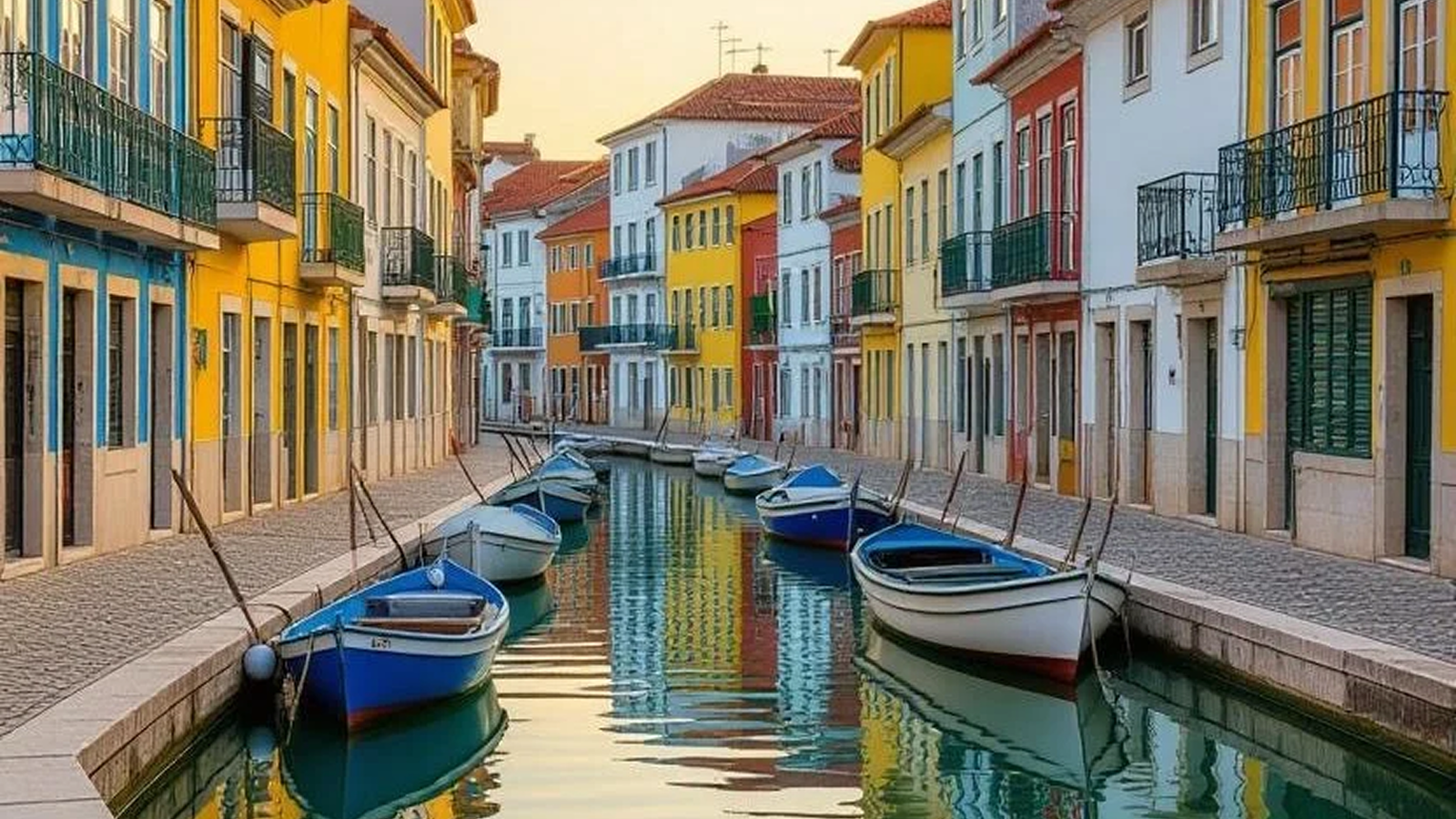
Aveiro is sometimes described as Portugal’s “Venice” because of its canals and traditional boats, although the city has its own distinctive character.
Colorful Art Nouveau buildings, local sweets and nearby coastal areas add to its appeal.
Why Visit Aveiro?
- Canals
- Traditional moliceiro boats
- Art Nouveau architecture
- Costa Nova
- Local cuisine
- Historic center
Best for: Short breaks, architecture, photography and families.
15. Lagos
Lagos is one of the Algarve’s most popular coastal destinations, surrounded by cliffs, beaches and rock formations.
Ponta da Piedade is particularly known for its dramatic coastal scenery and can be explored by boat or from viewpoints along the cliffs.
Why Visit Lagos?
- Ponta da Piedade
- Praia Dona Ana
- Coastal cliffs
- Boat trips
- Historic center
- Atlantic beaches
Best for: Beaches, couples, photography and coastal adventures.
16. Tavira
Tavira offers a quieter side of the Algarve, with historic streets, traditional architecture and access to beaches and natural landscapes.
The town’s location near the Ria Formosa area makes it useful for combining cultural exploration with coastal activities.
Why Visit Tavira?
- Historic center
- Roman bridge
- Traditional architecture
- Nearby beaches
- Ria Formosa
- Local restaurants
Best for: Slow travel, culture, couples and relaxed beach holidays.
17. Guimarães
Guimarães is closely associated with Portugal’s early history and has a beautifully preserved medieval center.
The city’s castle, palace and historic squares provide a strong introduction to northern Portuguese heritage.
Why Visit Guimarães?
- Guimarães Castle
- Palace of the Dukes
- Historic center
- Medieval streets
- Portuguese history
- Traditional cuisine
Best for: History, architecture and cultural travel.
18. Funchal
Funchal is Madeira’s capital and provides a convenient base for exploring the island.
The city combines a waterfront setting with markets, gardens, historic streets and access to Madeira’s mountain landscapes.
Why Visit Funchal?
- Mercado dos Lavradores
- Botanical gardens
- Waterfront
- Historic center
- Madeira cuisine
- Mountain excursions
Best for: Island travel, food, nature and city breaks.
19. Peniche
Peniche is a coastal town in central Portugal known for surfing, beaches and access to the Berlengas Islands.
Its location on a peninsula provides opportunities for coastal exploration and water activities.
Why Visit Peniche?
- Surfing
- Atlantic beaches
- Berlengas Islands
- Coastal cliffs
- Seafood
- Fishing culture
Best for: Surfing, adventure, beaches and seafood.
20. Serra da Estrela
Serra da Estrela is Portugal’s highest mountain range and offers a very different landscape from the country’s coastal destinations.
The region is known for hiking, mountain scenery, traditional villages and its distinctive local cheese.
Why Visit Serra da Estrela?
- Mountain landscapes
- Hiking
- Traditional villages
- Winter scenery
- Local cheese
- Scenic roads
Best for: Nature, hiking, road trips and winter travel.
21. Tomar
Tomar is a historic town in central Portugal best known for the Convent of Christ, a major monument associated with the Knights Templar.
The town also features a pleasant historic center and riverside areas.
Why Visit Tomar?
- Convent of Christ
- Knights Templar history
- Historic center
- Castle
- Nabão River
- Portuguese architecture
Best for: History, architecture and cultural travel.
22. Monsaraz
Monsaraz is a small fortified village in Portugal’s Alentejo region, positioned on a hill overlooking the surrounding countryside and Alqueva reservoir.
Its stone streets and traditional architecture create a distinctive rural atmosphere.
Why Visit Monsaraz?
- Medieval village
- Castle
- Alentejo countryside
- Alqueva views
- Local wine
- Stone architecture
Best for: Scenic escapes, wine, photography and slow travel.
23. Setúbal
Setúbal lies south of Lisbon and combines a historic center with beaches, seafood restaurants and access to the Arrábida Natural Park.
The region is also known for local wines and coastal landscapes.
Why Visit Setúbal?
- Arrábida Natural Park
- Beaches
- Fresh seafood
- Local markets
- Wine
- Sado Estuary
Best for: Food, nature, beaches and day trips.
24. Viseu
Viseu is a historic city in central Portugal surrounded by the wine-producing Dão region.
Its historic center, cathedral and surrounding countryside make it suitable for travelers looking for a slower-paced Portuguese experience.
Why Visit Viseu?
- Viseu Cathedral
- Historic center
- Dão wine region
- Local cuisine
- Museums
- Countryside
Best for: Wine, food, history and slow travel.
25. Marvão
Marvão is a small fortified village in the Alentejo region, positioned high in the Serra de São Mamede.
The elevated location provides wide views across the surrounding countryside, while the village itself features narrow stone streets and traditional architecture.
Why Visit Marvão?
- Marvão Castle
- Hilltop setting
- Historic streets
- Mountain views
- Traditional architecture
- Alentejo countryside
Best for: Hidden gems, photography, history and scenic escapes.
Best Places to Visit in Portugal by Travel Style
🏛️ Best for History & Architecture
- Lisbon
- Porto
- Sintra
- Évora
- Coimbra
- Braga
- Guimarães
- Tomar
- Óbidos
- Marvão
🏖️ Best for Beaches
- Algarve
- Lagos
- Cascais
- Nazaré
- Peniche
- Tavira
- Setúbal
- Madeira
🍷 Best for Food & Wine
- Porto
- Douro Valley
- Évora
- Viseu
- Setúbal
- Lisbon
- Algarve
🏔️ Best for Nature & Hiking
- Madeira
- Azores
- Serra da Estrela
- Algarve
- Peniche
- Setúbal
- Douro Valley
❤️ Best for Couples
- Sintra
- Porto
- Madeira
- Algarve
- Óbidos
- Cascais
- Tavira
- Monsaraz
📸 Best for Photography
- Lisbon
- Porto
- Sintra
- Madeira
- Douro Valley
- Nazaré
- Óbidos
- Monsaraz
- Marvão
🚗 Best for Road Trips
- Algarve
- Douro Valley
- Alentejo
- Madeira
- Serra da Estrela
- Central Portugal
Best Time to Visit Portugal
Spring — March to May
Spring is one of the most versatile periods for exploring Portugal. Temperatures are generally comfortable for city sightseeing, road trips and outdoor activities.
Best for:
- Lisbon
- Porto
- Sintra
- Algarve
- Madeira
- Alentejo
Summer — June to August
Summer is particularly popular for beach holidays. Coastal destinations can become busy, while inland Portugal can experience high temperatures.
Best for:
- Algarve
- Cascais
- Lagos
- Nazaré
- Madeira
- Azores
Autumn — September to November
Early autumn remains suitable for coastal travel, while September and October are particularly appealing for wine regions and countryside trips.
Best for:
- Douro Valley
- Porto
- Lisbon
- Algarve
- Alentejo
- Viseu
Winter — December to February
Winter is generally mild in much of Portugal compared with northern Europe. Madeira and the Algarve can be particularly attractive for travelers looking for relatively mild conditions.
Best for:
- Madeira
- Lisbon
- Algarve
- Porto
- Funchal
Tips for Planning a Portugal Trip in 2026
1. Combine Cities With Coastal Destinations
A Portugal itinerary can easily combine Lisbon with destinations such as Sintra and Cascais, or Porto with the Douro Valley.
2. Consider Renting a Car
A rental car can be useful for exploring the Algarve, Alentejo, Douro Valley and smaller inland towns.
3. Use Trains Between Major Cities
Portugal’s major cities are connected by rail, making trains practical for routes such as Lisbon–Porto and Lisbon–Coimbra.
4. Book Popular Summer Destinations Early
The Algarve, Madeira and other coastal destinations can experience strong demand during the summer months.
5. Explore Beyond Lisbon and Porto
Portugal’s smaller towns and regions offer some of the country’s most distinctive architecture, landscapes and food experiences.
6. Try Regional Specialties
Portuguese cuisine varies by region. Try seafood along the coast, wine in the Douro and Dão regions, and traditional dishes throughout the Alentejo.
7. Plan for Hills and Cobblestones
Historic Portuguese cities such as Lisbon, Porto and Évora often involve steep streets and uneven surfaces. Comfortable walking shoes are useful.
Frequently Asked Questions
What are the best places to visit in Portugal in 2026?
Lisbon, Porto, Algarve, Madeira, Sintra, the Azores and the Douro Valley are among the destinations offering a wide variety of experiences.
What is the best time to visit Portugal?
Spring and early autumn are versatile periods for sightseeing and road trips. Summer is particularly suited to beach holidays, while Madeira and parts of southern Portugal can work well for winter escapes.
What is the best city to visit in Portugal?
Lisbon and Porto are two of the country’s main city destinations, while Coimbra, Braga and Évora provide different historic and cultural experiences.
What is the best place in Portugal for beaches?
The Algarve is particularly well known for its beaches and dramatic coastline. Madeira, Cascais, Nazaré, Peniche and the islands of the Azores also offer coastal experiences.
What is the best place in Portugal for food and wine?
Porto, the Douro Valley, Alentejo, Viseu and Setúbal are particularly interesting for travelers focused on Portuguese food and wine.
Which Portuguese islands are best to visit?
Madeira and the Azores offer very different island experiences. Madeira is known for mountainous landscapes and hiking, while the Azores are particularly suited to volcanic scenery, nature and outdoor activities.
Is Portugal expensive to visit?
Costs vary by destination and season. Lisbon, Porto, the Algarve and popular islands can have higher prices during peak periods, while smaller inland destinations can offer different accommodation and dining options.
How many days are enough for Portugal?
A week can work well for a focused itinerary around Lisbon and nearby destinations or Porto and northern Portugal. Around two weeks allows travelers to combine several regions.
What are the best places in Portugal for a road trip?
The Algarve, Alentejo, Douro Valley, Serra da Estrela and central Portugal are particularly suitable for road trips, with scenic landscapes and smaller towns along the way.
What are some hidden gems in Portugal?
Marvão, Monsaraz, Tomar, Viseu and parts of the Alentejo region offer alternatives to Portugal’s busiest tourist destinations while still providing distinctive scenery and cultural experiences.
Conclusion
Portugal offers an impressive range of travel experiences within a relatively compact country. Its historic cities, Atlantic beaches, vineyard landscapes, medieval villages and volcanic islands provide plenty of options for different types of travelers.
For a classic Portuguese city experience, Lisbon and Porto are natural starting points. Travelers interested in beaches can explore the Algarve, Lagos, Cascais and Nazaré, while nature lovers can look toward Madeira, the Azores and Serra da Estrela.
Wine and food travelers can explore the Douro Valley, Alentejo, Viseu and Setúbal, while smaller destinations such as Óbidos, Monsaraz, Marvão and Tomar provide a quieter side of Portugal.
Rather than trying to see the entire country in one trip, choose destinations that match your interests and the season you plan to travel. With the right itinerary, Portugal can combine city culture, coastal scenery, food, wine and nature into one memorable European journey.