Introduction
Greece combines ancient history, Mediterranean islands, dramatic coastlines, mountain landscapes and traditional villages. From the historic streets of Athens to the whitewashed villages of the Cyclades and the beaches of Crete, the country offers a wide variety of travel experiences.
The Greek mainland is home to important archaeological sites, mountain regions and historic towns, while its many islands offer everything from quiet beaches and fishing villages to lively nightlife and luxury resorts.
Whether you are planning a first trip to Greece, an island-hopping adventure, a cultural journey or a relaxing beach holiday, choosing the right destinations can make a major difference to your itinerary.
In this guide, we explore 25 of the best places to visit in Greece in 2026, covering famous islands, historic cities, beaches, mountain destinations and lesser-known places.
Quick Comparison Table
| # | Destination | Region | Best For | Ideal Trip |
|---|---|---|---|---|
| 1 | Santorini | Cyclades | Views & sunsets | Couples |
| 2 | Athens | Attica | History & culture | City Break |
| 3 | Crete | Greek Islands | Beaches & history | Island Escape |
| 4 | Mykonos | Cyclades | Beaches & nightlife | Island Holiday |
| 5 | Corfu | Ionian Islands | Beaches & villages | Island Escape |
| 6 | Rhodes | Dodecanese | History & beaches | Island Holiday |
| 7 | Zakynthos | Ionian Islands | Beaches & scenery | Coastal Escape |
| 8 | Naxos | Cyclades | Beaches & culture | Island Escape |
| 9 | Paros | Cyclades | Villages & beaches | Island Holiday |
| 10 | Meteora | Central Greece | Monasteries & mountains | Nature & Culture |
| 11 | Thessaloniki | Northern Greece | Food & culture | City Break |
| 12 | Milos | Cyclades | Beaches & landscapes | Island Escape |
| 13 | Kefalonia | Ionian Islands | Nature & beaches | Coastal Travel |
| 14 | Delphi | Central Greece | Ancient history | Cultural Trip |
| 15 | Nafplio | Peloponnese | History & romance | City Break |
| 16 | Hydra | Saronic Islands | Architecture & slow travel | Island Escape |
| 17 | Skiathos | Sporades | Beaches & nature | Beach Holiday |
| 18 | Lefkada | Ionian Islands | Beaches & road trips | Coastal Escape |
| 19 | Chania | Crete | Old town & beaches | City Break |
| 20 | Symi | Dodecanese | Village scenery | Scenic Escape |
| 21 | Pelion | Thessaly | Mountains & coast | Nature |
| 22 | Monemvasia | Peloponnese | Medieval history | Historic Escape |
| 23 | Sifnos | Cyclades | Food & villages | Slow Travel |
| 24 | Karpathos | Dodecanese | Beaches & traditions | Island Escape |
| 25 | Mani Peninsula | Peloponnese | Coast & villages | Road Trip |
How We Selected These Destinations
The destinations in this guide were selected to represent the variety of experiences available across Greece.
We considered:
- Ancient and historical significance
- Island scenery
- Beaches and coastal landscapes
- Traditional villages
- Architecture
- Food and local culture
- Outdoor activities
- Mountain landscapes
- Photography opportunities
- Different travel styles
The list includes some of Greece’s best-known destinations alongside smaller islands, historic towns and mainland regions that can offer a quieter experience.
1. Santorini
Santorini is one of Greece’s most recognizable islands, known for whitewashed buildings, blue-domed churches and dramatic views over the Aegean Sea.
The villages of Oia and Fira sit along the island’s volcanic caldera and provide some of its most famous viewpoints.
Why Visit Santorini?
- Caldera views
- Oia
- Fira
- Aegean sunsets
- Volcanic landscapes
- Local wineries
- Mediterranean cuisine
Best for: Couples, photography, luxury travel and island escapes.
2. Athens
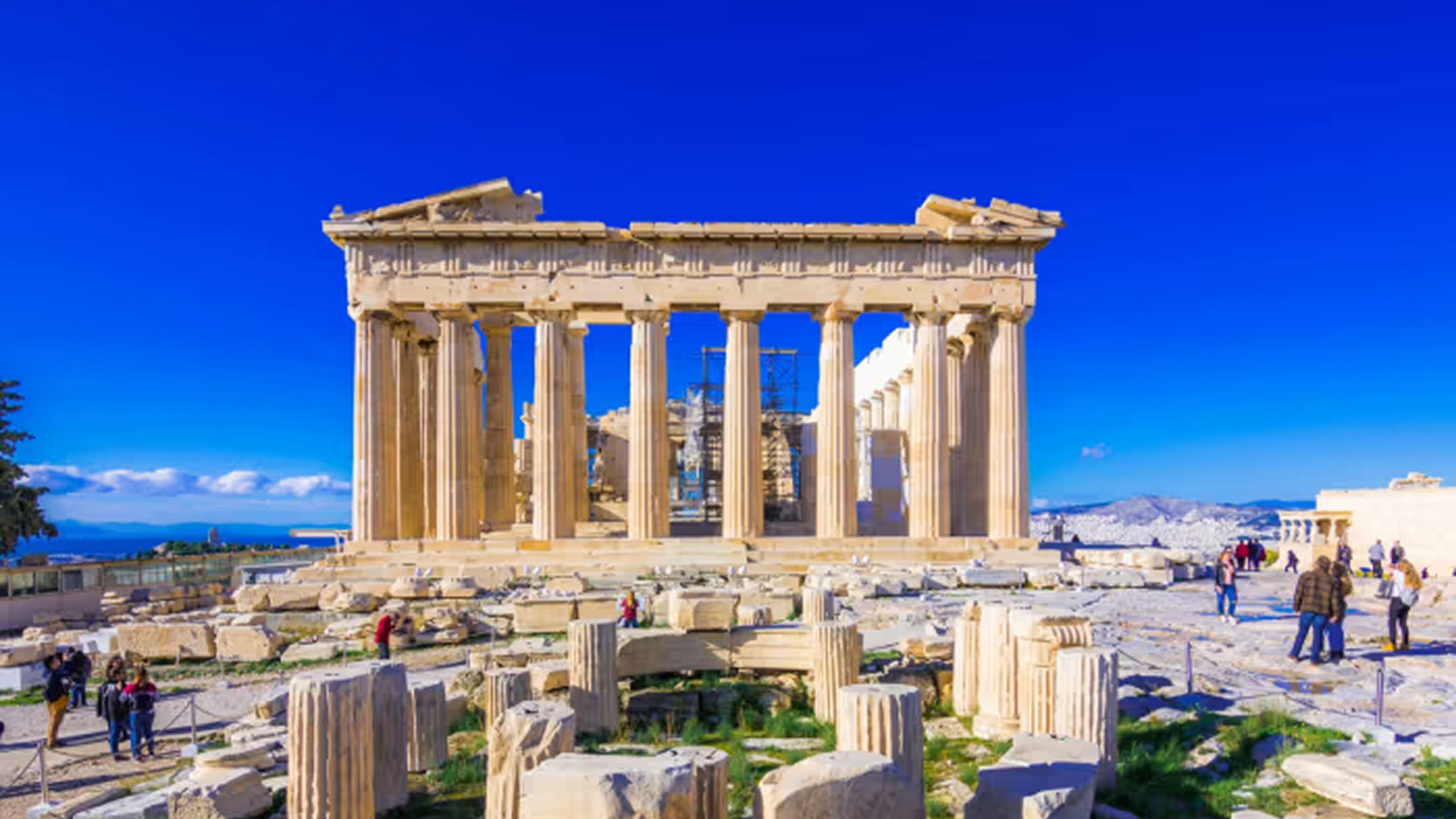
Athens combines ancient landmarks with a modern European capital. The Acropolis and Parthenon dominate the city’s historic landscape, while neighborhoods such as Plaka and Monastiraki offer traditional streets, restaurants and shops.
Athens is also a convenient starting point for exploring other parts of mainland Greece and nearby islands.
Why Visit Athens?
- Acropolis
- Parthenon
- Acropolis Museum
- Plaka
- Monastiraki
- Ancient Agora
- Greek cuisine
Best for: History, culture, food and city breaks.
3. Crete
Crete is Greece’s largest island and offers an impressive combination of beaches, mountains, archaeological sites and traditional villages.
The island has several distinct regions, each with its own landscapes and cultural traditions.
Why Visit Crete?
- Balos Beach
- Elafonissi
- Chania
- Heraklion
- Knossos
- Samaria Gorge
- Cretan cuisine
Best for: Beaches, history, food, hiking and road trips.
4. Mykonos
Mykonos is known for its whitewashed architecture, narrow streets, beaches and vibrant nightlife.
Beyond its famous beach clubs, the island also has traditional villages, windmills and waterfront restaurants.
Why Visit Mykonos?
- Mykonos Town
- Windmills
- Beaches
- Little Venice
- Beach clubs
- Mediterranean cuisine
Best for: Beaches, nightlife, couples and luxury travel.
5. Corfu
Corfu sits in the Ionian Sea and has a landscape of green hills, olive groves, beaches and historic settlements.
The island’s architecture also reflects its long Venetian influence, particularly in Corfu Town.
Why Visit Corfu?
- Corfu Old Town
- Venetian architecture
- Beaches
- Olive groves
- Coastal villages
- Boat trips
Best for: Beaches, history, families and relaxed island travel.
6. Rhodes
Rhodes combines medieval history with long stretches of coastline and Mediterranean landscapes.
The UNESCO-listed medieval city of Rhodes is one of the island’s main attractions, while coastal areas provide opportunities for swimming and water activities.
Why Visit Rhodes?
- Medieval City
- Palace of the Grand Master
- Lindos
- Beaches
- Ancient ruins
- Coastal scenery
Best for: History, beaches, families and island holidays.
7. Zakynthos
Zakynthos is known for dramatic cliffs, turquoise waters and scenic beaches. The island’s coastline is particularly suited to boat trips and exploring secluded coves.
Navagio Beach is one of the island’s best-known landmarks, although access conditions can vary by season.
Why Visit Zakynthos?
- Navagio area
- Blue Caves
- Turquoise waters
- Coastal cliffs
- Boat trips
- Marine life
Best for: Beaches, photography, boat trips and couples.
8. Naxos
Naxos combines long sandy beaches with mountain villages, agricultural landscapes and historic landmarks.
The island offers a more varied landscape than many smaller Cycladic islands and is well suited to travelers interested in both beaches and local culture.
Why Visit Naxos?
- Naxos Town
- Portara
- Sandy beaches
- Mountain villages
- Local cuisine
- Hiking
Best for: Families, beaches, food and island road trips.
9. Paros
Paros combines traditional Cycladic villages with beaches, harbors and a relaxed island atmosphere.
Naoussa and Parikia are two of the main places to explore, while smaller villages provide opportunities to experience a quieter side of the island.
Why Visit Paros?
- Naoussa
- Parikia
- Beaches
- Whitewashed architecture
- Fishing harbor
- Water activities
Best for: Couples, beaches, food and island escapes.
10. Meteora
Meteora is one of mainland Greece’s most distinctive landscapes, where historic monasteries are built on top of towering rock formations.
The combination of geological scenery and religious architecture makes Meteora different from Greece’s coastal destinations.
Why Visit Meteora?
- Cliff-top monasteries
- Dramatic rock formations
- Hiking
- Photography
- Religious heritage
- Mountain scenery
Best for: History, nature, photography and adventure.
11. Thessaloniki
Thessaloniki is Greece’s second-largest city and an important cultural and culinary destination in northern Greece.
The city combines Byzantine and Ottoman heritage with a lively waterfront and a strong food culture.
Why Visit Thessaloniki?
- White Tower
- Waterfront
- Byzantine monuments
- Ladadika
- Greek cuisine
- Local markets
Best for: Food, culture, history and city breaks.
12. Milos
Milos is known for its unusual volcanic landscapes, colorful fishing villages and beaches with distinctive rock formations.
The island’s coastline is particularly varied, making boat trips an effective way to explore some of its most remote areas.
Why Visit Milos?
- Sarakiniko Beach
- Kleftiko
- Volcanic coastline
- Fishing villages
- Boat excursions
- Clear waters
Best for: Beaches, photography, couples and nature.
13. Kefalonia
Kefalonia is the largest of the Ionian Islands and combines mountains, forests, caves and beaches.
Myrtos Beach is one of the island’s most recognizable coastal landscapes, while inland villages provide a different perspective on the island.
Why Visit Kefalonia?
- Myrtos Beach
- Melissani Cave
- Mount Ainos
- Coastal villages
- Boat trips
- Mediterranean cuisine
Best for: Nature, beaches, families and road trips.
14. Delphi
Delphi was one of the most important religious sites of ancient Greece and is set against the slopes of Mount Parnassus.
The archaeological site provides views across the surrounding mountains and valley.
Why Visit Delphi?
- Archaeological site
- Temple of Apollo
- Delphi Museum
- Mountain scenery
- Ancient Greek history
- Scenic viewpoints
Best for: History, archaeology and cultural travel.
15. Nafplio
Nafplio is a historic coastal town in the Peloponnese known for its neoclassical architecture, waterfront and hilltop fortresses.
Its compact center and nearby archaeological attractions make it suitable for a slower cultural escape.
Why Visit Nafplio?
- Palamidi Fortress
- Old Town
- Waterfront
- Bourtzi Castle
- Neoclassical architecture
- Nearby archaeological sites
Best for: Couples, history, architecture and weekend trips.
16. Hydra
Hydra is a small Saronic island known for its stone architecture, harbor and car-free historic center.
The absence of regular cars in the main settlement contributes to a slower atmosphere, with visitors exploring mostly on foot or by boat.
Why Visit Hydra?
- Historic harbor
- Stone houses
- Walking trails
- Art galleries
- Boat trips
- Quiet atmosphere
Best for: Couples, art, slow travel and photography.
17. Skiathos
Skiathos is one of the most popular islands in the Sporades and is known for its pine-covered landscape and sandy beaches.
The island offers a combination of beach relaxation, hiking and boat excursions.
Why Visit Skiathos?
- Koukounaries Beach
- Pine forests
- Boat trips
- Sandy coves
- Skiathos Town
- Coastal scenery
Best for: Beaches, families, nature and island holidays.
18. Lefkada
Lefkada is an Ionian island connected to mainland Greece by a causeway, making it particularly convenient for road trips.
The island is known for beaches, turquoise waters and mountainous landscapes.
Why Visit Lefkada?
- Porto Katsiki
- Egremni Beach
- Coastal viewpoints
- Mountain villages
- Water sports
- Scenic drives
Best for: Beaches, road trips, water sports and photography.
19. Chania, Crete
Chania is one of Crete’s most atmospheric cities, with a historic Venetian harbor, narrow streets and a mix of architectural influences.
It also provides easy access to beaches and other attractions across western Crete.
Why Visit Chania?
- Venetian harbor
- Old Town
- Lighthouse
- Local markets
- Cretan cuisine
- Nearby beaches
Best for: Culture, food, couples and coastal travel.
20. Symi
Symi is a small island in the Dodecanese known for its colorful neoclassical harbor buildings and surrounding hills.
The island’s compact scale and distinctive architecture make it particularly attractive for photography and relaxed exploration.
Why Visit Symi?
- Symi Town
- Neoclassical architecture
- Harbor views
- Small beaches
- Boat trips
- Quiet island atmosphere
Best for: Photography, couples and slow travel.
21. Pelion
Pelion is a mountainous peninsula in central Greece where forests, traditional villages and beaches meet.
The region offers a different experience from the country’s better-known island destinations, with opportunities for hiking and exploring mountain communities.
Why Visit Pelion?
- Mountain villages
- Forests
- Beaches
- Hiking
- Traditional architecture
- Scenic roads
Best for: Nature, hiking, road trips and slow travel.
22. Monemvasia
Monemvasia is a medieval fortified settlement built on a large rock connected to the mainland by a narrow causeway.
The old town features stone streets, historic buildings and views across the Myrtoan Sea.
Why Visit Monemvasia?
- Medieval old town
- Fortress
- Byzantine churches
- Sea views
- Stone architecture
- Historic atmosphere
Best for: History, couples, photography and cultural travel.
23. Sifnos
Sifnos is a Cycladic island known for traditional villages, beaches and a strong culinary tradition.
The island offers a quieter alternative to some of the busier Cycladic destinations while retaining the characteristic whitewashed architecture of the region.
Why Visit Sifnos?
- Traditional villages
- Beaches
- Greek cuisine
- Hiking trails
- Whitewashed architecture
- Local pottery
Best for: Food, slow travel, couples and culture.
24. Karpathos
Karpathos sits between Crete and Rhodes and combines beaches, mountains and traditional villages.
The island has retained many local traditions and offers a more relaxed experience away from some of Greece’s busiest destinations.
Why Visit Karpathos?
- Mountain villages
- Beaches
- Traditional culture
- Windsurfing
- Hiking
- Local cuisine
Best for: Beaches, culture, outdoor activities and slow travel.
25. Mani Peninsula
The Mani Peninsula in the southern Peloponnese is known for rugged coastlines, stone villages, fortified towers and mountainous landscapes.
Its winding roads make it particularly well suited to travelers interested in scenic road trips and exploring less-visited parts of Greece.
Why Visit Mani?
- Stone villages
- Coastal scenery
- Historic towers
- Mountain landscapes
- Scenic roads
- Traditional food
Best for: Road trips, history, photography and slow travel.
Best Places to Visit in Greece by Travel Style
🏛️ Best for History & Architecture
- Athens
- Rhodes
- Meteora
- Delphi
- Nafplio
- Monemvasia
- Thessaloniki
- Chania
🏖️ Best for Beaches
- Crete
- Mykonos
- Santorini
- Zakynthos
- Naxos
- Milos
- Kefalonia
- Lefkada
- Skiathos
- Karpathos
❤️ Best for Couples
- Santorini
- Paros
- Milos
- Hydra
- Nafplio
- Monemvasia
- Symi
🍽️ Best for Food
- Crete
- Thessaloniki
- Sifnos
- Naxos
- Athens
- Chania
- Corfu
🏔️ Best for Nature & Hiking
- Crete
- Meteora
- Pelion
- Kefalonia
- Lefkada
- Mani Peninsula
- Naxos
📸 Best for Photography
- Santorini
- Milos
- Meteora
- Symi
- Monemvasia
- Zakynthos
- Hydra
- Mani Peninsula
🚗 Best for Road Trips
- Crete
- Pelion
- Kefalonia
- Lefkada
- Mani Peninsula
- Naxos
Best Time to Visit Greece
Spring — March to May
Spring brings increasingly warm weather and is a useful period for exploring mainland Greece, archaeological sites and hiking destinations.
Best for:
- Athens
- Delphi
- Meteora
- Nafplio
- Crete
- Pelion
Summer — June to August
Summer is Greece’s main beach and island season. The islands and coastal areas are particularly popular, although the most famous destinations can become busy.
Best for:
- Santorini
- Mykonos
- Paros
- Naxos
- Crete
- Rhodes
- Zakynthos
Autumn — September to November
September and early October can provide warm conditions for island travel while temperatures gradually become more comfortable for sightseeing.
Best for:
- Crete
- Santorini
- Rhodes
- Athens
- Peloponnese
- Cycladic islands
Winter — December to February
Winter is quieter across many Greek islands, while Athens and mainland destinations remain suitable for cultural travel. Mountain areas can also experience winter conditions.
Best for:
- Athens
- Thessaloniki
- Delphi
- Meteora
- Mainland Greece
Tips for Planning a Greece Trip in 2026
1. Choose Your Islands Carefully
Greece has many islands, and each offers a different experience. Avoid trying to visit too many islands during a short trip.
2. Combine the Mainland With One or Two Islands
A combination such as Athens + Naxos + Santorini can provide a mix of history, beaches and island scenery without requiring constant transfers.
3. Book Summer Ferries Early
Ferries between popular islands can become busy during the peak summer months. Check schedules and book ahead when traveling during July and August.
4. Consider the Shoulder Seasons
May, June, September and early October can be useful periods for travelers who want warm weather while avoiding some of the busiest summer conditions.
5. Rent a Car on Larger Islands
A rental car can be useful in Crete, Rhodes, Kefalonia and other larger destinations where beaches, villages and natural attractions are spread across the island.
6. Explore Beyond the Famous Islands
Destinations such as Pelion, Mani, Monemvasia and Karpathos offer alternatives to the busiest tourist routes.
7. Allow Extra Time for Ferries
Ferry schedules can be affected by weather and seasonal changes. Leave some flexibility when connecting multiple islands.
Frequently Asked Questions
What are the best places to visit in Greece in 2026?
Santorini, Athens, Crete, Mykonos, Corfu, Rhodes, Naxos, Paros and Meteora are among the destinations offering a broad range of experiences.
What is the best time to visit Greece?
May, June, September and early October are versatile months for many parts of Greece. July and August are particularly popular for island and beach holidays.
Which Greek island is best for a first visit?
Santorini, Crete, Naxos, Paros and Corfu all offer different experiences. The right choice depends on whether you prioritize scenery, beaches, history, food or nightlife.
What are the best Greek islands for beaches?
Crete, Naxos, Milos, Zakynthos, Kefalonia, Lefkada and Skiathos are particularly known for their beaches and coastal landscapes.
What is the best Greek destination for history?
Athens is the most obvious starting point because of its ancient landmarks, while Delphi, Meteora, Rhodes and Monemvasia offer different historical experiences.
Which Greek islands are best for couples?
Santorini, Paros, Milos, Hydra and Symi are popular choices for couples because of their scenery, villages and coastal settings.
Is Greece expensive to visit?
Travel costs vary significantly by destination and season. Popular islands such as Santorini and Mykonos can be more expensive during peak summer, while mainland destinations and less-visited islands can offer different price ranges.
How many days are enough for Greece?
A week can work well for Athens combined with one or two nearby destinations. Around two weeks allows travelers to explore multiple islands or combine mainland Greece with island travel.
What are some hidden gems in Greece?
Monemvasia, Pelion, Mani, Sifnos, Symi and Karpathos offer alternatives to Greece’s most heavily visited destinations.
Is Greece good for a road trip?
Yes. Crete, the Peloponnese, Pelion, Kefalonia and parts of mainland Greece are particularly suitable for road trips, allowing travelers to reach smaller villages, beaches and scenic viewpoints.
Conclusion
Greece offers an extraordinary variety of destinations, from ancient cities and mountain landscapes to Mediterranean islands and quiet coastal villages.
For a classic first trip, Athens, Santorini and Crete provide a combination of history, island scenery and beaches. Travelers interested in nightlife and a lively island atmosphere can consider Mykonos, while those looking for quieter experiences may prefer Naxos, Sifnos, Hydra or Karpathos.
Beyond the islands, destinations such as Meteora, Delphi, Nafplio, Monemvasia and the Mani Peninsula show another side of Greece, with ancient sites, mountain scenery and historic settlements.
The best itinerary depends on your travel style and the time of year. Rather than trying to cover too many islands, choose a few destinations that complement each other and allow enough time to experience each place.