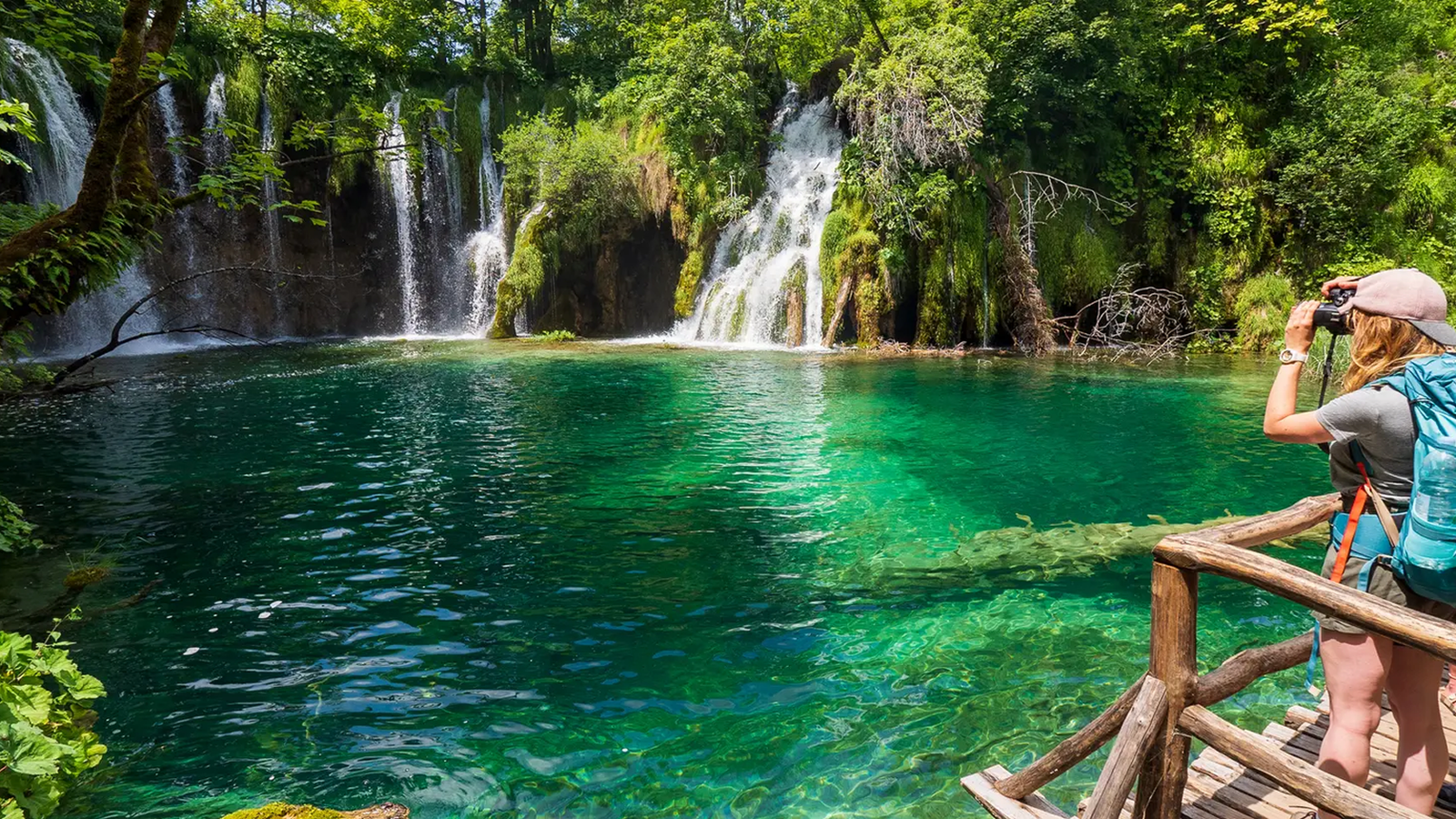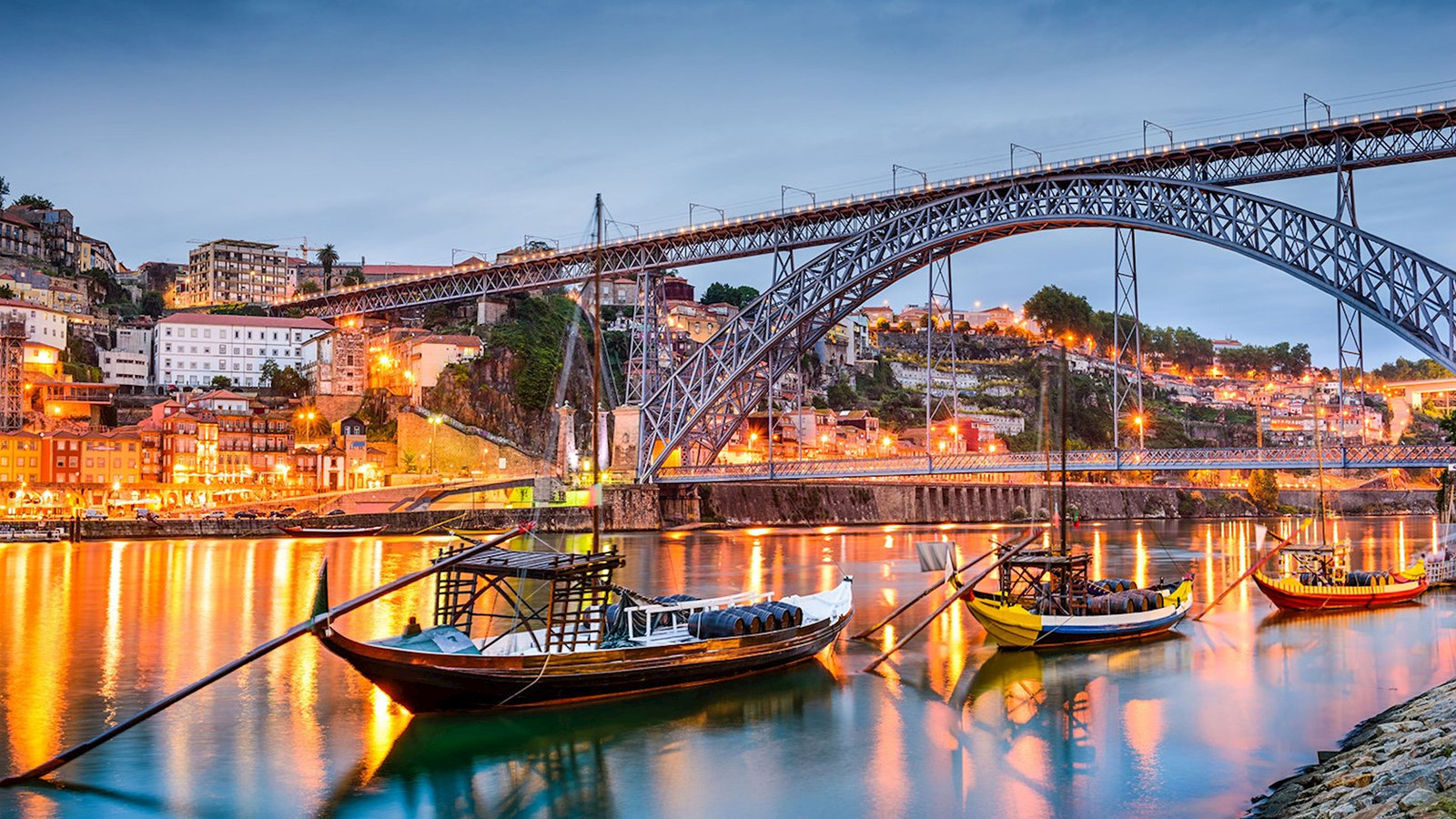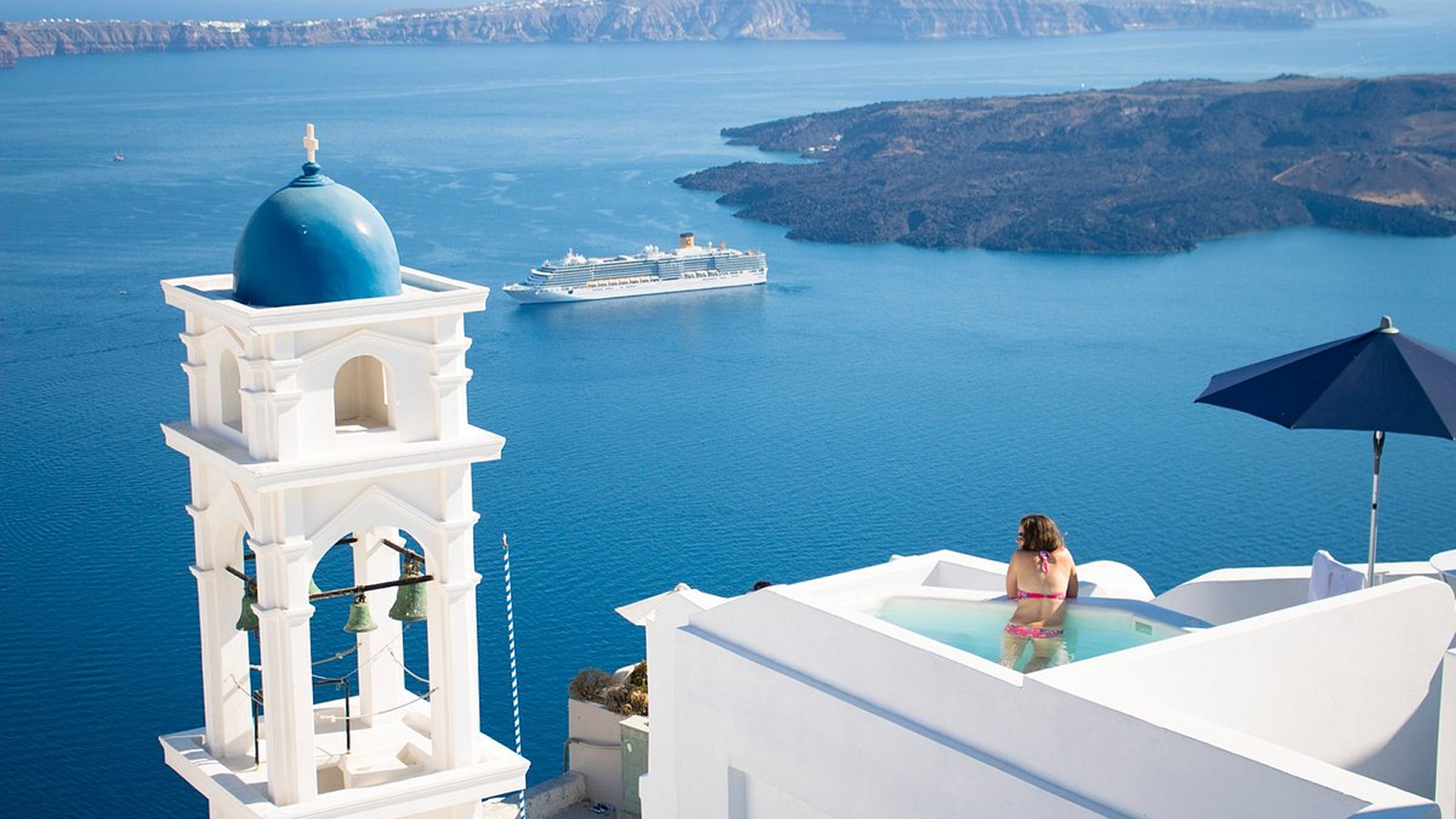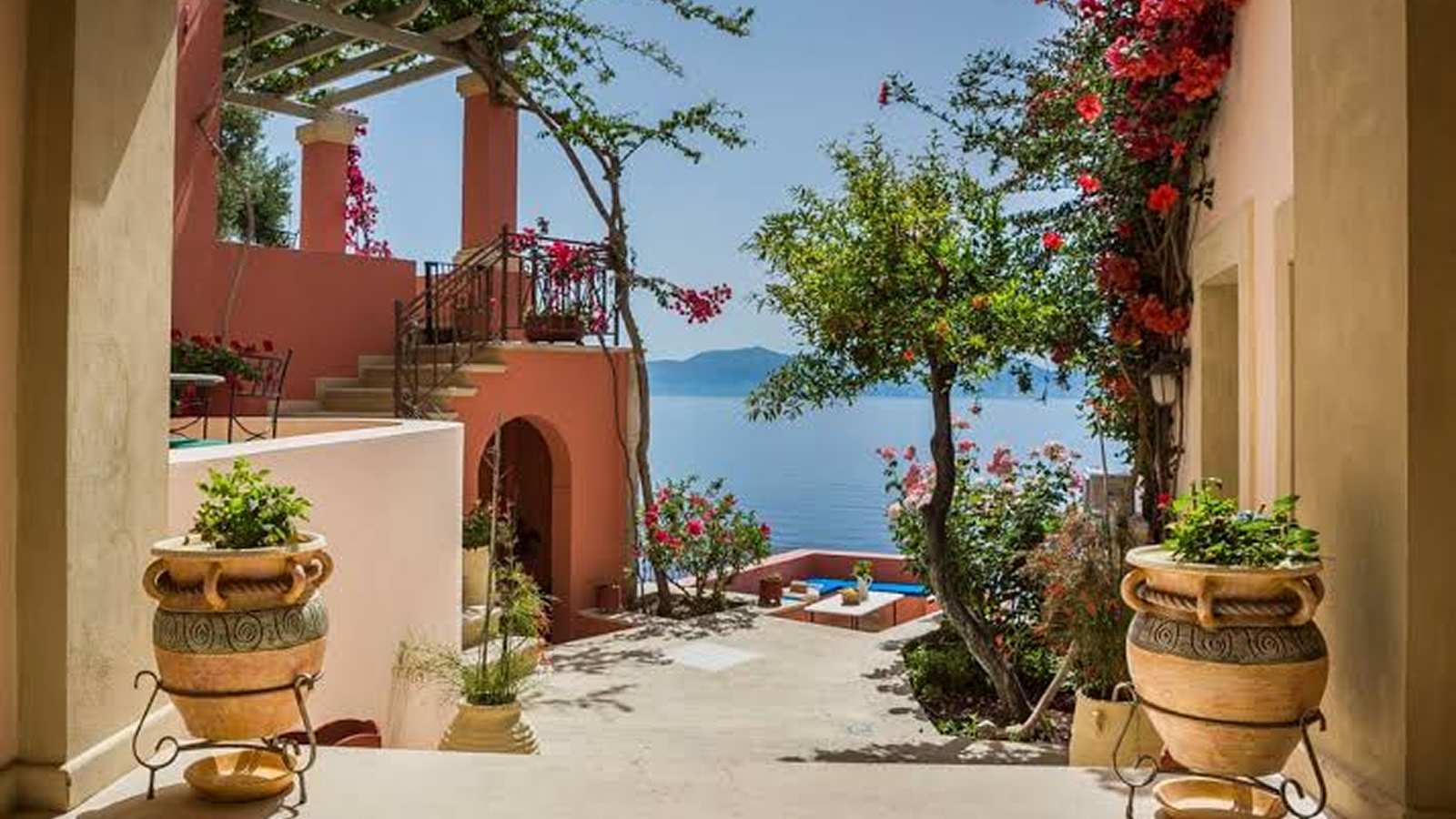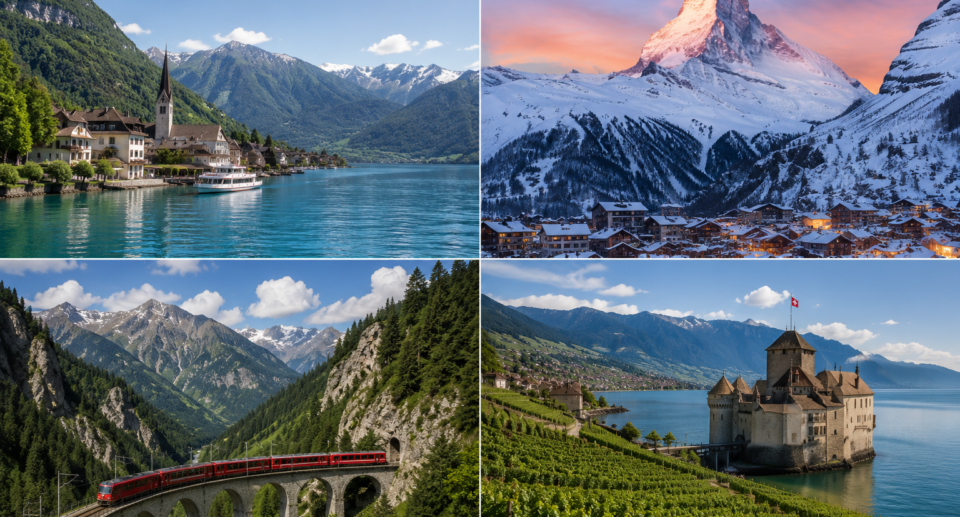
Slovenia may be one of Europe’s smaller countries, but its landscapes are remarkably diverse.
Within a relatively compact area, travelers can explore Alpine lakes, dramatic mountain valleys, emerald rivers, medieval towns, underground caves, vineyards and a short but beautiful Adriatic coastline.
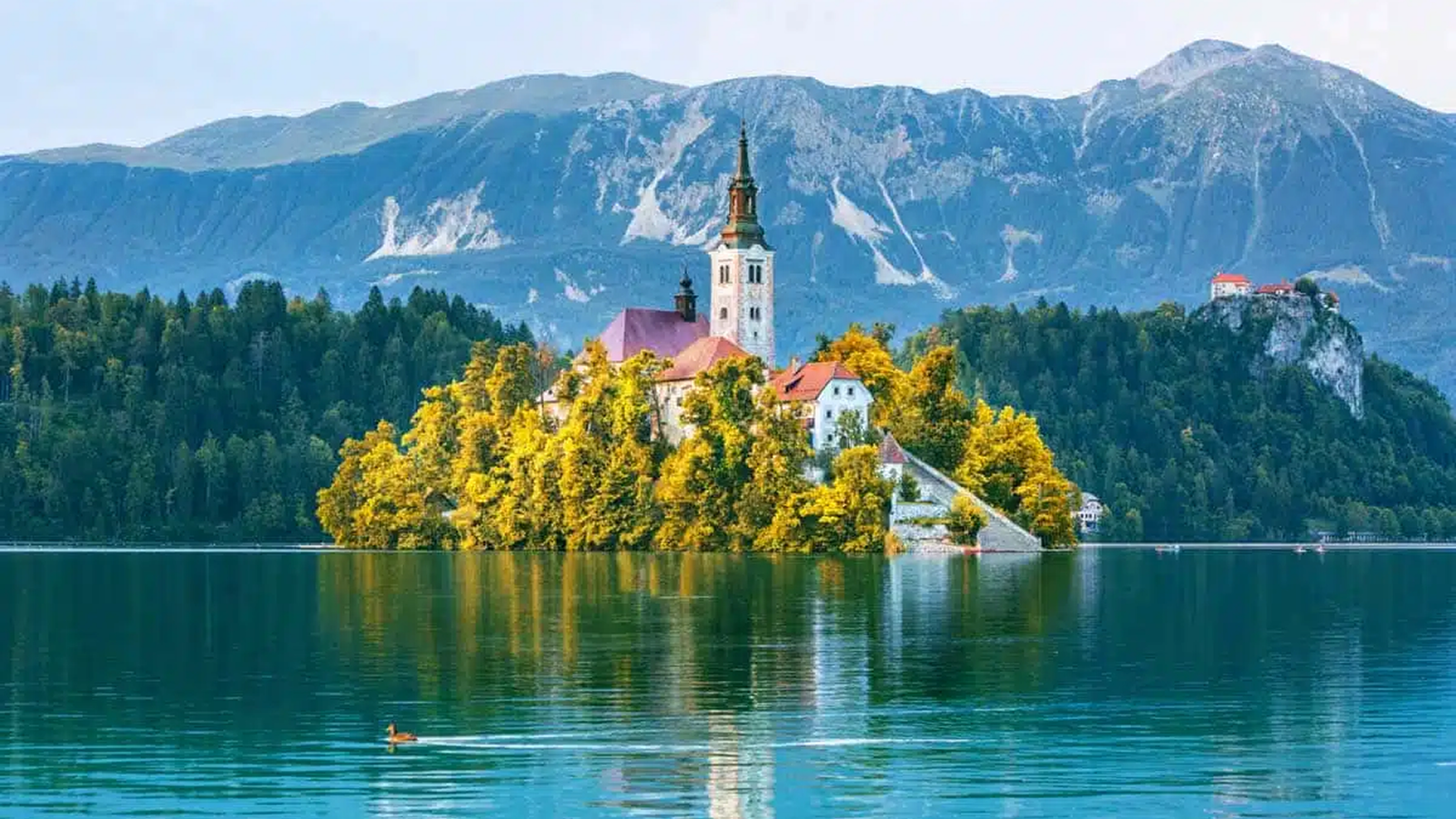
The country’s most famous destination is undoubtedly Lake Bled, with its island church and mountain backdrop. But Slovenia offers much more beyond Bled.
Lake Bohinj provides a quieter Alpine experience, Ljubljana combines historic architecture with a lively city atmosphere, while the Soča Valley is known for its vivid turquoise river and dramatic mountain scenery.
Further south, the Karst region hides enormous cave systems beneath the landscape. Along the Adriatic, Piran offers Venetian architecture and a completely different atmosphere from the country’s Alpine interior.
This guide explores 25 of the best places to visit in Slovenia in 2026, including famous destinations, national parks, historic towns, natural attractions and lesser-known places.
Slovenia at a Glance
| Destination | Region | Known For | Best For |
|---|---|---|---|
| Ljubljana | Central Slovenia | Old Town & castle | City breaks |
| Lake Bled | Upper Carniola | Island & lake | First-time visitors |
| Lake Bohinj | Julian Alps | Alpine lake | Nature |
| Soča Valley | Julian Alps | Emerald river | Adventure |
| Kranjska Gora | Upper Carniola | Mountains | Outdoor travel |
| Triglav National Park | Northwest Slovenia | Alps & hiking | Nature |
| Piran | Slovenian Coast | Venetian architecture | Couples |
| Portorož | Slovenian Coast | Seaside resort | Relaxation |
| Postojna Cave | Karst | Cave system | Families & nature |
| Predjama Castle | Karst | Cliffside castle | History |
| Škocjan Caves | Karst | Underground canyon | Nature |
| Maribor | Styria | Wine & old town | Food & wine |
| Ptuj | Styria | Historic center | History |
| Logar Valley | Savinja Alps | Alpine valley | Hiking |
| Velika Planina | Kamnik Alps | Mountain pastures | Nature |
| Kamnik | Central Slovenia | Medieval town | Culture |
| Bovec | Soča Valley | Outdoor activities | Adventure |
| Kobarid | Soča Valley | History & nature | Hiking |
| Radovljica | Upper Carniola | Old town | Food & culture |
| Škofja Loka | Upper Carniola | Medieval heritage | History |
| Novo Mesto | Dolenjska | River & wine | Wine |
| Vipava Valley | Western Slovenia | Vineyards | Food & wine |
| Brda | Western Slovenia | Hills & vineyards | Couples |
| Bohinjska Bistrica | Bohinj | Mountains & wellness | Outdoor travel |
| Izola | Slovenian Coast | Fishing heritage | Coastal travel |
Why Visit Slovenia?
Slovenia offers several travel experiences within a relatively short distance.
Alpine Landscapes
The Julian Alps dominate the northwest, with peaks, valleys, waterfalls and glacial lakes.
Lakes
Lake Bled is the country’s best-known lake, while Lake Bohinj provides a quieter natural setting.
Rivers
The Soča River is famous for its striking blue-green color and mountain surroundings.
Historic Towns
Ljubljana, Ptuj, Škofja Loka and Piran all showcase different parts of Slovenia’s history.
Caves
The Karst region contains some of Europe’s most remarkable underground cave systems.
Wine Regions
Vipava Valley, Brda and Styria are important wine-producing areas.
Adriatic Coast
Slovenia has a short coastline, but towns such as Piran, Izola and Portorož provide a Mediterranean contrast to the Alpine north.
25 Best Places to Visit in Slovenia
1. Ljubljana
Region: Central Slovenia
Ljubljana is the capital and one of Europe’s most walkable small capitals.
The historic center stretches along the Ljubljanica River and features colorful buildings, bridges, cafés and pedestrian streets.
Above the city stands Ljubljana Castle, offering panoramic views across the capital.
The city combines Central European architecture with a relaxed café culture and a strong connection to the river.
Don’t miss:
- Ljubljana Castle
- Prešeren Square
- Triple Bridge
- Central Market
- Tivoli Park
- Ljubljanica River
Best for: First-time visitors, culture, architecture and city breaks.
2. Lake Bled
Region: Upper Carniola
Lake Bled is Slovenia’s most recognizable destination.
The lake is surrounded by mountains and features a small island with the Church of the Mother of God on the Lake.
Above the lake stands Bled Castle, dramatically positioned on a rocky cliff.
Visitors can walk around the lake, take a traditional pletna boat to the island or explore viewpoints above the shoreline.
Don’t miss:
- Bled Island
- Bled Castle
- Lake Bled walking path
- Ojstrica viewpoint
- Traditional pletna boats
Best for: Couples, photography and first-time visitors.
3. Lake Bohinj
Region: Julian Alps
Lake Bohinj is Slovenia’s largest natural lake and lies within the Triglav National Park area.
Compared with Bled, Bohinj generally feels more immersed in nature.
Mountains rise directly around the lake, creating a spectacular Alpine setting.
The lake is ideal for swimming in summer and for hiking throughout the warmer months.
Don’t miss:
- Lake Bohinj
- Vogel cable car
- Savica Waterfall
- St. John the Baptist Church
- Bohinj hiking trails
Best for: Nature, hiking and peaceful escapes.
4. Soča Valley
Region: Western Slovenia
The Soča Valley is famous for the striking turquoise-green Soča River.
The river winds through the Julian Alps, passing dramatic gorges, bridges and forests.
The valley is also associated with World War I history and the wider Isonzo Front.
Don’t miss:
- Soča River
- Soča Gorge
- Bovec
- Kobarid
- Tolmin Gorges
Best for: Nature, adventure and road trips.
5. Kranjska Gora
Region: Upper Carniola
Kranjska Gora is one of Slovenia’s best-known mountain destinations.
The town is surrounded by the Julian Alps and serves as a base for hiking, cycling and winter sports.
Nearby Lake Jasna is particularly scenic, with mountain peaks reflected in its clear waters.
Don’t miss:
- Lake Jasna
- Vršič Pass
- Zelenci Nature Reserve
- Mountain trails
- Alpine villages
Best for: Hiking, skiing and outdoor activities.
6. Triglav National Park
Region: Northwest Slovenia
Triglav National Park is Slovenia’s only national park.
It encompasses a large part of the Julian Alps and includes mountains, valleys, forests, rivers and traditional settlements.
Mount Triglav, Slovenia’s highest mountain, gives the park its name.
The park offers hiking routes ranging from accessible valley walks to demanding mountain trails.
Don’t miss:
- Mount Triglav
- Lake Bohinj
- Vintgar Gorge
- Soča Valley
- Pokljuka Plateau
Best for: Hiking and mountain landscapes.
7. Piran
Region: Slovenian Coast
Piran is one of Slovenia’s most picturesque coastal towns.
The historic center extends into the Adriatic and features narrow streets, Venetian-style architecture and a waterfront promenade.
The town’s compact scale makes it easy to explore on foot.
Don’t miss:
- Tartini Square
- St. George’s Cathedral
- Piran waterfront
- Town walls
- Cape Madona
Best for: Couples, architecture and coastal escapes.
8. Portorož
Region: Slovenian Coast
Portorož is Slovenia’s best-known seaside resort.
Unlike historic Piran, Portorož has a more modern resort atmosphere with hotels, restaurants, beaches and wellness facilities.
It works particularly well for travelers who want to combine sightseeing with relaxation.
Don’t miss:
- Seafront promenade
- Beaches
- Wellness centers
- Nearby Piran
- Coastal cycling routes
Best for: Relaxation, wellness and beach holidays.
9. Postojna Cave
Region: Karst
Postojna Cave is one of Slovenia’s most famous underground attractions.
The cave system extends deep beneath the Karst landscape and includes enormous chambers, rock formations and underground passages.
A cave railway forms part of the visitor experience.
Don’t miss:
- Underground chambers
- Cave formations
- Cave railway
- Karst landscapes
Best for: Families, nature and geology.
10. Predjama Castle
Region: Karst
Predjama Castle is one of Slovenia’s most unusual historic landmarks.
The castle is built directly into a dramatic limestone cliff, creating an extraordinary combination of architecture and natural landscape.
The location makes it easy to combine with a visit to Postojna Cave.
Don’t miss:
- Castle interior
- Cliffside architecture
- Cave passages
- Surrounding Karst landscape
Best for: History, architecture and photography.
11. Škocjan Caves
Region: Karst
Škocjan Caves are among Slovenia’s most impressive natural attractions.
The underground system contains a huge canyon carved by the Reka River.
The caves demonstrate the geological processes that helped give the wider Karst region its name.
Don’t miss:
- Underground canyon
- Reka River
- Cave chambers
- Karst landscape
Best for: Geology, nature and adventure.
12. Maribor
Region: Styria
Maribor is Slovenia’s second-largest city and an important wine destination.
The city lies along the Drava River and has a historic center filled with squares, churches and traditional architecture.
It is particularly known for its wine culture and the Old Vine, associated with the world’s oldest productive grapevine.
Don’t miss:
- Old Vine
- Lent district
- Main Square
- Maribor Castle
- Wine cellars
Best for: Wine, food and culture.
13. Ptuj
Region: Styria
Ptuj is one of Slovenia’s oldest towns.
The historic settlement is dominated by Ptuj Castle, which sits above the town.
Its old streets and traditional architecture make it a rewarding stop for travelers interested in Slovenia’s history.
Don’t miss:
- Ptuj Castle
- Historic center
- Drava River
- Regional museums
- Traditional festivals
Best for: History and culture.
14. Logar Valley
Region: Savinja Alps
Logar Valley is one of Slovenia’s most beautiful Alpine valleys.
The valley is surrounded by dramatic limestone peaks and green meadows.
A scenic road leads through the valley, while hiking and cycling routes provide opportunities to explore the surrounding landscape.
Don’t miss:
- Logar Valley
- Rinka Waterfall
- Alpine meadows
- Mountain trails
- Traditional farms
Best for: Nature, hiking and photography.
15. Velika Planina
Region: Kamnik Alps
Velika Planina is famous for its traditional shepherd settlements.
The high-altitude plateau is covered with wooden huts and Alpine pastures during the warmer months.
Walking through the settlement offers a glimpse into a traditional mountain lifestyle.
Don’t miss:
- Shepherd huts
- Alpine pastures
- Cable car
- Mountain trails
- Traditional architecture
Best for: Culture, hiking and mountain scenery.
16. Kamnik
Region: Central Slovenia
Kamnik is a historic medieval town at the foot of the Kamnik-Savinja Alps.
The old center contains colorful buildings, churches and historic squares.
The surrounding mountains provide opportunities for hiking and outdoor activities.
Don’t miss:
- Old Town
- Mali Grad
- Zaprice Castle
- Kamnik Alps
- Nearby Velika Planina
Best for: History and mountain travel.
17. Bovec
Region: Soča Valley
Bovec is one of Slovenia’s main adventure destinations.
The town is surrounded by mountains and provides access to activities on and around the Soča River.
Popular experiences include rafting, kayaking, hiking, canyoning and cycling.
Don’t miss:
- Soča River
- Boka Waterfall
- Kanin area
- Outdoor adventure routes
- Mountain trails
Best for: Adventure and outdoor activities.
18. Kobarid
Region: Soča Valley
Kobarid is surrounded by dramatic mountain landscapes and is strongly connected to World War I history.
The Kobarid Museum explores the history of the Isonzo Front, while nearby natural attractions include the Soča River and Kozjak Waterfall.
Don’t miss:
- Kozjak Waterfall
- Kobarid Museum
- Napoleon Bridge
- Soča River
- Historical trails
Best for: History, hiking and nature.
19. Radovljica
Region: Upper Carniola
Radovljica is a small historic town near the Julian Alps.
Its old center is particularly attractive, with colorful facades and a preserved medieval layout.
The town also has a strong connection to beekeeping and honey production.
Don’t miss:
- Linhart Square
- Beekeeping Museum
- Historic center
- Alpine views
Best for: Culture, food and quiet town experiences.
20. Škofja Loka
Region: Upper Carniola
Škofja Loka is one of Slovenia’s best-preserved medieval towns.
Its historic center features traditional houses, bridges and narrow streets beneath the castle.
The town is close enough to Ljubljana to work as a day trip but also rewards a slower visit.
Don’t miss:
- Škofja Loka Castle
- Old Town
- Capuchin Bridge
- Mestni Trg
Best for: History and architecture.
21. Novo Mesto
Region: Dolenjska
Novo Mesto is located on a bend of the Krka River in southeastern Slovenia.
The surrounding region is known for vineyards and rolling countryside.
The town provides a different perspective on Slovenia away from the Alpine north.
Don’t miss:
- Krka River
- Historic center
- Dolenjska Museum
- Surrounding vineyards
Best for: Wine, countryside and culture.
22. Vipava Valley
Region: Western Slovenia
Vipava Valley is one of Slovenia’s most attractive wine regions.
Vineyards cover the rolling landscape between mountains, villages and historic settlements.
The valley is particularly interesting for travelers who want to combine wine tasting with cycling, food and scenic drives.
Don’t miss:
- Vipava
- Vineyards
- Wine estates
- Local cuisine
- Scenic villages
Best for: Food, wine and countryside.
23. Brda
Region: Western Slovenia
Brda lies close to the Italian border and is often described as Slovenia’s wine-growing heartland.
The landscape features rolling hills, vineyards, orchards and small villages.
Spring brings blossoms to the countryside, while autumn transforms the vineyards during harvest.
Don’t miss:
- Šmartno
- Dobrovo Castle
- Vineyards
- Wine estates
- Countryside viewpoints
Best for: Couples, wine and slow travel.
24. Bohinjska Bistrica
Region: Bohinj
Bohinjska Bistrica is the largest settlement in the Bohinj Valley.
It provides access to Lake Bohinj, the Julian Alps and surrounding outdoor activities.
The town is also a useful base for travelers who want a quieter alternative to staying directly beside the lake.
Don’t miss:
- Lake Bohinj
- Bohinj Railway
- Sava Bohinjka River
- Mountain trails
- Local wellness facilities
Best for: Outdoor travel and longer stays.
25. Izola
Region: Slovenian Coast
Izola is a historic coastal town with a strong fishing tradition.
Its old center is built around a former island and contains narrow streets, small squares and waterfront restaurants.
It offers a quieter coastal alternative to Piran and Portorož.
Don’t miss:
- Old Town
- Marina
- Waterfront
- Fishing heritage
- Coastal cycling
Best for: Coastal travel and local atmosphere.
Best Places for Nature & Mountains
Slovenia is particularly rewarding for travelers who enjoy outdoor landscapes.
Triglav National Park
The country’s primary Alpine protected area.
Lake Bohinj
An excellent base for mountain scenery and hiking.
Soča Valley
Ideal for river landscapes and outdoor adventures.
Logar Valley
One of the country’s most dramatic Alpine valleys.
Velika Planina
Combines mountain scenery with traditional shepherd culture.
Kranjska Gora
A year-round mountain destination.
Best Lakes in Slovenia
Lake Bled
Best for:
- Iconic scenery
- Couples
- Photography
- First visits
Lake Bohinj
Best for:
- Nature
- Hiking
- Swimming
- Peace and quiet
For travelers who have time for only one lake, Bled is the more iconic experience, while Bohinj offers a more natural and spacious setting.
Best Cities & Towns
Ljubljana
Best for architecture, culture and restaurants.
Maribor
Best for wine and food.
Ptuj
Best for history.
Škofja Loka
Best for medieval architecture.
Kamnik
Best for combining history with mountain scenery.
Radovljica
Best for a quieter historic town experience.
Best Coastal Places
Slovenia’s coastline is short, but it contains several distinct destinations.
Piran
Historic and atmospheric.
Portorož
Modern and resort-oriented.
Izola
Smaller and more traditional.
These destinations can easily be combined during a coastal road trip.
Best Hidden Gems in Slovenia
If you want to move beyond the most famous destinations, consider:
Logar Valley
Dramatic Alpine landscapes without the atmosphere of a major resort.
Brda
Rolling vineyards and quiet villages.
Vipava Valley
Food, wine and countryside.
Radovljica
A compact historic center near the Alps.
Škofja Loka
One of the country’s most attractive medieval towns.
Lastovo?
Not Slovenia — this is a Croatian destination and should not be included in a Slovenia itinerary.
Best Places for Couples
Slovenia offers plenty of destinations suited to romantic trips.
Lake Bled
For lake views and historic surroundings.
Piran
For coastal walks and Venetian architecture.
Brda
For vineyards and countryside.
Ljubljana
For cafés, restaurants and evening walks.
Lake Bohinj
For a quieter nature escape.
Best Places for Outdoor Adventures
If adventure is the main purpose of your trip, consider:
- Bovec
- Soča Valley
- Kranjska Gora
- Triglav National Park
- Logar Valley
- Velika Planina
- Kobarid
Activities can include:
- Hiking
- Cycling
- Rafting
- Kayaking
- Canyoning
- Skiing
- Climbing
Always check current trail, weather and activity conditions before heading into the mountains.
Best Time to Visit Slovenia
Spring — March to May
Spring is a beautiful time to explore Slovenia.
The countryside becomes greener, flowers appear and temperatures gradually become more comfortable.
May is particularly useful for combining cities, lakes and outdoor activities.
Summer — June to August
Summer is the busiest period for Slovenia’s major outdoor destinations.
It is particularly good for:
- Hiking
- Cycling
- Swimming
- Rafting
- Lake Bled
- Lake Bohinj
- Soča Valley
Mountain weather can still change quickly, so check forecasts before hiking.
Autumn — September to November
Autumn brings colorful landscapes and harvest season.
September can be particularly attractive for:
- Hiking
- Wine travel
- Road trips
- Photography
October brings autumn colors to forests and vineyards.
Winter — December to February
Winter transforms the Alpine regions.
Kranjska Gora and other mountain areas become popular for snow-related activities, while Ljubljana and other cities offer winter cultural experiences.
Suggested Slovenia Itineraries
4-Day Slovenia Highlights
Day 1: Ljubljana
Day 2: Lake Bled
Day 3: Lake Bohinj
Day 4: Ljubljana
Best for a short first visit.
7-Day Slovenia Road Trip
Day 1: Ljubljana
Day 2: Lake Bled
Day 3: Lake Bohinj
Day 4: Kranjska Gora
Day 5: Soča Valley
Day 6: Piran
Day 7: Ljubljana
This route combines cities, mountains, lakes, rivers and the coast.
10-Day Slovenia Nature & Culture Trip
Day 1: Ljubljana
Day 2: Lake Bled
Day 3: Lake Bohinj
Day 4: Kranjska Gora
Day 5: Soča Valley
Day 6: Kobarid
Day 7: Postojna & Predjama
Day 8: Piran
Day 9: Brda
Day 10: Ljubljana
This itinerary provides a broad introduction to Slovenia.
Slovenia Travel Tips
1. Don’t Stay Only in Ljubljana
Ljubljana is an excellent base for a short visit, but Slovenia’s landscapes are outside the capital.
Try to include at least one Alpine destination and one coastal or Karst destination.
2. Plan Around the Mountains
Mountain weather can change quickly.
Check conditions before hiking and carry appropriate clothing even during summer.
3. Book Lake Bled in Advance
Bled is one of Slovenia’s most popular destinations, particularly during summer.
Accommodation can be in high demand.
4. Consider a Rental Car
A car can make it considerably easier to explore:
- Soča Valley
- Brda
- Vipava Valley
- Logar Valley
- Karst region
Public transportation can work well between major cities but may be less convenient for rural areas.
5. Try Slovenian Food
Look for regional dishes and ingredients such as:
- Kranjska klobasa
- Štruklji
- Potica
- Local cheeses
- Alpine honey
- Istrian seafood
- Slovenian wines
6. Combine Slovenia With Nearby Countries
Slovenia’s location makes it easy to combine with neighboring destinations in a longer European itinerary.
It borders:
- Italy
- Austria
- Hungary
- Croatia
FAQs
What is the best place to visit in Slovenia?
Lake Bled is Slovenia’s most recognizable destination, but Ljubljana, Lake Bohinj, the Soča Valley, Piran and Triglav National Park offer very different experiences.
How many days do you need in Slovenia?
Four days can cover major highlights, while seven to ten days provides enough time to explore the Alps, coast, caves and wine regions at a more relaxed pace.
Is Slovenia expensive?
Costs vary depending on destination, accommodation and travel season. Popular Alpine and coastal destinations can be more expensive during peak periods.
What is the most beautiful lake in Slovenia?
Lake Bled is the country’s most iconic lake, while Lake Bohinj offers a more natural Alpine setting.
Is Lake Bled worth visiting?
Yes. Lake Bled combines an Alpine landscape with a historic castle and island church, making it one of Slovenia’s signature destinations.
Is Slovenia good for a road trip?
Yes. The country is compact and many major destinations can be connected within relatively short driving distances. A road trip is particularly useful for exploring the Soča Valley, wine regions and rural areas.
What is the best time to visit Slovenia?
Late spring, summer and early autumn are useful periods for combining outdoor activities with sightseeing. Winter is better suited to mountain sports and winter city travel.
Is Slovenia good for hiking?
Yes. The Julian Alps, Triglav National Park, Soča Valley, Logar Valley and Kamnik Alps provide extensive hiking opportunities.
What is the best coastal town in Slovenia?
Piran is the country’s best-known historic coastal town, while Izola offers a smaller and more traditional atmosphere and Portorož focuses more on resort travel.
What food is Slovenia famous for?
Slovenian cuisine varies by region and includes dishes such as štruklji, potica and Kranjska klobasa, alongside Alpine cheeses, local honey, seafood and regional wines.
Can Slovenia be visited without a car?
Yes, especially if your itinerary focuses on Ljubljana, Bled and other major destinations. A car becomes more useful when visiting remote valleys, vineyards and rural areas.
Conclusion
Slovenia packs an extraordinary amount of scenery into a relatively small country.
You can begin in Ljubljana, surrounded by cafés, historic buildings and the Ljubljanica River, and reach the Alpine landscapes of Lake Bled and Lake Bohinj within a short journey.
Further west, the Soča Valley delivers dramatic mountain scenery and one of Europe’s most visually striking rivers. The Karst region introduces enormous underground caves and historic castles, while the Slovenian coast brings Mediterranean architecture and Adriatic views.
For nature, explore Triglav National Park, Logar Valley and Velika Planina.
For history, visit Ptuj, Škofja Loka, Kamnik and Predjama Castle.
For food and wine, explore Brda, Vipava Valley and Maribor.
And for the coast, spend time in Piran, Izola and Portorož.
The beauty of Slovenia is that these experiences can be combined within a single trip without requiring long journeys between regions.
That combination of Alpine mountains, emerald rivers, peaceful lakes, medieval towns, vineyards and Adriatic coastline is what makes Slovenia such a rewarding destination to explore in 2026.