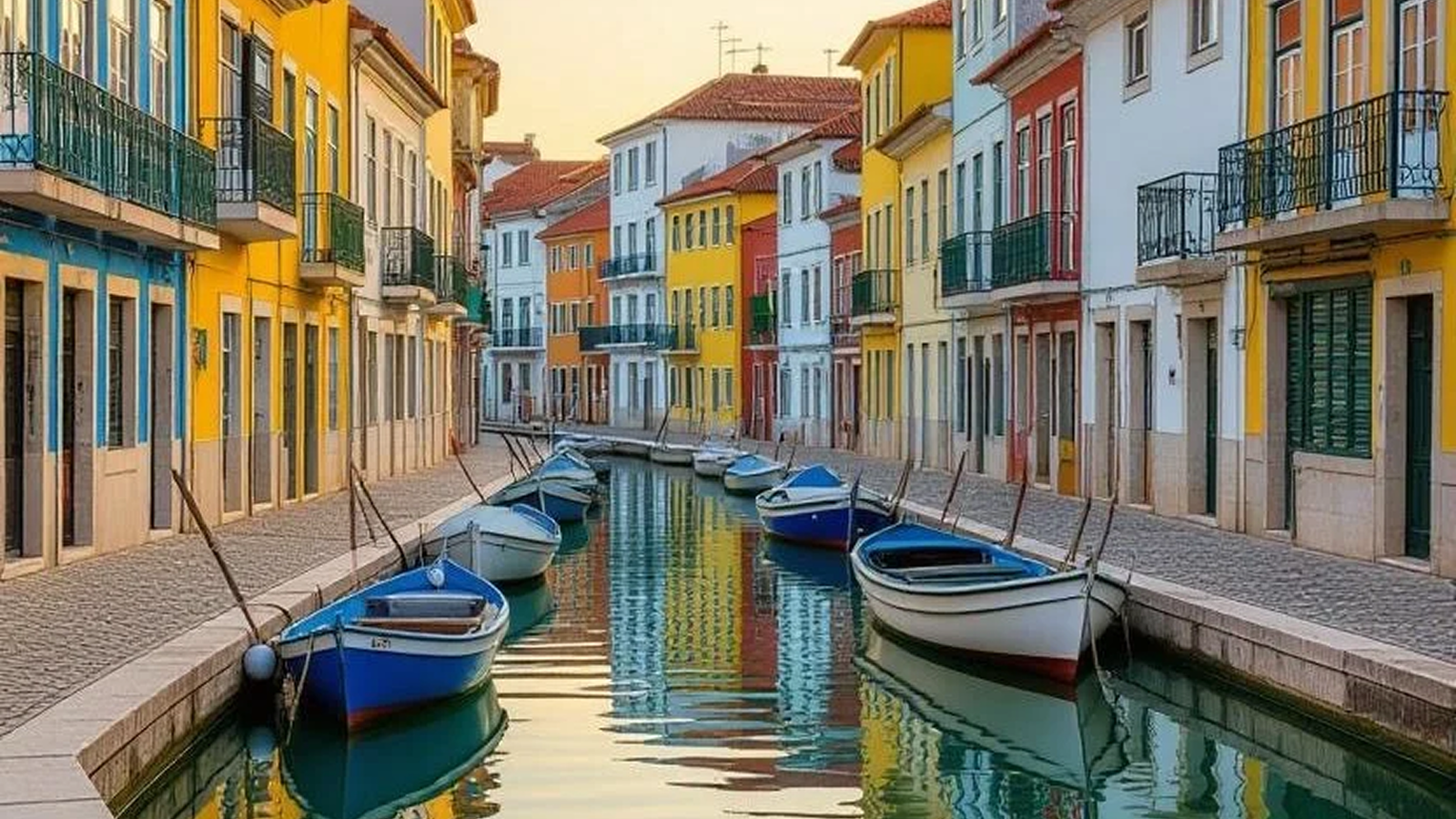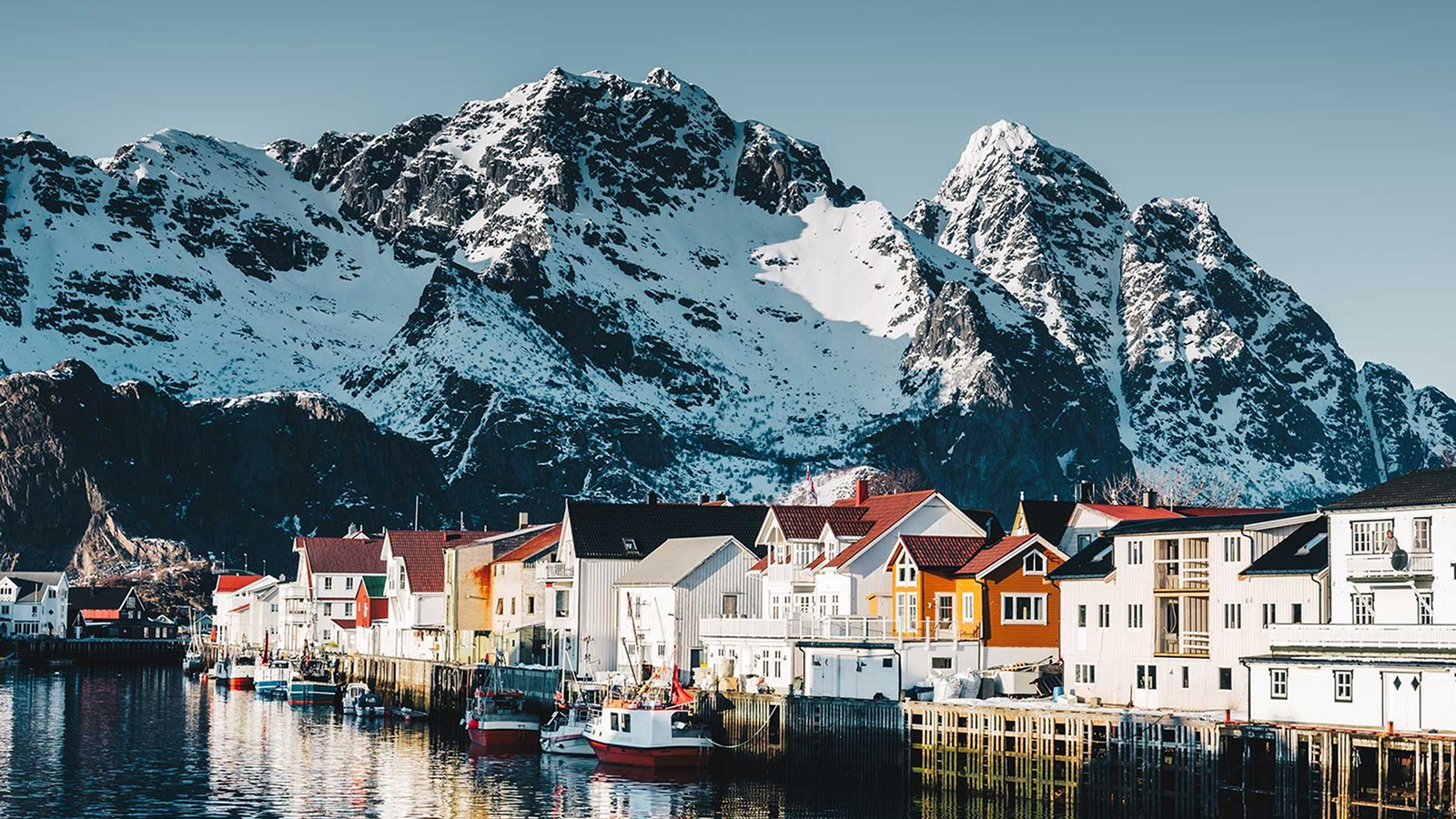
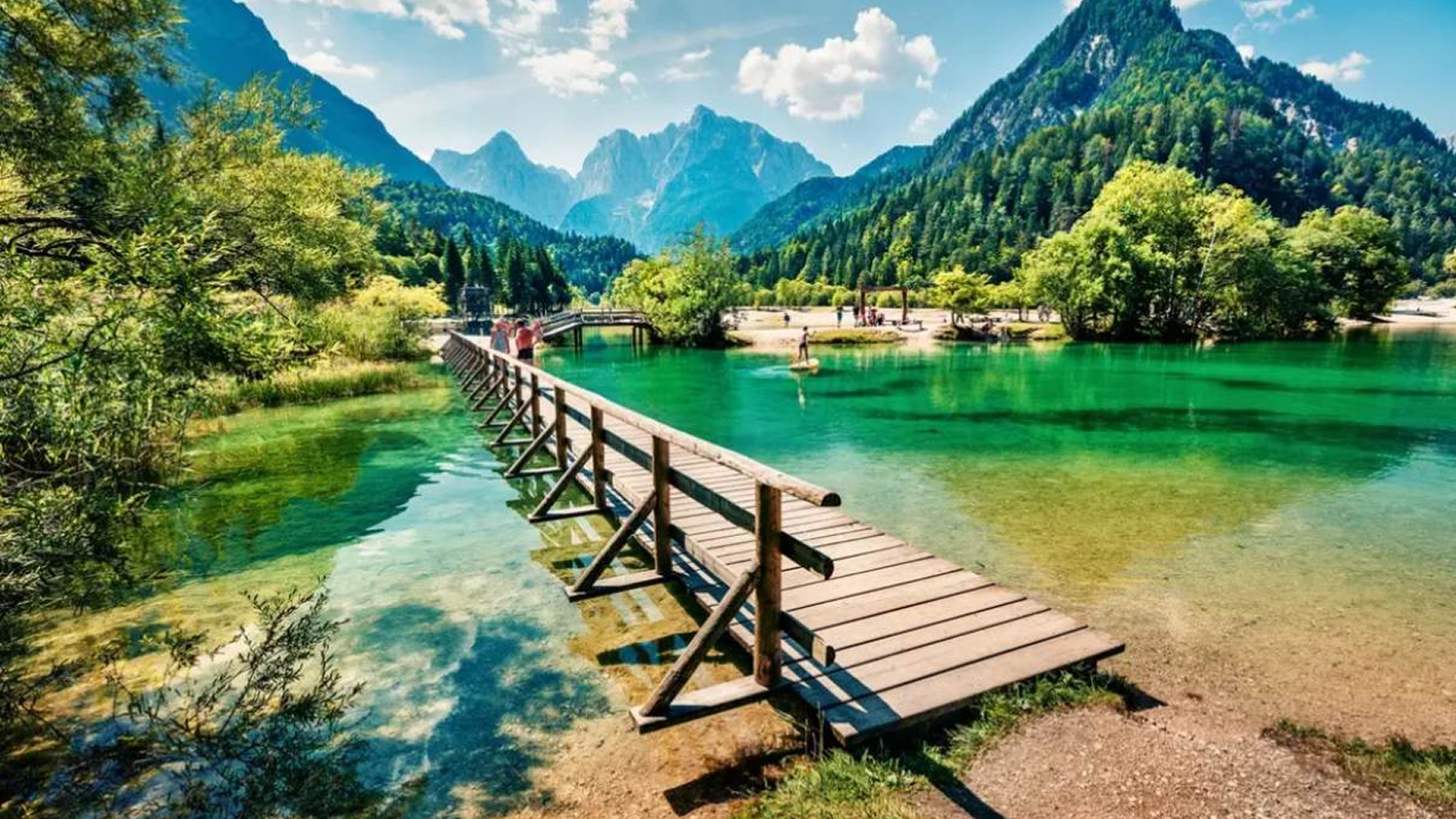
Slovenia is one of Europe’s most visually diverse destinations.
Within a relatively small area, the country combines snow-covered Alpine peaks, turquoise rivers, emerald lakes, deep valleys, dramatic caves, Mediterranean coastline, vineyard-covered hills and historic towns.
Some places, such as Lake Bled, are instantly recognizable. Others are much quieter, including remote valleys, small villages and lesser-known natural landscapes.
For travelers looking for beautiful scenery, Slovenia is particularly rewarding because you don’t have to travel huge distances to experience completely different landscapes.
From the Julian Alps to the Adriatic Sea, these are 25 of the most beautiful places in Slovenia to visit in 2026.
Slovenia’s Most Beautiful Places at a Glance
| Place | Type | Best For |
|---|---|---|
| Lake Bled | Lake | Iconic scenery |
| Lake Bohinj | Lake | Mountains & nature |
| Soča Valley | Valley | Turquoise river |
| Triglav National Park | National park | Alpine landscapes |
| Vintgar Gorge | Gorge | Hiking & waterfalls |
| Logar Valley | Alpine valley | Scenic landscapes |
| Kranjska Gora | Mountain town | Alpine scenery |
| Lake Jasna | Lake | Photography |
| Velika Planina | Mountain plateau | Traditional villages |
| Peričnik Waterfall | Waterfall | Nature & photography |
| Savica Waterfall | Waterfall | Alpine scenery |
| Mangart Saddle | Mountain pass | Panoramic views |
| Piran | Coastal town | Adriatic views |
| Škocjan Caves | Cave system | Natural wonders |
| Postojna Cave | Cave | Underground scenery |
| Predjama Castle | Castle | Architecture & landscape |
| Vipava Valley | Valley | Vineyards |
| Goriška Brda | Wine country | Countryside |
| Štanjel | Historic village | Karst scenery |
| Ptuj | Historic town | Heritage |
| Ljubljana | Capital city | Architecture & river |
| Škofja Loka | Historic town | Medieval atmosphere |
| Radovljica | Historic town | Old-town charm |
| Soča River | River | Photography |
| Strunjan | Coastline | Cliffs & sea |
1. Lake Bled
Lake Bled is the image most travelers associate with Slovenia.
The small island in the middle of the lake, the Church of the Mother of God on the Lake, Bled Castle above the water and the surrounding Julian Alps create an unmistakable landscape.
The lake can be explored on foot along its shoreline, while traditional boats known as pletna boats provide a way to reach the island.
Bled is beautiful in every season, but the surrounding landscape changes dramatically throughout the year.
Best for: First-time visitors, couples and photography.
Don’t miss: Bled Island, Bled Castle and the lakeside walking route.
2. Lake Bohinj
Lake Bohinj is often described as the quieter counterpart to Lake Bled.
Located within Triglav National Park, the lake is surrounded by forests and dramatic mountain scenery.
The landscape feels more natural and less urbanized than Bled, making it particularly appealing to travelers who want to spend time outdoors.
Hiking, cycling, kayaking and scenic walks are among the popular ways to experience the area.
Best for: Nature lovers, hikers and peaceful escapes.
Don’t miss: The lake shoreline, Vogel views and nearby Savica Waterfall.
3. Soča Valley
The Soča Valley is one of Slovenia’s most spectacular natural landscapes.
The Soča River is famous for its striking turquoise-green color, while mountains rise dramatically around the valley.
The area offers hiking trails, bridges, waterfalls, viewpoints and outdoor activities.
Towns such as Bovec and Kobarid make useful bases for exploring the region.
Best for: Adventure, photography and road trips.
Don’t miss: Soča River viewpoints and the Great Soča Gorge.
4. Triglav National Park
Triglav National Park protects a large part of Slovenia’s Julian Alps.
The park is named after Mount Triglav, Slovenia’s highest mountain.
Its landscapes include high peaks, alpine valleys, forests, rivers, waterfalls and traditional mountain settlements.
Even travelers who don’t plan to climb Triglav can experience the park through scenic drives, hiking routes and viewpoints.
Best for: Hiking, mountains and nature photography.
Don’t miss: Vrata Valley, Bohinj and the alpine landscapes around Triglav.
5. Vintgar Gorge
Located near Bled, Vintgar Gorge is one of Slovenia’s most popular natural attractions.
The Radovna River flows through a narrow limestone gorge surrounded by forest.
A wooden walkway allows visitors to follow the river through the gorge and experience its waterfalls, rapids and rock formations.
Best for: Short hikes and photography.
Don’t miss: The river viewpoints and Šum Waterfall.
6. Logar Valley
Logar Valley is one of Slovenia’s most beautiful Alpine valleys.
The valley is surrounded by towering mountains and green meadows, creating a landscape that feels far removed from busy tourist centers.
The area is particularly appealing for travelers interested in slow travel, hiking and countryside scenery.
Best for: Nature, photography and peaceful escapes.
Don’t miss: The valley road, mountain views and Rinka Waterfall.
7. Kranjska Gora
Kranjska Gora is one of Slovenia’s best-known mountain destinations.
The town sits close to the Julian Alps and provides easy access to dramatic landscapes, hiking routes and winter activities.
Its surroundings are particularly beautiful in autumn and winter, when the mountains and forests take on different colors.
Best for: Mountain holidays and outdoor activities.
Don’t miss: Lake Jasna and the Vršič Pass.
8. Lake Jasna
Just outside Kranjska Gora, Lake Jasna is a small alpine lake surrounded by mountains.
The clear water and dramatic peaks make it one of the easiest scenic stops in the region.
The lake is particularly photogenic during calm weather when the mountains can appear reflected in the water.
Best for: Photography and short scenic stops.
Don’t miss: The lakeside walking paths and mountain views.
9. Velika Planina
Velika Planina is a high mountain plateau known for its traditional herders’ settlement.
The wooden mountain huts create a distinctive cultural landscape that is different from the more dramatic peaks of the Julian Alps.
The plateau is particularly attractive during the warmer months, when the surrounding landscape becomes green.
Best for: Mountain scenery, culture and photography.
Don’t miss: The traditional shepherds’ huts and panoramic views.
10. Peričnik Waterfall
Peričnik Waterfall is located in the Vrata Valley within the Julian Alps.
The waterfall is particularly interesting because visitors can walk behind the falling water.
The surrounding mountains create a dramatic backdrop and make the waterfall a rewarding stop for nature lovers.
Best for: Waterfalls and photography.
Don’t miss: The path behind the waterfall, where conditions allow.
11. Savica Waterfall
Savica Waterfall is one of Slovenia’s best-known waterfalls.
It drops into a natural pool in the mountains above Lake Bohinj and can be reached via a relatively short uphill route.
The waterfall is especially attractive when combined with a wider Bohinj itinerary.
Best for: Nature walks and Alpine scenery.
Don’t miss: Combining the waterfall with Lake Bohinj and nearby viewpoints.
12. Mangart Saddle
Mangart Saddle is one of the highest accessible mountain roads in Slovenia.
The route climbs dramatically into the Julian Alps and provides spectacular views of surrounding peaks and valleys.
Access can be seasonal and dependent on mountain conditions, so travelers should check local conditions before visiting.
Best for: Panoramic mountain scenery and road trips.
Don’t miss: The viewpoints along the mountain route.
13. Piran
Piran brings a completely different landscape to Slovenia.
Instead of Alpine peaks, the historic coastal town offers red-roofed buildings, narrow streets, stone architecture and views across the Adriatic Sea.
Tartini Square and the waterfront are among the most recognizable parts of the town.
Best for: Coastal scenery, architecture and sunsets.
Don’t miss: Tartini Square, the waterfront and the old town.
14. Škocjan Caves
The Škocjan Caves are one of Slovenia’s most remarkable natural attractions.
The underground system contains enormous chambers and dramatic rock formations created over thousands of years.
The caves are also recognized for their exceptional natural and geological significance.
Best for: Nature, geology and unique landscapes.
Don’t miss: The enormous underground canyon and cave chambers.
15. Postojna Cave
Postojna Cave is one of Europe’s most famous cave attractions.
The extensive underground system features stalactites, stalagmites and large chambers.
A combination of underground transport and walking routes makes the cave accessible to a wide range of visitors.
Best for: Families, geology and unusual landscapes.
Don’t miss: The major underground chambers and formations.
16. Predjama Castle
Predjama Castle is one of Slovenia’s most unusual architectural sights.
The medieval castle is built directly into the mouth of a dramatic cave beneath a limestone cliff.
Its unusual position makes it particularly photogenic and creates a natural connection between architecture and geology.
Best for: Architecture, history and photography.
Don’t miss: The castle exterior and surrounding Karst landscape.
17. Vipava Valley
The Vipava Valley combines mountains, vineyards, villages and agricultural landscapes.
The valley is particularly beautiful when viewed from higher elevations, where vineyards and villages spread across the countryside.
It is also one of Slovenia’s important wine regions.
Best for: Wine travel, countryside and road trips.
Don’t miss: Vineyard villages and scenic viewpoints.
18. Goriška Brda
Goriška Brda is often compared to the rolling landscapes of neighboring northern Italy.
Vineyards and orchards cover the hills, while small villages sit among the countryside.
The landscape changes throughout the year, making it particularly attractive for photographers.
Best for: Wine, cycling, food and countryside scenery.
Don’t miss: Šmartno, Dobrovo and vineyard viewpoints.
19. Štanjel
Štanjel is one of the most picturesque villages in Slovenia’s Karst region.
Stone buildings, narrow streets and the surrounding limestone landscape give the village a distinctive character.
The settlement is particularly atmospheric when explored slowly on foot.
Best for: Architecture, photography and slow travel.
Don’t miss: Ferrari Garden, the old village streets and panoramic views.
20. Ptuj
Ptuj is one of Slovenia’s oldest towns and has a beautiful historic center.
The town is dominated by Ptuj Castle, which sits above the old streets.
The combination of historic architecture, red rooftops and surrounding countryside makes Ptuj particularly appealing for travelers interested in heritage landscapes.
Best for: History, architecture and photography.
Don’t miss: Ptuj Castle and the historic center.
21. Ljubljana
Slovenia’s capital is beautiful in a different way.
The Ljubljanica River runs through the historic center, while bridges, colorful façades, cafés and Ljubljana Castle create a lively urban landscape.
The city is compact enough to explore on foot, making it easy to combine architecture, food and photography in one day.
Best for: City breaks, architecture and culture.
Don’t miss: Ljubljana Castle, Triple Bridge and the riverfront.
22. Škofja Loka
Škofja Loka is one of Slovenia’s most atmospheric historic towns.
The medieval center contains colorful buildings, narrow streets and historic bridges.
The town’s setting between hills and mountains adds another layer to its visual appeal.
Best for: Historic architecture and photography.
Don’t miss: The old town, stone bridge and Škofja Loka Castle.
23. Radovljica
Radovljica is a small historic town near Lake Bled.
Its old center features colorful façades, traditional architecture and views toward the surrounding mountains.
Because it receives fewer visitors than nearby Bled, it can provide a quieter way to experience the Upper Carniola region.
Best for: Heritage, architecture and slow travel.
Don’t miss: The old town and views toward the Alps.
24. Soča River
Although the Soča River runs through much of the Soča Valley, some of its most beautiful sections deserve to be explored separately.
Its vivid color, clear water and rocky riverbeds create some of Slovenia’s most recognizable natural scenery.
Several bridges and viewpoints provide opportunities to see the river from different perspectives.
Best for: Photography, hiking and adventure.
Don’t miss: The Great Soča Gorge and riverside viewpoints.
25. Strunjan
Strunjan provides one of Slovenia’s most distinctive coastal landscapes.
The Strunjan Nature Reserve features cliffs, Mediterranean vegetation and views across the Adriatic.
The coastline here feels very different from the historic streets of Piran, making it a useful addition to a Slovenian coastal itinerary.
Best for: Coastal walks, photography and nature.
Don’t miss: Strunjan cliffs and the coastal viewpoints.
Most Beautiful Places in Slovenia for Photography
If photography is one of your priorities, these locations offer particularly strong scenery:
Lake Bled
For iconic lake-and-mountain compositions.
Lake Bohinj
For natural Alpine landscapes.
Soča Valley
For turquoise water and dramatic mountains.
Mangart Saddle
For panoramic mountain views.
Goriška Brda
For vineyards and rolling countryside.
Piran
For architecture and Adriatic sunsets.
Logar Valley
For dramatic valley landscapes.
Štanjel
For traditional Karst architecture.
Vintgar Gorge
For forests, water and dramatic rock formations.
Ljubljana
For architecture, bridges and riverfront scenes.
Most Beautiful Places in Slovenia for Couples
Slovenia offers several destinations that work particularly well for romantic trips.
Lake Bled
Walk around the lake, take a boat to the island and enjoy views from Bled Castle.
Lake Bohinj
A quieter alternative for couples who prefer nature.
Goriška Brda
Spend a few days among vineyards, villages and countryside.
Piran
Combine coastal walks with seafood and sunset views.
Logar Valley
A peaceful setting for couples seeking mountains and privacy.
Ljubljana
Ideal for a city break with restaurants, cafés and evening walks along the river.
Best Hidden Gems in Slovenia
Slovenia’s most famous attractions are worth visiting, but some lesser-known places can provide a quieter experience.
Štanjel
A beautiful Karst village with historic architecture.
Radovljica
A small historic town close to Bled.
Logar Valley
A spectacular Alpine valley away from the country’s busiest tourist centers.
Velika Planina
A unique combination of mountain scenery and traditional architecture.
Strunjan
A scenic section of the Slovenian coast away from the larger resort atmosphere.
Vipava Valley
An excellent destination for travelers who want vineyards and countryside.
Škofja Loka
One of Slovenia’s most atmospheric historic towns.
Most Beautiful Places by Region
Julian Alps
Visit:
- Lake Bled
- Lake Bohinj
- Kranjska Gora
- Soča Valley
- Triglav National Park
- Mangart Saddle
Best for: Mountains, lakes and hiking.
Central Slovenia
Visit:
- Ljubljana
- Škofja Loka
- Velika Planina
Best for: Cities, culture and mountain landscapes.
Karst Region
Visit:
- Škocjan Caves
- Postojna Cave
- Predjama Castle
- Štanjel
Best for: Caves, architecture and unusual landscapes.
Wine Country
Visit:
- Vipava Valley
- Goriška Brda
- Ptuj
Best for: Vineyards, food and countryside.
Slovenian Coast
Visit:
- Piran
- Strunjan
- Portorož
- Koper
Best for: Adriatic scenery and Mediterranean atmosphere.
Best Scenic Road Trip Through Slovenia
A road trip is one of the easiest ways to experience Slovenia’s changing landscapes.
Stop 1 — Ljubljana
Begin in the capital and explore the historic center.
Stop 2 — Lake Bled
Continue north toward one of Slovenia’s most recognizable landscapes.
Stop 3 — Lake Bohinj
Spend time around the lake and explore the Julian Alps.
Stop 4 — Kranjska Gora
Continue toward the mountain landscapes around Kranjska Gora.
Stop 5 — Soča Valley
Drive toward the turquoise Soča River and surrounding mountains.
Stop 6 — Goriška Brda
Head toward the vineyards and rolling countryside.
Stop 7 — Piran
Finish on the Adriatic coast.
This route provides a particularly varied introduction to Slovenia, moving from city → lake → mountains → river valley → vineyards → coast.
Best Time to See Slovenia’s Landscapes
Spring
April–May
The countryside becomes green and waterfalls can be particularly impressive.
Summer
June–August
Best for accessible mountain trails, lakes, outdoor activities and the coast.
Autumn
September–October
Excellent for vineyards, forests and warm autumn colors.
Winter
December–February
Best for snowy mountain landscapes and winter photography.
Tips for Exploring Slovenia’s Scenic Places
1. Don’t Try to See Everything
Slovenia may be small, but its mountain roads and hiking routes can take time.
Choose a few regions rather than rushing through the entire country.
2. Start Early
Popular places such as Lake Bled and Vintgar Gorge can become busy during peak periods.
3. Check Mountain Weather
Mountain conditions can change rapidly.
Always check current conditions before hiking or driving into higher elevations.
4. Combine Famous Places With Smaller Towns
Pair Bled with Radovljica, or Piran with Strunjan.
This creates a more varied trip.
5. Consider Autumn
If photography is your priority, autumn can be particularly rewarding.
6. Take Your Time in the Countryside
Some of Slovenia’s most memorable landscapes are found between major attractions.
Slow road trips through vineyards and valleys can be just as rewarding as visiting famous landmarks.
Frequently Asked Questions
What is the most beautiful place in Slovenia?
Slovenia has many different types of scenery, so the answer depends on what kind of landscape you prefer. Lake Bled is one of the country’s most recognizable landscapes, while Lake Bohinj, the Soča Valley, Logar Valley and the Slovenian coast offer very different experiences.
What is the prettiest lake in Slovenia?
Lake Bled is the country’s most famous lake, while Lake Bohinj offers a more natural Alpine setting. Both are major scenic destinations.
Is Slovenia good for photography?
Yes. Slovenia offers a compact mix of mountains, lakes, rivers, waterfalls, vineyards, historic towns, caves and coastline.
What is the most scenic part of Slovenia?
The Julian Alps and Soča Valley are among the country’s most dramatic mountain landscapes, while Goriška Brda and the Slovenian coast provide very different scenery.
What are the best hidden gems in Slovenia?
Štanjel, Radovljica, Logar Valley, Velika Planina, Strunjan and parts of Vipava Valley can provide quieter experiences away from Slovenia’s most famous attractions.
How many days do you need to see the beautiful places in Slovenia?
A week allows you to combine Ljubljana, Lake Bled, Bohinj, the Soča Valley, wine country and the coast. A longer trip gives you more time for hiking and smaller towns.
Is Lake Bled worth visiting?
Lake Bled is one of Slovenia’s most recognizable destinations and offers a combination of lake scenery, mountains, historic architecture and walking routes.
What is the best season for scenic Slovenia?
Late spring, summer and early autumn all offer strong scenery, while winter can be particularly beautiful in the mountains when snow conditions are suitable.
Final Thoughts
Slovenia’s beauty comes from its variety.
In one trip, you can move from the turquoise waters of the Soča River to the quiet shores of Lake Bohinj, walk through the historic streets of Piran, explore underground caves, drive through vineyards in Goriška Brda and finish beneath the Julian Alps.
The most famous destinations — especially Lake Bled, Lake Bohinj, the Soča Valley and Ljubljana — are excellent starting points. But adding places such as Logar Valley, Štanjel, Velika Planina, Strunjan and Vipava Valley can make a Slovenia itinerary feel much more diverse.
Whether you’re planning a photography trip, a road trip, a romantic escape or simply want to experience some of Europe’s most varied landscapes, Slovenia offers an impressive amount of scenery within a surprisingly small country.