Introduction
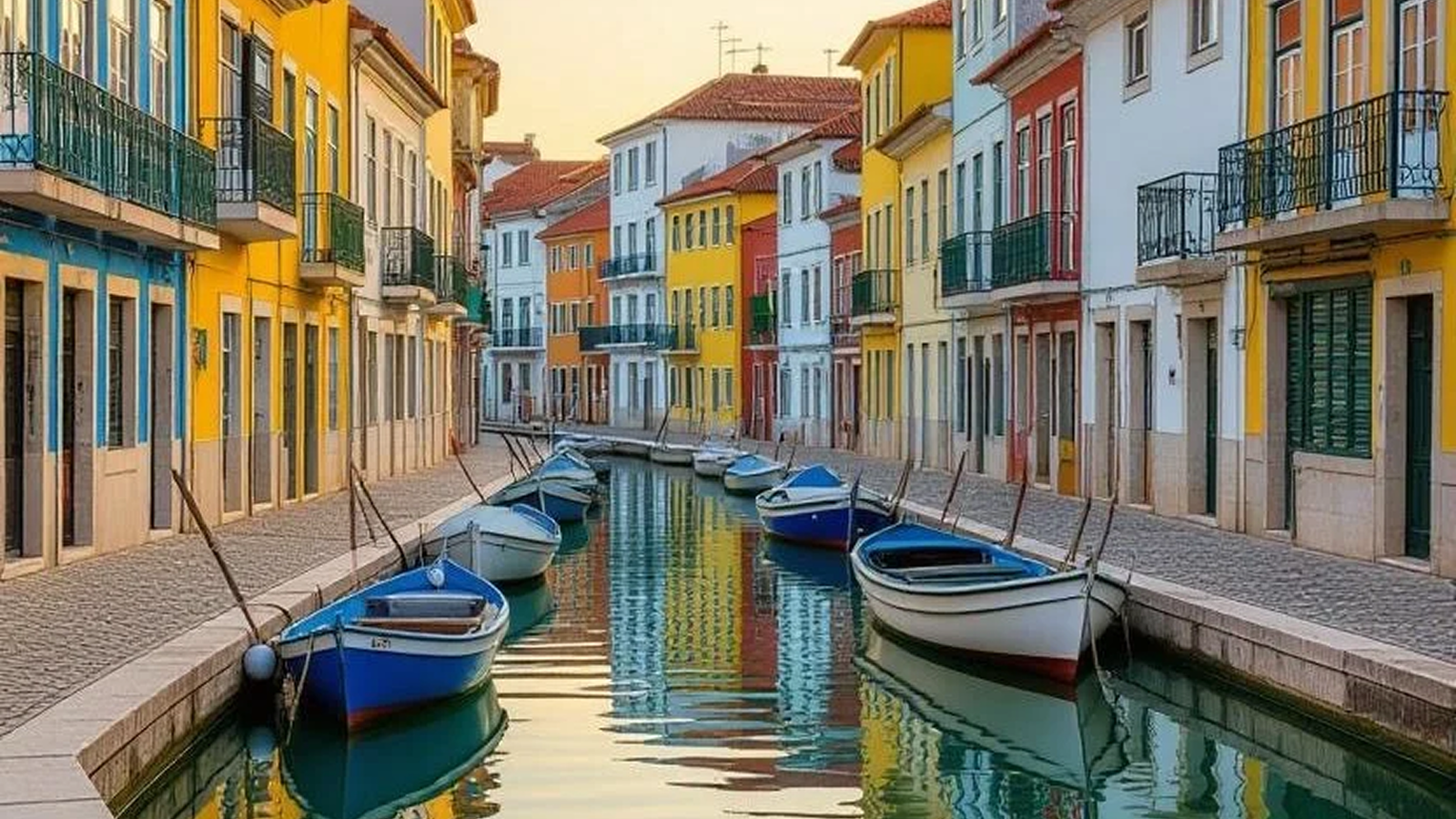
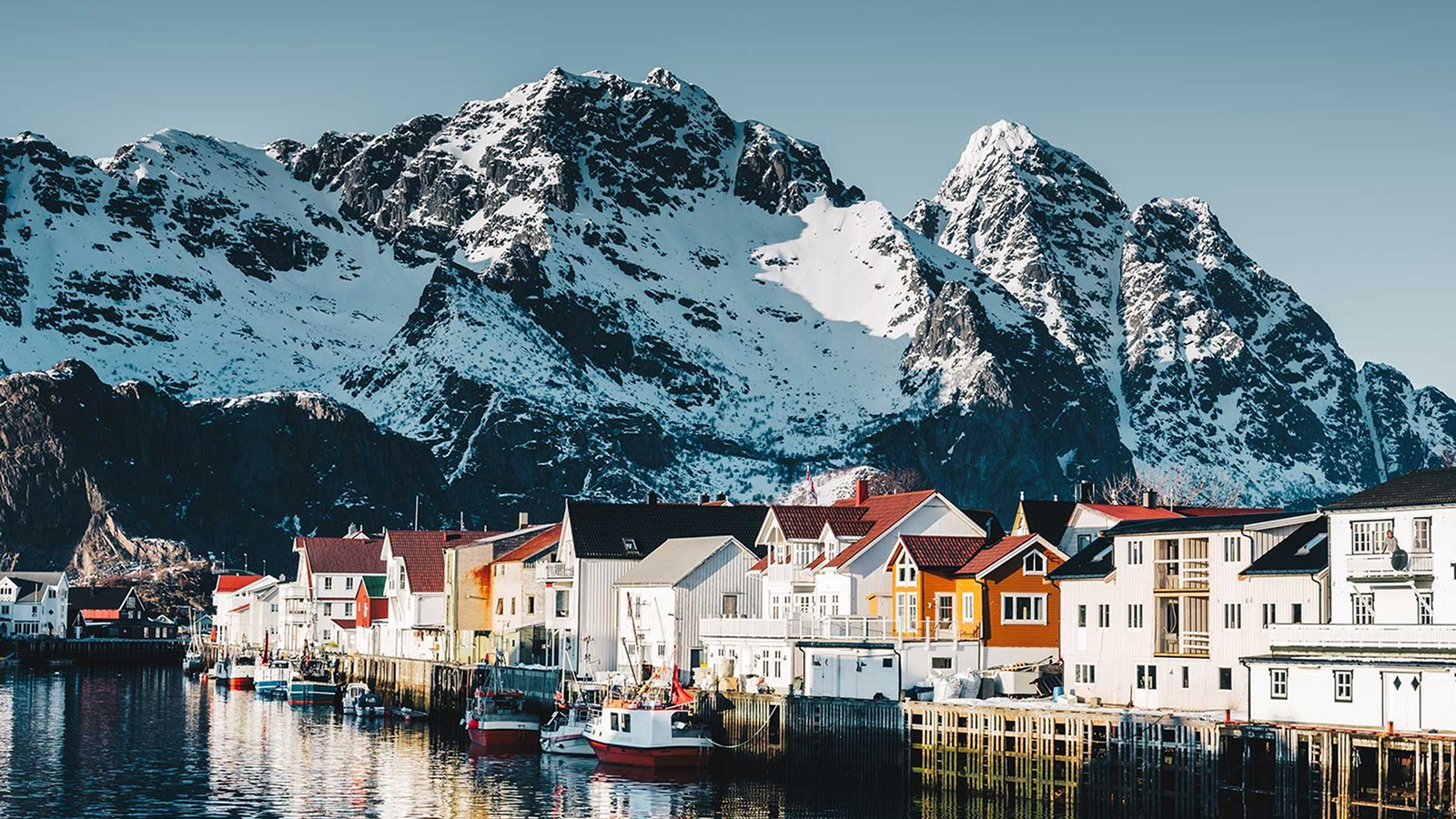
Europe offers an extraordinary variety of travel experiences within a relatively compact region. From historic capitals and Mediterranean coastlines to Alpine landscapes, medieval towns and northern fjords, every country offers a different reason to explore.
Whether you are planning your first European trip or looking for somewhere new to visit in 2026, choosing where to go can be difficult. Some destinations are famous for their architecture and history, while others stand out for beaches, mountains, food, culture or natural scenery.
This guide brings together 25 of the best places to visit in Europe in 2026, covering a mix of iconic destinations and less-obvious places worth adding to your itinerary.
Quick Comparison Table
| # | Destination | Country | Best For | Ideal Trip |
|---|---|---|---|---|
| 1 | Paris | France | Art, culture & landmarks | City Break |
| 2 | Rome | Italy | History & architecture | Culture |
| 3 | Santorini | Greece | Islands & sunsets | Couples |
| 4 | Barcelona | Spain | Architecture & beaches | City + Beach |
| 5 | Swiss Alps | Switzerland | Mountains & scenery | Nature |
| 6 | Amsterdam | Netherlands | Canals & culture | City Break |
| 7 | Lisbon | Portugal | Food & historic streets | City Break |
| 8 | London | United Kingdom | History & culture | City Break |
| 9 | Prague | Czech Republic | Architecture & history | City Break |
| 10 | Vienna | Austria | Music & imperial history | Culture |
| 11 | Amalfi Coast | Italy | Coastline & villages | Scenic Escape |
| 12 | Copenhagen | Denmark | Design & lifestyle | City Break |
| 13 | Dubrovnik | Croatia | Coast & old town | Coastal Travel |
| 14 | Norwegian Fjords | Norway | Nature & landscapes | Adventure |
| 15 | Budapest | Hungary | Architecture & thermal baths | City Break |
| 16 | Madeira | Portugal | Nature & hiking | Outdoor Travel |
| 17 | Hallstatt | Austria | Alpine scenery | Scenic Escape |
| 18 | Edinburgh | Scotland | History & landscapes | Culture |
| 19 | Cinque Terre | Italy | Coastal villages | Coastal Travel |
| 20 | Iceland | Iceland | Waterfalls & landscapes | Adventure |
| 21 | Kraków | Poland | History & culture | City Break |
| 22 | Azores | Portugal | Nature & islands | Adventure |
| 23 | Slovenia | Slovenia | Lakes & mountains | Nature |
| 24 | Seville | Spain | Architecture & food | Culture |
| 25 | Stockholm | Sweden | Design, islands & culture | City Break |
How We Selected These Destinations
The destinations in this guide were selected based on a combination of factors that make a European destination appealing for different types of travelers.
We considered:
- Natural scenery
- Historic and cultural significance
- Architecture
- Food and local experiences
- Coastal landscapes
- Outdoor activities
- Accessibility for international travelers
- Variety of experiences
- Photography opportunities
- Suitability for different travel styles
The list intentionally includes both major European cities and scenic destinations so travelers can find inspiration for different types of trips.
1. Paris, France
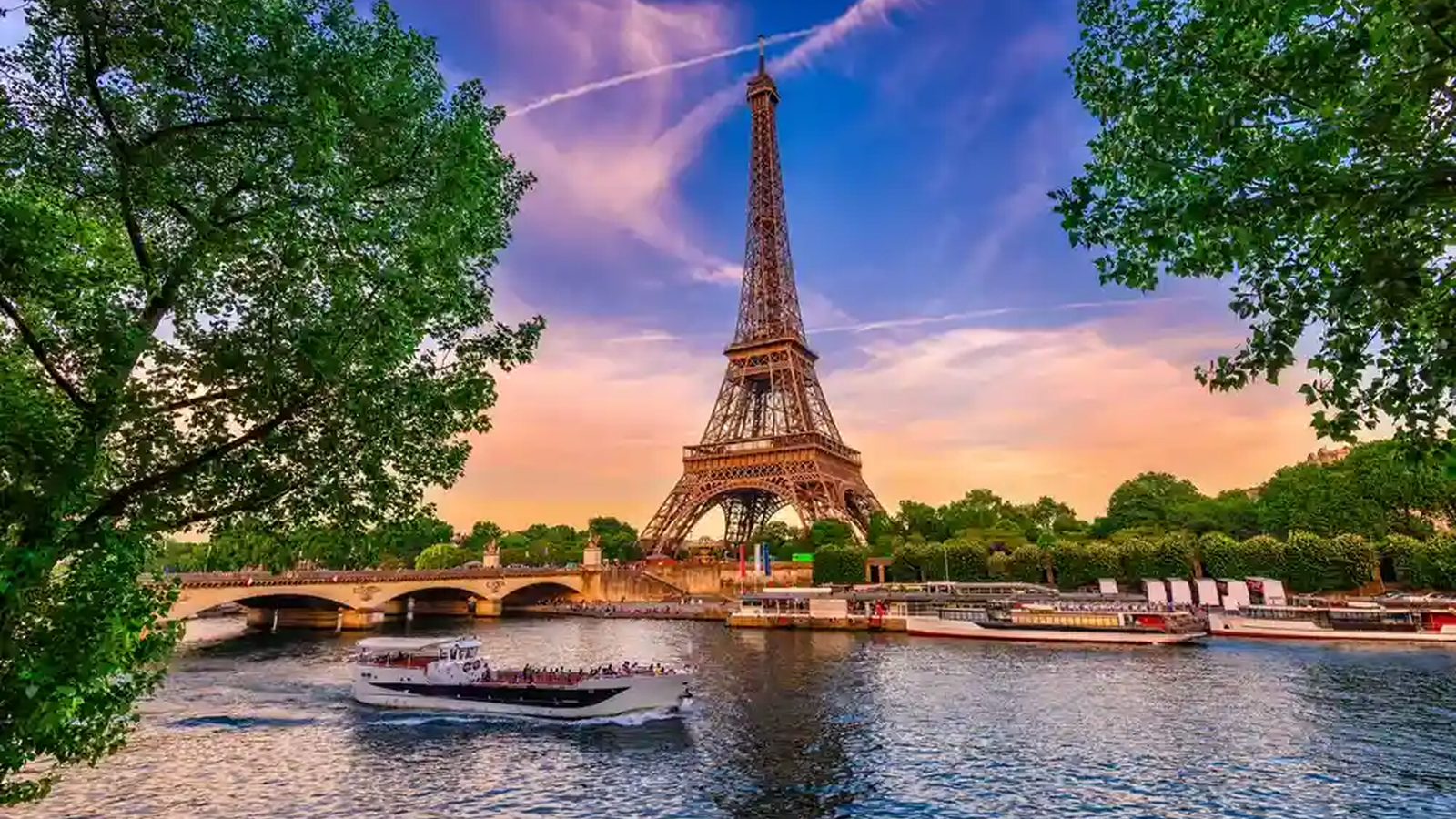
Paris remains one of Europe’s most recognizable destinations, combining historic architecture, world-class museums, elegant neighborhoods and an influential food culture.
The Eiffel Tower, Louvre Museum, Notre-Dame area and Seine River provide the classic Paris experience, while neighborhoods such as Montmartre and Le Marais offer a closer look at the city’s everyday character.
Why Visit Paris?
- Eiffel Tower
- Louvre Museum
- Seine River
- Montmartre
- French cuisine
- Historic architecture
- Fashion and design
Best for: First-time Europe trips, couples, art, food and culture.
2. Rome, Italy
Rome offers thousands of years of history within a living modern city. Ancient Roman monuments sit alongside Renaissance buildings, Baroque fountains and lively neighborhoods.
The Colosseum, Roman Forum, Pantheon and Vatican City are among the city’s major attractions.
Why Visit Rome?
- Colosseum
- Roman Forum
- Vatican City
- Trevi Fountain
- Historic neighborhoods
- Italian cuisine
Best for: History, architecture, food and culture.
3. Santorini, Greece
Santorini is famous for its whitewashed buildings, blue-domed churches and volcanic landscapes overlooking the Aegean Sea.
The island’s villages, particularly Oia and Fira, offer spectacular views, while beaches and boat trips provide a different way to experience the island.
Why Visit Santorini?
- Aegean Sea views
- Oia
- Sunset viewpoints
- Volcanic landscapes
- Island villages
- Mediterranean cuisine
Best for: Couples, photography, beaches and island holidays.
4. Barcelona, Spain
Barcelona combines Mediterranean beaches with distinctive architecture, historic neighborhoods and a strong food culture.
Antoni Gaudí’s architectural works are among the city’s defining attractions, while areas such as the Gothic Quarter provide a very different historic atmosphere.
Why Visit Barcelona?
- Sagrada Família
- Park Güell
- Gothic Quarter
- Mediterranean beaches
- Tapas and Catalan cuisine
- Gaudí architecture
Best for: Architecture, food, beaches and city breaks.
5. Swiss Alps, Switzerland
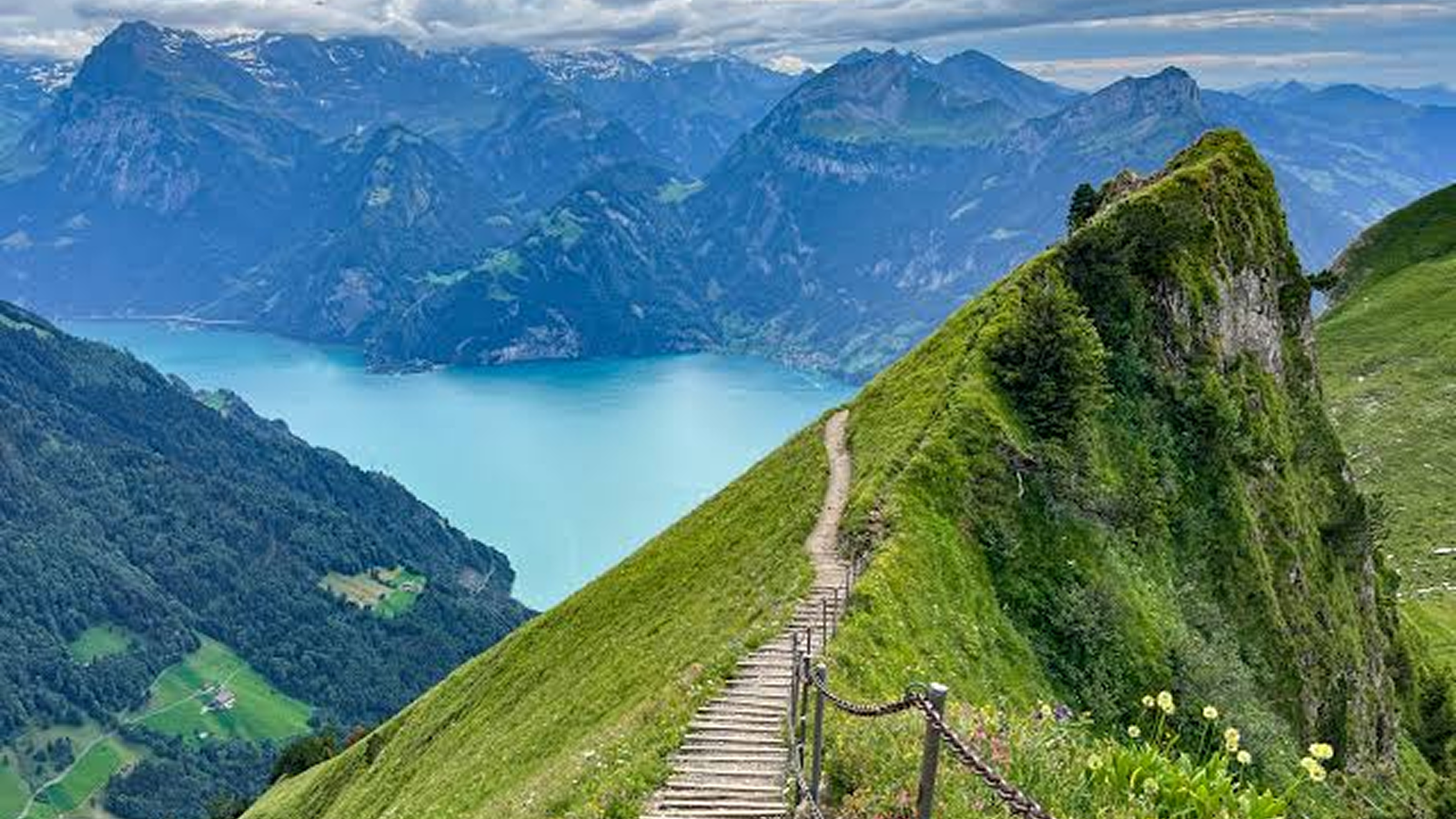
The Swiss Alps offer some of Europe’s most dramatic mountain scenery, with snow-covered peaks, alpine villages, clear lakes and scenic rail journeys.
Destinations such as Zermatt, Interlaken and the Jungfrau region provide access to different types of mountain experiences.
Why Visit the Swiss Alps?
- Alpine landscapes
- Mountain railways
- Hiking
- Skiing
- Scenic lakes
- Traditional villages
Best for: Nature, hiking, skiing and photography.
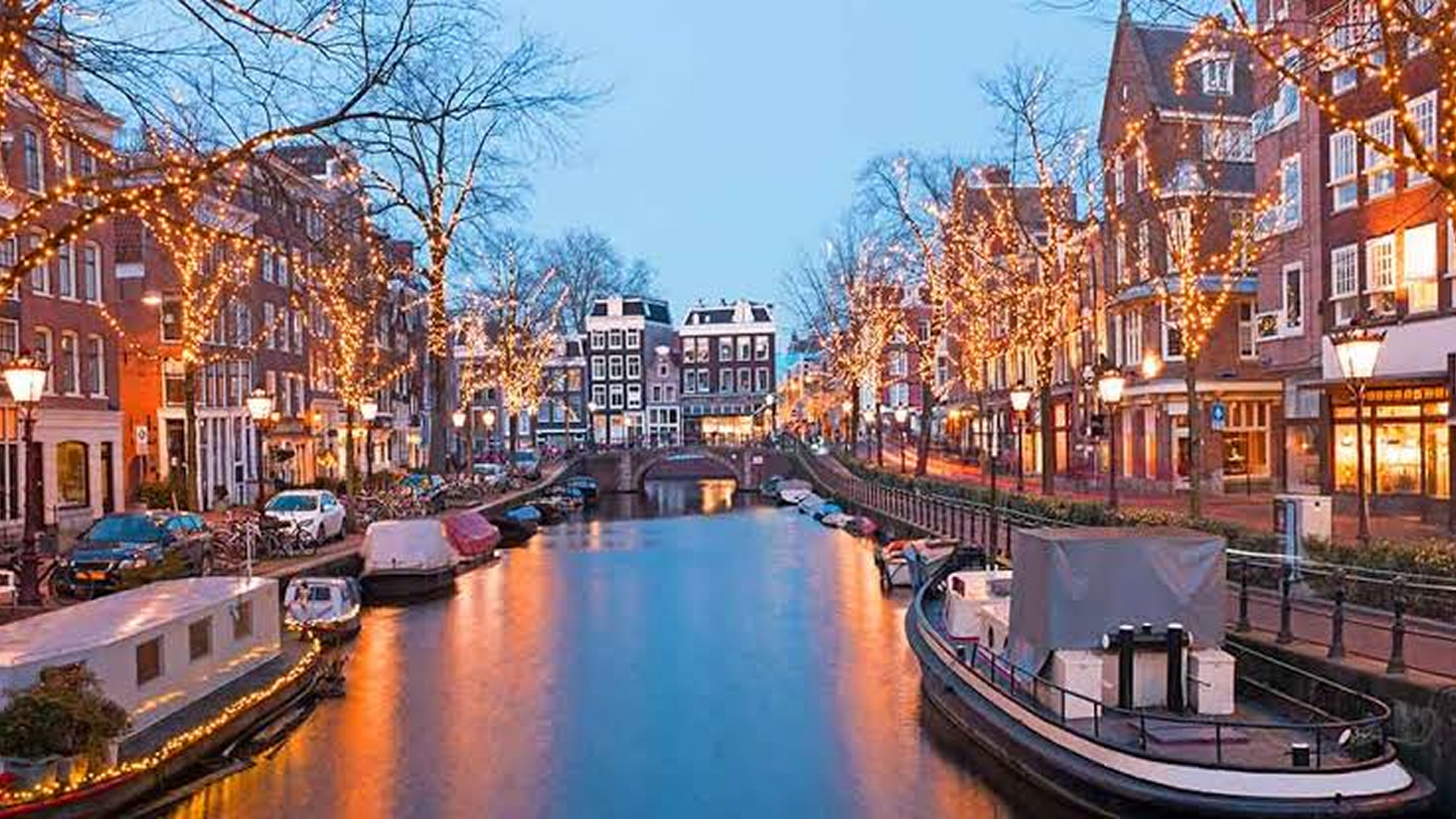
6. Amsterdam, Netherlands
Amsterdam is known for its historic canal network, narrow houses, cycling culture and museums.
The compact central area makes it convenient to explore on foot, by bicycle or by boat.
Why Visit Amsterdam?
- Canal district
- Rijksmuseum
- Van Gogh Museum
- Historic architecture
- Cycling
- Café culture
Best for: Art, architecture, couples and city breaks.
7. Lisbon, Portugal
Lisbon combines colorful neighborhoods, historic trams, viewpoints and Portuguese cuisine with a relaxed atmosphere.
The city’s hills create numerous viewpoints, while nearby destinations such as Sintra make Lisbon a useful base for exploring the surrounding region.
Why Visit Lisbon?
- Historic trams
- Alfama
- São Jorge Castle
- Portuguese cuisine
- Riverfront areas
- Nearby Sintra
Best for: Food, culture, architecture and city breaks.
8. London, United Kingdom
London offers an enormous variety of museums, historic landmarks, neighborhoods, restaurants and cultural attractions.
From Westminster and Buckingham Palace to Shoreditch, Notting Hill and the South Bank, different areas of the city provide very different experiences.
Why Visit London?
- Big Ben
- Tower of London
- British Museum
- Buckingham Palace
- West End
- Diverse food scene
Best for: History, culture, shopping and first-time visitors.
9. Prague, Czech Republic
Prague is known for its historic architecture, cobbled streets and dramatic skyline. The Old Town, Charles Bridge and Prague Castle form the center of many first-time visits.
The city is also relatively compact, making it convenient for exploring on foot.
Why Visit Prague?
- Charles Bridge
- Prague Castle
- Old Town Square
- Historic architecture
- Vltava River
- Traditional Czech cuisine
Best for: Architecture, history, couples and city breaks.
10. Vienna, Austria
Vienna combines imperial architecture, classical music, museums and traditional cafés.
The historic center includes major landmarks such as Schönbrunn Palace, Hofburg Palace and St. Stephen’s Cathedral.
Why Visit Vienna?
- Schönbrunn Palace
- Hofburg
- Classical music
- Museums
- Historic cafés
- Imperial architecture
Best for: Culture, history, architecture and music.
11. Amalfi Coast, Italy
The Amalfi Coast stretches along a dramatic section of southern Italy’s coastline, where villages appear to climb the cliffs above the Mediterranean.
Amalfi, Positano and Ravello are among the most popular places to explore.
Why Visit the Amalfi Coast?
- Dramatic coastline
- Cliffside villages
- Mediterranean views
- Scenic drives
- Italian cuisine
- Boat trips
Best for: Couples, coastal travel and photography.
12. Copenhagen, Denmark
Copenhagen combines Scandinavian design, historic architecture, waterfront neighborhoods and a strong food culture.
The city is particularly easy to explore by bicycle and offers a balance between historic attractions and contemporary Nordic lifestyle.
Why Visit Copenhagen?
- Nyhavn
- Tivoli Gardens
- Danish design
- Cycling culture
- Nordic cuisine
- Waterfront neighborhoods
Best for: Design, food, architecture and city breaks.
13. Dubrovnik, Croatia
Dubrovnik sits on Croatia’s Adriatic coast and is best known for its preserved medieval walls and historic Old Town.
The surrounding coastline and nearby islands make it possible to combine cultural sightseeing with swimming and boat trips.
Why Visit Dubrovnik?
- Old Town
- City walls
- Adriatic Sea
- Island excursions
- Historic architecture
- Coastal scenery
Best for: History, beaches, photography and coastal travel.
14. Norwegian Fjords, Norway
Norway’s fjords offer dramatic landscapes shaped by mountains, waterfalls and deep waterways.
Popular areas such as Geirangerfjord and Nærøyfjord can be explored through cruises, scenic drives, hiking routes and viewpoints.
Why Visit the Norwegian Fjords?
- Dramatic mountains
- Waterfalls
- Fjord cruises
- Hiking
- Scenic roads
- Small villages
Best for: Nature, adventure, photography and road trips.
15. Budapest, Hungary
Budapest combines grand architecture, the Danube River and historic thermal baths.
The city is divided by the river into Buda and Pest, with major landmarks spread across both sides.
Why Visit Budapest?
- Hungarian Parliament
- Buda Castle
- Danube River
- Thermal baths
- Historic cafés
- Central European architecture
Best for: Architecture, wellness, history and city breaks.
16. Madeira, Portugal
Madeira is a Portuguese island known for volcanic landscapes, dramatic cliffs, lush vegetation and extensive hiking routes.
Its mild climate makes it an attractive destination for travelers interested in outdoor activities throughout much of the year.
Why Visit Madeira?
- Mountain scenery
- Coastal cliffs
- Hiking trails
- Levadas
- Botanical gardens
- Atlantic Ocean views
Best for: Hiking, nature, adventure and scenic escapes.
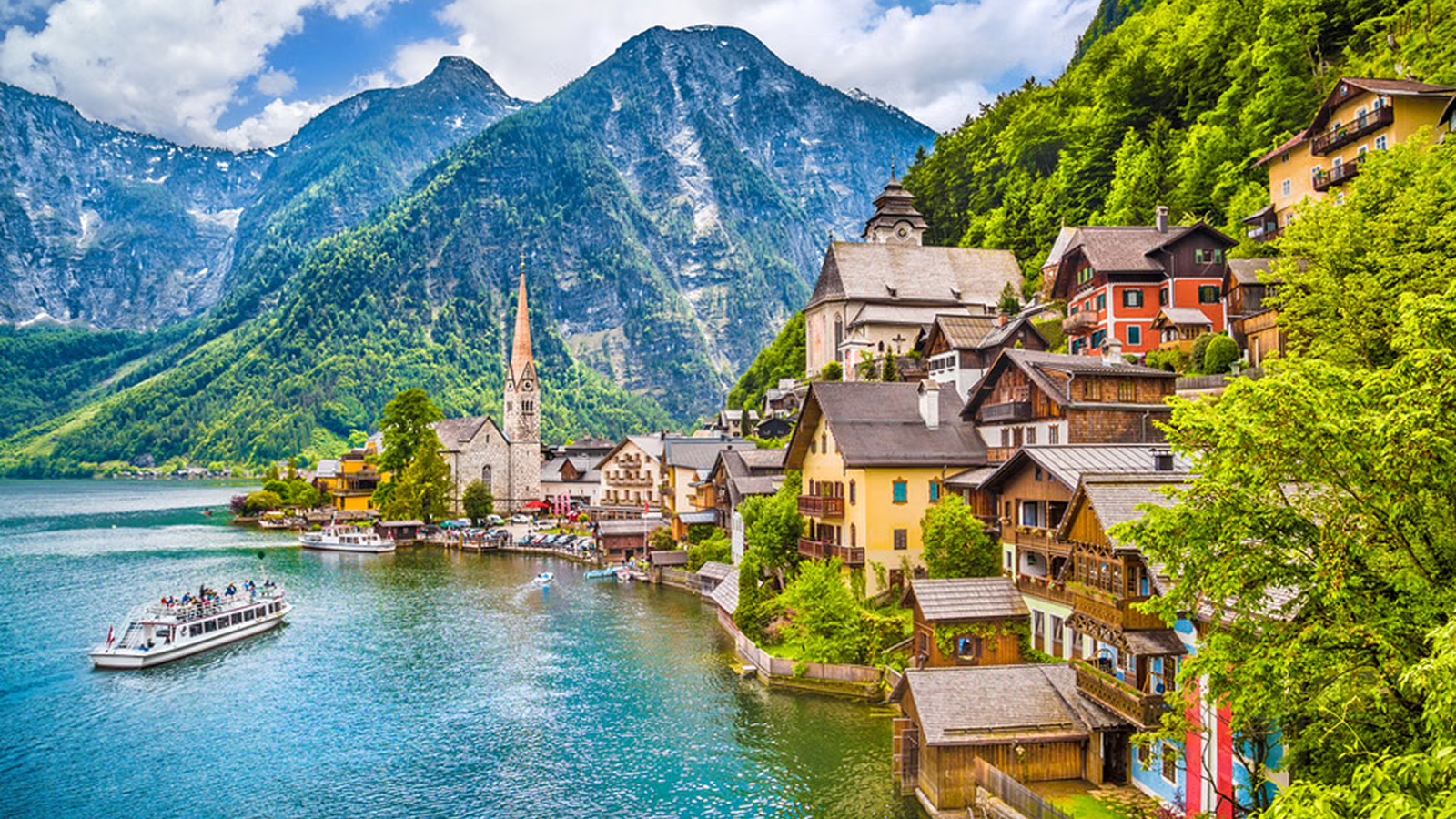
17. Hallstatt, Austria
Hallstatt is a small lakeside village surrounded by mountains in Austria’s Salzkammergut region.
Its compact historic center, waterfront setting and Alpine backdrop make it particularly recognizable in travel photography.
Why Visit Hallstatt?
- Alpine lake
- Historic village
- Mountain scenery
- Lakeside walks
- Traditional architecture
- Nearby hiking
Best for: Photography, couples and scenic escapes.
18. Edinburgh, Scotland
Edinburgh combines medieval streets, Georgian architecture and dramatic volcanic landscapes.
Edinburgh Castle overlooks the historic city, while Arthur’s Seat provides a natural viewpoint above the city.
Why Visit Edinburgh?
- Edinburgh Castle
- Royal Mile
- Arthur’s Seat
- Historic Old Town
- Georgian New Town
- Scottish culture
Best for: History, architecture, hiking and culture.
19. Cinque Terre, Italy
Cinque Terre consists of five colorful villages along the Ligurian coast. Steep hills, Mediterranean waters and narrow streets create a distinctive coastal landscape.
The villages are connected by trains and hiking routes, allowing travelers to explore multiple locations during a single visit.
Why Visit Cinque Terre?
- Colorful villages
- Coastal hiking
- Mediterranean scenery
- Seafood
- Scenic viewpoints
- Italian village life
Best for: Coastal walks, photography and couples.
20. Iceland
Iceland offers some of Europe’s most unusual natural landscapes, including waterfalls, volcanic terrain, glaciers, black-sand beaches and geothermal areas.
The country’s landscapes make it particularly suited to road trips and outdoor adventures.
Why Visit Iceland?
- Waterfalls
- Glaciers
- Volcanoes
- Black-sand beaches
- Geothermal areas
- Northern Lights
Best for: Adventure, nature, photography and road trips.
21. Kraków, Poland
Kraków is one of Poland’s most historically significant cities, with a well-preserved medieval center and a strong cultural scene.
The Old Town, Wawel Castle and historic Jewish quarter of Kazimierz are among the city’s major attractions.
Why Visit Kraków?
- Main Market Square
- Wawel Castle
- Kazimierz
- Historic architecture
- Polish cuisine
- Cultural attractions
Best for: History, architecture, food and affordable city breaks.
22. Azores, Portugal
The Azores are a group of volcanic islands in the Atlantic Ocean known for crater lakes, green landscapes, hot springs and dramatic coastlines.
São Miguel is particularly popular for travelers looking for a combination of nature and outdoor activities.
Why Visit the Azores?
- Volcanic landscapes
- Crater lakes
- Hot springs
- Hiking
- Whale watching
- Atlantic scenery
Best for: Nature, hiking, adventure and slow travel.
23. Slovenia
Slovenia offers a compact combination of mountains, lakes, forests and historic towns.
Lake Bled is the country’s most recognizable destination, while Triglav National Park and the Soča Valley provide opportunities for hiking and outdoor exploration.
Why Visit Slovenia?
- Lake Bled
- Julian Alps
- Soča Valley
- Ljubljana
- Hiking
- Alpine scenery
Best for: Nature, outdoor activities and road trips.
24. Seville, Spain
Seville showcases Andalusian architecture, historic courtyards, lively plazas and a strong food culture.
The city’s combination of Moorish, Gothic and Renaissance influences can be seen throughout its historic center.
Why Visit Seville?
- Real Alcázar
- Seville Cathedral
- Plaza de España
- Historic neighborhoods
- Flamenco
- Andalusian cuisine
Best for: Architecture, food, culture and warm-weather city breaks.
25. Stockholm, Sweden
Stockholm is built across a group of islands and combines historic architecture with Scandinavian design, museums and waterfront scenery.
Gamla Stan, the city’s historic old town, provides a contrast to Stockholm’s modern neighborhoods and contemporary cultural spaces.
Why Visit Stockholm?
- Gamla Stan
- Stockholm archipelago
- Scandinavian design
- Vasa Museum
- Waterfront views
- Nordic cuisine
Best for: Design, culture, photography and city breaks.
Best Places to Visit in Europe by Travel Style
🏛️ Best for History & Architecture
- Rome
- Paris
- London
- Prague
- Vienna
- Florence
- Edinburgh
- Kraków
- Seville
These destinations offer historic landmarks, museums, medieval streets, palaces and distinctive architectural traditions.
🏖️ Best for Beaches & Coastal Travel
- Santorini
- Amalfi Coast
- Barcelona
- Dubrovnik
- Cinque Terre
- Madeira
- Seville and southern Spain
For a traditional Mediterranean beach holiday, Greece, Italy, Croatia, Portugal and Spain provide numerous options.
🏔️ Best for Mountains & Nature
- Swiss Alps
- Norwegian Fjords
- Iceland
- Madeira
- Slovenia
- Hallstatt
- Azores
These destinations are particularly suitable for hiking, scenic drives, photography and outdoor adventures.
❤️ Best for Couples
- Santorini
- Paris
- Amalfi Coast
- Venice
- Prague
- Lake Como
- Dubrovnik
- Hallstatt
Romantic European destinations range from Mediterranean islands and coastal villages to historic cities and Alpine lakes.
🍝 Best for Food Lovers
- Rome
- Barcelona
- Lisbon
- Bologna
- Paris
- Seville
- Copenhagen
Europe’s food destinations offer everything from Italian pasta and Spanish tapas to French cuisine, Portuguese specialties and Nordic cooking.
📸 Best for Photography
- Santorini
- Swiss Alps
- Norwegian Fjords
- Venice
- Amalfi Coast
- Cinque Terre
- Iceland
- Hallstatt
- Madeira
These destinations offer dramatic combinations of architecture, mountains, coastlines, villages and natural landscapes.
🚗 Best for Road Trips
- Iceland
- Norway
- Slovenia
- Portugal
- Scotland
- Tuscany
- Madeira
Road trips allow travelers to experience smaller towns, viewpoints and natural landscapes that can be difficult to cover through major cities alone.
Best Time to Visit Europe
Spring — March to May
Spring is one of the most versatile periods for European travel. Temperatures become more comfortable, flowers begin appearing across many destinations and outdoor sightseeing becomes easier.
Best for:
- Paris
- Amsterdam
- Rome
- Lisbon
- Seville
- Tuscany
- Prague
Summer — June to August
Summer brings long daylight hours and warm weather across much of Europe. It is particularly suitable for beaches, islands, mountain hiking and northern European destinations.
Best for:
- Santorini
- Amalfi Coast
- Norwegian Fjords
- Swiss Alps
- Iceland
- Dubrovnik
- Stockholm
Autumn — September to November
Autumn can offer comfortable sightseeing conditions and changing landscapes. September and October are particularly versatile months for city breaks and countryside travel.
Best for:
- Paris
- Rome
- Barcelona
- Vienna
- Prague
- Tuscany
- Lisbon
Winter — December to February
Winter is ideal for travelers interested in Christmas markets, skiing, festive city breaks and northern lights.
Best for:
- Swiss Alps
- Austria
- Prague
- Vienna
- Budapest
- Iceland
- Scandinavian cities
Tips for Planning a Europe Trip in 2026
1. Don’t Try to See Too Much
Europe may look compact on a map, but traveling between countries and cities takes time. Choose a manageable number of destinations rather than trying to visit too many places during one trip.
2. Combine Nearby Destinations
Combining destinations in the same region can make an itinerary more efficient.
For example:
Paris → Amsterdam → London
or
Rome → Florence → Venice
or
Barcelona → Seville → Lisbon
3. Use Trains Where Practical
High-speed rail is particularly useful across parts of Western and Central Europe. It can connect major cities without the time involved in airport transfers.
4. Consider Shoulder Seasons
April–May and September–October can provide a useful balance between weather, sightseeing conditions and visitor levels in many European destinations.
5. Book Popular Destinations Early
Santorini, Amalfi Coast, Swiss mountain resorts, Dubrovnik and other highly visited destinations can have strong seasonal demand.
6. Leave Time for Smaller Places
Some of Europe’s most memorable experiences can come from smaller towns and villages rather than only major capitals.
7. Check Entry Requirements
Before traveling, check the current passport, visa and entry requirements for every country on your itinerary.
Frequently Asked Questions
What are the best places to visit in Europe in 2026?
Some of the most popular choices include Paris, Rome, Santorini, Barcelona, the Swiss Alps, Amsterdam, Lisbon, London and the Norwegian Fjords. The right destination depends on your interests, budget and preferred type of trip.
What is the best country to visit in Europe?
There is no single country that suits every traveler. Italy, France, Spain, Portugal, Switzerland, Greece, Norway and many other countries offer different combinations of culture, nature, food and scenery.
What is the best time to visit Europe?
For general sightseeing, April–June and September–October are useful periods to consider. Summer is particularly suitable for beaches and northern European outdoor travel, while winter is ideal for Christmas markets and skiing.
What are the most beautiful places in Europe?
Some destinations known for particularly scenic landscapes include the Swiss Alps, Norwegian Fjords, Santorini, Amalfi Coast, Iceland, Madeira, Slovenia and Cinque Terre.
What are the best European destinations for couples?
Santorini, Paris, Amalfi Coast, Prague, Venice, Lake Como and Dubrovnik are popular choices for romantic trips.
Which European destinations are best for nature?
The Swiss Alps, Norwegian Fjords, Iceland, Slovenia, Madeira and the Azores are particularly suited to travelers looking for mountains, lakes, waterfalls, volcanic landscapes and hiking.
What are the best European cities for food?
Rome, Bologna, Paris, Barcelona, Lisbon, Seville and Copenhagen all offer distinctive food cultures and a wide range of local dining experiences.
How many countries can you visit in Europe in two weeks?
Two weeks can allow travelers to visit several nearby destinations, but the number depends heavily on travel time and the type of itinerary. A slower itinerary with three or four major destinations can leave more time for exploring each place.
Is Europe expensive to travel?
Travel costs vary considerably between countries and cities. Accommodation, transportation, food and activities can be significantly different between destinations. Planning ahead and traveling during shoulder seasons can help manage costs.
What are some less-touristy places to visit in Europe?
Slovenia, the Azores, parts of Madeira, smaller towns in Scotland, inland Portugal and destinations away from the main tourist centers can provide alternatives to Europe’s busiest cities.
Conclusion
Europe offers an enormous variety of travel experiences, from historic capitals and Mediterranean islands to Alpine mountains, fjords and quiet villages.
The best destination depends on what you want from your trip. Paris, Rome, London and Vienna are strong choices for history and culture, while Santorini, the Amalfi Coast, Dubrovnik and Cinque Terre offer coastal scenery. For nature and outdoor experiences, destinations such as the Swiss Alps, Norwegian Fjords, Iceland, Madeira and Slovenia provide completely different landscapes.
Rather than trying to see as much of Europe as possible, consider choosing a small group of destinations that fit your interests and travel style. This gives you more time to explore each place and discover experiences beyond the major tourist attractions.
Whether you’re planning a romantic getaway, a family holiday, a food-focused trip, a road trip or an outdoor adventure, Europe has destinations that can fit almost every style of travel.