Introduction
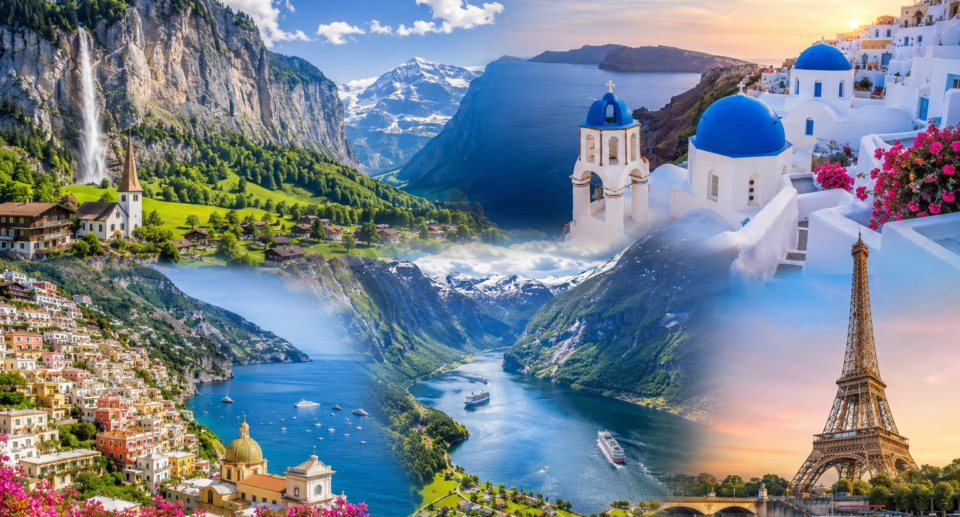
Italy is a year-round destination, but the best time to visit depends on where you are going and what you want to experience. The country’s geography creates significant differences between the Alps in the north, the Mediterranean coastlines in the south, and major cities such as Rome, Florence and Venice.
Spring and autumn are popular for sightseeing because of their generally comfortable conditions, while summer is ideal for many coastal and island destinations. Winter brings a quieter atmosphere to Italy’s cities and offers opportunities for skiing in the northern mountains.
From exploring historic cities and countryside landscapes to enjoying Mediterranean beaches and Alpine scenery, choosing the right season can make a major difference to your trip.
In this guide, we’ll break down Italy’s weather by season and month, explain where to go throughout the year, and help you decide when to plan your Italian holiday in 2026.
Quick Comparison: Best Time to Visit Italy
| Season | Months | Weather | Crowds | Best For |
|---|---|---|---|---|
| Spring | March–May | Mild and pleasant | Moderate | Cities, countryside & sightseeing |
| Summer | June–August | Hot and sunny | High | Beaches, islands & mountains |
| Autumn | September–November | Mild to cool | Moderate | Food, wine, cities & countryside |
| Winter | December–February | Cool to cold | Lower | Cities, Christmas & skiing |
Quick Take
- Best overall: April–May and September–October
- Best for beaches: June–September
- Best for the Dolomites: June–September
- Best for city sightseeing: March–May and September–November
- Best for food and wine: September–November
- Best for skiing: December–March
- Best for lower crowds: November–February, outside major holiday periods
The ideal month ultimately depends on the region you plan to visit. Northern Italy can feel very different from Sicily or Sardinia during the same month, so choosing the right destination for the season is just as important as choosing the right travel dates.
Italy by Season
🌸 Spring in Italy — March to May
Spring is one of the most comfortable periods for exploring Italy. Temperatures generally become milder, landscapes turn greener and many destinations are easier to explore than during the peak summer months.
March can still feel cool in northern Italy, while April and May are typically more suitable for outdoor sightseeing and countryside trips.
Best Places to Visit in Spring
- Rome — sightseeing and historic landmarks
- Florence — museums, architecture and walking tours
- Tuscany — countryside and scenic road trips
- Venice — canals and historic neighborhoods
- Lake Como — lakeside scenery
- Puglia — coastal towns before the peak summer season
- Sicily — sightseeing and outdoor exploration
Why Visit Italy in Spring?
- Comfortable conditions for sightseeing
- Green countryside and blooming landscapes
- Good season for city breaks
- Suitable for walking tours
- Excellent time for countryside exploration
- Generally less intense than peak summer
Best months: April and May
☀️ Summer in Italy — June to August
Summer is Italy’s busiest travel season and is particularly popular for coastal destinations and islands. Temperatures can become hot, especially in central and southern Italy.
The northern mountains offer a cooler alternative, while destinations such as Sardinia, Sicily, Puglia and the Amalfi Coast are popular for summer holidays.
Best Places to Visit in Summer
- Sardinia — beaches and coastal scenery
- Sicily — beaches, culture and island travel
- Amalfi Coast — coastal scenery
- Puglia — beaches and seaside towns
- Capri — island experiences
- Dolomites — hiking and mountain scenery
- Lake Como — lakeside travel
Why Visit Italy in Summer?
- Long daylight hours
- Excellent conditions for beaches
- Ideal season for island trips
- Mountain hiking becomes accessible
- Outdoor dining and evening activities
- Many coastal attractions are fully operational
Best months: June and September for a balance of summer weather and potentially more manageable conditions.
🍂 Autumn in Italy — September to November
Autumn is another excellent season for exploring Italy, especially if you want to combine sightseeing with food, wine and countryside experiences. September can still feel like summer in many coastal areas, while October brings cooler temperatures and comfortable conditions for exploring cities and historic towns.
By November, northern Italy becomes noticeably cooler, while southern destinations can remain relatively mild.
Best Places to Visit in Autumn
- Tuscany — vineyards, countryside and food
- Florence — art, architecture and museums
- Rome — historic attractions and walking tours
- Bologna — food and culinary experiences
- Sicily — coastal scenery and cultural exploration
- Puglia — towns, food and coastal landscapes
- Lake Como — lakeside scenery and quieter travel
Why Visit Italy in Autumn?
- Comfortable sightseeing conditions
- Excellent season for food and wine
- Countryside landscapes and vineyards
- Fewer summer crowds in many destinations
- Good conditions for city breaks
- Pleasant temperatures during early autumn
Best months: September and October
❄️ Winter in Italy — December to February
Winter offers a different side of Italy. Major cities can be quieter than during the warmer months, while northern mountain regions become popular for skiing and winter activities.
December also brings Christmas markets, seasonal decorations and festive events to many Italian cities.
Best Places to Visit in Winter
- Rome — museums and historic landmarks
- Florence — art galleries and museums
- Venice — quieter city exploration
- Bologna — food and indoor cultural experiences
- Dolomites — skiing and winter sports
- Milan — shopping, culture and Christmas atmosphere
- Turin — museums, cafés and winter culture
Why Visit Italy in Winter?
- Lower visitor numbers in many cities
- Potentially lower accommodation costs outside holidays
- Skiing in northern Italy
- Christmas markets and festive events
- Excellent museum and cultural experiences
- A quieter atmosphere in many historic centers
Best months: December for festive travel and January–February for winter sports and quieter city trips.
Italy Weather by Month
January
January is one of the coldest months in Italy, particularly in the north. Cities such as Rome and Florence can still be explored comfortably with appropriate clothing, while the Alps are firmly in their winter season.
Best for: Skiing, museums, city breaks and winter travel.
Consider: Northern Italy can be cold and snowy, while southern Italy is generally milder.
February
February remains a winter month across most of Italy. It is a particularly interesting time to visit Venice because of the annual Carnival period, while the Dolomites remain popular for winter sports.
Best for: Venice Carnival, skiing and quieter city trips.
Consider: Weather can be cold and changeable.
March
March marks the transition toward spring. Temperatures begin to rise, especially in central and southern Italy, although northern regions can still experience cool conditions.
Best for: Rome, Florence, Sicily and cultural sightseeing.
Consider: Pack layers because conditions can vary throughout the day.
April
April is one of the most comfortable months for exploring Italy. Spring landscapes become more vibrant, while temperatures are generally suitable for walking tours and outdoor sightseeing.
Best for: Tuscany, Rome, Florence, Venice and Puglia.
Consider: Rain showers are still possible.
May
May brings warmer conditions without the intense summer heat experienced later in the year. It is a particularly versatile month for combining cities, countryside and coastal destinations.
Best for: Amalfi Coast, Lake Como, Tuscany, Rome and Florence.
Consider: Popular destinations begin becoming busier toward the end of the month.
June
June marks the beginning of the main summer travel period. Coastal areas become increasingly popular, while the Dolomites become suitable for hiking and outdoor activities.
Best for: Beaches, islands, lakes and mountain destinations.
Consider: Tourist numbers increase, particularly toward the end of the month.
July
July is typically hot across much of Italy and is one of the busiest months for tourism. Coastal and island destinations are particularly popular.
Best for: Sardinia, Sicily, Puglia, Capri and the Amalfi Coast.
Consider: Major cities can become very hot, and popular attractions can be crowded.
August
August is the height of the Italian summer. Beaches and coastal destinations are especially busy, while temperatures can be high across central and southern regions.
Best for: Beaches, islands and mountain escapes.
Consider: Book accommodation and transport well in advance, particularly for popular destinations.
September
September combines many of the benefits of summer with gradually more comfortable temperatures. Coastal destinations remain attractive while cities and countryside become easier to explore.
Best for: Tuscany, Sicily, Amalfi Coast, Puglia, Lake Como and Rome.
Consider: Early September can still feel like peak summer in southern Italy.
October
October is one of the most versatile months for an Italy trip. Temperatures become cooler, making long city walks and countryside exploration comfortable in many regions.
Best for: Tuscany, Florence, Rome, Bologna, Sicily and food-focused trips.
Consider: Coastal weather becomes less predictable later in the month.
November
November brings cooler and wetter conditions to many parts of Italy. However, it can be a good period for museums, historic cities and culinary experiences.
Best for: Rome, Florence, Bologna, Milan and cultural travel.
Consider: Some coastal destinations operate on reduced schedules outside the main season.
December
December brings winter conditions along with Christmas markets, festive decorations and seasonal events in many Italian cities.
Best for: Rome, Milan, Florence, Venice and Alpine destinations.
Consider: Accommodation prices can rise around Christmas and New Year.
Best Time to Visit Italy by Travel Style
Italy works well throughout the year, but different seasons suit different types of trips.
🏖️ Best for Beach Holidays
Best months: June–September
Recommended destinations:
- Sardinia
- Sicily
- Puglia
- Capri
- Amalfi Coast
- Cinque Terre
Summer offers the warmest conditions for swimming, coastal activities and island trips.
🏛️ Best for City Sightseeing
Best months: March–May and September–October
Recommended destinations:
- Rome
- Florence
- Venice
- Bologna
- Milan
- Verona
Milder temperatures can make walking between museums, historic landmarks and neighborhoods more comfortable than during the hottest summer months.
🍷 Best for Food & Wine
Best months: September–November
Recommended destinations:
- Tuscany
- Emilia-Romagna
- Piedmont
- Bologna
- Sicily
- Puglia
Autumn is particularly well suited to food-focused trips, with seasonal produce, wine regions and culinary experiences across several parts of Italy.
🏔️ Best for Mountains & Hiking
Best months: June–September
Recommended destinations:
- Dolomites
- Lake Como
- Lake Garda
- Lake Maggiore
- Northern Italian Alps
Summer provides access to many mountain hiking routes and outdoor activities.
⛷️ Best for Skiing
Best months: December–March
Recommended destinations:
- Dolomites
- Aosta Valley
- Piedmont Alps
- Lombardy’s mountain resorts
Winter brings snow conditions suitable for skiing and other mountain activities, although conditions vary by altitude and year.
💕 Best for Couples
Best months: April–June and September–October
Recommended destinations:
- Lake Como
- Amalfi Coast
- Venice
- Capri
- Tuscany
- Ravello
These periods can offer a useful combination of comfortable sightseeing conditions and scenic landscapes.
💰 Best for Lower-Cost Travel
Best months: November–February, excluding major holiday periods
Recommended destinations:
- Rome
- Florence
- Bologna
- Turin
- Milan
- Venice
Winter can offer lower demand in some destinations, although prices vary significantly by city, events and holiday periods.
Italy Travel Tips for 2026
1. Book Popular Destinations Early
For destinations such as the Amalfi Coast, Cinque Terre, Lake Como, Capri and Venice, accommodation can become limited during the summer months. Booking earlier can give you more choice of hotels and locations.
2. Consider the Shoulder Seasons
April–May and September–October can be useful periods for travelers who want to combine comfortable sightseeing with a less intense summer atmosphere.
3. Plan Around Regional Weather
Italy does not have one uniform climate. Northern mountain areas can be considerably cooler than Sicily or Sardinia during the same month.
Check the weather for each region on your itinerary rather than relying only on a national forecast.
4. Reserve Major Attractions
Popular attractions in Rome, Florence and Venice can receive large numbers of visitors. Booking timed-entry tickets where available can help organize your sightseeing schedule.
5. Leave Time Between Destinations
Italy’s major cities may be well connected by rail, but traveling between cities still takes time. Avoid packing too many destinations into a short itinerary.
6. Pack for Changing Conditions
Spring and autumn can have significant temperature changes between mornings and afternoons. Lightweight layers, comfortable walking shoes and a light rain jacket are useful additions.
7. Check Local Transport
Public transport is practical in many major cities, while a rental car can be more useful for countryside destinations such as Tuscany, Puglia and parts of Sicily.
8. Check Seasonal Opening Hours
Some coastal businesses, hotels and attractions operate differently outside the main summer season. Check opening hours before traveling to smaller destinations.
9. Expect Higher Demand in August
August is particularly popular for summer holidays. Coastal destinations and islands can become very busy, while some smaller businesses may have different operating schedules.
10. Choose Your Region Before Choosing Your Dates
Rather than asking only “When is the best time to visit Italy?”, first decide what you want to experience.
Beach holiday → June–September
City sightseeing → March–May or September–October
Food & wine → September–November
Mountain hiking → June–September
Skiing → December–March
Christmas atmosphere → December
Frequently Asked Questions
What is the best month to visit Italy?
May and September are two of the most versatile months for an Italy trip. They can offer a good balance of sightseeing conditions, outdoor activities and access to destinations across different regions.
What is the best time to visit Italy for the first time?
For a first trip focused on cities and major landmarks, April–May or September–October can work well. These periods are generally more comfortable for walking-heavy itineraries than the hottest part of summer.
Is Italy better in summer or winter?
It depends on the type of trip. Summer is better suited to beaches, islands and many mountain activities, while winter works well for city breaks, Christmas travel and skiing in northern Italy.
What is the rainy season in Italy?
Italy does not have one single rainy season because weather varies considerably between regions. Spring and autumn can bring rain in many areas, while northern Italy generally experiences different conditions from the Mediterranean south.
Is August a good time to visit Italy?
August can be a good choice for beach and island holidays, but it is also one of the busiest periods of the year. Popular coastal destinations can be crowded and accommodation demand can be high.
What is the cheapest month to visit Italy?
There is no single cheapest month across the entire country. January, February and November can offer lower demand in some cities and destinations, although prices vary depending on holidays, events and local demand.
How many days are enough for Italy?
For a first trip, 7–10 days can work well if you focus on a few destinations. With around two weeks or more, you can combine several regions without making the itinerary entirely travel-focused.
When is the best time to visit the Amalfi Coast?
May, June, September and early October can be good periods for exploring the Amalfi Coast. July and August are popular summer months and can be particularly busy.
When is the best time to visit the Dolomites?
June to September is generally the main season for hiking and summer mountain activities. Winter, particularly December to March, is suitable for skiing and other snow-based activities.
When is the best time to visit Tuscany?
April–June and September–October are popular periods for exploring Tuscany’s countryside, historic towns, vineyards and cities.
When is the best time to visit Italy for food and wine?
September through November is particularly suitable for food and wine-focused travel, especially in regions such as Tuscany, Piedmont and Emilia-Romagna.
Can you visit Italy in winter?
Yes. Winter is a good option for travelers interested in museums, historic cities, Christmas events and skiing. Coastal destinations can be considerably quieter outside the main summer season.
Conclusion
There is no single best month to visit Italy because the country offers very different experiences throughout the year.
For a balanced first trip, April–May and September–October are strong periods for combining cities, countryside and cultural attractions. If beaches and islands are the priority, June–September is the main summer season. For skiing and winter mountain travel, December–March is more suitable.
The most important factor is matching your travel dates with the regions you want to explore. Italy’s cities, lakes, mountains, countryside and Mediterranean coastlines each have their own seasonal appeal.
Whether you’re planning a short city break, a countryside road trip, a coastal holiday or a longer multi-region itinerary, choosing the right season can make your Italy experience more comfortable and enjoyable.