Croatia is one of Europe’s most diverse Mediterranean destinations.
Stretching along the Adriatic Sea, the country combines historic coastal cities, thousands of islands and islets, clear blue water, national parks, medieval villages, vineyards and dramatic mountain landscapes.
The famous destinations are only part of the story.
Dubrovnik offers spectacular historic architecture and Adriatic views. Split combines Roman heritage with a lively waterfront. Hvar brings together beaches, island scenery and historic streets, while Korčula offers a slower Mediterranean atmosphere.
Away from the coast, Plitvice Lakes National Park and Paklenica National Park provide some of Croatia’s most impressive natural landscapes. Croatia’s official tourism organization highlights the country’s combination of historic monuments, landscapes, beaches, gastronomy and outdoor experiences.
This guide covers 25 of the best places to visit in Croatia in 2026, including famous destinations, islands, national parks, coastal towns and places that can add something different to a Croatia itinerary.
Croatia Destinations at a Glance
| Destination | Best Known For | Best For |
|---|---|---|
| Dubrovnik | Old Town & city walls | History & coastal views |
| Split | Diocletian’s Palace | History & island trips |
| Hvar | Beaches & nightlife | Islands & summer |
| Korčula | Old Town & vineyards | Couples & culture |
| Plitvice Lakes | Lakes & waterfalls | Nature |
| Rovinj | Old Town & coastline | Romance & culture |
| Zadar | Sunset & historic center | City breaks |
| Šibenik | Medieval architecture | History |
| Trogir | UNESCO-listed old town | Short trips |
| Brač | Beaches & nature | Island holidays |
| Vis | Secluded coves | Slow travel |
| Mljet | National park | Nature & relaxation |
| Krk | Beaches & villages | Families |
| Pag | Beaches & landscapes | Summer & nightlife |
| Cres | Nature & quiet villages | Outdoor travel |
| Lošinj | Wellness & coastline | Relaxation |
| Pula | Roman heritage | History |
| Motovun | Hilltop village & truffles | Food & countryside |
| Opatija | Historic resort | Couples |
| Zagreb | Culture & city life | City breaks |
| Makarska | Beaches & mountains | Coast & outdoor travel |
| Cavtat | Waterfront & old town | Relaxation |
| Ston | Walls & food | History & gastronomy |
| Pelješac | Wine & coastline | Wine travel |
| Paklenica | Hiking & climbing | Adventure |
How We Selected These Places
Croatia offers very different experiences depending on where you travel.
For this guide, we considered:
- Historic and cultural significance
- Natural landscapes
- Beaches and coastline
- Islands
- Outdoor activities
- Food and wine
- Scenic surroundings
- Accessibility
- Suitability for different travel styles
The goal is not to rank these destinations from first to last. Instead, the list provides a range of Croatian experiences so travelers can build an itinerary around their interests.
25 Best Places to Visit in Croatia
1. Dubrovnik
Dubrovnik is one of Croatia’s most recognizable destinations.
Its historic Old Town sits beside the Adriatic and is surrounded by massive stone walls, while narrow streets, historic buildings and viewpoints create an unforgettable setting.
Walking along the city walls is one of the essential experiences, particularly in the early morning or later afternoon.
The official Dubrovnik tourism information describes the city as a historic coastal destination surrounded by the Adriatic and highlights its museums, galleries, cultural events, gastronomy and nearby islands.
Don’t Miss
- Dubrovnik Old Town
- City Walls
- Stradun
- Lovrijenac Fortress
- Mount Srđ
- Lokrum Island
Best for: History, architecture, couples and coastal scenery.
2. Split
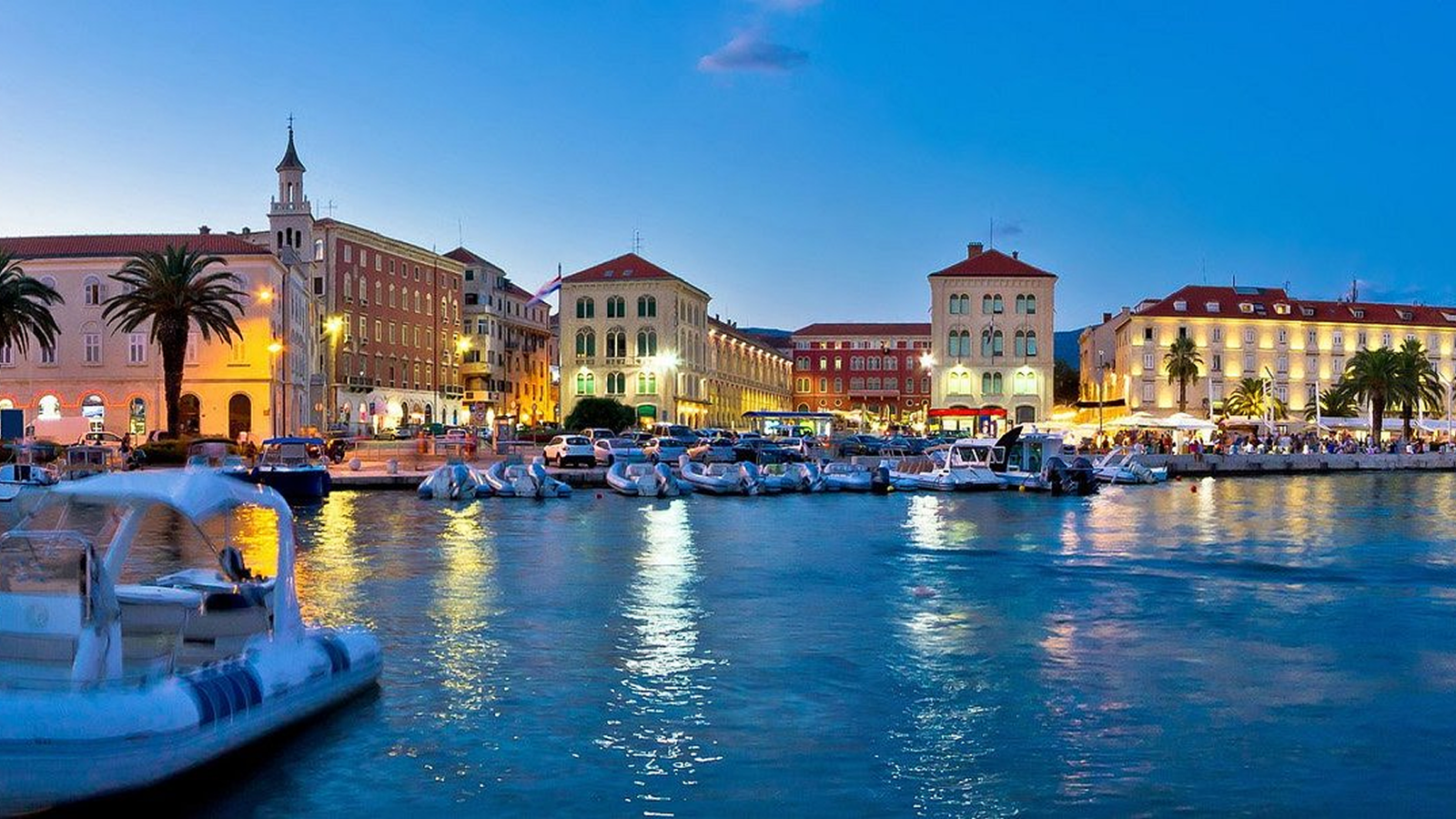
Split is one of the best places in Croatia for combining history with a lively Mediterranean atmosphere.
The heart of the city is Diocletian’s Palace, a Roman complex that has become integrated into everyday city life.
Cafés, restaurants, shops and historic streets occupy spaces around the ancient architecture.
Split also works as an excellent base for exploring nearby islands and national parks.
Don’t Miss
- Diocletian’s Palace
- Riva waterfront
- Peristyle
- Marjan Hill
- Old Town
- Day trips to nearby islands
Best for: History, city breaks and island hopping.
3. Hvar
Hvar is one of Croatia’s best-known island destinations.
The island combines historic architecture, beaches, clear Adriatic water and a lively summer atmosphere.
Hvar Town is the main base for many visitors, while the rest of the island offers smaller villages, coves, vineyards and quieter landscapes.
Don’t Miss
- Hvar Old Town
- Fortica Fortress
- Pakleni Islands
- Stari Grad
- Local vineyards
- Hidden coves
Best for: Island holidays, beaches, couples and nightlife.
4. Korčula
Korčula offers a more relaxed island experience than some of Croatia’s busier destinations.
The historic town features stone streets and traditional Mediterranean architecture, while the island’s interior is known for vineyards, olive groves and small villages.
The island is also well suited to cycling, swimming and exploring coastal landscapes.
The Dubrovnik-Neretva tourism region highlights Korčula’s opportunities for active tourism and outdoor activities.
Don’t Miss
- Korčula Old Town
- St. Mark’s Cathedral
- Local vineyards
- Lumbarda
- Coastal coves
Best for: Couples, culture and slower island travel.
5. Plitvice Lakes National Park
Plitvice Lakes is one of Croatia’s most spectacular natural destinations.
The national park is famous for its interconnected lakes, waterfalls, wooded landscapes and turquoise-green water.
Walking trails and boardwalks allow visitors to explore different parts of the park.
The park was added to the UNESCO World Heritage List in 1979, and Croatia’s tourism materials describe it as a major destination for nature lovers.
Best For
- Hiking
- Photography
- Nature
- Families
- Day trips
Best for: Nature lovers.
6. Rovinj
Rovinj is one of Istria’s most picturesque coastal towns.
Its historic center sits on a peninsula overlooking the Adriatic, with colorful buildings, narrow streets and waterfront restaurants.
The surrounding Istrian region is also known for olive oil, wine and truffles.
Croatia’s tourism material highlights Istria’s wine producers, olive oil and truffle-rich forests.
Don’t Miss
- Old Town
- Church of St. Euphemia
- Rovinj harbor
- Golden Cape
- Istrian food and wine
Best for: Couples, food and scenic coastal towns.
7. Zadar
Zadar combines Roman and medieval heritage with a contemporary waterfront.
The city’s location on the northern Dalmatian coast makes it a convenient base for exploring islands and national parks.
Its waterfront is particularly popular around sunset.
Don’t Miss
- Sea Organ
- Greeting to the Sun
- Roman Forum
- St. Donatus Church
- Old Town
Best for: Short city breaks, sunsets and history.
8. Šibenik
Šibenik is a historic coastal city with a strong medieval character.
Its stone streets, fortresses and waterfront create a more intimate atmosphere than some of Croatia’s larger tourist destinations.
The city also provides convenient access to nearby national parks.
Don’t Miss
- St. James’ Cathedral
- St. Michael’s Fortress
- Barone Fortress
- Old Town
- Krka National Park
Best for: History and coastal exploration.
9. Trogir
Trogir is a small historic town near Split.
Its compact old center contains medieval streets, stone buildings, churches and waterfront promenades.
Because of its size, Trogir works particularly well as a half-day or full-day visit.
Don’t Miss
- Historic Old Town
- Kamerlengo Fortress
- Cathedral of St. Lawrence
- Waterfront promenade
- Local restaurants
Best for: History and short trips.
10. Brač
Brač is one of Croatia’s best-known islands and is easily combined with a trip to Split.
The island is particularly famous for Zlatni Rat, a distinctive beach near Bol whose shape changes with wind and sea conditions.
Beyond the beach, Brač offers hiking, villages and traditional stone architecture.
Don’t Miss
- Zlatni Rat
- Bol
- Vidova Gora
- Supetar
- Island villages
Best for: Beaches, hiking and families.
11. Vis
Vis is a strong choice for travelers seeking a slower island experience.
Its relative distance from mainland Croatia helped preserve a more relaxed atmosphere, while the island offers clear water, coves, vineyards and small villages.
Don’t Miss
- Vis Town
- Komiža
- Stiniva Cove
- Blue Cave excursions
- Local wine
Best for: Slow travel, swimming and couples.
12. Mljet
Mljet is one of Croatia’s greenest islands.
Much of its appeal comes from its natural environment, including forests, coastal landscapes and the protected area of Mljet National Park.
It is particularly attractive for travelers who want to combine island scenery with hiking and outdoor activities.
Don’t Miss
- Mljet National Park
- Veliko Jezero
- Malo Jezero
- Pomena
- Coastal trails
Best for: Nature, hiking and relaxation.
13. Krk
Krk is one of the larger Croatian islands and is connected to the mainland by a bridge.
This makes it relatively convenient for travelers on a Croatian road trip.
The island offers beaches, villages, walking trails, restaurants and coastal landscapes.
Don’t Miss
- Krk Town
- Baška
- Vrbnik
- Coastal villages
- Local wine
Best for: Families and road trips.
14. Pag
Pag has a distinctive landscape that sets it apart from many other Croatian islands.
The island’s rocky terrain and dramatic coastline create an almost lunar appearance in some areas.
Pag is also famous for its cheese and summer nightlife.
Don’t Miss
- Pag Town
- Novalja
- Zrće Beach
- Pag cheese
- Moon-like landscapes
Best for: Beaches, food and summer entertainment.
15. Cres
Cres offers a quieter alternative to some of Croatia’s more heavily visited islands.
The island combines rugged coastline, forests, traditional villages and opportunities for outdoor activities.
It is particularly attractive to travelers who prefer nature over nightlife.
Don’t Miss
- Cres Town
- Lubenice
- Valun
- Coastal hiking
- Beaches and coves
Best for: Nature and slow travel.
16. Lošinj
Lošinj is known for its clean coastal environment, pine forests and wellness tradition.
The island’s towns, walking paths and waterfront promenades make it particularly suitable for relaxed holidays.
Don’t Miss
- Mali Lošinj
- Veli Lošinj
- Čikat Bay
- Coastal walks
- Wellness experiences
Best for: Wellness, couples and relaxation.
17. Pula
Pula is one of Croatia’s most interesting destinations for Roman history.
The city is home to one of the best-preserved Roman amphitheaters in the world.
Its location in Istria also means travelers can combine history with beaches, vineyards and regional cuisine.
Don’t Miss
- Pula Arena
- Temple of Augustus
- Old Town
- Cape Kamenjak
- Istrian food
Best for: History and coastal road trips.
18. Motovun
Motovun is a hilltop medieval town in the heart of Istria.
The town is surrounded by vineyards, forests and countryside.
The region is particularly associated with truffles, wine and olive oil, making Motovun an interesting stop for culinary travelers.
Don’t Miss
- Medieval walls
- Hilltop views
- Truffle dishes
- Istrian wine
- Local olive oil
Best for: Food, wine and countryside.
19. Opatija
Opatija has a long history as a seaside resort.
Its elegant villas, landscaped parks and waterfront promenade reflect the town’s Austro-Hungarian-era heritage.
The destination combines historic architecture with views over the Kvarner Gulf.
Don’t Miss
- Lungomare promenade
- Villa Angiolina
- St. Jacob’s Park
- Waterfront
- Historic villas
Best for: Couples, architecture and relaxed coastal holidays.
20. Zagreb
Croatia’s capital provides a completely different experience from the Adriatic coast.
Zagreb is ideal for travelers who want museums, cafés, markets, architecture and city culture.
It also works well as the beginning or end of a longer Croatian road trip.
Don’t Miss
- Upper Town
- St. Mark’s Church
- Dolac Market
- Museum of Broken Relationships
- Tkalčićeva Street
Best for: City breaks and culture.
21. Makarska
Makarska sits between the Adriatic Sea and the dramatic Biokovo mountain range.
The combination of mountains and beaches makes the destination visually striking.
It is particularly attractive to travelers who want to combine swimming with outdoor activities.
Don’t Miss
- Makarska waterfront
- Beaches
- Biokovo Nature Park
- Skywalk Biokovo
- Nearby coastal villages
Best for: Beaches, hiking and outdoor travel.
22. Cavtat
Cavtat is located south of Dubrovnik and offers a quieter coastal alternative to staying inside Dubrovnik’s busy Old Town.
The town has a waterfront promenade, small beaches, restaurants and historic sites.
It can also work well as a base for exploring the Dubrovnik region.
Don’t Miss
- Waterfront
- Old Town
- Cavtat promenade
- Beaches
- Boat trips
Best for: Relaxation and couples.
23. Ston
Ston is located on the Pelješac Peninsula and is famous for its historic defensive walls.
The town also has a strong food identity, particularly around oysters and local seafood.
The surrounding Pelješac region is associated with vineyards and traditional Mediterranean landscapes.
Don’t Miss
- Ston Walls
- Ston Old Town
- Local oysters
- Saltworks
- Pelješac wine
Best for: History and gastronomy.
24. Pelješac Peninsula
Pelješac is one of Croatia’s most interesting destinations for wine travelers.
The peninsula combines vineyards, coastal scenery, traditional villages and access to the Adriatic.
Orebić is one of the main places to explore, while local wineries provide opportunities to taste wines from the region.
Croatia’s official destination information describes the area around Orebić as a place combining sea, wind, wine and tradition and highlights Pelješac’s wines.
Don’t Miss
- Orebić
- Ston
- Local wineries
- Vineyards
- Coastal viewpoints
Best for: Wine, food and road trips.
25. Paklenica National Park
Paklenica is one of Croatia’s strongest destinations for adventure travel.
The national park contains the dramatic Velika and Mala Paklenica canyons, with hiking and climbing opportunities.
The wider area also offers rafting, cycling, caves and water-based activities.
Croatia’s tourism authorities specifically highlight hiking, climbing, rafting, canoeing and cycling in the Paklenica region.
Don’t Miss
- Velika Paklenica Canyon
- Mala Paklenica Canyon
- Manita Peć Cave
- Hiking trails
- Climbing routes
Best for: Hiking, climbing and adventure.
Best Croatian Islands
Croatia’s islands are among the country’s biggest attractions.
Hvar
Best for a combination of beaches, historic towns and summer atmosphere.
Brač
Best for beaches and easy access from Split.
Korčula
Best for culture, wine and slower island travel.
Vis
Best for quieter coves and a relaxed atmosphere.
Mljet
Best for nature and national park experiences.
Cres
Best for outdoor travel and fewer crowds.
Krk
Best for families and road trips.
Lošinj
Best for wellness and relaxation.
Best Beaches in Croatia
Croatia has hundreds of beaches and coves, with different types of coastline across the Adriatic.
Zlatni Rat — Brač
A distinctive beach near Bol.
Stiniva — Vis
A dramatic cove surrounded by cliffs.
Dubovica — Hvar
A picturesque bay south of Hvar Town.
Punta Rata — Brela
A well-known beach along the Makarska Riviera.
Sakarun — Dugi Otok
A sandy-pebble beach surrounded by Mediterranean vegetation.
Banje Beach — Dubrovnik
A convenient beach close to Dubrovnik’s historic center.
Best Historic Cities in Croatia
Dubrovnik
Best for medieval architecture and fortified walls.
Split
Best for Roman history integrated into everyday city life.
Trogir
Best for a compact historic center.
Šibenik
Best for medieval architecture and fortresses.
Zadar
Best for ancient history combined with a modern waterfront.
Zagreb
Best for museums, architecture and urban culture.
Best Places for Nature & Hiking
Croatia offers far more than beaches.
Plitvice Lakes
Best for waterfalls, lakes and forest landscapes.
Paklenica
Best for canyons, hiking and climbing.
Mljet
Best for island nature.
Biokovo
Best for mountain views above the Adriatic.
Cres
Best for coastal landscapes and quieter hiking.
Croatia’s official tourism material emphasizes the country’s combination of mountains, forests, sea and outdoor activities.
Best Hidden Gems in Croatia
If you want to move beyond Croatia’s most famous destinations, consider:
Ston
Historic walls, oysters and wine.
Motovun
Hilltop architecture, truffles and vineyards.
Cavtat
A quieter coastal alternative near Dubrovnik.
Cres
Rugged nature and traditional villages.
Vis
A slower island atmosphere.
Opatija
Historic seaside architecture and the Kvarner Gulf.
Vela Luka
A relaxed destination on western Korčula surrounded by vineyards, olive trees and Mediterranean scenery.
Best Places in Croatia for Couples
Croatia offers plenty of destinations suited to romantic trips.
Dubrovnik
Historic streets and spectacular sea views.
Rovinj
A charming Istrian coastal setting.
Hvar
Island scenery and sunset experiences.
Korčula
Wine, beaches and historic streets.
Opatija
Historic villas and waterfront walks.
Cavtat
A quieter alternative near Dubrovnik.
Best Places in Croatia for Families
Families may prefer destinations that combine beaches with easy access to restaurants, activities and accommodation.
Consider:
- Split
- Brač
- Krk
- Makarska
- Istria
- Zadar
- Lošinj
For families who enjoy nature, Plitvice Lakes can also be incorporated into a wider Croatia itinerary.
Best Time to Visit Croatia
May to June
Late spring and early summer can be excellent for sightseeing and outdoor activities.
The weather is generally comfortable, while the peak summer season has not fully arrived.
Best for:
- City breaks
- Hiking
- Road trips
- Islands
- Outdoor activities
July to August
These are the main summer months.
The Adriatic coast is at its busiest, with beaches, islands and historic cities attracting large numbers of visitors.
Best for:
- Swimming
- Beaches
- Island holidays
- Sailing
- Summer nightlife
Book accommodation and transportation early for popular destinations.
September
September can be an attractive month for Croatia.
The sea remains warm enough for swimming while the intensity of peak summer begins to decline.
Best for:
- Islands
- Beaches
- Food and wine
- Road trips
- Couples
October to April
The coast becomes considerably quieter outside the main season.
This period can work well for Zagreb, Istria, Dubrovnik and cultural travel, although some seasonal island and coastal businesses may operate on reduced schedules.
Suggested Croatia Itineraries
5-Day Croatia Trip
Days 1–2: Dubrovnik
Explore the Old Town and city walls.
Day 3: Cavtat
Spend a day along the coast.
Days 4–5: Split
Explore Diocletian’s Palace and the waterfront.
7-Day Croatia Coast Itinerary
Day 1: Split
Day 2: Split
Day 3: Hvar
Day 4: Hvar
Day 5: Korčula
Day 6: Dubrovnik
Day 7: Dubrovnik
This route focuses on the Dalmatian coast and islands.
10-Day Croatia Road Trip
Days 1–2: Zagreb
Day 3: Plitvice Lakes
Days 4–5: Zadar
Day 6: Šibenik
Day 7: Split
Days 8–9: Hvar
Day 10: Dubrovnik
This itinerary combines Croatia’s inland capital, national parks, historic cities and Adriatic coastline.
14-Day Croatia Itinerary
Days 1–2: Zagreb
Day 3: Plitvice Lakes
Days 4–5: Rovinj
Day 6: Pula
Days 7–8: Zadar
Day 9: Šibenik
Days 10–11: Split
Day 12: Hvar
Day 13: Korčula
Day 14: Dubrovnik
This route provides a broad introduction to Croatia’s different regions.
Croatia Travel Tips
1. Don’t Try to See Everything
Croatia may look relatively compact on a map, but island hopping and coastal travel can take time.
Choose a few regions rather than rushing through the entire country.
2. Combine Islands With Mainland Cities
A route such as:
Split → Hvar → Korčula → Dubrovnik
can provide a strong mix of city, island and coastal experiences.
3. Book Summer Ferries Early
Popular island routes can become busy during July and August.
Check schedules before finalizing your itinerary.
4. Explore Beyond Dubrovnik
Dubrovnik is spectacular, but nearby destinations such as Cavtat, Ston, Pelješac and Mljet can add variety to a southern Croatia trip.
5. Try Local Food
Croatian cuisine varies significantly between regions.
Look for:
- Fresh seafood
- Octopus
- Black risotto
- Peka
- Pag cheese
- Istrian truffles
- Olive oil
- Local wines
6. Include at Least One National Park
Croatia isn’t only about the Adriatic coast.
Plitvice and Paklenica offer completely different landscapes and experiences.
7. Consider Shoulder Season
May, June and September can offer a useful balance between warm weather and the busiest summer period.
FAQs
What is the best place to visit in Croatia?
Croatia has different destinations suited to different travel styles. Dubrovnik is known for its historic setting, Split for Roman heritage and island access, Hvar for island holidays, Plitvice for nature and Rovinj for Istrian coastal scenery.
How many days do you need in Croatia?
A week works well for a focused coastal itinerary. Ten to fourteen days allow you to combine multiple regions, islands and national parks.
What are the best Croatian islands?
Hvar, Brač, Korčula, Vis, Mljet, Cres, Krk and Lošinj all offer different experiences.
What is the best time to visit Croatia?
May, June and September are particularly useful for travelers who want a combination of warm weather, outdoor activities and fewer peak-season crowds. July and August are the main summer months.
Is Dubrovnik worth visiting?
Dubrovnik offers a combination of historic architecture, fortified walls, museums, coastal scenery and access to nearby islands. It can be combined with destinations such as Cavtat, Ston and Mljet.
Is Croatia good for a road trip?
Yes. A road trip can combine inland destinations, Istria, national parks and the Adriatic coast. Island travel, however, may require separate ferry planning.
Which Croatian island is best for couples?
Hvar, Korčula, Vis and Lošinj all offer different options for couples, from historic towns and beaches to quieter landscapes and wellness experiences.
Which Croatian destination is best for nature?
Plitvice Lakes is one of Croatia’s most distinctive natural attractions, while Paklenica is particularly suitable for hiking and climbing. Mljet is another strong choice for island-based nature travel.
What is Croatia famous for?
Croatia is known for its Adriatic coastline, islands, historic cities, national parks, Mediterranean landscapes, seafood, wine and outdoor activities.
Is Croatia expensive?
Costs vary considerably by destination and season. Dubrovnik, Hvar and other popular coastal destinations can be more expensive during peak summer, while inland areas and shoulder-season travel can provide different price options.
Conclusion
Croatia offers an unusually broad combination of experiences for a relatively compact European destination.
You can walk through the historic streets of Dubrovnik, explore Roman heritage in Split, swim around the islands of Hvar and Brač, discover vineyards on Korčula and Pelješac, or hike through the forests and waterfalls of Plitvice Lakes.
The country also rewards travelers who move beyond its most famous destinations.
Rovinj and Motovun showcase Istria’s food, wine and architecture. Cres and Vis offer a slower island experience. Ston and Pelješac combine history, seafood and wine, while Paklenica provides dramatic landscapes for outdoor adventures.
For a first trip, combining Split, one or two islands, Dubrovnik and a national park provides a strong introduction to Croatia.
For a longer trip, add Istria, Zagreb, the Kvarner islands or the Pelješac Peninsula to experience a wider range of the country.
Croatia’s greatest strength is this variety: Adriatic islands, historic cities, national parks, mountain landscapes, traditional food and Mediterranean villages can all be part of the same journey.