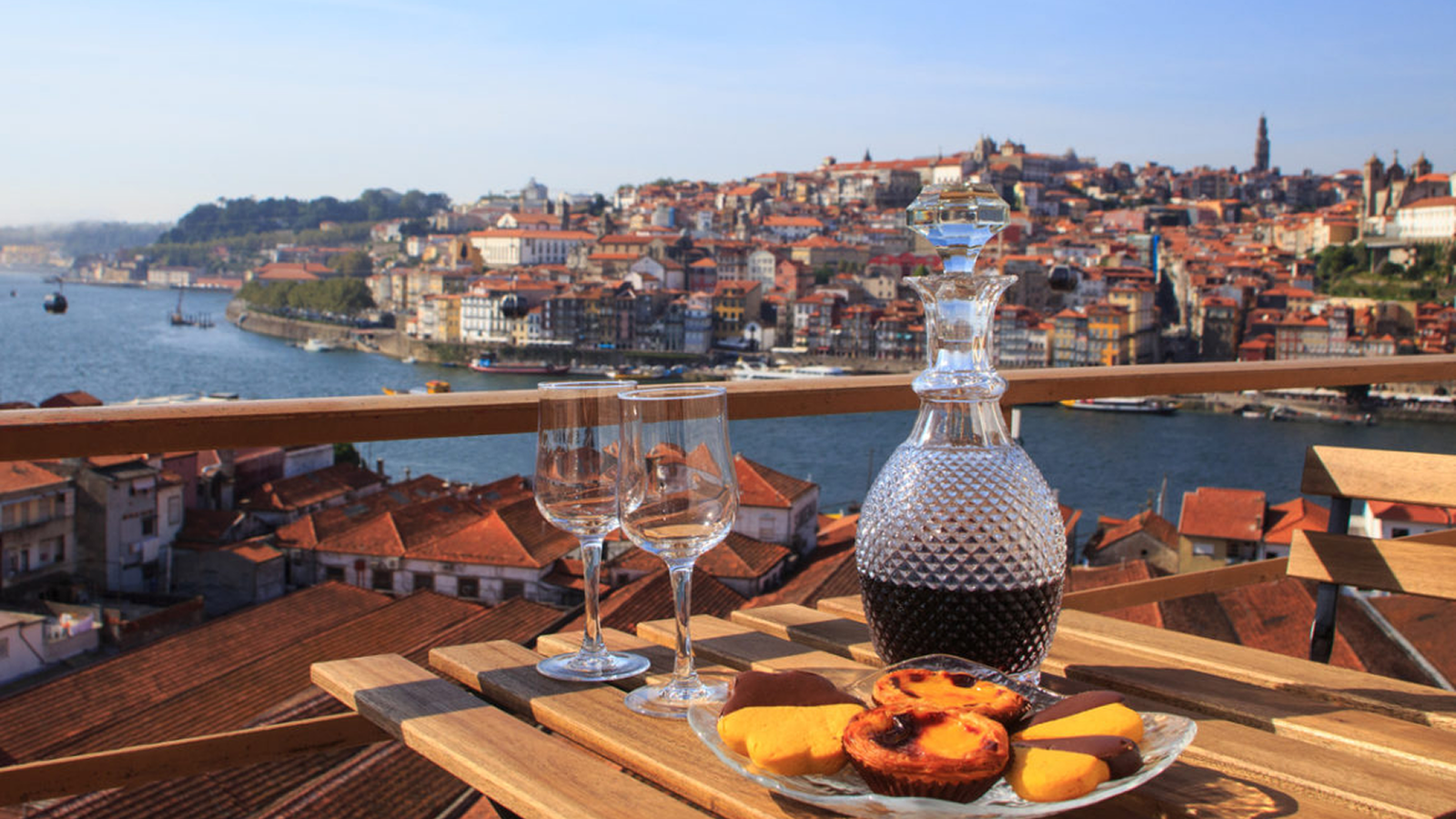
Portugal is one of Europe’s most rewarding countries for food-focused travel.
Its cuisine is shaped by the Atlantic Ocean, Mediterranean ingredients, centuries of regional traditions and a strong connection to local agriculture. Fresh fish and seafood dominate much of the coast, while inland regions are known for hearty stews, cured meats, cheeses, olive oil and distinctive wines.
Then there are the country’s famous pastries.
From pastéis de nata in Lisbon to francesinha in Porto, cataplana in the Algarve, bacalhau throughout the country and port wine in the Douro Valley, traveling through Portugal can feel like moving between completely different culinary regions.
Portugal’s official tourism resources highlight gastronomy as an important part of the country’s travel experience, with regional products, traditional recipes, wine regions and seafood playing central roles. (visitportugal.com)
This guide explores 25 of the best food destinations in Portugal for 2026, covering major cities, coastal towns, wine regions, islands and smaller destinations known for distinctive regional cuisine.
Portuguese Food Destinations at a Glance
| Destination | Best Known For | Best For |
|---|---|---|
| Lisbon | Pastéis de nata & seafood | First-time food trips |
| Porto | Port wine & francesinha | City food trips |
| Braga | Minho cuisine | Traditional food |
| Guimarães | Regional dishes | Food & culture |
| Aveiro | Seafood & ovos moles | Coastal food |
| Coimbra | Traditional Portuguese food | City breaks |
| Nazaré | Seafood | Coastal dining |
| Óbidos | Ginjinha & pastries | Food & culture |
| Peniche | Fish & seafood | Seafood |
| Ericeira | Seafood & surf culture | Coastal travel |
| Setúbal | Seafood & local wine | Food & wine |
| Sintra | Pastries | Desserts |
| Cascais | Seafood & modern dining | Coastal city breaks |
| Évora | Alentejo cuisine | Regional food |
| Monsaraz | Wine & Alentejo food | Wine travel |
| Beja | Alentejo cuisine | Traditional food |
| Coimbra | Regional cuisine | Culture |
| Douro Valley | Port wine | Wine lovers |
| Viseu | Dão wine & cuisine | Food & wine |
| Braga | Minho specialties | Traditional cuisine |
| Faro | Algarve seafood | Coastal food |
| Tavira | Seafood & Algarve cuisine | Slow travel |
| Lagos | Seafood | Beach & food |
| Funchal | Madeira cuisine | Island food |
| Ponta Delgada | Azorean cuisine | Island food |
How We Selected These Food Destinations
Portugal has strong culinary traditions across nearly every region.
For this guide, we considered destinations where travelers can experience:
- Regional cuisine
- Traditional dishes
- Seafood
- Local markets
- Wine
- Pastries and desserts
- Local agricultural products
- Historic food traditions
- Food-focused experiences
- Distinctive culinary identity
The list isn’t a ranking. Instead, it represents different types of Portuguese food destinations so travelers can build a culinary itinerary around their interests.
25 Best Food Destinations in Portugal
1. Lisbon
Lisbon is the easiest place to begin a Portuguese food journey.
The capital combines traditional taverns, seafood restaurants, bakeries, food markets and modern Portuguese cuisine.
Its neighborhoods also offer very different food experiences.
You can spend one day exploring traditional establishments in Alfama, another visiting markets and bakeries, and another trying contemporary Portuguese dishes.
Try:
- Pastéis de nata
- Bacalhau
- Sardines
- Bifana
- Polvo
- Ginjinha
Best for: First-time visitors and food-focused city breaks.
2. Porto
Porto is one of Portugal’s most distinctive culinary destinations.
The city is particularly associated with Port wine, which is produced in the Douro Valley and traditionally stored and aged in cellars around Vila Nova de Gaia.
Porto also has a strong tradition of hearty northern Portuguese food.
Try:
- Francesinha
- Tripas à moda do Porto
- Bacalhau
- Pastéis de nata
- Port wine
- Local cheeses
Best for: Wine, traditional food and city breaks.
3. Braga
Braga is an excellent destination for exploring the cuisine of northern Portugal and the Minho region.
The food tends to be hearty and strongly connected to traditional Portuguese cooking.
Try:
- Bacalhau à Braga
- Papas de sarrabulho
- Arroz de pato
- Regional pastries
- Vinho Verde
Best for: Traditional cuisine and regional food.
4. Guimarães
Guimarães combines historic architecture with the food traditions of northern Portugal.
The city’s historic center makes a particularly attractive setting for discovering local restaurants and cafés.
The surrounding Minho region is also associated with Vinho Verde, making wine an important part of the experience.
Try:
- Regional sausages
- Bacalhau
- Roasted meats
- Local pastries
- Vinho Verde
Best for: Food and culture.
5. Aveiro
Aveiro sits along Portugal’s central coast and is strongly connected to seafood and traditional sweets.
The city is particularly famous for ovos moles, a sweet made using egg yolks and sugar.
Its coastal location also makes fresh fish and seafood an important part of the local food experience.
Try:
- Ovos moles
- Fresh fish
- Seafood rice
- Eel dishes
- Local pastries
Best for: Coastal food and desserts.
6. Coimbra
Coimbra is best known internationally for its university and historic center, but it also provides an introduction to central Portuguese cuisine.
Traditional restaurants serve hearty dishes using meat, fish, legumes and seasonal ingredients.
Try:
- Chanfana
- Leitão
- Bacalhau
- Regional pastries
- Local cheeses
Best for: Culture and traditional food.
7. Nazaré
Nazaré is one of Portugal’s most atmospheric seafood destinations.
The town’s connection to fishing remains visible in its restaurants and food traditions.
Fresh fish and seafood are natural choices when dining here.
Try:
- Grilled sardines
- Sea bass
- Octopus
- Shellfish
- Seafood rice
Best for: Seafood and coastal travel.
8. Óbidos
Óbidos is a medieval walled town that provides a different type of Portuguese food experience.
The town is particularly famous for ginjinha, a sour-cherry liqueur traditionally served in small glasses and sometimes chocolate cups.
Its historic streets are also filled with cafés, bakeries and restaurants.
Try:
- Ginjinha
- Local pastries
- Traditional stews
- Regional cheeses
- Portuguese wines
Best for: Food and historic atmosphere.
9. Peniche
Peniche is a fishing and coastal destination with a strong seafood identity.
The town is surrounded by Atlantic waters and is particularly suited to travelers who want simple, fresh seafood rather than elaborate dining.
Try:
- Grilled fish
- Sardines
- Octopus
- Shellfish
- Seafood rice
Best for: Seafood and coastal road trips.
10. Ericeira
Ericeira is known internationally for surfing, but its food culture is another reason to visit.
The coastal setting makes seafood central to many local restaurants.
Traditional Portuguese dishes can easily be combined with a relaxed beach-town atmosphere.
Try:
- Grilled fish
- Octopus
- Seafood rice
- Shellfish
- Portuguese pastries
Best for: Seafood, surfing and relaxed travel.
11. Setúbal
Setúbal is located south of Lisbon and is particularly known for seafood and regional wines.
The city’s proximity to the Sado Estuary provides access to fresh fish and seafood.
Setúbal is also associated with Moscatel de Setúbal, a sweet fortified wine.
Try:
- Choco frito
- Grilled fish
- Oysters
- Moscatel de Setúbal
- Local cheeses
Best for: Seafood and wine.
12. Sintra
Sintra is one of Portugal’s most visited destinations, but it is also an excellent stop for travelers with a sweet tooth.
The town is famous for travesseiros and queijadas de Sintra, traditional pastries closely associated with the destination.
Try:
- Travesseiros
- Queijadas de Sintra
- Portuguese coffee
- Local pastries
- Regional wines
Best for: Pastries and day trips.
13. Cascais
Cascais combines a sophisticated coastal atmosphere with Portugal’s seafood traditions.
Its location close to Lisbon makes it easy to include in a culinary itinerary.
The town offers everything from casual seafood restaurants to contemporary dining.
Try:
- Fresh fish
- Shellfish
- Grilled octopus
- Portuguese pastries
- Seafood rice
Best for: Seafood and coastal dining.
14. Évora
Évora is one of the best destinations for discovering Alentejo cuisine.
The region’s cooking is often based on simple ingredients, bread, olive oil, herbs, pork and local produce.
The city itself is also a UNESCO World Heritage destination, making it easy to combine food with history.
Try:
- Açorda alentejana
- Migas
- Porco preto
- Sericaia
- Alentejo wines
Best for: Regional cuisine and wine.
15. Monsaraz
Monsaraz sits high above the Alentejo countryside and is surrounded by vineyards and rural landscapes.
It is an excellent destination for combining wine with traditional regional food.
The nearby Alqueva area also makes it attractive for travelers looking for scenic countryside.
Try:
- Alentejo cheeses
- Migas
- Local cured meats
- Olive oil
- Regional wines
Best for: Wine and countryside.
16. Beja
Beja provides another introduction to Alentejo cuisine.
The region’s food traditions are based heavily on local agriculture and traditional cooking.
Olive oil, bread, pork, cheese and wine are important parts of the culinary identity.
Try:
- Migas
- Açorda
- Porco preto
- Local cheeses
- Alentejo wines
Best for: Traditional regional food.
17. Douro Valley
The Douro Valley is one of Portugal’s most important food and wine destinations.
The steep vineyard landscapes along the Douro River create one of Europe’s most distinctive wine regions.
Port wine is particularly associated with the valley, but the region also produces other wines and has a strong traditional food culture.
Try:
- Port wine
- Douro wines
- Regional cheeses
- Cured meats
- Roast meats
- Traditional desserts
Best for: Wine travelers.
18. Viseu
Viseu sits within Portugal’s Dão wine region.
The destination offers a quieter alternative to Porto and Lisbon for travelers interested in wine and regional cuisine.
Try:
- Dão wines
- Roasted meats
- Regional cheeses
- Sausages
- Traditional pastries
Best for: Wine and food travel.
19. Faro
Faro is the gateway to the Algarve and provides an excellent introduction to southern Portuguese cuisine.
The city’s location near the Ria Formosa means seafood is central to many local dishes.
Try:
- Cataplana
- Grilled fish
- Clams
- Octopus
- Almond pastries
Best for: Algarve food and seafood.
20. Tavira
Tavira is one of the Algarve’s most attractive destinations for travelers who want a slower pace.
The town combines historic architecture with easy access to the coast and traditional Algarve cuisine.
Try:
- Cataplana
- Fresh fish
- Octopus
- Clams
- Dom Rodrigo
Best for: Slow travel, seafood and culture.
21. Lagos
Lagos combines dramatic coastline, beaches and a strong seafood tradition.
The destination works particularly well for travelers who want to combine outdoor activities with Portuguese food.
Try:
- Grilled sardines
- Seafood rice
- Octopus
- Cataplana
- Algarve pastries
Best for: Beach holidays and seafood.
22. Funchal
Funchal is the culinary gateway to Madeira.
The island’s cuisine combines Portuguese traditions with local ingredients and Atlantic influences.
Madeira wine is another major part of the island’s food culture.
Try:
- Espetada
- Bolo do caco
- Black scabbardfish
- Poncha
- Madeira wine
- Passion-fruit desserts
Best for: Island food and wine.
23. Ponta Delgada
Ponta Delgada is the main culinary gateway to São Miguel in the Azores.
Azorean cuisine is distinct from mainland Portugal and makes extensive use of local dairy products, seafood and meat.
The volcanic landscape also contributes to some unique cooking traditions.
Try:
- Cozido das Furnas
- Local cheeses
- Fresh seafood
- Lapas
- Azorean pineapple
- Regional beef
Best for: Island cuisine and food experiences.
24. Matosinhos
Matosinhos sits immediately north of Porto and is one of northern Portugal’s most recognizable seafood destinations.
The area’s restaurants are particularly associated with grilled fish and seafood.
It is easy to combine a visit with a Porto itinerary.
Try:
- Grilled sardines
- Sea bass
- Octopus
- Shellfish
- Seafood rice
Best for: Seafood and Porto day trips.
25. Coimbra
Coimbra deserves another look for travelers interested in traditional central Portuguese food.
Beyond the city’s university and historic buildings, its restaurants offer access to regional specialties from central Portugal.
Try:
- Chanfana
- Leitão
- Bacalhau
- Local cheeses
- Traditional pastries
Best for: History and regional cuisine.
Best Portuguese Cities for Food Lovers
Lisbon
Best for variety, seafood, markets and pastries.
Porto
Best for northern cuisine and Port wine.
Évora
Best for Alentejo cuisine.
Funchal
Best for Madeira cuisine.
Braga
Best for Minho traditions.
Setúbal
Best for seafood and Moscatel wine.
Faro
Best for Algarve cuisine.
Best Destinations for Seafood
Portugal’s Atlantic coastline makes seafood one of the country’s greatest culinary attractions.
Matosinhos
Excellent for grilled fish near Porto.
Nazaré
Known for its fishing heritage and seafood restaurants.
Peniche
A strong choice for fresh Atlantic fish.
Setúbal
Particularly associated with choco frito and seafood.
Faro
A good base for exploring the seafood of the Algarve.
Funchal
Ideal for Atlantic fish and Madeira specialties.
Best Destinations for Portuguese Wine
Portugal has a remarkably diverse wine landscape.
Douro Valley
Best known for Port and Douro wines.
Vinho Verde Region
Known for fresh, aromatic wines from northern Portugal.
Alentejo
Known for both red and white wines and a strong food culture.
Dão
A historic wine region in central Portugal.
Setúbal Peninsula
Known particularly for Moscatel de Setúbal.
Madeira
Famous for Madeira wine.
Best Destinations for Portuguese Pastries & Desserts
Portugal has an enormous pastry tradition.
Lisbon
Pastéis de nata
Sintra
Travesseiros and queijadas
Aveiro
Ovos moles
Óbidos
Ginjinha
Algarve
Look for almond-based sweets such as Dom Rodrigo.
Madeira
Try local cakes, pastries and passion-fruit desserts.
Best Food Markets in Portugal
Markets are an excellent way to discover Portuguese ingredients.
Mercado da Ribeira — Lisbon
One of Lisbon’s best-known food destinations.
Mercado do Bolhão — Porto
A historic market offering fresh produce and local products.
Mercado Municipal de Faro
A useful stop for Algarve ingredients and seafood.
Mercado do Livramento — Setúbal
Known for its variety of fresh produce and regional products.
Mercado dos Lavradores — Funchal
A major market for Madeira’s fruit, vegetables, flowers and local products.
Traditional Portuguese Dishes to Try
Bacalhau
Salt cod is one of the defining ingredients of Portuguese cuisine and appears in numerous regional preparations.
Pastéis de Nata
Portugal’s famous custard tart.
Francesinha
A substantial Porto sandwich traditionally served with a rich sauce.
Cataplana
A seafood preparation particularly associated with the Algarve.
Caldo Verde
A traditional soup made with potatoes and kale.
Sardinhas Assadas
Grilled sardines, particularly associated with Portugal’s coastal regions and summer celebrations.
Polvo
Octopus appears in many Portuguese preparations.
Arroz de Marisco
A rich seafood rice dish.
Açorda Alentejana
A traditional Alentejo bread-based dish often flavored with garlic, herbs and olive oil.
Migas
A traditional dish with numerous regional variations.
Cozido das Furnas
A distinctive Azorean stew cooked using geothermal heat in the Furnas area of São Miguel.
Espetada
Skewered meat associated with Madeira.
Best Regional Cuisines in Portugal
Northern Portugal
Northern cuisine tends to be hearty and substantial.
Expect:
- Meat
- Sausages
- Bacalhau
- Stews
- Potatoes
- Regional wines
Central Portugal
Central Portugal combines coastal seafood with inland meat dishes.
Leitão and regional cheeses are among the foods worth seeking out.
Lisbon & Setúbal
This area combines seafood, traditional tavern dishes, pastries and wines.
Alentejo
Alentejo cuisine is strongly connected to bread, olive oil, herbs, pork and local agricultural products.
Algarve
Seafood dominates many traditional dishes.
Expect:
- Clams
- Sardines
- Octopus
- Cataplana
- Almond sweets
Madeira
Madeira’s cuisine reflects the island’s geography and local produce.
Expect:
- Seafood
- Beef
- Bread
- Tropical fruits
- Madeira wine
- Poncha
Azores
Azorean cuisine is heavily influenced by the islands’ volcanic landscape and local agriculture.
Dairy products, beef and seafood are particularly important.
Best Time for a Food Trip to Portugal
Portugal’s food scene can be enjoyed year-round, but different seasons provide different experiences.
Spring — March to May
Spring is ideal for combining food with sightseeing.
Temperatures are generally comfortable, making it easier to explore markets, towns and wine regions.
Best for:
- Lisbon
- Porto
- Alentejo
- Douro Valley
- Algarve
Summer — June to August
Summer is ideal for seafood and coastal dining.
Fresh fish, grilled sardines and outdoor meals become central parts of the travel experience.
Best for:
- Algarve
- Lisbon coast
- Matosinhos
- Setúbal
- Coastal towns
Autumn — September to October
Autumn is particularly attractive for wine travel.
Vineyards become a major focus around harvest season.
Best for:
- Douro Valley
- Alentejo
- Dão
- Food and wine itineraries
Winter — November to February
Winter is quieter and can be particularly good for traditional Portuguese food.
Hearty stews, soups, roasted meats and pastries become especially appealing.
Best for:
- Porto
- Lisbon
- Alentejo
- Traditional food
- City breaks
Suggested Food-Focused Portugal Itineraries
5-Day Lisbon Food Trip
Day 1: Lisbon food neighborhoods
Day 2: Markets and traditional restaurants
Day 3: Sintra pastries
Day 4: Setúbal seafood and wine
Day 5: Lisbon
This itinerary combines traditional Portuguese cuisine with seafood, pastries and wine.
7-Day Porto & Douro Food Trip
Days 1–3: Porto
Day 4: Matosinhos
Days 5–6: Douro Valley
Day 7: Porto
Focus on:
- Port wine
- Douro wines
- Northern cuisine
- Seafood
- Regional products
7-Day Algarve Food Trip
Day 1: Faro
Day 2: Tavira
Day 3: Olhão
Day 4: Lagos
Day 5: Albufeira
Day 6: Coastal villages
Day 7: Faro
Focus on seafood, cataplana, grilled fish and Algarve desserts.
10-Day Portugal Food & Wine Route
Days 1–2: Lisbon
Day 3: Sintra
Day 4: Setúbal
Days 5–6: Évora
Days 7–8: Douro Valley
Days 9–10: Porto
This route combines Portugal’s capital, coastal seafood, Alentejo cuisine and major wine regions.
10-Day Island Food Trip
Days 1–4: Madeira
Days 5–7: São Miguel, Azores
Days 8–10: Madeira
Focus on island cuisine, seafood, wine, local produce and distinctive regional dishes.
Portugal Food Travel Tips
1. Eat Regional Food
Don’t order the same dishes everywhere.
Ask what is specific to the region you’re visiting.
2. Visit Local Markets
Markets can give you a better understanding of local ingredients than tourist-oriented restaurants.
Look for:
- Fish
- Cheese
- Olives
- Fruit
- Sausages
- Bread
- Pastries
3. Try Different Bacalhau Dishes
Portugal’s salt-cod tradition has produced many different preparations.
Trying more than one version can be part of the fun.
4. Pair Food With Regional Wine
Portugal’s wine regions are deeply connected to local cuisine.
Try:
- Vinho Verde with seafood
- Douro wines with regional dishes
- Alentejo wines with meat and hearty food
- Madeira wine with desserts
5. Don’t Skip Breakfast Pastries
Portuguese bakeries are an important part of everyday food culture.
A simple coffee and pastry can be one of the easiest ways to experience local life.
6. Eat Seafood Near the Coast
When visiting coastal towns, look for restaurants specializing in locally sourced fish and seafood.
7. Explore Small Towns
Some of Portugal’s strongest regional food traditions are outside Lisbon and Porto.
Consider adding destinations such as Évora, Óbidos, Tavira or Monsaraz.
8. Check Restaurant Hours
Portuguese dining schedules may differ from what international travelers are used to.
Some traditional establishments also close between lunch and dinner services.
FAQs
What is the best food destination in Portugal?
Lisbon offers the broadest introduction to Portuguese cuisine, while Porto is particularly strong for northern food and wine. The Algarve is excellent for seafood, and the Douro Valley is a major destination for wine travel.
What food is Portugal famous for?
Portugal is particularly known for bacalhau, pastéis de nata, grilled sardines, seafood, cataplana, francesinha, Portuguese cheeses, olive oil and regional wines.
Where is the best seafood in Portugal?
Coastal destinations such as Matosinhos, Nazaré, Peniche, Setúbal, Faro, Tavira and Lagos are strong choices for seafood.
Where should I go in Portugal for wine?
The Douro Valley, Alentejo, Dão, Vinho Verde region, Setúbal Peninsula and Madeira all offer different wine experiences.
What is the best Portuguese food to try first?
Start with pastéis de nata, bacalhau, grilled sardines, caldo verde, Portuguese cheese and a regional wine. Then explore dishes specific to the region you’re visiting.
Is Lisbon good for food?
Yes. Lisbon offers an especially broad combination of traditional Portuguese restaurants, seafood, bakeries, markets and contemporary cuisine.
What food is Porto famous for?
Porto is particularly associated with francesinha, northern Portuguese cuisine and Port wine.
Where can I try authentic Portuguese pastries?
Lisbon, Sintra, Aveiro and the Algarve all have strong pastry traditions, with different regional specialties.
Is Portugal good for vegetarian food?
Yes. Portuguese cuisine includes vegetable soups, salads, legumes, grilled vegetables, bread and cheese. However, some dishes that appear simple may contain fish or meat, so checking ingredients is useful.
How many days do I need for a food trip to Portugal?
Five to seven days can provide a good introduction to one region, while 10–14 days allows travelers to combine Lisbon, Porto, wine regions and the coast.
Conclusion
Portugal is a remarkably rewarding destination for culinary travel.
The country’s food culture changes as dramatically as its landscape.
In Lisbon, travelers can explore seafood, pastries and traditional taverns. Porto offers hearty northern cuisine alongside its famous wine culture. The Algarve is a natural destination for seafood, while Alentejo provides a deeper look at traditional rural Portuguese cooking.
For wine travelers, the Douro Valley and Alentejo offer vineyards and regional cuisine. On the islands, Madeira and the Azores provide food traditions that are distinctly different from mainland Portugal.
The best way to experience Portuguese cuisine is to travel beyond a list of famous dishes.
Visit markets, explore bakeries, eat at traditional local restaurants and ask what is produced in the region you’re visiting.
Whether you are planning a dedicated food trip or simply want to make your Portugal holiday more memorable, following the country’s regional cuisine can become one of the best ways to explore Portugal itself.