Introduction
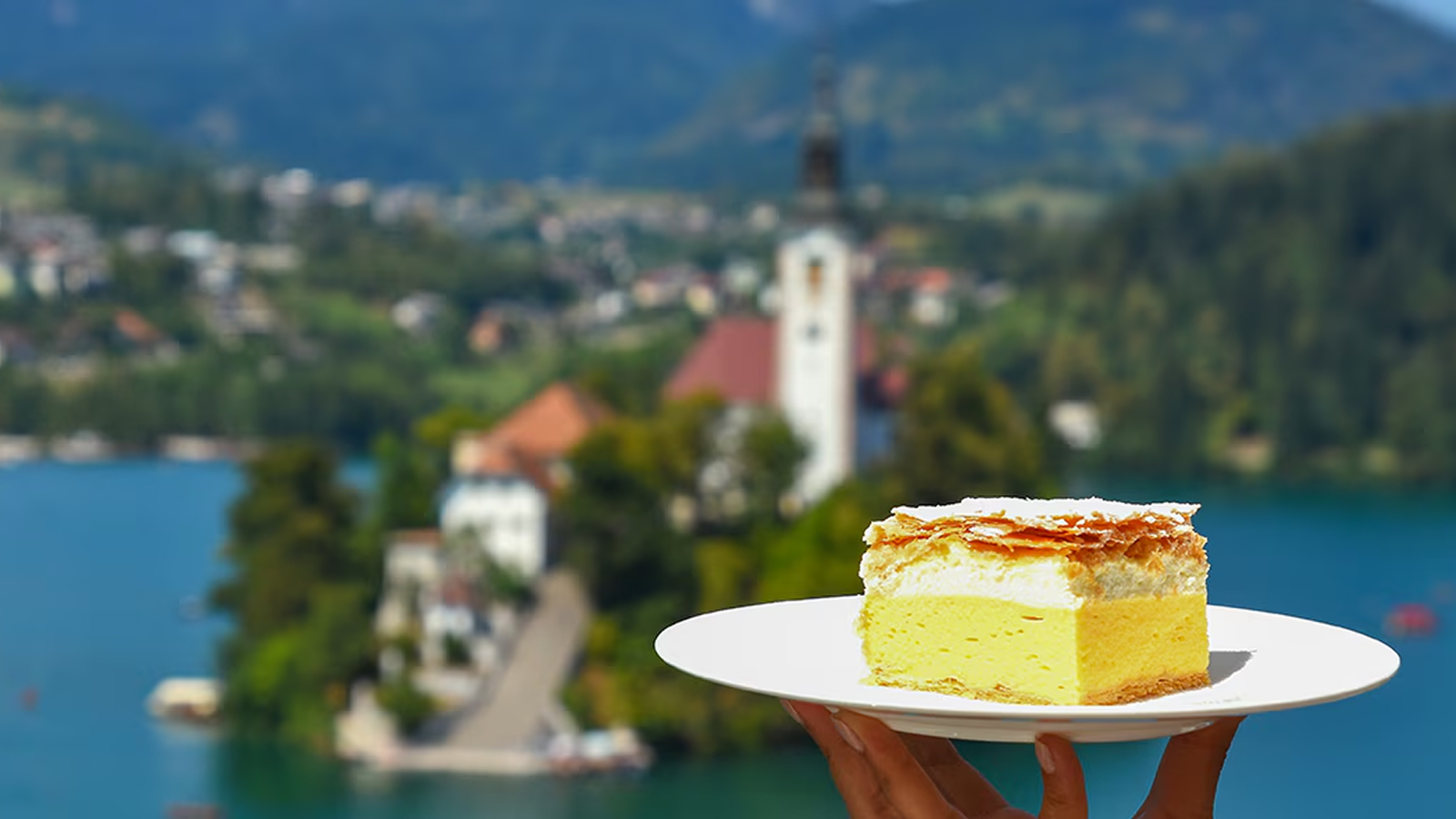
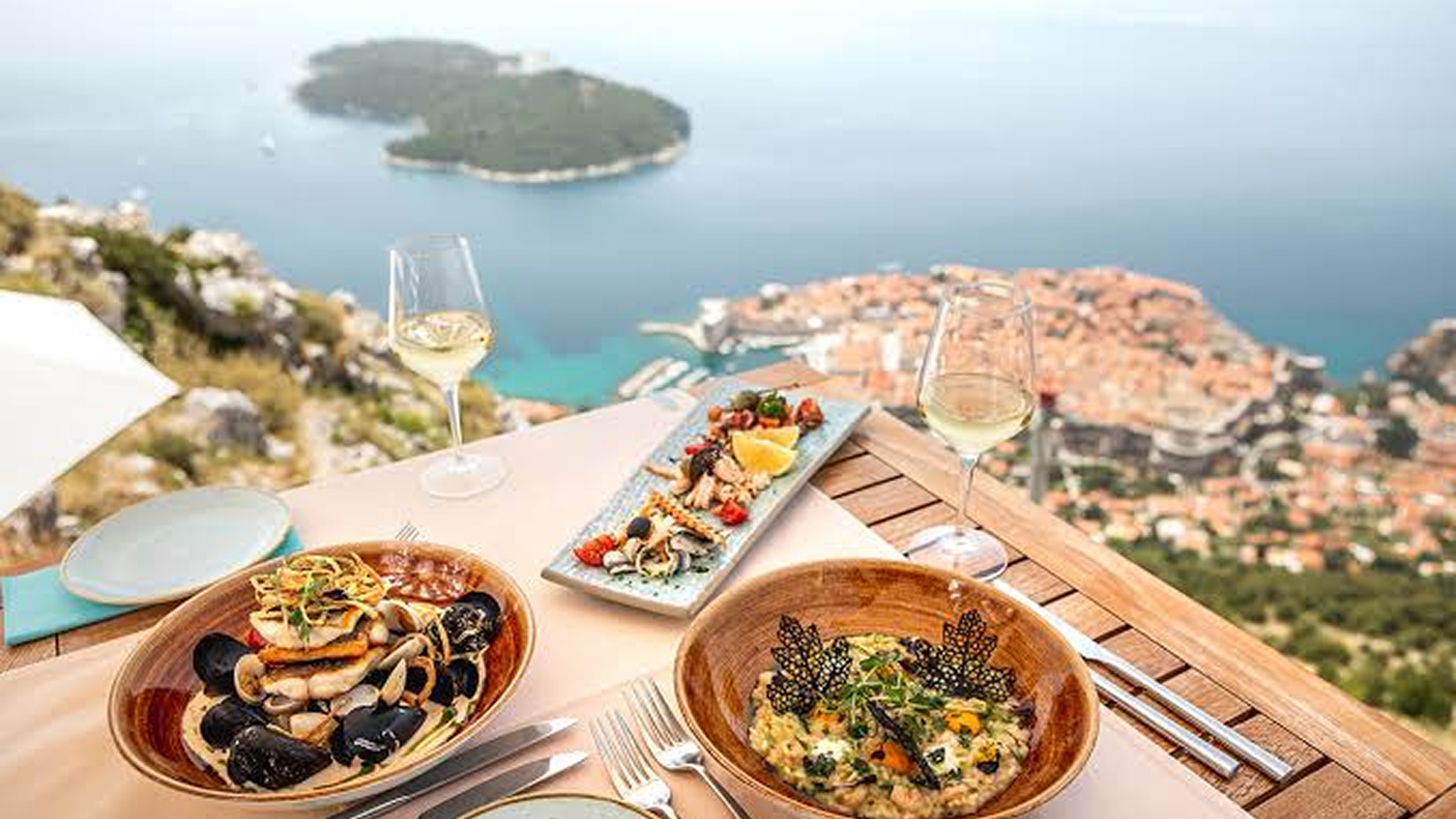
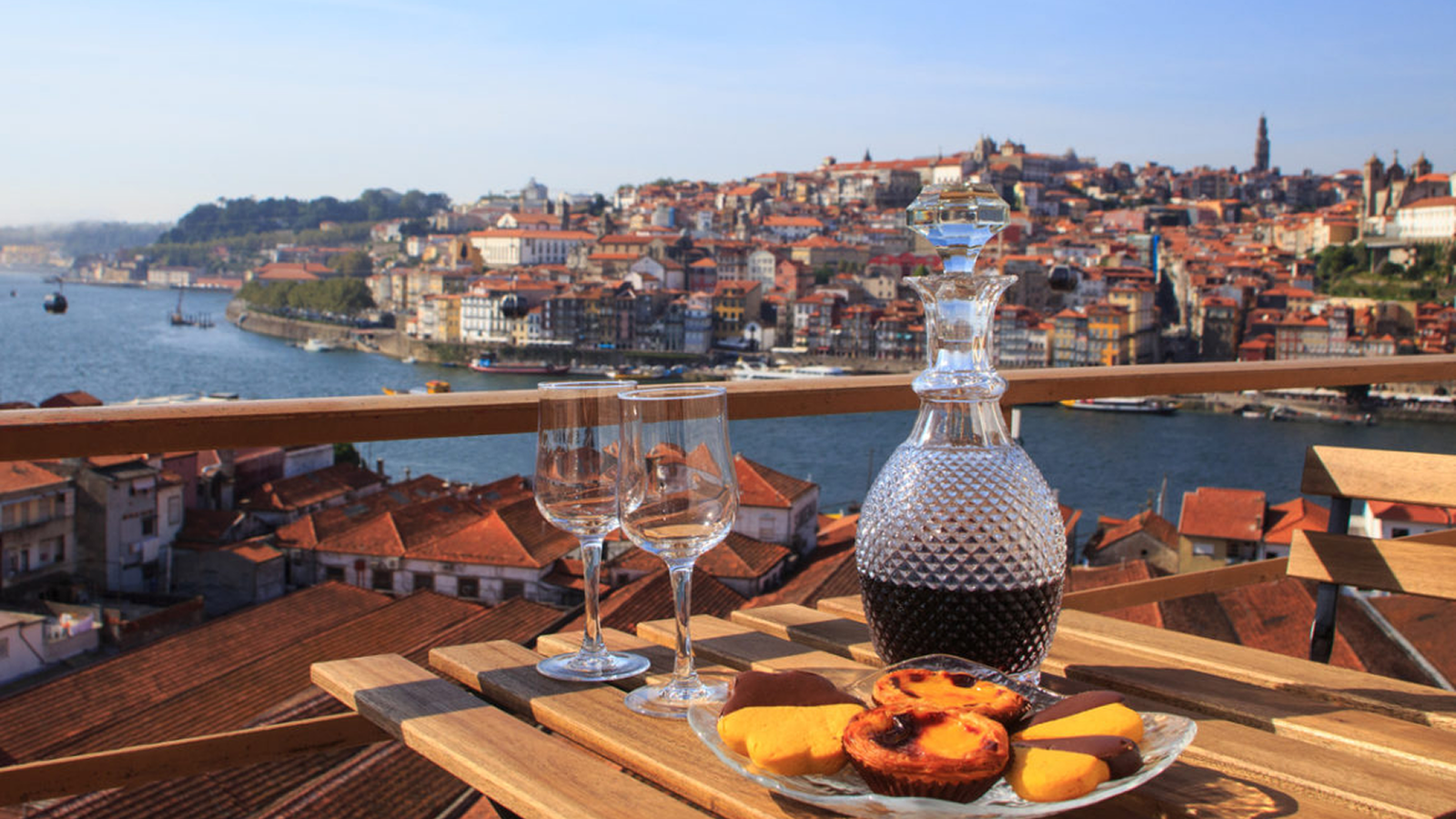
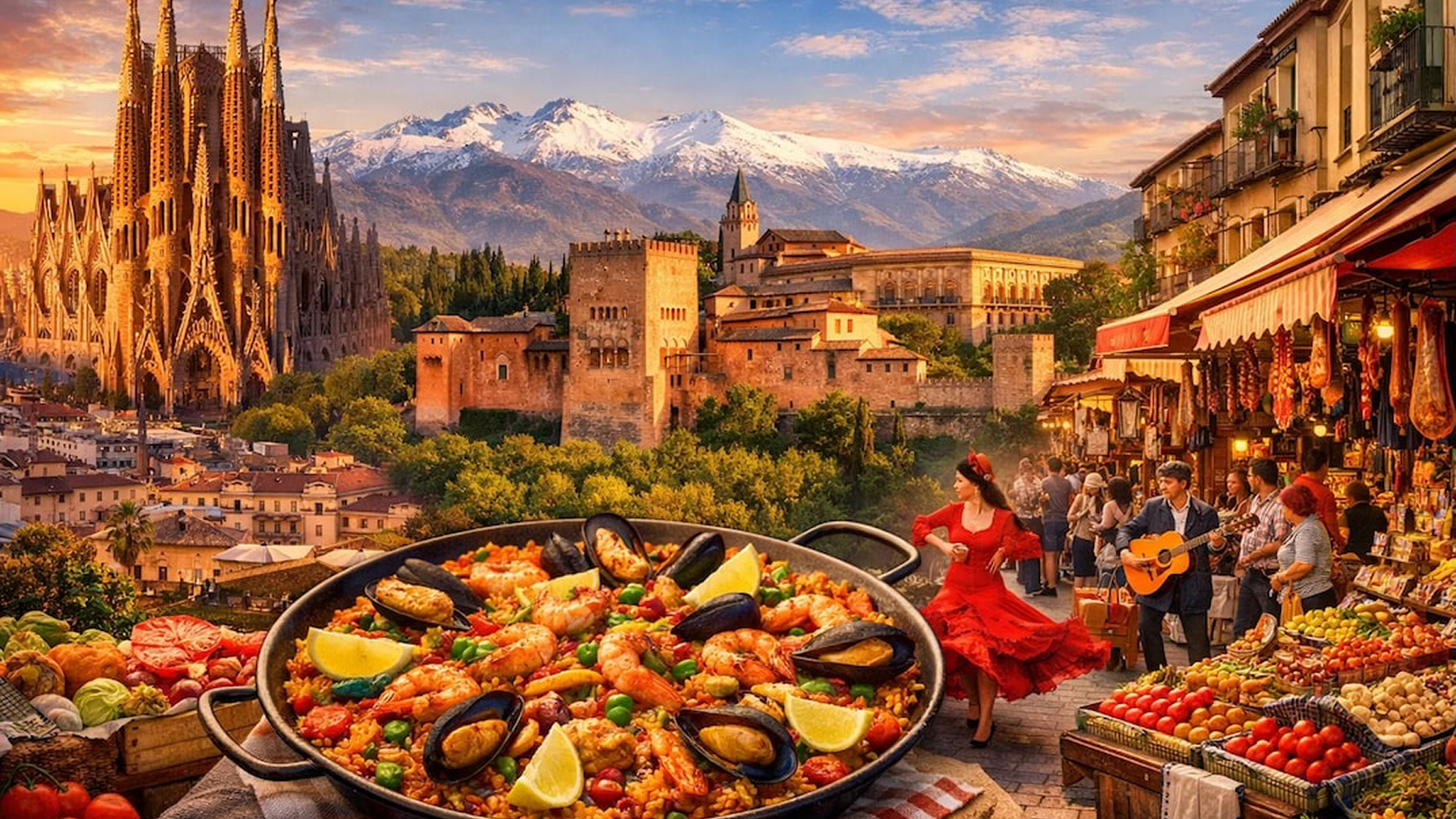
Europe is one of the world’s most diverse regions for food travel. A relatively short journey can take you from Italian pasta and French pastries to Spanish tapas, Greek seafood, Portuguese dishes and the modern Nordic food scene.
For food lovers, the experience is not only about eating at famous restaurants. Local markets, bakeries, cafés, street-food stalls, traditional family-run restaurants and regional specialties can all be part of the journey.
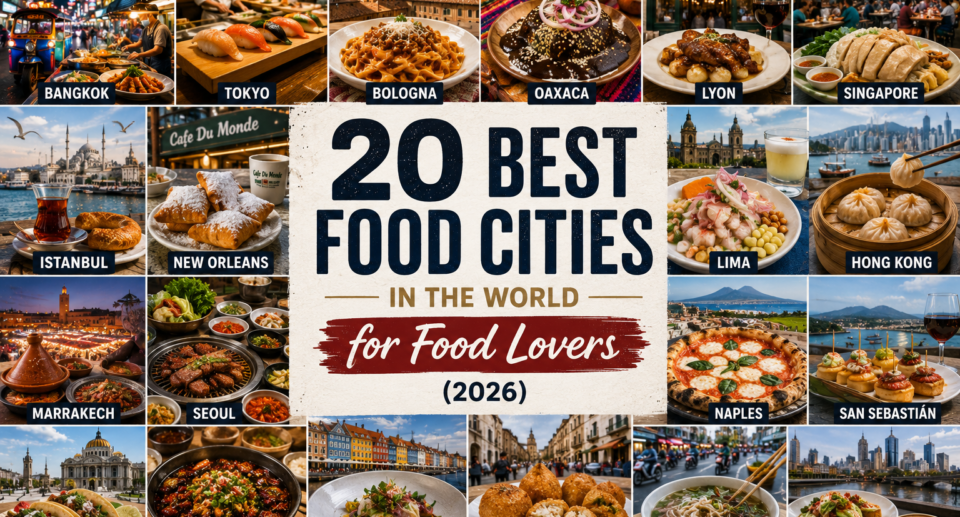
In this guide, we explore 25 of the best food destinations in Europe for 2026, covering both famous culinary capitals and destinations where local food culture is an important part of the travel experience.
Whether you plan your trips around restaurants or simply want to discover the local flavors of each destination, these cities offer plenty to explore.
Quick Comparison
| Destination | Country | Known For | Best For |
|---|---|---|---|
| Rome | Italy | Pasta & Roman cuisine | Traditional Italian food |
| Naples | Italy | Pizza | Pizza lovers |
| Bologna | Italy | Pasta & regional cuisine | Food culture |
| Paris | France | Pastries & fine dining | Gourmet travel |
| Lyon | France | French cuisine | Traditional dining |
| Barcelona | Spain | Tapas & Catalan cuisine | Food & nightlife |
| San Sebastián | Spain | Pintxos | Food-focused trips |
| Lisbon | Portugal | Seafood & pastries | Local cuisine |
| Porto | Portugal | Portuguese cuisine | Wine & food |
| Athens | Greece | Greek cuisine | Mediterranean food |
| Naples | Italy | Pizza & seafood | Casual food |
| Istanbul | Türkiye | Turkish cuisine | Markets & street food |
| Vienna | Austria | Cafés & pastries | Café culture |
| Budapest | Hungary | Goulash & traditional dishes | Affordable food travel |
| Copenhagen | Denmark | Nordic cuisine | Modern food |
| Stockholm | Sweden | Nordic cuisine & fika | Food & design |
| London | UK | Global cuisine | International food |
| Edinburgh | Scotland | Scottish cuisine | Local specialties |
| Amsterdam | Netherlands | Dutch food & international cuisine | City breaks |
| Brussels | Belgium | Chocolate & waffles | Sweet treats |
| Prague | Czechia | Czech cuisine | Traditional food |
| Palermo | Italy | Sicilian food | Street food |
| Copenhagen | Denmark | New Nordic cuisine | Culinary experiences |
| Zagreb | Croatia | Croatian cuisine | Emerging food scene |
| Marrakech | Morocco | Moroccan cuisine | Spices & markets |
How We Selected These Food Destinations
There is no single way to define Europe’s best food destinations. This list focuses on destinations that offer a combination of:
- Strong local food traditions
- Regional specialties
- Food markets and street food
- Restaurants and cafés
- Bakery and dessert culture
- Food-focused experiences
- Variety of dining options
- Distinctive culinary identity
- Opportunities to experience food as part of the local culture
The goal is not simply to list famous restaurants, but to highlight destinations where food can become an important part of the travel experience.
1. Rome, Italy
Rome is one of Europe’s most rewarding destinations for travelers who want to experience traditional Italian food alongside the city’s history and culture. Roman cuisine is known for simple ingredients, bold flavors and dishes that have become famous around the world.
Classic dishes such as carbonara, cacio e pepe, amatriciana and saltimbocca are closely associated with the city.
Beyond restaurants, Rome’s bakeries, cafés, markets and neighborhood trattorias provide plenty of opportunities to experience local food.
What to Eat in Rome
- Carbonara
- Cacio e pepe
- Amatriciana
- Saltimbocca alla romana
- Supplì
- Roman-style pizza
- Maritozzo
Best for: Traditional Italian cuisine, pasta lovers, cafés and food-focused city breaks.
2. Naples, Italy
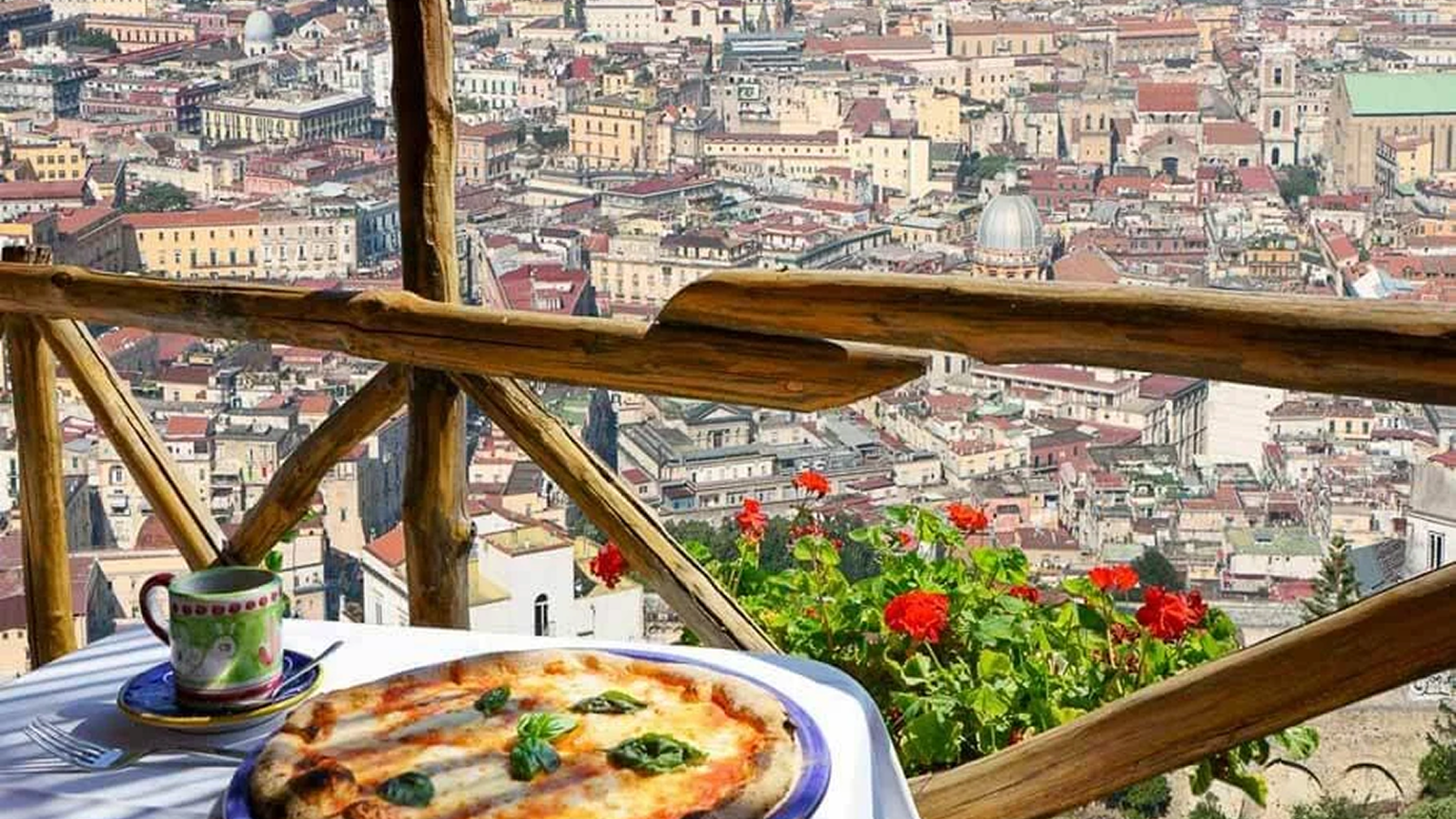
Naples is widely associated with one of Italy’s most famous culinary creations: Neapolitan pizza. But the city’s food culture extends well beyond pizza.
Street food, seafood, pasta, pastries and traditional Neapolitan dishes are part of everyday life in the city. Exploring Naples through its food also means discovering small bakeries, neighborhood restaurants and busy food markets.
What to Eat in Naples
- Neapolitan pizza
- Pizza fritta
- Sfogliatella
- Pasta e patate
- Spaghetti alle vongole
- Cuoppo fritto
- Babà
Best for: Pizza, street food, seafood and casual dining.
3. Bologna, Italy
Known for its deep culinary traditions, Bologna is one of Italy’s most important food destinations. The city sits in Emilia-Romagna, a region strongly associated with products and dishes that have influenced Italian cuisine around the world.
Traditional restaurants and food markets make Bologna particularly interesting for travelers who want to explore regional Italian cooking.
What to Eat in Bologna
- Tagliatelle al ragù
- Tortellini
- Lasagne
- Mortadella
- Parmigiano Reggiano
- Traditional balsamic vinegar
- Tigelle
Best for: Pasta, regional Italian cuisine and food markets.
4. Paris, France
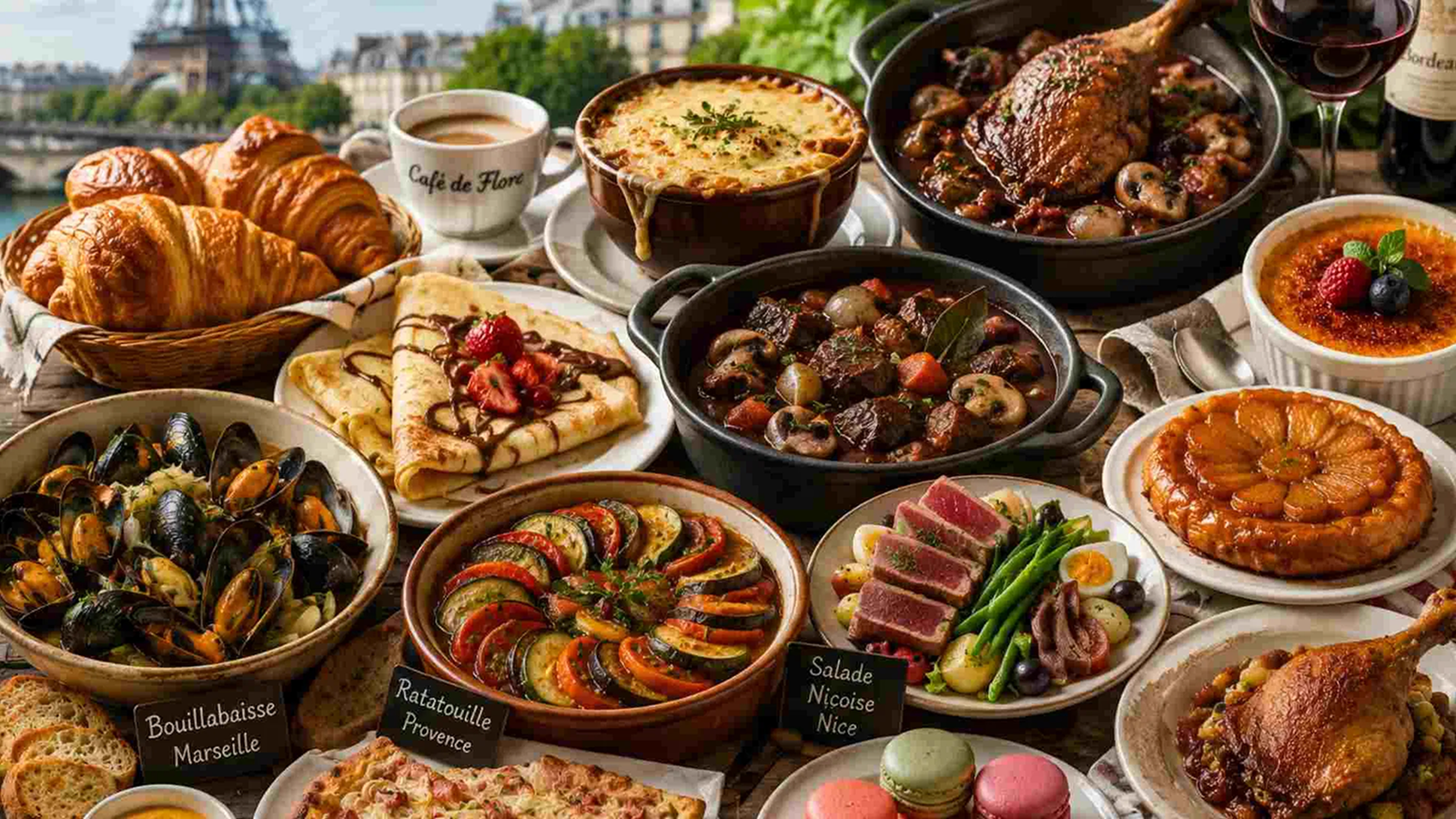
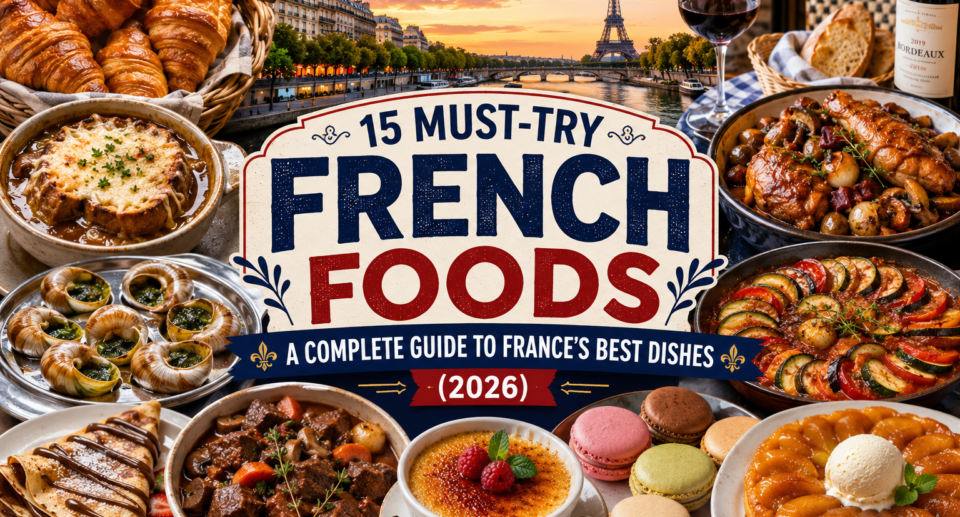
Paris combines traditional French cooking, sophisticated restaurants, neighborhood cafés and an extraordinary bakery culture.
Food is part of the rhythm of everyday life in the city. A simple morning can begin with a croissant and coffee, followed by a visit to a local market and an evening meal in a traditional bistro.
What to Eat in Paris
- Croissants
- Baguettes
- Crêpes
- Steak frites
- French cheeses
- Macarons
- Onion soup
Best for: Bakeries, cafés, French cuisine and gourmet experiences.
5. Lyon, France
Lyon has a strong reputation for traditional French cuisine and is particularly known for its bouchons, small restaurants serving regional dishes.
The city offers a more traditional culinary experience compared with Paris, with hearty regional food and local specialties forming an important part of its food identity.
What to Eat in Lyon
- Quenelles
- Saucisson
- Lyonnaise potatoes
- Salade Lyonnaise
- Tarte à la praline
- Local cheeses
- Traditional bouchon dishes
Best for: Traditional French cuisine and regional food.
6. Barcelona, Spain
Barcelona is one of Europe’s most exciting destinations for food lovers, combining traditional Catalan cuisine with tapas bars, seafood restaurants, markets and a lively contemporary food scene.
The city’s food culture is closely connected to its Mediterranean location. Fresh seafood, seasonal vegetables, cured meats and local cheeses appear across traditional dishes and modern menus.
What to Eat in Barcelona
- Patatas bravas
- Pan con tomate
- Escalivada
- Fideuà
- Crema catalana
- Bombas
- Catalan sausages
Best for: Tapas, Mediterranean cuisine, seafood and food-focused city breaks.
7. San Sebastián, Spain
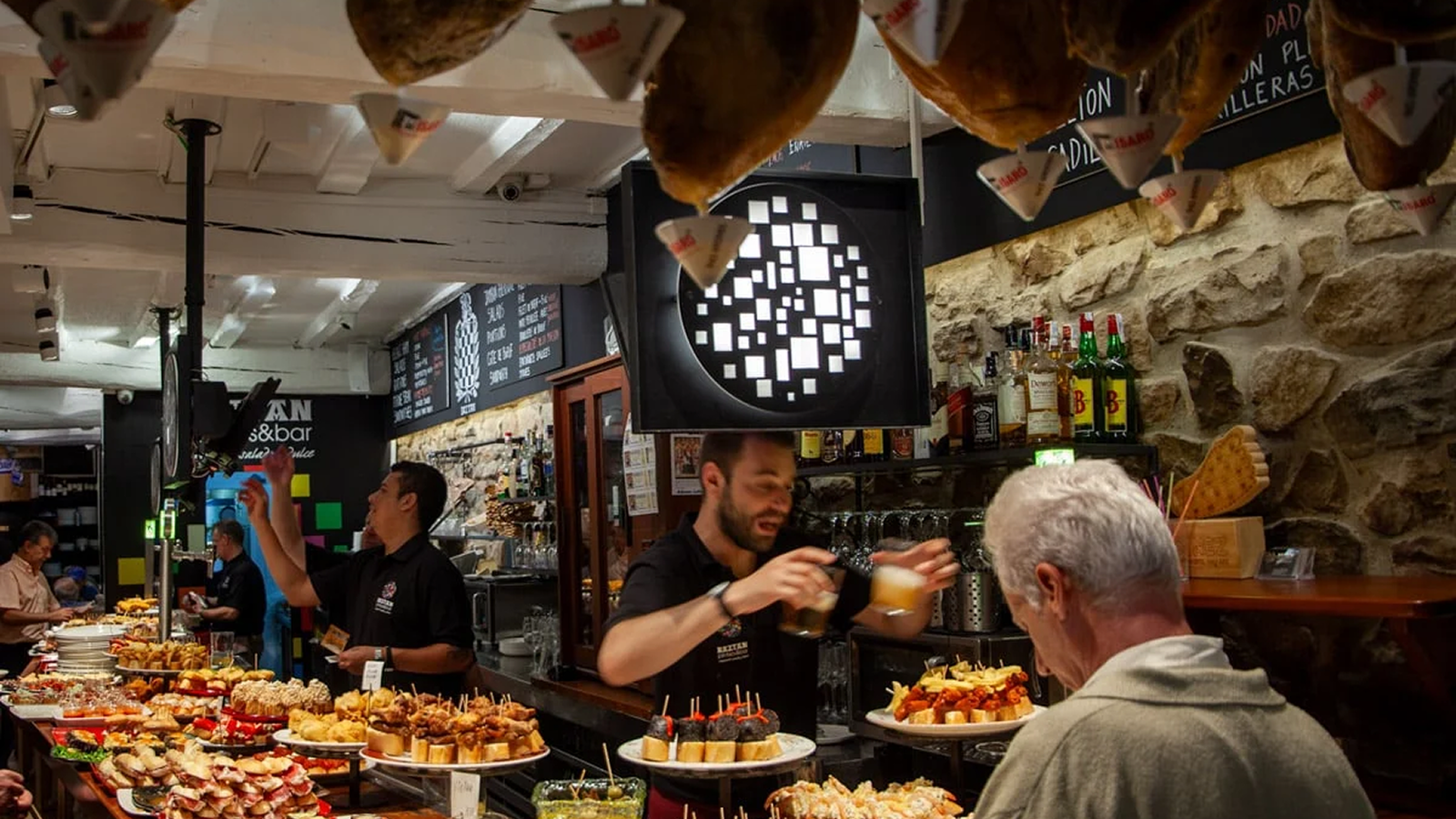
San Sebastián is particularly famous for its pintxos, the small portions of food traditionally enjoyed in bars across the city.
The compact Old Town makes it easy to explore different restaurants and pintxos bars on foot. Alongside casual food, San Sebastián is also associated with high-end dining and a strong culinary culture.
What to Eat in San Sebastián
- Pintxos
- Gilda
- Basque cheesecake
- Grilled seafood
- Bacalao
- Txuleta
- Local cider
Best for: Pintxos, seafood, Basque cuisine and culinary experiences.
8. Lisbon, Portugal
Lisbon combines traditional Portuguese cooking with a relaxed café culture, seafood restaurants and historic neighborhood eateries.
The city’s location along the Atlantic gives seafood an important role in local cuisine, while bakeries and pastry shops provide plenty of opportunities to try Portuguese sweets.
What to Eat in Lisbon
- Pastel de nata
- Bacalhau
- Sardines
- Bifana
- Caldo verde
- Arroz de marisco
- Portuguese cheeses
Best for: Seafood, pastries, traditional Portuguese food and affordable dining.
9. Porto, Portugal
Porto offers a distinctive food culture shaped by northern Portuguese traditions and the city’s connection with the Douro region.
From traditional restaurants to casual cafés, travelers can discover hearty local dishes alongside Portuguese wines and regional specialties.
What to Eat in Porto
- Francesinha
- Tripas à moda do Porto
- Bacalhau
- Pastéis de nata
- Portuguese cheeses
- Grilled fish
- Port wine
Best for: Traditional Portuguese cuisine, local wine and relaxed food experiences.
10. Athens, Greece
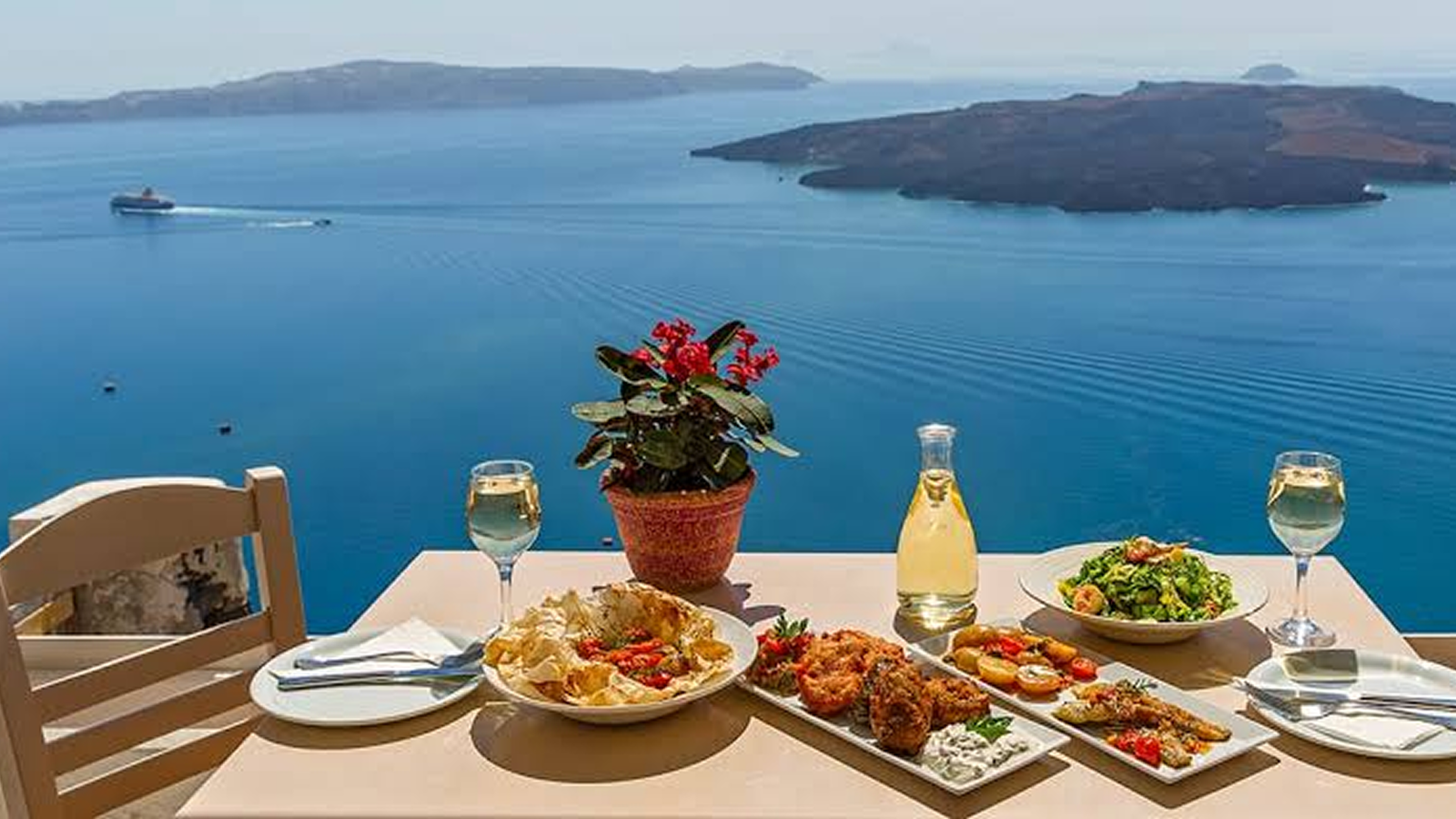
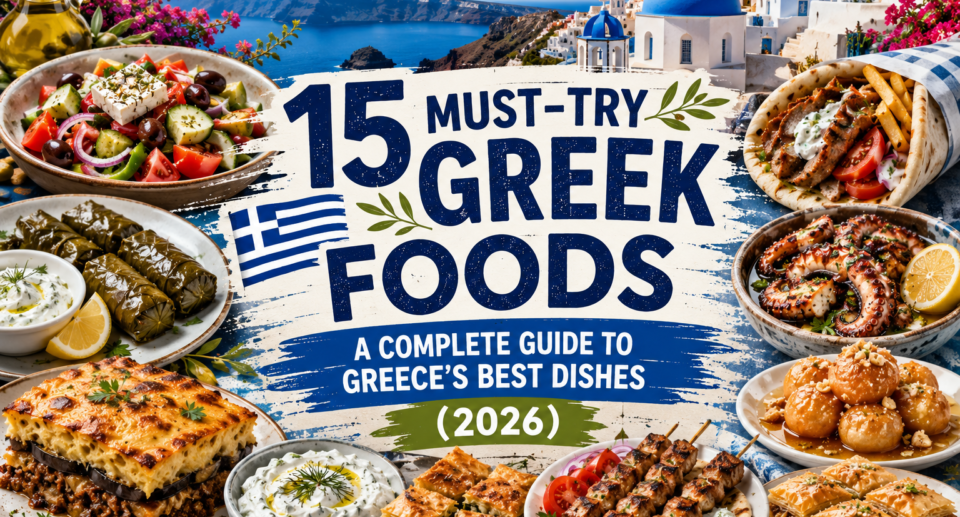
Athens is an excellent destination for discovering Greek cuisine, from traditional tavernas and bakeries to modern restaurants and busy food markets.
Greek food emphasizes fresh vegetables, olive oil, herbs, seafood, cheese and grilled meats, making the city’s food culture closely connected to the wider Mediterranean culinary tradition.
What to Eat in Athens
- Moussaka
- Souvlaki
- Gyros
- Greek salad
- Spanakopita
- Tzatziki
- Baklava
Best for: Mediterranean cuisine, street food, traditional tavernas and casual dining.
11. Istanbul, Türkiye
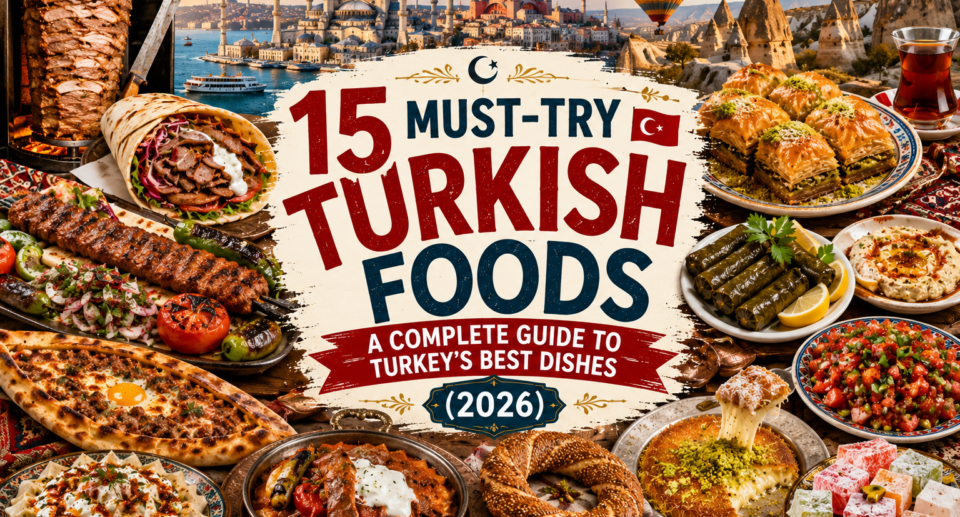
Istanbul is one of Europe’s most distinctive food destinations, where Turkish culinary traditions meet influences from across the Bosphorus and the wider region. Food is deeply connected to everyday life, from neighborhood bakeries and tea houses to busy markets and traditional restaurants.
The city is particularly enjoyable for travelers who like exploring food through different neighborhoods rather than focusing on a single type of cuisine.
What to Eat in Istanbul
- Turkish breakfast
- Simit
- Döner
- Kebabs
- Meze
- Balık ekmek
- Baklava
- Turkish delight
Best for: Street food, markets, Turkish cuisine and food-focused city exploration.
12. Vienna, Austria
Vienna has a food culture closely connected to its famous coffeehouse tradition. Historic cafés, traditional restaurants and pastry shops make eating and drinking an important part of experiencing the city.
Viennese cuisine also offers hearty traditional dishes, while the city’s café culture provides plenty of opportunities to slow down with coffee and dessert.
What to Eat in Vienna
- Wiener schnitzel
- Sachertorte
- Apfelstrudel
- Tafelspitz
- Goulash
- Kaiserschmarrn
- Viennese coffee
Best for: Café culture, pastries, traditional cuisine and relaxed dining.
13. Budapest, Hungary
Budapest offers a combination of traditional Hungarian cuisine, historic cafés, food markets and modern restaurants. Hungarian cooking is known for its use of paprika, slow-cooked dishes and hearty flavors.
The city is also relatively easy to explore through a combination of restaurants, markets and casual food spots.
What to Eat in Budapest
- Goulash
- Chicken paprikash
- Lángos
- Kürtőskalács
- Fisherman’s soup
- Stuffed cabbage
- Hungarian pastries
Best for: Traditional cuisine, street food and affordable food experiences.
14. Copenhagen, Denmark
Copenhagen has become one of Europe’s best-known destinations for modern Nordic food. Alongside contemporary restaurants, the city has bakeries, food halls, cafés and traditional Danish eateries.
The city’s food scene places strong emphasis on seasonal ingredients, presentation and local culinary traditions.
What to Eat in Copenhagen
- Smørrebrød
- Danish pastries
- Frikadeller
- Hot dogs
- Rye bread
- New Nordic dishes
- Seafood
Best for: Nordic cuisine, bakeries, design-conscious dining and modern food experiences.
15. Stockholm, Sweden
Stockholm combines traditional Swedish food with a modern Scandinavian dining culture. Its location across numerous islands also means seafood and fresh seasonal ingredients feature prominently in local cuisine.
For a more casual experience, visitors can explore cafés and fika culture, where coffee and something sweet become part of the experience.
What to Eat in Stockholm
- Swedish meatballs
- Toast Skagen
- Gravlax
- Cinnamon buns
- Pickled herring
- Västerbotten cheese
- Semla
Best for: Swedish cuisine, fika, seafood and modern Nordic dining.
16. London, United Kingdom
London is one of Europe’s most diverse food destinations, bringing together British traditions and cuisines from communities around the world. From historic pubs and traditional markets to modern restaurants and international street food, the city offers an enormous variety of dining experiences.
Food markets are particularly useful for travelers who want to sample different styles of food in a single visit.
What to Eat in London
- Fish and chips
- Sunday roast
- Full English breakfast
- Pie and mash
- Scotch eggs
- Afternoon tea
- Indian cuisine
Best for: International cuisine, food markets, British classics and diverse dining.
17. Brussels, Belgium
Brussels is particularly well known for its chocolate, waffles, fries and beer culture, but the city’s culinary identity extends beyond these famous specialties.
Historic cafés, traditional Belgian restaurants, chocolate shops and food markets make Brussels an easy destination to explore through local food.
What to Eat in Brussels
- Belgian waffles
- Belgian chocolate
- Moules-frites
- Belgian fries
- Carbonnade flamande
- Speculoos
- Belgian cheeses
Best for: Chocolate, desserts, Belgian cuisine and short food-focused trips.
18. Prague, Czechia
Prague offers a strong traditional food culture built around hearty Czech dishes, historic pubs and local beer. The city’s old streets and traditional restaurants create a distinctive setting for experiencing Czech cuisine.
Travelers can find both classic dishes and more contemporary interpretations of local ingredients.
What to Eat in Prague
- Goulash
- Svíčková
- Trdelník
- Roast pork
- Knedlíky
- Czech sausages
- Traditional Czech pastries
Best for: Traditional cuisine, comfort food and historic dining.
19. Palermo, Italy
Palermo provides a different side of Italian food culture, shaped by Sicily’s Mediterranean location and centuries of cultural influences.
The city’s markets are particularly important to the local food experience. Street food is a major attraction, making Palermo an excellent destination for travelers who want to explore food casually while walking through historic neighborhoods.
What to Eat in Palermo
- Arancini
- Panelle
- Sfincione
- Pasta alla Norma
- Cannoli
- Caponata
- Pasta con le sarde
Best for: Sicilian cuisine, street food, markets and traditional dishes.
20. Zagreb, Croatia
Zagreb offers an introduction to Croatian cuisine through traditional restaurants, cafés, markets and local food specialties. The city’s culinary traditions reflect influences from different parts of Central and Southeastern Europe.
Its compact center also makes it convenient to combine sightseeing with food exploration.
What to Eat in Zagreb
- Štrukli
- Zagrebački odrezak
- Čobanac
- Sarma
- Fresh pastries
- Croatian cheeses
- Local cured meats
Best for: Croatian cuisine, local markets and Central European food culture.
21. Marrakech, Morocco
Marrakech offers a completely different culinary experience from the European destinations on this list, but its historic connections with Mediterranean and European travel make it an interesting addition for travelers exploring nearby regions.
The city is particularly known for its colorful markets, traditional Moroccan restaurants and dishes built around aromatic spices, slow-cooked meats, vegetables and couscous.
What to Eat in Marrakech
- Tagine
- Couscous
- Pastilla
- Harira
- Moroccan mint tea
- Msemen
- Chebakia
Best for: Markets, spices, traditional cuisine and immersive food experiences.
22. Edinburgh, Scotland
Edinburgh combines Scottish culinary traditions with a growing contemporary food scene. Historic pubs, restaurants, cafés and food markets provide plenty of ways to experience local flavors.
The city is also a useful base for discovering Scottish ingredients and regional specialties beyond the capital.
What to Eat in Edinburgh
- Haggis
- Cullen skink
- Scotch pie
- Cranachan
- Scottish smoked salmon
- Shortbread
- Full Scottish breakfast
Best for: Scottish cuisine, traditional food and whisky-related culinary experiences.
23. Amsterdam, Netherlands
Amsterdam offers more than its famous canals and museums. The city has a diverse food culture ranging from traditional Dutch snacks to international restaurants and modern cafés.
Local markets are particularly useful for trying different Dutch specialties in a relaxed setting.
What to Eat in Amsterdam
- Stroopwafels
- Bitterballen
- Herring
- Poffertjes
- Dutch cheese
- Patat
- Apple pie
Best for: Street food, markets, snacks and casual dining.
24. Porto, Portugal
Porto is deeply connected with northern Portuguese food traditions and the Douro region. Its restaurants and cafés offer hearty local dishes alongside seafood and Portuguese wines.
The city is also a good starting point for travelers interested in combining food experiences with visits to the Douro Valley.
What to Eat in Porto
- Francesinha
- Bacalhau
- Tripas à moda do Porto
- Grilled sardines
- Pastéis de nata
- Portuguese cheeses
- Port wine
Best for: Portuguese cuisine, seafood and food-and-wine travel.
25. Istanbul, Türkiye
Istanbul deserves special attention for the sheer variety of food experiences available across the city. Its position between Europe and Asia has helped shape a culinary culture that includes traditional Turkish dishes, seafood, pastries, meze and an extensive street-food scene.
Exploring neighborhoods, markets and local eateries can be as important as visiting individual restaurants.
What to Eat in Istanbul
- Simit
- Döner
- Kebabs
- Meze
- Balık ekmek
- Baklava
- Turkish breakfast
Best for: Street food, markets, Turkish cuisine and culinary exploration.
Best Food Destinations in Europe by Travel Style
Europe’s food culture is incredibly diverse, so the ideal destination depends on what kind of culinary experience you want. Some cities are best known for traditional dishes, while others stand out for street food, bakeries, markets or modern dining.
For Traditional Cuisine
- Rome, Italy — Roman pasta and traditional trattorias
- Bologna, Italy — Regional Italian cooking and fresh pasta
- Lyon, France — Traditional French cuisine and bouchons
- Budapest, Hungary — Hearty Hungarian dishes
- Prague, Czechia — Traditional Czech cuisine
- Zagreb, Croatia — Croatian regional specialties
For Street Food
- Naples, Italy — Pizza and fried street food
- Istanbul, Türkiye — Kebabs, simit and market food
- Palermo, Italy — Sicilian street food
- Lisbon, Portugal — Local snacks and pastries
- Marrakech, Morocco — Market food and traditional dishes
- Barcelona, Spain — Tapas and casual dining
For Bakeries & Desserts
- Paris, France — Croissants, pastries and macarons
- Vienna, Austria — Cakes and traditional coffeehouses
- Brussels, Belgium — Chocolate and waffles
- Lisbon, Portugal — Pastéis de nata
- Amsterdam, Netherlands — Stroopwafels and Dutch desserts
- Copenhagen, Denmark — Danish pastries
For Food Markets
- Barcelona, Spain
- London, United Kingdom
- Istanbul, Türkiye
- Palermo, Italy
- Amsterdam, Netherlands
- Marrakech, Morocco
For Food & Wine
- Porto, Portugal — Portuguese food and Port wine
- Bologna, Italy — Emilia-Romagna food traditions
- Barcelona, Spain — Catalan cuisine and regional wines
- Vienna, Austria — Traditional cuisine and Austrian wine culture
For Modern Culinary Experiences
- Copenhagen, Denmark — New Nordic cuisine
- Stockholm, Sweden — Contemporary Nordic food
- San Sebastián, Spain — Pintxos and innovative dining
- London, United Kingdom — International and contemporary cuisine
- Barcelona, Spain — Modern Catalan dining
Best Time for a Food Trip to Europe
Food travel can be enjoyed throughout the year, but different seasons offer different experiences.
Spring — March to May
Spring is a comfortable period for city-based food trips. Outdoor cafés begin becoming more active, markets showcase seasonal produce and sightseeing can be combined with long lunches and dinners.
Good for: Paris, Rome, Barcelona, Lisbon, Amsterdam and Athens.
Summer — June to August
Summer is ideal for combining food with outdoor travel. Coastal destinations, Mediterranean cities and food markets are particularly lively.
Good for: Barcelona, Lisbon, Naples, Athens, Copenhagen and Porto.
Autumn — September to November
Autumn is a strong season for culinary travel, particularly for travelers interested in seasonal ingredients, regional produce and wine-related experiences.
Good for: Bologna, Porto, Lyon, Vienna and northern Italian destinations.
Winter — December to February
Winter provides an opportunity to explore Europe’s cafés, bakeries, traditional restaurants and indoor markets while enjoying seasonal dishes and desserts.
Good for: Vienna, Prague, Budapest, Paris, Copenhagen and Edinburgh.
Frequently Asked Questions
What is the best food destination in Europe?
There is no single destination that offers the same experience for every traveler. Rome, Naples, Paris, Barcelona, Bologna, Lisbon, Istanbul and Copenhagen each have distinct culinary traditions and styles.
Which European city is best for street food?
Cities such as Naples, Istanbul, Palermo, Lisbon and Marrakech are particularly suited to travelers interested in casual food, markets and street-food experiences.
Which European destination is best for Italian food?
Italy offers several distinct culinary destinations. Rome is known for Roman cuisine, Naples for pizza, Bologna for Emilia-Romagna food traditions and Palermo for Sicilian cuisine.
Which European city is famous for pastries?
Paris, Vienna, Brussels, Lisbon and Copenhagen are particularly well known for their bakery and pastry traditions.
Is Europe expensive for food travel?
Food costs vary considerably between destinations. Major cities and fine-dining destinations can be expensive, while markets, bakeries, cafés and local restaurants can provide more accessible options.
How many days do you need for a food trip?
A 3–5 day trip can work well for exploring one city’s food culture. Longer trips allow travelers to combine multiple culinary destinations or explore a specific region.
What should I try when visiting Europe?
Try dishes that are strongly connected to the destination rather than only international favorites. Local markets, bakeries, traditional restaurants and neighborhood cafés are often useful places to discover regional specialties.
Conclusion
Europe is one of the world’s most diverse regions for culinary travel. Every destination offers a different relationship between food, history, culture and everyday life.
From Roman pasta and Neapolitan pizza to French pastries, Spanish pintxos, Portuguese seafood, Nordic cuisine and Turkish street food, there are countless ways to explore Europe through its food.
The best food trip does not necessarily require visiting the most famous restaurants. Often, some of the most memorable experiences come from a local bakery, a neighborhood market, a small family restaurant or a traditional dish enjoyed in the place where it originated.
For travelers planning a culinary-focused European trip in 2026, these 25 destinations provide a starting point for discovering the region one meal at a time.