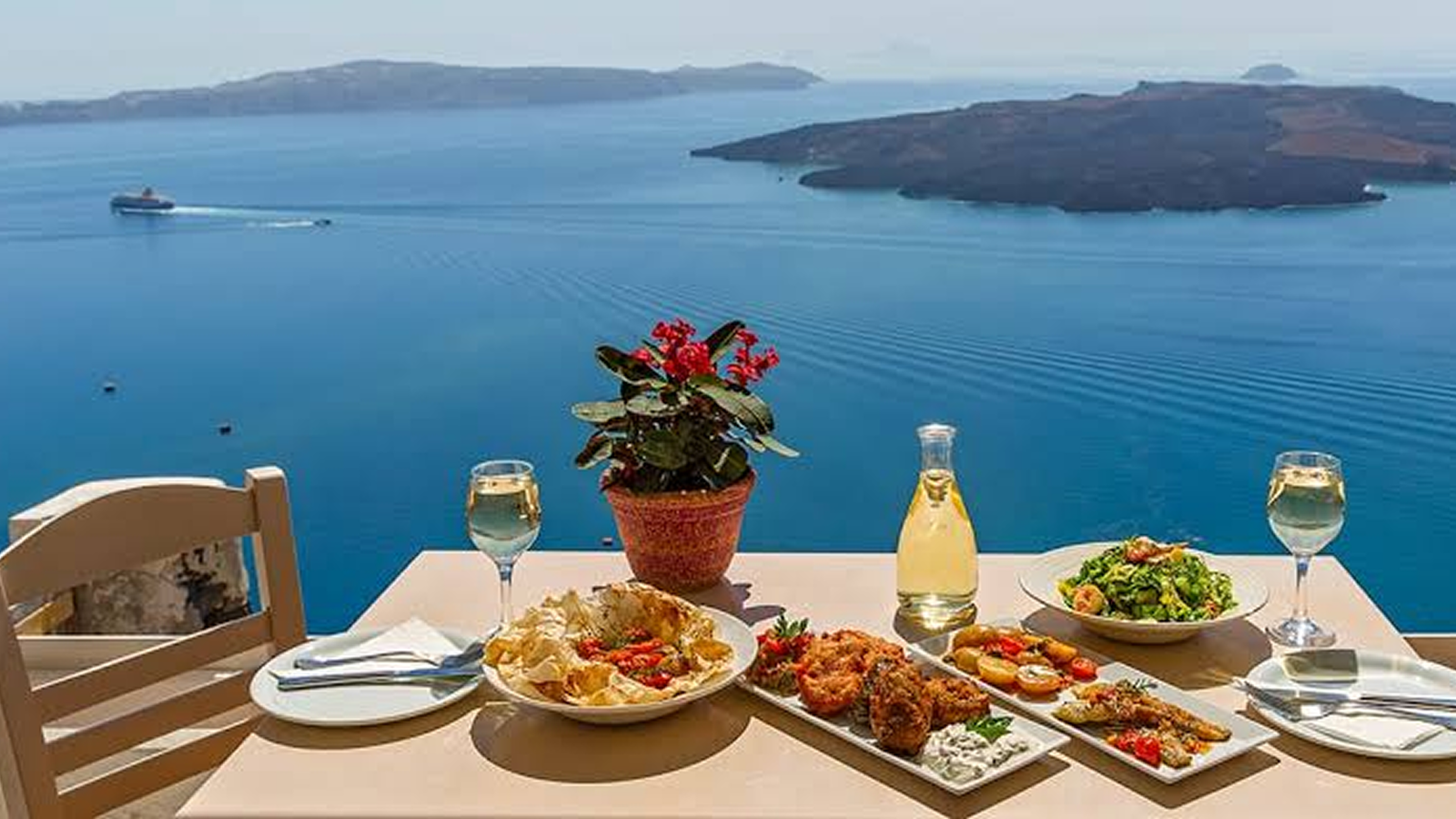
Greece is one of Europe’s most rewarding destinations for food lovers.
Greek cuisine is deeply connected to the country’s geography. The Mediterranean climate supports olives, grapes, vegetables and herbs, while the surrounding seas provide an enormous variety of seafood. Mountain villages contribute cheeses, honey, meats and traditional recipes that can vary significantly from one region to another.
A food trip through Greece can therefore look very different depending on where you go.
Athens offers everything from traditional tavernas and food markets to modern Greek restaurants. Thessaloniki is known for its diverse culinary influences and lively food scene. Crete has its own distinctive cuisine built around olive oil, vegetables, herbs, cheeses and local meats, while the islands bring seafood, wine and regional specialties to the table.
In this guide, we explore 25 of the best food destinations in Greece for 2026, including major cities, islands and regions worth adding to a culinary itinerary.
Greek Food Destinations at a Glance
| Destination | Best Known For | Best For |
|---|---|---|
| Athens | Modern & traditional Greek cuisine | First-time food trips |
| Thessaloniki | Meze & multicultural cuisine | Food-focused city breaks |
| Crete | Olive oil, cheeses & local dishes | Regional cuisine |
| Santorini | Wine, tomatoes & island cuisine | Food & wine |
| Naxos | Cheese, potatoes & local produce | Traditional island food |
| Corfu | Venetian-influenced cuisine | Regional specialties |
| Rhodes | Seafood & traditional dishes | Island food |
| Chania | Cretan cuisine & markets | Food culture |
| Heraklion | Cretan food & wine | Culinary exploration |
| Kalamata | Olives & Mediterranean cuisine | Olive oil lovers |
| Nafplio | Peloponnese cuisine | Food & culture |
| Peloponnese | Local produce & wine | Rural food travel |
| Syros | Cycladic specialties | Island food |
| Tinos | Local cheeses & traditional dishes | Authentic experiences |
| Paros | Seafood & tavernas | Coastal dining |
| Mykonos | Seafood & modern dining | Luxury food travel |
| Lesvos | Seafood, ouzo & meze | Local food culture |
| Chios | Mastiha & regional dishes | Unique ingredients |
| Samos | Wine & local cuisine | Wine lovers |
| Kefalonia | Seafood & pies | Island cuisine |
| Zakynthos | Local cheeses & traditional food | Family travel |
| Epirus | Pies, meats & mountain cuisine | Regional food |
| Meteora | Mountain cuisine | Food & culture |
| Volos | Tsipouro & meze | Casual dining |
| Zagori | Pies, herbs & mountain dishes | Rural food travel |
How We Selected These Food Destinations
Greece has hundreds of towns, villages and islands with distinctive culinary traditions.
For this list, we focused on destinations that offer a combination of:
- Strong regional food traditions
- Local ingredients
- Traditional dishes
- Markets and food producers
- Taverns and local restaurants
- Wine or spirits
- Seafood where relevant
- Opportunities to experience food as part of local culture
- Variety for different types of food travelers
The goal isn’t simply to identify destinations with famous restaurants. Instead, these are places where food is closely connected to the destination itself.
25 Best Food Destinations in Greece
1. Athens
Athens is the easiest starting point for travelers wanting to understand modern Greek food.
The city brings together traditional tavernas, bakeries, food markets, meze restaurants and contemporary interpretations of Greek cuisine.
Start with classic dishes such as moussaka, souvlaki, grilled meats, Greek salad and tzatziki, then explore the city’s more modern culinary scene.
The Central Market area is also useful for experiencing the everyday food culture of Athens.
Try: Souvlaki, moussaka, koulouri, meze and Greek pastries.
Best for: First-time visitors and food-focused city breaks.
2. Thessaloniki
Thessaloniki deserves special attention from food travelers.
The city’s cuisine reflects centuries of cultural influences, creating a food scene that is noticeably different from Athens.
Markets, bakeries, meze restaurants and casual eateries make it easy to spend several days exploring the city’s food culture.
Try: Bougatsa, meze, seafood, grilled meats and local pastries.
Best for: Dedicated food trips and city breaks.
3. Crete
Crete is one of Greece’s most important culinary regions.
The island’s food culture is closely connected to olive oil, vegetables, herbs, cheeses, grains, seafood and locally produced meats.
Traditional Cretan cooking often emphasizes simple ingredients and strong flavors rather than complicated preparation.
Visit local villages, markets and family-run tavernas to experience the island beyond resort dining.
Try: Dakos, kalitsounia, Cretan cheeses, lamb, seafood and local olive oil.
Best for: Regional cuisine and slow food travel.
4. Santorini
Santorini is famous for its dramatic landscapes, but the island also has a distinctive culinary identity.
Its volcanic soil contributes to local agricultural products, while the island’s wine tradition is particularly important.
Look for dishes featuring local tomatoes, fava, seafood and island-grown produce.
Wine tasting is another major reason to include Santorini in a culinary itinerary.
Try: Fava, tomato fritters, local wines, seafood and white eggplant.
Best for: Food and wine travelers.
5. Naxos
Naxos is one of the Greek islands to visit if you want to experience a strong agricultural food tradition.
The island is known for products such as potatoes and cheeses, along with locally produced meats, vegetables and honey.
Its combination of fertile land and coastal fishing traditions gives Naxos a diverse food culture.
Try: Naxos cheese, potatoes, local meats, honey and seafood.
Best for: Traditional island cuisine.
6. Corfu
Corfu has a distinctive culinary character influenced by its history and long connection with Venetian culture.
The island’s cuisine includes dishes that feel noticeably different from those found elsewhere in Greece.
Old-town restaurants and traditional tavernas are good places to explore regional specialties.
Try: Sofrito, pastitsada, bourdeto and local pastries.
Best for: Regional cuisine and cultural travel.
7. Rhodes
Rhodes combines island ingredients with traditional Dodecanese cooking.
Its cuisine includes seafood, local cheeses, vegetables and meat dishes, while villages across the island offer opportunities to experience more traditional cooking.
The historic city also provides a convenient base for food exploration.
Try: Pitaroudia, seafood, local cheeses and traditional sweets.
Best for: Island food and history.
8. Chania
Chania is one of the best bases for exploring the food culture of western Crete.
The historic center contains restaurants and tavernas, while the surrounding countryside offers access to villages, olive groves and local producers.
The municipal market area has traditionally been an important part of the city’s food culture.
Try: Dakos, Cretan cheeses, lamb, fresh seafood and local olive oil.
Best for: Cretan cuisine.
9. Heraklion
Heraklion is another excellent gateway to Cretan food.
The city works well as a starting point for exploring wineries, villages and food producers across central Crete.
It also offers a mix of casual local dining and more contemporary restaurants.
Try: Cretan meze, seafood, cheeses, lamb and local wine.
Best for: Combining food with history and wine.
10. Kalamata
Kalamata is closely associated with one of Greece’s most famous agricultural products: olives.
The wider region of Messenia is known for olive oil, fresh produce and Mediterranean cooking.
For food travelers, this is a destination where visiting producers and tasting local olive oil can become a major part of the trip.
Try: Kalamata olives, extra virgin olive oil, local cheeses and regional dishes.
Best for: Olive oil enthusiasts.
11. Nafplio
Nafplio combines historic architecture with the food traditions of the Peloponnese.
The surrounding region produces olive oil, wine, honey, citrus fruits and other agricultural products.
The town makes a convenient base for travelers who want to combine sightseeing with relaxed meals.
Try: Peloponnese cheeses, olives, seafood, local wine and traditional sweets.
Best for: Food and culture.
12. The Peloponnese
The Peloponnese is better understood as a broad food region than a single destination.
Its diverse landscapes create a wide variety of agricultural products and regional recipes.
Travel through villages and small towns to discover olive oil, honey, wine, cheeses, meats and seasonal vegetables.
Try: Olive oil, local wines, cheeses, honey and regional meat dishes.
Best for: Road trips and rural food travel.
13. Syros
Syros offers a different side of Cycladic cuisine.
The island has a strong culinary identity, with local cheeses, sweets and traditional products influenced by its history as an important trading center.
Ermoupoli is particularly interesting for travelers who enjoy combining architecture, history and food.
Try: Loukoumia, local cheeses, sausages and traditional pastries.
Best for: Culture-focused food trips.
14. Tinos
Tinos is increasingly interesting for travelers looking beyond Greece’s most famous islands.
The island has strong agricultural traditions and a food culture connected to local cheeses, meats, vegetables and traditional recipes.
Village tavernas and local producers offer a more relaxed alternative to the busiest island destinations.
Try: Local cheeses, artichokes, meats and traditional pastries.
Best for: Authentic island experiences.
15. Paros
Paros combines beautiful beaches with a relaxed food culture.
Traditional tavernas around fishing villages and coastal areas make seafood an obvious choice, while inland villages provide opportunities to discover local products.
The island works particularly well for travelers who want a combination of beach time and casual dining.
Try: Grilled fish, seafood, local cheeses and traditional meze.
Best for: Beach and food holidays.
16. Mykonos
Mykonos is known internationally for nightlife and luxury travel, but the island also has a strong food scene.
Travelers can find everything from traditional Greek dishes to contemporary restaurants and upscale dining experiences.
Local cheeses, seafood and Cycladic ingredients remain important.
Try: Kopanisti, seafood, grilled meats and modern Greek dishes.
Best for: Luxury food travel.
17. Lesvos
Lesvos has a particularly strong food and drink culture.
The island is known for seafood, local products and ouzo, the anise-flavored spirit strongly associated with Greek food culture.
Meze is central to the experience, making it easy to turn a simple meal into a long, social dining experience.
Try: Seafood meze, sardines, local cheese and ouzo.
Best for: Traditional food culture.
18. Chios
Chios is particularly interesting because of its distinctive mastiha, a resin produced from the mastic trees found on the island.
The ingredient appears in sweets, drinks and other culinary products.
Beyond mastiha, Chios has a broader regional cuisine worth exploring in village tavernas.
Try: Mastiha products, local cheeses, seafood and traditional sweets.
Best for: Unique ingredients and food discovery.
19. Samos
Samos is known for its wine tradition as well as its island cuisine.
The island’s food culture benefits from its Mediterranean climate and agricultural production.
Wine tasting combined with seafood and traditional Greek dishes makes Samos a good option for culinary travelers.
Try: Local wines, seafood, cheeses and traditional meze.
Best for: Wine and food travelers.
20. Kefalonia
Kefalonia offers a combination of Ionian island cuisine and excellent coastal scenery.
Local specialties include pies, cheeses, meats and seafood.
Traveling around the island allows visitors to combine food experiences with beaches and mountain villages.
Try: Kefalonian meat pies, local cheeses, seafood and honey.
Best for: Island road trips.
21. Zakynthos
Zakynthos offers a relaxed approach to Greek island dining.
Local restaurants and tavernas serve traditional dishes alongside seafood and seasonal ingredients.
The island works especially well for travelers who want food experiences combined with beaches and outdoor activities.
Try: Local cheeses, meat dishes, seafood and traditional sweets.
Best for: Families and relaxed island holidays.
22. Epirus
Epirus is one of Greece’s most interesting regions for travelers who want to explore mountain cuisine.
The region is famous for its pies, cheeses, herbs and hearty dishes.
Food here reflects the mountainous landscape and traditional village lifestyle.
Try: Regional pies, local cheeses, meats, beans and mountain herbs.
Best for: Rural and mountain food travel.
23. Meteora
Meteora is best known for its extraordinary monasteries built on dramatic rock formations, but the surrounding region also offers a distinctive food culture.
Travelers can combine visits to the monasteries with meals featuring regional cheeses, meats, pies and local products.
Try: Mountain cheeses, pies, local meats and regional honey.
Best for: Food combined with cultural sightseeing.
24. Volos
Volos is particularly famous for its tsipouro and meze culture.
Rather than ordering one large main dish, visitors can experience a succession of small dishes served alongside tsipouro.
The city’s waterfront setting makes the experience even more enjoyable.
Try: Seafood meze, grilled fish, local specialties and tsipouro.
Best for: Casual food experiences and seafood.
25. Zagori
Zagori in Epirus offers a completely different culinary experience from the Greek islands.
The mountainous landscape influences the cuisine, with traditional pies, herbs, cheeses and locally sourced meats playing an important role.
Stone villages and mountain scenery make it an excellent destination for slow travel.
Try: Wild greens, pies, mountain cheeses, beans and local meats.
Best for: Slow food and rural travel.
Best Greek Destinations for Traditional Food
If traditional cooking is your priority, consider:
Crete
One of the strongest destinations for regional Greek cuisine.
Epirus
Excellent for mountain recipes, pies and cheeses.
Naxos
Strong agricultural traditions and distinctive island products.
Lesvos
Ideal for seafood, meze and ouzo culture.
Corfu
Interesting for its distinctive historical influences.
Peloponnese
Excellent for olive oil, wine and farm-to-table experiences.
Best Greek Islands for Food Lovers
Not every island offers the same culinary experience.
Crete
Best for regional cuisine and local products.
Naxos
Best for cheese, potatoes and agricultural products.
Santorini
Best for wine and distinctive volcanic-island ingredients.
Lesvos
Best for seafood, meze and ouzo.
Tinos
Best for traditional village cuisine.
Corfu
Best for distinctive regional dishes.
Samos
Best for combining food and wine.
Best Greek Destinations for Seafood
For seafood lovers, coastal and island destinations naturally provide some of the most interesting experiences.
Consider:
- Volos
- Lesvos
- Paros
- Rhodes
- Corfu
- Crete
- Kefalonia
- Samos
- Athens
Look for restaurants serving locally sourced fish and seasonal seafood rather than choosing only restaurants based on waterfront views.
Best Greek Destinations for Wine
Greece has a diverse wine culture that extends well beyond the most famous islands.
Santorini
Known for its distinctive vineyards and Assyrtiko wines.
Samos
An important wine-producing island with a long tradition.
Crete
The island has its own grape varieties and growing wine scene.
Peloponnese
A major wine region with diverse vineyards and grape varieties.
Northern Greece
Areas around Macedonia and other northern regions also offer important wine-producing traditions.
Traditional Greek Dishes to Try
A culinary trip to Greece should go beyond Greek salad and souvlaki.
Moussaka
A baked dish commonly associated with layers of eggplant, minced meat and béchamel.
Souvlaki
Small pieces of grilled meat served on skewers or as part of a pita meal.
Tzatziki
A yogurt-based dip made with cucumber, garlic and herbs.
Dakos
A Cretan specialty using crisp barley rusk topped with tomato, cheese and olive oil.
Spanakopita
A savory pastry filled with spinach and cheese.
Dolmades
Stuffed vine leaves commonly filled with rice and herbs, with variations across Greece.
Fava
A smooth split-pea dish that is especially associated with Santorini.
Greek Salad
Typically combining tomatoes, cucumber, olives, onion and feta.
Kalitsounia
Small Cretan pastries that can be either sweet or savory.
Bougatsa
A pastry particularly associated with Thessaloniki, with sweet and savory versions.
Best Time for a Food Trip to Greece
Greece can be visited for food throughout the year, but different seasons offer different experiences.
Spring
Spring is excellent for fresh produce, herbs and comfortable sightseeing.
It is also useful for combining food experiences with hiking and cultural attractions.
Summer
Summer is ideal for island travel, seafood and outdoor dining.
However, the most popular islands can become extremely busy during July and August.
Autumn
September and October can be excellent months for food travel.
The weather is often more comfortable, and the season can coincide with harvest activities in some agricultural and wine regions.
Winter
Athens, Thessaloniki and mainland Greece remain interesting for food-focused city breaks.
Winter can also provide opportunities to experience destinations without the summer crowds.
Suggested Food-Focused Greece Itineraries
5-Day Athens Food Trip
Day 1: Central Athens food exploration
Day 2: Markets and traditional tavernas
Day 3: Modern Greek cuisine
Day 4: Day trip into the wider Attica region
Day 5: Bakeries, cafés and final food experiences
7-Day Crete Food Trip
Day 1: Heraklion
Day 2: Heraklion and surrounding food producers
Day 3: Chania
Day 4: Chania food exploration
Day 5: Cretan villages
Day 6: Olive oil and wine experiences
Day 7: Local food and coastal dining
7-Day Greek Island Food Trip
Days 1–2: Santorini — wine and local specialties
Days 3–4: Naxos — cheese, potatoes and traditional cuisine
Days 5–6: Paros — seafood and tavernas
Day 7: Return via Athens
10-Day Food & Culture Trip
Days 1–2: Athens
Days 3–4: Thessaloniki
Days 5–6: Meteora
Days 7–8: Epirus
Days 9–10: Peloponnese
This route is particularly interesting for travelers who want to explore how Greek cuisine changes between regions.
Greece Food Travel Tips
Eat Where Locals Eat
A restaurant with a simple interior can sometimes provide a more interesting regional meal than a highly tourist-oriented restaurant.
Look for places with a strong local clientele.
Order Seasonal Food
Greek cuisine changes with the seasons.
Ask what is fresh rather than ordering only familiar dishes.
Try Meze
Meze is one of the easiest ways to sample several Greek flavors during one meal.
Order several small dishes and share them.
Visit Local Markets
Markets provide a better understanding of the ingredients behind Greek cuisine.
Look for:
- Olives
- Cheese
- Fresh produce
- Herbs
- Honey
- Fish
- Pastries
- Local sweets
Try Regional Specialties
Don’t assume every Greek island serves exactly the same food.
Ask about dishes that are specific to the island or region you’re visiting.
Explore Beyond the Main Tourist Areas
Some of Greece’s most interesting food experiences can be found in villages and smaller towns.
FAQs
What is the best food destination in Greece?
Greece has several strong food destinations rather than one single culinary center. Athens and Thessaloniki are excellent for variety, while Crete, Naxos, Corfu and the Peloponnese are particularly interesting for regional cuisine.
Which Greek island has the best food?
Crete, Naxos, Corfu, Santorini, Lesvos and Tinos all offer distinctive culinary traditions. The best choice depends on whether you are most interested in wine, seafood, traditional village cooking or agricultural products.
What food is Greece most famous for?
Greek cuisine is known internationally for dishes and ingredients such as moussaka, souvlaki, Greek salad, feta, olives, olive oil, tzatziki and seafood.
What should I eat in Greece?
Try a mixture of familiar dishes and regional specialties. Moussaka, souvlaki, spanakopita, dakos, fava, local cheeses, seafood and regional pastries are good starting points.
Is Greek food healthy?
Traditional Greek cuisine often emphasizes vegetables, legumes, olive oil, herbs, seafood and minimally processed ingredients. Individual dishes can vary considerably, particularly in their use of meat, cheese and fried foods.
What is the best month for a food trip to Greece?
May, June, September and October can be particularly comfortable for combining food experiences with sightseeing. September and October are also interesting for travelers interested in wine and agricultural experiences.
Is Athens good for food travel?
Yes. Athens offers a broad range of traditional Greek food, modern Greek cuisine, markets, bakeries, cafés and restaurants, making it one of the easiest places to experience several sides of Greek food culture.
Is Crete worth visiting for food?
Crete is particularly interesting for travelers who want to explore regional Greek cuisine, olive oil, cheeses, vegetables, herbs, meats and traditional village cooking.
Conclusion
Greece is much more than a destination for beautiful beaches and ancient ruins.
Its food culture changes from region to region, shaped by geography, history, agriculture and the surrounding sea.
Athens and Thessaloniki provide some of the country’s broadest culinary choices, while Crete offers a deeply regional food tradition. Santorini and Samos are particularly interesting for wine, Naxos for agricultural products and cheese, Lesvos for seafood and meze, and Epirus for mountain cuisine.
The best way to experience Greek food is to slow down.
Eat at local tavernas, visit markets, try regional dishes, speak with local producers when possible and don’t be afraid to order something you’ve never tried before.
Whether you spend a week exploring Crete or simply add a few food-focused experiences to an island holiday, Greece offers enough regional variety to make food a central part of the journey.