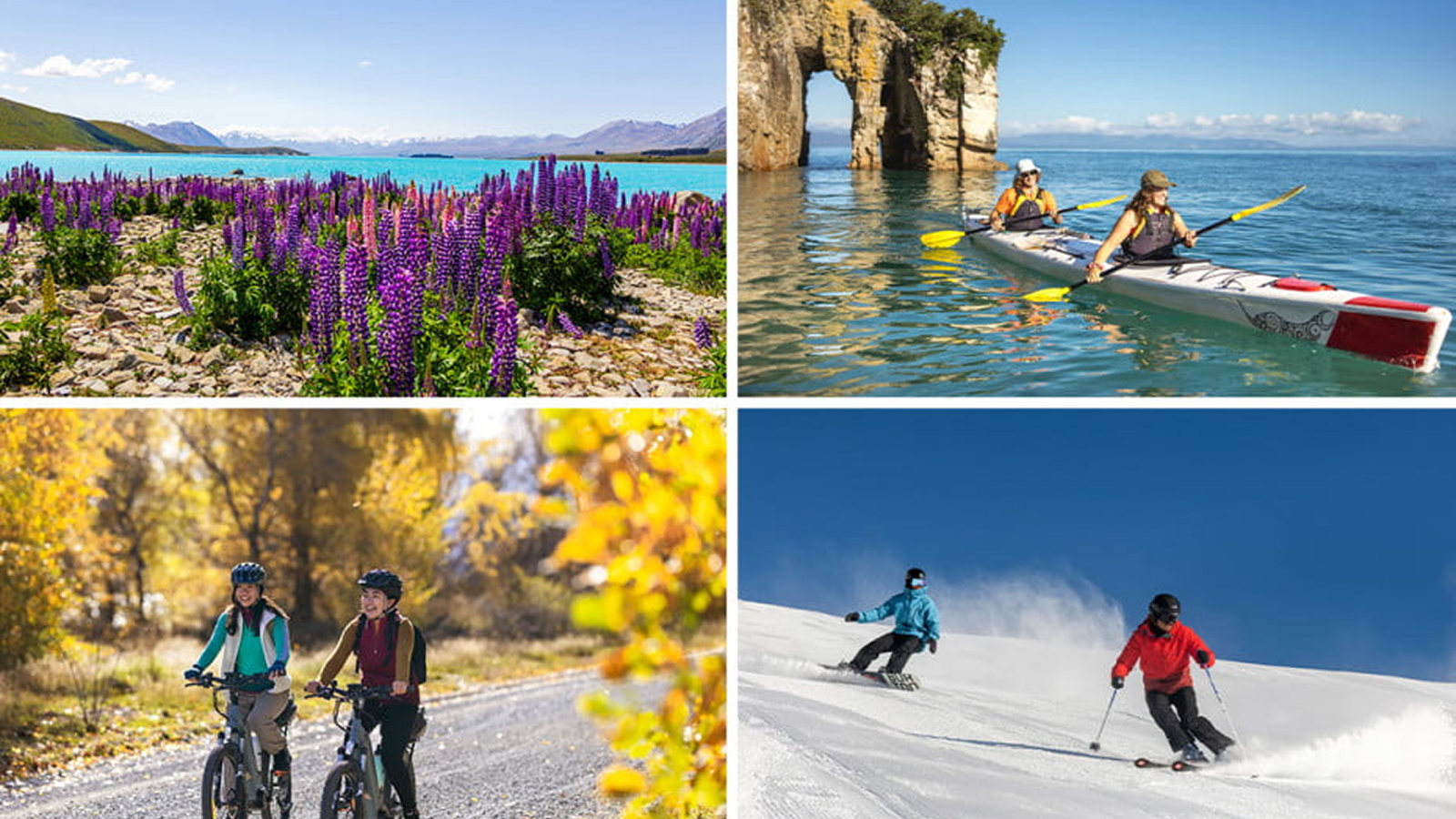
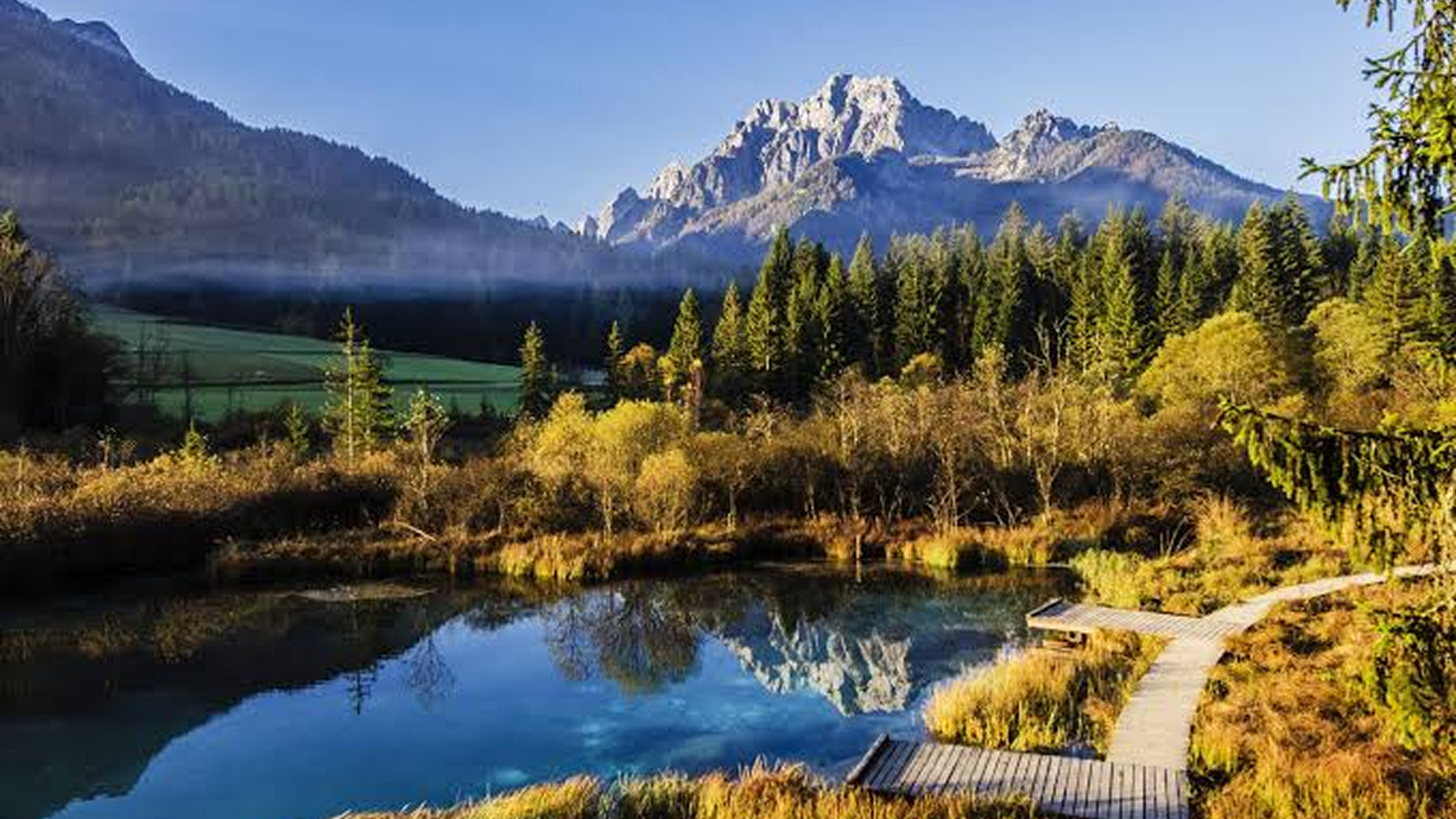
Slovenia is a destination that changes dramatically with the seasons.
In spring, alpine valleys become greener and cities begin to fill with outdoor cafés. Summer brings long days, warm weather, hiking and swimming opportunities. Autumn transforms the countryside with colorful forests and harvest-season experiences, while winter brings snow to the mountains and a completely different atmosphere to destinations such as Kranjska Gora and Lake Bled.
The best time to visit Slovenia depends on what you want to do.
For a combination of comfortable sightseeing, outdoor activities and fewer peak-season crowds, May, June, September and early October can be particularly attractive. Summer is excellent for hiking, lakes and the coast, while winter is the season to consider for skiing and snow-covered Alpine scenery.
This guide breaks down Slovenia month by month so you can choose the right season for your trip.
Slovenia Weather at a Glance
| Season | Months | Weather | Best For |
|---|---|---|---|
| Spring | March–May | Mild, increasingly warm | Cities, nature, sightseeing |
| Summer | June–August | Warmest period | Lakes, hiking, coast |
| Autumn | September–November | Mild to cool | Wine, food, hiking, photography |
| Winter | December–February | Cold, snowy in mountains | Skiing, Christmas markets, winter scenery |
Slovenia has several climatic influences because of its geography. Conditions can differ considerably between Ljubljana, the Julian Alps, the Karst region and the Adriatic coast.
That means the best month for one part of Slovenia may not be the best month for another.
Slovenia in Spring: March to May
Spring is when Slovenia begins transitioning from winter toward warmer weather.
March can still feel wintry, particularly in the mountains, but by April and May the landscape becomes increasingly green.
May is especially appealing for travelers who want a balance between pleasant weather and outdoor sightseeing.
March in Slovenia
March is a transition month.
Higher elevations can still have snow, while lower areas gradually become milder.
Good for:
- Ljubljana
- Museums and cultural attractions
- Early-season mountain trips
- Lower-cost travel
- Quiet sightseeing
Less ideal for:
- Guaranteed warm weather
- High-altitude hiking
- Swimming
April in Slovenia
April brings more noticeable signs of spring.
The countryside becomes greener, although rainfall can still be variable.
It is a good month for combining cities with lower-elevation nature attractions.
Good for:
- Ljubljana
- Bled
- Countryside drives
- Photography
- Spring landscapes
Best for: Travelers who don’t mind changeable weather.
May in Slovenia
May is one of the most attractive months for a general Slovenia itinerary.
Temperatures become more comfortable, landscapes are green and many outdoor activities become easier.
The higher mountains can still have lingering snow, so hiking conditions vary by altitude.
Good for:
- Ljubljana
- Lake Bled
- Lake Bohinj
- Hiking at lower elevations
- Road trips
- Photography
Best for: First-time visitors and mixed itineraries.
Slovenia in Summer: June to August
Summer is the busiest travel season in Slovenia.
Long daylight hours make it particularly useful for road trips, hiking and outdoor activities.
Lake Bled, Lake Bohinj, the Soča Valley and the Slovenian coast are especially popular during this period.
June in Slovenia
June is an excellent month for outdoor travel.
The days are long, temperatures are generally warm and the Alpine landscape is ideal for hiking when trail conditions allow.
The coast also becomes increasingly suitable for beach activities.
Good for:
- Hiking
- Lake Bled
- Lake Bohinj
- Soča Valley
- Cycling
- Road trips
- Coastal travel
Best for: Active travelers who want long days without traveling at the absolute height of summer.
July in Slovenia
July is one of Slovenia’s busiest months.
The weather is generally warm, making it popular for lakes, hiking, cycling and the coast.
Popular destinations can be busy, especially around Lake Bled, Lake Bohinj and coastal towns.
Good for:
- Swimming
- Hiking
- Mountain activities
- Lake trips
- Slovenian coast
- Family holidays
Best for: Travelers prioritizing summer weather and outdoor activities.
August in Slovenia
August continues the summer season.
The combination of warm weather and long days makes it a popular month for exploring Slovenia.
If you’re planning to visit popular areas during August, booking accommodation and transportation in advance is sensible.
Good for:
- Lakes
- Hiking
- Beaches
- Outdoor activities
- Road trips
Best for: Summer vacations and outdoor-focused itineraries.
Slovenia in Autumn: September to November
Autumn is one of the most rewarding seasons for travelers interested in food, wine, photography and countryside landscapes.
September can still feel like summer in many places, while October brings more noticeable autumn colors.
By November, conditions become cooler and wetter, especially outside the coast.
September in Slovenia
September is a particularly useful month for a Slovenia trip.
Summer temperatures begin to ease while many outdoor destinations remain accessible.
It can be a good time for travelers who want to combine hiking, sightseeing and food or wine experiences.
Good for:
- Hiking
- Lake Bled
- Soča Valley
- Wine regions
- Ljubljana
- Photography
- Road trips
Best for: A balanced Slovenia itinerary.
October in Slovenia
October brings autumn colors to forests and valleys.
The countryside becomes especially attractive for photographers, road-trippers and travelers interested in wine and food.
Mountain weather can become more unpredictable as the month progresses.
Good for:
- Autumn photography
- Wine regions
- Food travel
- Ljubljana
- Countryside drives
- Cultural sightseeing
Best for: Travelers who prefer autumn landscapes and slower travel.
November in Slovenia
November is one of the quieter periods for tourism.
Days are shorter and conditions become colder, particularly in northern and mountainous areas.
However, Ljubljana and other cities can still be enjoyable for museums, restaurants and cultural experiences.
Good for:
- City breaks
- Food
- Wine
- Museums
- Local restaurants
Best for: Travelers who don’t need warm outdoor weather.
Slovenia in Winter: December to February
Winter transforms Slovenia’s Alpine regions.
Snow-covered mountains, winter sports and festive city centers create a completely different travel experience.
The coast remains milder than the interior, while mountain destinations can receive substantial snowfall.
December in Slovenia
December brings a festive atmosphere to Ljubljana and other Slovenian towns.
Christmas markets, seasonal decorations and winter food make city breaks particularly appealing.
The mountains also become attractive for winter activities when snow conditions are suitable.
Good for:
- Ljubljana Christmas markets
- Winter scenery
- Skiing
- Alpine resorts
- Festive food
Best for: Christmas and winter atmosphere.
January in Slovenia
January is generally one of the coldest months.
The Alpine regions are the main focus for winter sports, while cities offer museums, restaurants and indoor cultural attractions.
Good for:
- Skiing
- Snow activities
- Mountain scenery
- Winter photography
- City breaks
Best for: Winter sports travelers.
February in Slovenia
February continues the winter season, particularly in the mountains.
Depending on conditions, ski resorts can still offer good opportunities for winter sports.
The days gradually begin getting longer toward the end of the month.
Good for:
- Skiing
- Snowboarding
- Winter landscapes
- Alpine escapes
Best for: Winter sports and snowy mountain scenery.
Best Month to Visit Slovenia
If you want a simple answer, consider these months:
Best Overall: May, June & September
These months provide a useful balance between outdoor activities, sightseeing and generally comfortable conditions.
Best for Summer Activities: July & August
Choose these months if swimming, hiking and long summer days are your priority.
Best for Autumn Colors: October
October is particularly attractive for forests, countryside and photography.
Best for Wine & Food: September & October
The wine regions and seasonal countryside atmosphere make early autumn especially interesting for culinary travel.
Best for Skiing: January & February
These months are among the core winter period for Slovenia’s mountain resorts, subject to snow conditions.
Best for Christmas Atmosphere: December
Ljubljana and other towns take on a festive character during the holiday season.
Best Time to Visit Lake Bled
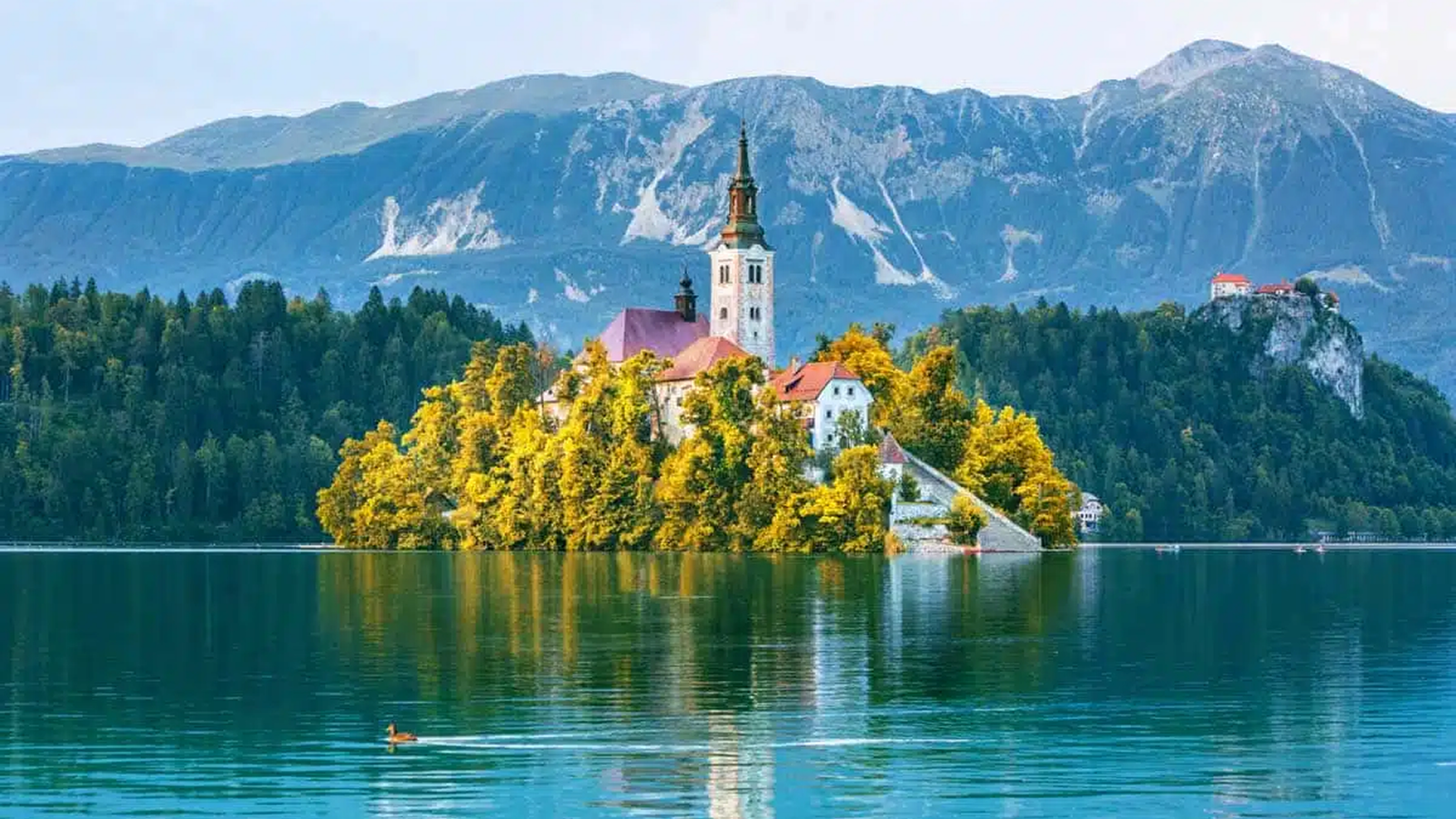
Lake Bled is one of Slovenia’s most visited destinations and can be enjoyed throughout the year.
Spring
Green landscapes and fewer summer crowds can make spring appealing.
Summer
Summer is ideal for outdoor activities around the lake, but it is also a busy period.
Autumn
Autumn brings colorful forests around the lake and can create excellent photography conditions.
Winter
Snow can transform Bled into a quieter winter landscape, although conditions vary from year to year.
Best overall periods: May, June, September and early October.
Best Time to Visit Lake Bohinj
Lake Bohinj is particularly suited to travelers interested in nature and outdoor activities.
May–June
Good for spring landscapes and the beginning of the summer hiking season.
July–August
Best suited to travelers prioritizing warm-weather outdoor activities.
September
An excellent month for hiking and exploring the Julian Alps.
October
Good for autumn scenery, although higher mountain conditions can change quickly.
Best overall: June and September.
Best Time for Hiking in Slovenia
Slovenia offers hiking opportunities across different elevations, so there isn’t one universal hiking season.
For lower-altitude trails, spring and autumn can be excellent.
For higher Alpine routes, summer generally provides the widest access, subject to local trail and weather conditions.
Best Hiking Months
May: Lower elevations and spring scenery.
June: Expanding access to Alpine routes.
July: Long days and summer mountain conditions.
August: Warm-weather hiking.
September: Cooler temperatures and autumn approaching.
October: Lower-elevation hiking and colorful landscapes.
Always check local mountain conditions before heading into higher elevations.
Best Time for the Slovenian Coast
Slovenia’s Adriatic coast includes destinations such as:
- Piran
- Portorož
- Koper
- Izola
May & June
Good for coastal sightseeing and outdoor dining.
July & August
Best suited to travelers looking for traditional summer beach conditions.
September
Warm weather can continue while the atmosphere becomes more relaxed.
October
Better for coastal sightseeing and food trips than traditional beach holidays.
Best overall for a coastal holiday: June through September.
Best Time for Food & Wine Travel
Slovenia’s food and wine regions are particularly attractive in late summer and autumn.
Brda
Visit during the warmer months and autumn for vineyard landscapes and seasonal produce.
Vipava Valley
A strong destination for food and wine experiences, particularly during the growing and harvest seasons.
Karst
Ideal for travelers interested in traditional products such as Kraški pršut and Teran.
Dolenjska
An important wine region where autumn can be particularly interesting.
Maribor & Štajerska
A good choice for wine-focused travelers exploring northeastern Slovenia.
Best overall: September and October.
Best Time for Skiing in Slovenia
Slovenia’s ski season depends on snowfall and local conditions.
Popular winter destinations include:
- Kranjska Gora
- Vogel
- Krvavec
- Mariborsko Pohorje
- Rogla
January and February are core winter months, while December and March can also offer skiing depending on conditions.
Best period: January–February, subject to snow conditions.
Peak, Shoulder & Low Season in Slovenia
Understanding travel seasons can help you decide when to visit.
Peak Season
July–August
Expect:
- Higher demand
- Busy popular destinations
- Longer daylight
- Warm weather
- Strong demand for lakes and the coast
Shoulder Season
May–June and September–October
Expect:
- More moderate visitor levels than peak summer
- Good conditions for many activities
- Attractive landscapes
- Strong food and wine opportunities
For travelers looking for a broad Slovenia itinerary, shoulder season can be particularly practical.
Low Season
November–March
Expect:
- Cooler temperatures
- Shorter days
- Snow in the mountains
- Fewer visitors in many destinations
- Winter sports opportunities
The exception is the festive period in December and ski destinations during the winter season.
Slovenia Month-by-Month Travel Guide
| Month | Weather | Crowds | Best For |
|---|---|---|---|
| January | Cold / snowy mountains | Low | Skiing |
| February | Cold / snowy mountains | Low | Winter sports |
| March | Cool / changing | Low | City breaks |
| April | Mild / variable | Moderate | Spring sightseeing |
| May | Mild / pleasant | Moderate | General travel |
| June | Warm | Moderate-high | Hiking & lakes |
| July | Warm | High | Summer holidays |
| August | Warm | High | Lakes & coast |
| September | Mild / warm | Moderate | Hiking & wine |
| October | Cool / autumn | Moderate | Wine & photography |
| November | Cool | Low | Food & city breaks |
| December | Cold / festive | Moderate | Christmas & winter |
Best Time to Visit Slovenia by Travel Style
For First-Time Visitors
May, June or September
These months allow you to combine cities, lakes, mountains and countryside.
For Couples
May, September or October
These periods can be attractive for romantic city, lake and countryside stays.
For Families
June to August
Summer offers the widest range of outdoor activities, although popular destinations can be busy.
For Hikers
June to September
Higher mountain trails generally have the greatest accessibility during the warmer part of the year, depending on conditions.
For Photographers
October
Autumn colors can provide spectacular scenery.
For Food Travelers
September to October
Wine regions and seasonal produce make autumn especially interesting.
For Skiers
January to February
The core winter months are the main period to consider, depending on snow conditions.
For Christmas Markets
December
Ljubljana and other Slovenian towns offer festive seasonal experiences.
3-Day Slovenia Itinerary by Season
Spring — 3 Days
Day 1: Ljubljana
Day 2: Lake Bled
Day 3: Lake Bohinj
Focus on cities, lakes and spring landscapes.
Summer — 3 Days
Day 1: Ljubljana
Day 2: Lake Bled & Bohinj
Day 3: Slovenian Coast
Focus on outdoor activities, lakes and seaside travel.
Autumn — 3 Days
Day 1: Ljubljana
Day 2: Brda or Vipava Valley
Day 3: Karst or Slovenian Coast
Focus on food, wine and autumn scenery.
Winter — 3 Days
Day 1: Ljubljana
Day 2: Bled
Day 3: Kranjska Gora
Focus on festive atmosphere, winter scenery and mountain activities.
7-Day Slovenia Itinerary by Season
Spring
Ljubljana → Bled → Bohinj → Kranjska Gora → Soča Valley → Brda → Piran
A balanced itinerary combining cities, mountains, countryside and coast.
Summer
Ljubljana → Bled → Bohinj → Soča Valley → Kranjska Gora → Piran → Portorož
Focus on lakes, hiking, outdoor activities and the Adriatic.
Autumn
Ljubljana → Bled → Brda → Vipava Valley → Karst → Piran → Maribor
A food-and-wine-focused itinerary with autumn landscapes.
Winter
Ljubljana → Bled → Kranjska Gora → Alpine resort → Ljubljana
Keep the itinerary flexible around mountain weather and winter conditions.
Slovenia Travel Tips
1. Pack for Changing Weather
Slovenia’s geography means weather can change considerably between regions and elevations.
2. Check Mountain Conditions
Do not assume that summer conditions in Ljubljana mean the same conditions exist at high Alpine elevations.
3. Book Popular Destinations Early
Lake Bled, Bohinj, the coast and popular Alpine resorts can be busy during peak periods.
4. Consider a Rental Car
A car is particularly useful if your itinerary includes wine regions, remote valleys and mountain villages.
5. Leave Extra Time
Slovenia is small enough that travelers sometimes try to see too much in a short trip. Give yourself time to enjoy the landscapes rather than simply moving between destinations.
6. Combine Regions
A Slovenia trip becomes more varied when you combine at least two or three geographical areas.
7. Check Seasonal Opening Times
Some attractions and businesses can operate on different schedules outside the main season.
Frequently Asked Questions
What is the best month to visit Slovenia?
May, June and September are particularly useful months for a general Slovenia itinerary because they combine sightseeing opportunities with outdoor activities and generally comfortable conditions.
Is Slovenia better in summer or autumn?
It depends on your priorities. Summer is better suited to warm-weather activities, lakes and the coast, while autumn is particularly attractive for wine, food, photography and changing foliage.
How many days do you need in Slovenia?
A 3-day trip can cover Ljubljana and one or two major destinations. Around 7 days gives you much more time to combine Ljubljana, the Alps, the Soča Valley, wine country and the coast.
What is the rainy season in Slovenia?
Rainfall varies by region and season, and Slovenia does not have one simple nationwide rainy season. Weather can also change quickly in the mountains.
When is the best time to visit Lake Bled?
May, June, September and early October can be particularly appealing. Summer offers warm-weather activities but is also one of the busiest periods.
When is the best time to visit Slovenia for hiking?
June through September is generally the main period for higher-elevation hiking, depending on local trail and weather conditions. Lower-elevation hikes can be enjoyed for a longer part of the year.
When is the best time to visit Slovenia for wine?
September and October are particularly attractive for wine travelers because of the autumn countryside and harvest-season atmosphere.
When does it snow in Slovenia?
Snow is most reliable in the higher Alpine areas during winter, generally from December into early spring, although exact conditions vary from year to year.
Is Slovenia expensive in summer?
Prices can be higher during peak summer, particularly in popular destinations such as Lake Bled, Bohinj, the coast and major Alpine resorts. Traveling during shoulder season can provide more accommodation choice.
Final Thoughts
There isn’t one single best time to visit Slovenia for every traveler.
If you want to see as much of the country as possible, May, June, September and early October provide a useful balance between sightseeing, outdoor activities and seasonal experiences.
Choose July and August if your priority is summer weather, lakes, hiking and the Adriatic coast.
Choose September and October for food, wine, countryside and autumn landscapes.
Choose December for festive city breaks and January or February for skiing and snowy Alpine scenery.
The biggest advantage of Slovenia is that it offers very different experiences throughout the year. From the green valleys of spring to the warm Adriatic summer, colorful vineyards in autumn and snow-covered Julian Alps in winter, the country rewards travelers who choose their season around the experience they want.