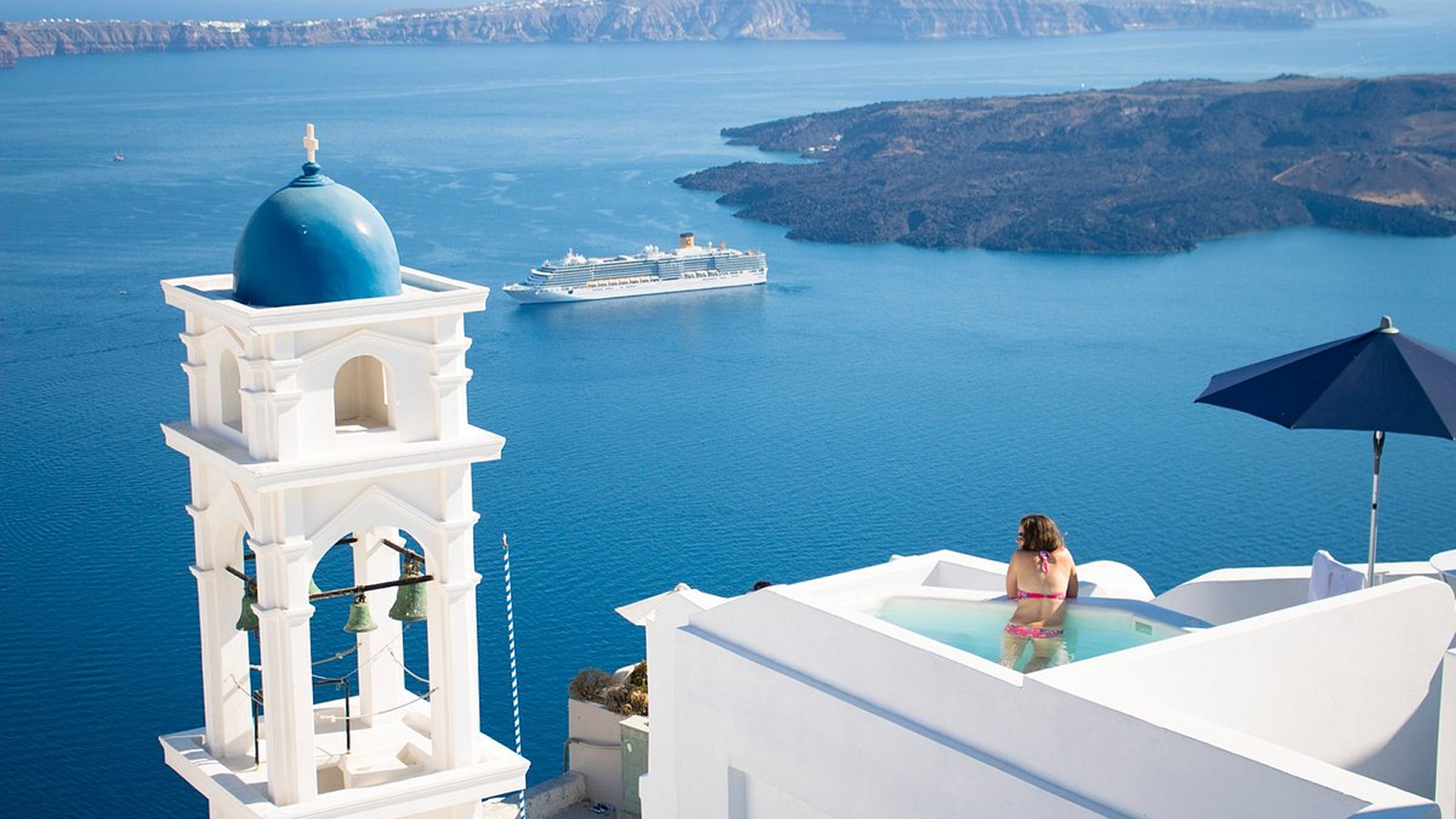
Greece is one of Europe’s most versatile travel destinations.
The country combines ancient cities, Mediterranean islands, sandy beaches, mountain villages, historic sites, local food and a long summer season. But the best time to visit Greece depends heavily on what you want to do.
If your priority is swimming and island life, the middle of summer offers the classic Greek holiday experience. If you want comfortable sightseeing and fewer crowds, spring and autumn can be more appealing. Food and wine travelers may prefer the shoulder seasons, while winter can be surprisingly interesting for Athens, Thessaloniki and mainland Greece.
Greece also has significant regional differences. Crete and the southern islands generally have a longer warm-weather season, while northern Greece experiences cooler winters and a more pronounced seasonal change.
This guide explains the best time to visit Greece in 2026, including weather by month, the best seasons for popular islands, beaches, sightseeing, food, hiking and island hopping.
Greece Weather at a Glance
| Season | Months | Typical Travel Experience | Best For |
|---|---|---|---|
| Spring | March–May | Mild, increasingly warm | Sightseeing, hiking, food |
| Early Summer | June | Warm & sunny | Beaches, islands, sightseeing |
| Peak Summer | July–August | Hot & busy | Beaches, swimming, nightlife |
| Autumn | September–October | Warm to mild | Islands, food, wine |
| Late Autumn | November | Cooler & quieter | Cities, culture |
| Winter | December–February | Cool, wetter in many areas | Athens, mainland, skiing |
The most popular travel periods
April to June: Excellent for sightseeing and exploring many regions.
July to August: Peak beach season, but also the hottest and busiest period.
September to October: Particularly useful for travelers who want warm weather with a more relaxed atmosphere.
November to March: Better suited to mainland cities, cultural travel, mountain destinations and travelers who don’t need traditional beach weather.
What Is the Best Time to Visit Greece?
For many travelers, May, June, September and early October offer a good balance between weather and travel conditions.
Best overall: May–June
Spring turns into summer, temperatures become increasingly warm and many destinations are active without the intensity of the July and August peak.
Best for beaches: June–September
If swimming and long beach days are your main priorities, summer is the most reliable period.
Best for fewer crowds: April–May and October
These months can be more comfortable for exploring popular archaeological sites, towns and cities.
Best for food and wine: September–October
The combination of comfortable weather, regional produce and harvest-related activities makes early autumn particularly interesting for culinary travel.
Best for winter sun: Southern Greece and Crete
The weather is cooler than summer, but southern destinations can still offer opportunities for sightseeing and outdoor activities.
Greece Month-by-Month
Greece in January
January is winter in Greece.
Athens and other mainland cities are suitable for cultural travel, museums, restaurants and historical attractions, but beach holidays are generally not the main reason to visit.
Mountain destinations can receive snow, creating opportunities for winter sports.
Best for:
- Athens
- Museums
- Archaeological sites
- Food travel
- Mountain destinations
- Skiing
Beach holiday: ❌
Sightseeing: ✅
Hiking: Limited depending on region
Crowds: Low
Greece in February
February remains part of the winter season.
It can be a good month for travelers who prefer quieter city breaks and don’t need warm beach weather.
Northern and mountainous parts of Greece can be particularly cold, while southern areas are generally milder.
Best for:
- Athens
- Thessaloniki
- Cultural travel
- Food trips
- Skiing
Beach holiday: ❌
Sightseeing: ✅
Crowds: Low
Greece in March
March marks the beginning of spring.
Weather becomes increasingly pleasant, although conditions can still be unpredictable.
Flowers and greenery become more prominent in many parts of the country, making March attractive for walking and sightseeing.
Best for:
- Athens
- Mainland road trips
- Hiking
- Historical sites
- Food travel
Beach holiday: ⚠️
Sightseeing: ✅
Crowds: Low to moderate
Greece in April
April is one of the most interesting months for exploring Greece.
Temperatures are generally more comfortable than summer, making it easier to spend long days walking through archaeological sites and historic towns.
The islands begin to become more active, although some seasonal businesses may not yet be operating at full summer capacity.
Best for:
- Athens
- Crete
- Peloponnese
- Historic sites
- Hiking
- Food travel
Beach holiday: ⚠️
Sightseeing: ⭐⭐⭐⭐⭐
Crowds: Moderate
Greece in May
May is an excellent month for a broad Greece itinerary.
The weather is generally warm enough for outdoor activities and, depending on location and conditions, beach time becomes increasingly appealing.
This is also a good month for travelers who want to combine cities, archaeological sites and islands.
Best for:
- Island hopping
- Athens
- Crete
- Santorini
- Hiking
- Food travel
- Photography
Beach holiday: ✅
Sightseeing: ⭐⭐⭐⭐⭐
Crowds: Moderate
Greece in June
June brings reliable summer conditions to much of Greece.
Sea temperatures become increasingly comfortable, days are long and most island destinations are fully active.
It is particularly good for travelers who want the classic Greek island experience without traveling at the height of summer.
Best for:
- Beaches
- Island hopping
- Sailing
- Swimming
- Outdoor dining
- Photography
Beach holiday: ⭐⭐⭐⭐⭐
Sightseeing: ⭐⭐⭐⭐
Crowds: Moderate to high
Greece in July
July is one of the busiest months of the Greek travel calendar.
The weather is typically hot and sunny, making it excellent for beaches and swimming.
However, heat can make sightseeing difficult during the middle of the day, particularly in inland areas.
Popular islands can also become very busy.
Best for:
- Beach holidays
- Island resorts
- Sailing
- Nightlife
- Swimming
Beach holiday: ⭐⭐⭐⭐⭐
Sightseeing: ⭐⭐⭐
Crowds: High
Greece in August
August is peak summer.
It is ideal for travelers whose priority is a classic Mediterranean beach holiday, but popular destinations can be extremely busy.
The combination of heat and crowds means travelers should plan sightseeing for early morning or later afternoon.
Best for:
- Beaches
- Swimming
- Sailing
- Island nightlife
- Family holidays
Beach holiday: ⭐⭐⭐⭐⭐
Sightseeing: ⭐⭐⭐
Crowds: Very high
Greece in September
September is one of the most useful months for traveling around Greece.
Summer conditions can continue across many destinations, while temperatures often become more comfortable than in July and August.
The month works particularly well for couples, food travelers and travelers interested in exploring multiple islands.
Best for:
- Island hopping
- Beaches
- Food
- Wine
- Hiking
- Couples
Beach holiday: ⭐⭐⭐⭐⭐
Sightseeing: ⭐⭐⭐⭐⭐
Crowds: Moderate to high
Greece in October
October is an excellent shoulder-season option, particularly in southern Greece and Crete.
The weather becomes milder and conditions can be ideal for exploring towns, archaeological sites and countryside.
Beach conditions depend more heavily on the location and weather.
Best for:
- Crete
- Athens
- Peloponnese
- Food travel
- Wine
- Hiking
- Cultural travel
Beach holiday: ✅
Sightseeing: ⭐⭐⭐⭐⭐
Crowds: Moderate
Greece in November
November brings a noticeable transition toward winter.
Some island businesses operate on reduced schedules or close for the season, particularly on smaller islands.
Athens, Thessaloniki and mainland destinations remain more practical for travelers.
Best for:
- City breaks
- Museums
- Food
- History
- Mainland travel
Beach holiday: ❌
Sightseeing: ✅
Crowds: Low
Greece in December
December is winter, but Greece can still be interesting for cultural travel.
Athens provides museums, historic attractions, restaurants and neighborhoods to explore, while northern and mountainous regions offer a different seasonal experience.
Best for:
- Athens
- Thessaloniki
- Christmas atmosphere
- Food
- Winter travel
- Mountain destinations
Beach holiday: ❌
Sightseeing: ✅
Crowds: Low
Best Time to Visit Athens
Athens can be visited throughout the year, but spring and autumn are particularly comfortable for sightseeing.
The city contains major archaeological attractions, including the Acropolis and surrounding historic neighborhoods.
Best months
April–June
Excellent for walking and sightseeing before the strongest summer heat.
September–October
Warm conditions combined with a more comfortable atmosphere for exploring the city.
November–March
Useful for travelers who don’t mind cooler weather and want a quieter city experience.
Avoiding the heat
During July and August, schedule outdoor sightseeing early in the morning or later in the afternoon.
Best Time to Visit Santorini
Santorini is one of Greece’s most famous destinations, particularly for its caldera views, villages and sunsets.
Best overall
May–June and September–October
These months can offer a useful combination of pleasant weather and more manageable conditions.
Best for swimming
June–September
Best for photography
April–May and September–October
Peak season
July–August
Expect higher demand and busy viewpoints, especially around famous sunset locations.
Best Time to Visit Mykonos
Mykonos is particularly associated with beaches, nightlife, restaurants and summer travel.
Best for nightlife
June–August
Best for beaches
June–September
Best for a quieter experience
May and September–October
Travelers who want the island’s atmosphere without the busiest summer period may prefer the shoulder season.
Best Time to Visit Crete
Crete has one of the longest useful travel seasons in Greece.
Its southern location and large size mean travelers can combine beaches with mountains, villages, archaeological sites and food experiences.
Best overall
May–June and September–October
Best for beaches
June–September
Best for hiking
April–May and October
Best for food
Spring and autumn
Crete is particularly useful for travelers who want to visit Greece outside the traditional July-August period.
Best Time to Visit Corfu
Corfu is greener than many of Greece’s drier islands and is particularly attractive in spring.
Best overall
May–June and September
Best for beaches
June–September
Best for greenery and walking
April–May
The island becomes busier during the main summer holiday period.
Best Time for Greek Beaches
If beaches are the main reason for your trip, the traditional summer season remains the most reliable.
June
Warm weather begins to settle across many destinations.
July
Excellent beach weather but high demand.
August
Peak beach season and generally the busiest period.
September
One of the best combinations of warm weather and a more relaxed travel atmosphere.
October
Still possible in southern destinations, particularly Crete, but conditions become less predictable.
Best Time for Greek Island Hopping
Island hopping works particularly well from May through October, with the most reliable summer conditions generally occurring from June through September.
May
Good for travelers prioritizing sightseeing and comfortable temperatures.
June
Excellent balance of island activity, weather and long days.
July–August
Best for full summer atmosphere but also the busiest period.
September
Excellent for a more relaxed island-hopping trip.
October
Possible, especially in southern islands, but ferry schedules and seasonal operations should be checked carefully.
Best Time for Food & Wine Travel
Greece is a year-round food destination, but spring and autumn can be particularly rewarding.
Spring
Fresh vegetables, herbs and seasonal ingredients become increasingly important.
Summer
Island restaurants, seafood and outdoor dining are at their peak.
September–October
Autumn is especially interesting for travelers interested in wine and agricultural experiences.
Santorini, Crete, the Peloponnese and northern Greece offer different wine traditions and regional products.
Best Time for Hiking & Outdoor Activities
Spring and autumn are generally the most comfortable periods for many hiking routes.
April–May
Excellent for walking in many mainland and island regions.
June
Good for higher-altitude routes before the strongest summer heat.
July–August
Suitable for mountain hikes where temperatures are manageable, but lowland hiking can become uncomfortable.
September–October
Another excellent period for hiking and outdoor exploration.
Best Time for History & Sightseeing
If your trip focuses on ancient ruins, museums, archaeological sites and historic towns, consider:
April–June
Comfortable temperatures and longer days.
September–October
Warm conditions with a more manageable summer atmosphere.
November–March
Good for travelers who don’t mind cooler weather and want to focus primarily on cultural attractions.
Best Time for Skiing in Greece
Greece isn’t usually the first country people associate with skiing, but its mountains offer winter sports opportunities.
The main season generally runs through the colder months, with conditions depending on altitude and snowfall.
Popular ski areas include:
- Parnassos
- Kalavryta
- Vasilitsa
- Pelion
For a winter trip, combine mountain activities with Athens or other mainland destinations.
Greece Peak, Shoulder & Low Season
| Season | Period | Advantages | Considerations |
|---|---|---|---|
| Peak | July–August | Beaches, nightlife, full island activity | Heat, crowds, higher demand |
| Shoulder | May–June | Warm weather, sightseeing, beaches | Some areas still seasonal |
| Shoulder | September–October | Warm weather, food, islands | Weather becomes more variable |
| Low | November–March | Quiet, cultural travel | Many island businesses seasonal |
Best Time to Visit Greece by Travel Style
For Beach Lovers
June–September
Choose this period if swimming, sunbathing and beach resorts are the priority.
For Couples
May–June or September–October
These months can provide a good balance of weather, sightseeing and romantic coastal experiences.
For Families
June or September
Families may find these periods more comfortable than the hottest part of summer.
For Food Lovers
May–June and September–October
Explore markets, tavernas, wineries and regional food traditions.
For Island Hopping
June and September
These months offer strong conditions for combining multiple islands.
For History Lovers
April–May and September–October
Comfortable conditions make long days of sightseeing easier.
For Budget Travelers
April–May and October
Accommodation and travel demand can be more manageable than during July and August, although conditions and seasonal operations vary by destination.
For Nightlife
June–August
The peak summer season brings the greatest activity to major nightlife destinations such as Mykonos and parts of the Cyclades.
What to Pack for Greece by Season
Spring
Pack:
- Light layers
- Comfortable walking shoes
- Light jacket
- Sunglasses
- Sunscreen
- Compact rain layer
Weather can change, particularly in March and April.
Summer
Pack:
- Lightweight clothing
- Comfortable sandals
- Walking shoes
- Swimwear
- Hat
- Sunglasses
- Sunscreen
- Light evening layer
A reusable water bottle is also useful during hot sightseeing days.
Autumn
Pack:
- Lightweight clothing
- Light jacket
- Comfortable walking shoes
- Swimwear
- Sun protection
- Light rain layer
September can still feel like summer, while October becomes more variable.
Winter
Pack:
- Warm layers
- Waterproof outer layer
- Comfortable shoes
- Sweater
- Warm jacket
If visiting mountainous areas, pack according to the specific conditions and altitude.
Greece Travel Tips for 2026
1. Don’t Treat All of Greece as Having the Same Weather
Crete, the Cyclades, Corfu, Athens, northern Greece and mountain regions can have very different conditions.
Check the weather for the specific destination you’re visiting.
2. Book Popular Islands Early for Summer
July and August are extremely popular.
If you have specific hotels, ferries or room categories in mind, planning ahead is useful.
3. Consider September
September is often overlooked by travelers who automatically think of July and August.
It can be a particularly useful month for combining beaches, food and sightseeing.
4. Start Sightseeing Early
During hot months, visit major archaeological sites early in the day.
This can make a significant difference to comfort.
5. Don’t Schedule Every Island
Moving between too many islands can turn a relaxing holiday into a transportation itinerary.
Two or three destinations can be enough for a week-long island trip.
6. Check Ferry Schedules
Ferry routes and schedules vary by season and destination.
Always check the current timetable before building tight connections.
7. Explore Beyond the Famous Islands
Santorini and Mykonos are famous for a reason, but destinations such as Naxos, Tinos, Paros, Crete and Corfu can offer very different experiences.
8. Try Regional Food
Greek cuisine varies considerably from island to island and region to region.
Look for local specialties rather than ordering the same familiar dishes everywhere.
Suggested Greece Itineraries by Season
Spring Greece Itinerary — 7 Days
Days 1–2: Athens
Days 3–4: Nafplio
Days 5–6: Peloponnese countryside
Day 7: Athens
This route focuses on history, food and comfortable outdoor exploration.
Summer Greece Itinerary — 10 Days
Days 1–2: Athens
Days 3–5: Mykonos
Days 6–8: Paros
Days 9–10: Santorini
This is designed around beaches, island life and summer atmosphere.
Autumn Greece Itinerary — 10 Days
Days 1–2: Athens
Days 3–5: Crete
Days 6–7: Heraklion and surrounding areas
Days 8–9: Santorini
Day 10: Athens
This itinerary combines food, history, beaches and island scenery.
Winter Greece Itinerary — 7 Days
Days 1–3: Athens
Days 4–5: Meteora
Days 6–7: Thessaloniki
This focuses on history, food, architecture and mainland Greece rather than beach travel.
FAQs
What is the best month to visit Greece?
May, June, September and early October are among the most useful months for a broad Greece itinerary. June and September are particularly attractive for travelers who want both sightseeing and beach time.
Is Greece better in May or September?
Both can be excellent. May offers spring landscapes and the beginning of the summer season, while September can provide warm sea temperatures and a more relaxed atmosphere after the peak summer period.
What is the hottest month in Greece?
July and August are generally among the hottest months, although temperatures vary significantly by region.
What is the rainy season in Greece?
Rainfall varies by region. Winter generally brings more precipitation to many parts of Greece, while summers are typically much drier, especially in the islands.
Can I visit Greece in winter?
Yes. Winter is particularly suitable for Athens, Thessaloniki, museums, archaeological sites, food travel and mountain destinations. Many smaller island businesses operate on reduced schedules outside the main tourist season.
Is October a good month to visit Greece?
October can be a good month, particularly for Athens, Crete, the Peloponnese and food-focused travel. Beach conditions become less predictable as the month progresses.
When is the best time for Greek island hopping?
May through October is generally the main period for island travel, with June and September offering a particularly useful balance of weather and activity.
When is the best time to visit Santorini?
May, June, September and early October can be good choices. July and August provide peak summer conditions but also bring the highest demand.
When is the best time to visit Crete?
Crete has a long travel season. May, June, September and October can be especially useful for combining beaches, food, hiking and sightseeing.
When is the cheapest time to visit Greece?
The lowest-demand period is generally outside the main summer season, particularly during winter. Spring and late autumn can also provide more options than July and August, although prices vary considerably by destination and accommodation.
How many days do you need in Greece?
A week is enough for a focused itinerary, while 10–14 days allows travelers to combine Athens with several islands or mainland regions without rushing.
Conclusion
There is no single best month for every type of Greece holiday.
If you want the classic combination of sun, beaches and island life, June through September is the main season. If you want a more balanced trip combining sightseeing, food and outdoor activities, May, June, September and early October can be particularly appealing.
Spring brings comfortable sightseeing conditions and fresh landscapes. Summer delivers the full Mediterranean beach experience. Autumn offers warm days, food and wine experiences and a more relaxed atmosphere. Winter provides a completely different Greece focused on cities, history, mountains and local life.
The most important thing is to match the season with the kind of trip you want.
For a first visit, combining Athens with one or two islands during May, June or September can provide a good introduction to Greece without trying to cover the entire country at once.