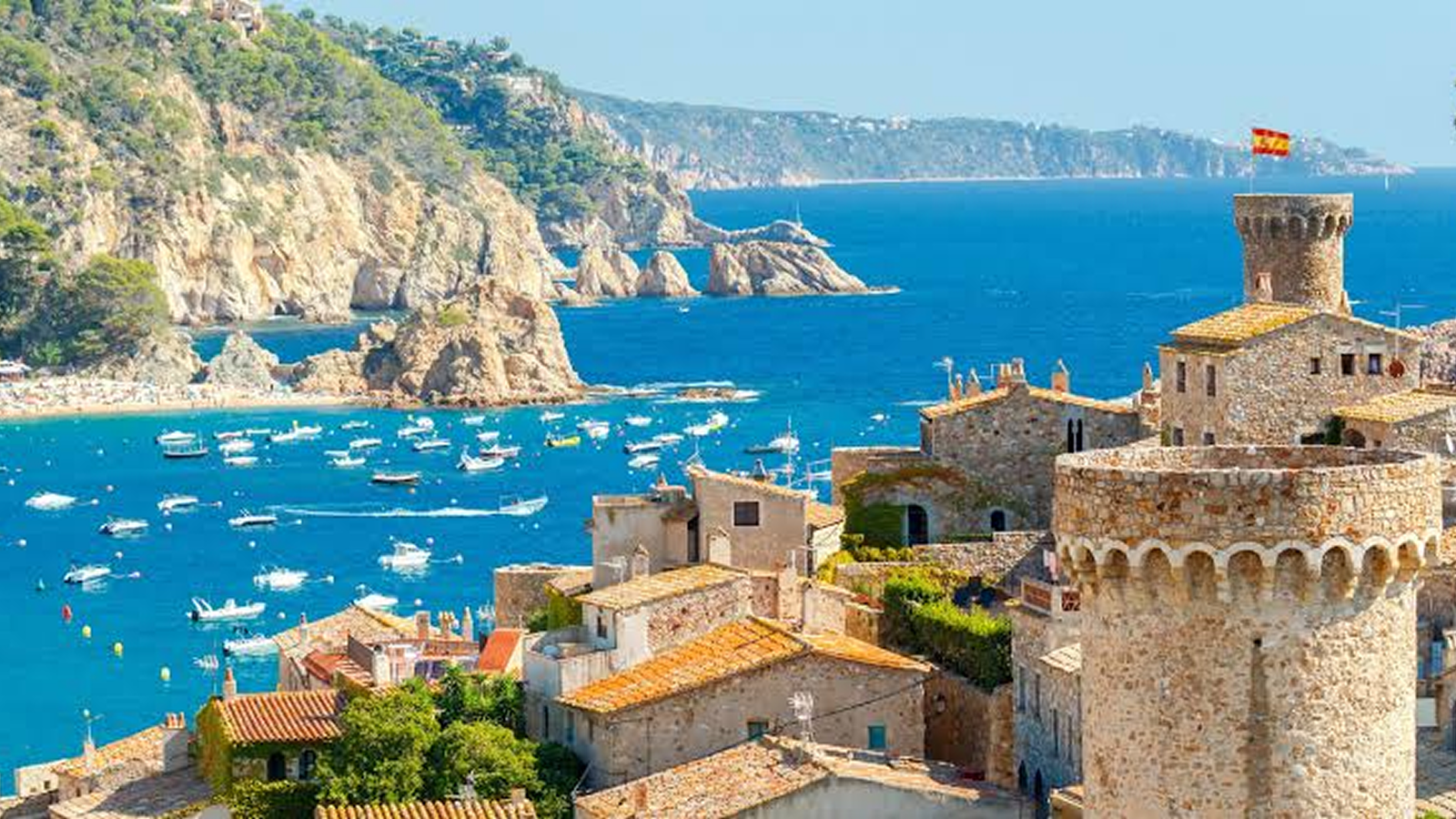
Spain is a year-round destination, but the best time to visit depends heavily on the region and the type of trip you are planning.
The Mediterranean coast offers long, warm summers, northern Spain has a greener and generally more changeable climate, central cities such as Madrid experience hotter summers and cooler winters, while the Canary Islands remain a popular option for warmer weather during the colder months.
For travelers planning a trip in 2026, understanding Spain’s seasons can make it easier to choose between a beach holiday, city break, food-focused trip, island escape or outdoor adventure.
This guide explains the best time to visit Spain in 2026, including weather by month, seasonal conditions, regional recommendations, crowds, activities and practical travel tips.
Spain Weather at a Glance
| Season | Months | General Weather | Crowds | Best For |
|---|---|---|---|---|
| Spring | March–May | Mild to Warm | Moderate | Cities & Outdoor Travel |
| Summer | June–August | Hot & Sunny | High | Beaches & Islands |
| Autumn | September–November | Warm to Cool | Moderate | Food, Cities & Culture |
| Winter | December–February | Mild to Cold | Lower–Moderate | Cities & Canary Islands |
Spain has several different climate zones, so conditions can vary considerably between Barcelona, Madrid, Seville, northern Spain, the Balearic Islands and the Canary Islands.
Best Time to Visit Spain Overall
For many travelers, April to June and September to October provide a comfortable balance between weather, sightseeing and visitor numbers.
Spring — April to June
Spring is particularly suitable for:
- City sightseeing
- Andalusia
- Hiking
- Food travel
- Cultural trips
- Countryside travel
Summer — July to August
Summer is ideal for:
- Beaches
- Mallorca
- Ibiza
- Costa del Sol
- Northern coastal destinations
- Island holidays
However, inland cities can become extremely hot, especially during July and August.
Autumn — September to October
Autumn offers:
- Warm coastal weather
- Food and wine experiences
- City sightseeing
- Fewer peak-season crowds in some areas
- Comfortable outdoor conditions
Winter — November to February
Winter can be a good time for:
- Madrid
- Barcelona
- Andalusia
- Canary Islands
- Skiing in the Pyrenees and Sierra Nevada
Spain in January
January is winter across most of mainland Spain, but conditions vary significantly by region.
Madrid and northern Spain can be cold, while Andalusia is generally milder. The Canary Islands offer much warmer conditions compared with mainland destinations.
Why Visit Spain in January?
- Fewer tourists
- Winter city breaks
- Cultural attractions
- Skiing
- Canary Islands
- Lower-season travel opportunities
Best Places to Visit
- Madrid
- Barcelona
- Seville
- Granada
- Canary Islands
- Sierra Nevada
Best for: City breaks, skiing and winter sun.
Spain in February
February remains a winter month, although southern Spain can already feel relatively mild during sunny periods.
The Canary Islands continue to be a strong option for travelers looking for warmer weather.
Best Experiences
- Madrid museums
- Barcelona architecture
- Andalusian cities
- Canary Islands
- Skiing
- Spanish food
Best Places
- Seville
- Málaga
- Granada
- Madrid
- Tenerife
- Gran Canaria
Best for: Winter city breaks, food and warmer island holidays.
Spain in March
March marks the beginning of spring.
Temperatures start rising, although weather can remain changeable in some parts of the country.
Why Visit in March?
- Longer daylight
- Spring scenery
- Comfortable city sightseeing
- Fewer summer crowds
- Southern Spain becomes increasingly attractive
Best Places
- Seville
- Córdoba
- Málaga
- Barcelona
- Madrid
- Valencia
Best for: Andalusia, cultural travel and city breaks.
Spain in April
April is one of the most popular spring months for exploring Spain.
Southern Spain becomes particularly appealing, while temperatures in cities such as Madrid and Barcelona are generally suitable for walking and sightseeing.
Best Experiences
- Andalusian cities
- Spring gardens
- Historic centers
- Food markets
- Walking tours
- Cultural attractions
Best Places
- Seville
- Córdoba
- Granada
- Barcelona
- Madrid
- Valencia
Best for: Culture, architecture and spring travel.
Spain in May
May brings warmer temperatures and longer days across much of the country.
It is a particularly flexible month for combining city sightseeing with outdoor activities.
Why Visit in May?
- Warm but generally manageable weather
- Longer daylight
- Outdoor dining
- Coastal travel
- Hiking
- Festivals and cultural events
Best Places
- Barcelona
- Madrid
- Seville
- Málaga
- Mallorca
- Basque Country
Best for: First-time visitors, city breaks and outdoor travel.
Spain in June
June marks the beginning of summer.
Coastal destinations become increasingly popular, while inland cities can already become quite hot.
Best Experiences
- Mediterranean beaches
- Mallorca
- Costa del Sol
- Barcelona
- Northern Spain
- Hiking in mountain areas
Best Places
- Mallorca
- Costa Brava
- Costa del Sol
- San Sebastián
- Barcelona
- Canary Islands
Best for: Beaches, road trips and outdoor activities.
Spain in July
July is peak summer across much of Spain.
Coastal areas and islands are extremely popular, while inland destinations such as Madrid, Córdoba and Seville can experience very high temperatures.
Best Experiences
- Beaches
- Island holidays
- Coastal road trips
- Water activities
- Northern Spain
- Mountain escapes
Best Places
- Mallorca
- Ibiza
- Menorca
- Costa Brava
- Costa del Sol
- Basque Country
- Galicia
Best for: Beach holidays and coastal travel.
Spain in August
August is one of the busiest travel months in Spain.
It is particularly popular for beach destinations and islands, while some inland cities can be uncomfortable for extensive daytime sightseeing because of high temperatures.
Best Places
- Mallorca
- Menorca
- Ibiza
- Costa Brava
- Costa del Sol
- Galicia
- Asturias
- Canary Islands
Things to Know
Popular resorts can become busy and accommodation prices may rise during peak summer.
Best for: Beach holidays, islands and coastal travel.
Spain in September
September is one of the most versatile months for traveling around Spain.
The intense summer heat begins to ease in many regions while Mediterranean destinations can remain warm.
Why Visit in September?
- Warm coastal weather
- Comfortable city sightseeing
- Food and wine
- Outdoor activities
- Fewer peak-season visitors in some destinations
Best Places
- Barcelona
- Madrid
- Mallorca
- Andalusia
- Basque Country
- Rioja
Best for: Food, wine, cities and beaches.
Spain in October
October brings cooler temperatures but remains suitable for many types of travel.
Southern Spain and parts of the Mediterranean coast can remain warm, while northern Spain becomes increasingly autumnal.
Best Experiences
- Wine regions
- Food travel
- City breaks
- Hiking
- Cultural attractions
- Countryside trips
Best Places
- Rioja
- Barcelona
- Seville
- Málaga
- Madrid
- Basque Country
Best for: Food, wine, culture and outdoor travel.
Spain in November
November is a quieter travel period in many parts of Spain.
Temperatures become cooler, especially in northern and central regions, but southern Spain can still offer comfortable conditions.
Best Experiences
- Museums
- Food
- Historic cities
- Wine regions
- Lower-season travel
Best Places
- Seville
- Málaga
- Granada
- Madrid
- Barcelona
Best for: Food, culture and quieter city breaks.
Spain in December
December brings a festive atmosphere to many Spanish cities.
Christmas markets, seasonal decorations and traditional food make this an interesting month for cultural travel.
Best Experiences
- Christmas markets
- Festive city breaks
- Spanish food
- Shopping
- Canary Islands
- Ski resorts
Best Places
- Madrid
- Barcelona
- Seville
- Málaga
- Canary Islands
- Sierra Nevada
Best for: Christmas travel, city breaks and winter sun.
Best Time to Visit Barcelona
Barcelona is a year-round destination, but spring and autumn can be particularly comfortable for sightseeing.
Spring
April–June
Good for:
- Gaudí architecture
- Walking
- Beaches
- Outdoor dining
- Museums
Summer
July–August
Good for:
- Beaches
- Swimming
- Nightlife
- Mediterranean travel
But the city can be busy and hot.
Autumn
September–October
Good for:
- Architecture
- Food
- Beaches
- City sightseeing
Winter
November–February
Good for:
- Museums
- Architecture
- Food
- Lower-season city breaks
Recommended period: April–June and September–October.
Best Time to Visit Madrid
Madrid has hot summers and relatively cold winters compared with Spain’s Mediterranean coast.
Spring
April–June is excellent for:
- Parks
- Museums
- Walking
- Outdoor cafés
Summer
July and August can be very hot.
Plan outdoor sightseeing earlier in the day and later in the evening.
Autumn
September and October provide comfortable conditions for exploring the city.
Winter
Winter is suitable for museums, restaurants, shopping and cultural attractions.
Recommended period: April–June and September–October.
Best Time to Visit Seville & Andalusia
Andalusia is one of the most popular regions in southern Spain.
Summer can be extremely hot, especially in cities such as Seville and Córdoba.
Spring
March–May is particularly attractive for:
- Seville
- Córdoba
- Granada
- Málaga
- Historic towns
Summer
Coastal Andalusia can work well for beach holidays, while inland cities may become very hot.
Autumn
September–October offers another useful period for exploring the region.
Winter
Southern Spain can remain relatively mild compared with much of northern Europe.
Recommended period: March–May and September–October.
Best Time to Visit Costa del Sol
The Costa del Sol has a long tourism season thanks to its Mediterranean climate.
May–June
Good for:
- Beaches
- Coastal towns
- Outdoor dining
July–August
Best suited to travelers looking for:
- Hot weather
- Swimming
- Beach holidays
This is also the busiest period.
September–October
Can provide warm coastal conditions with a different pace from peak summer.
Recommended period: May–June and September–October.
Best Time to Visit Mallorca & the Balearic Islands
The Balearic Islands are strongly seasonal destinations.
Spring
April–May is useful for:
- Hiking
- Cycling
- Villages
- Sightseeing
Summer
June–August is the main beach season.
Expect:
- Warm temperatures
- Busy resorts
- Higher demand
Autumn
September–October can be particularly attractive for:
- Beaches
- Hiking
- Cycling
- Food
- Villages
Recommended period: May–June and September–October for a combination of outdoor activities and coastal travel.
Best Time to Visit the Canary Islands
The Canary Islands are one of Spain’s strongest options for winter sun.
Destinations include:
- Tenerife
- Gran Canaria
- Lanzarote
- Fuerteventura
- La Palma
Winter
December–February can be appealing for travelers looking for warmer weather than mainland Europe.
Spring
March–May is suitable for:
- Hiking
- Beaches
- Outdoor activities
Summer
Summer remains warm, although conditions vary between islands.
Recommended period: October–May for travelers specifically seeking warmer winter and shoulder-season conditions.
Best Time for Spanish Beaches
Spain has several different coastal regions, so beach conditions vary.
Mediterranean Coast
June–September
Good for:
- Costa Brava
- Costa del Sol
- Costa Blanca
- Balearic Islands
Northern Coast
June–September
Good for:
- Basque Country
- Asturias
- Cantabria
- Galicia
Northern Spain generally has a cooler and more changeable climate than the Mediterranean.
Canary Islands
The islands offer a longer beach season, making them useful for winter and shoulder-season travel.
Best Time for Food & Wine Travel in Spain
Spain is a strong destination for food and wine throughout the year.
Spring
Good for:
- Food markets
- Fresh produce
- City food tours
- Outdoor dining
Summer
Good for:
- Seafood
- Coastal cuisine
- Tapas
- Outdoor restaurants
Autumn
Particularly interesting for:
- Wine regions
- Harvests
- Seasonal produce
- Food festivals
Winter
Good for:
- Regional cuisine
- Wine
- Tapas
- Food-focused city breaks
Particularly appealing period: September–October for travelers interested in wine, food and seasonal produce.
Best Time for Wine Travel
Spain has several important wine regions, including:
- Rioja
- Ribera del Duero
- Priorat
- Rías Baixas
- Jerez
- La Mancha
Spring
Good for vineyard landscapes and wine tasting.
Summer
Longer days are useful for countryside trips, although some inland regions can become very hot.
September–October
Harvest season makes this a particularly interesting period for wine-focused travel.
Recommended period: April–October, with September–October especially interesting around harvest.
Best Time for Hiking & Outdoor Activities
Spain has diverse landscapes ranging from mountains to coastal trails.
Pyrenees
June–September
Good for:
- Hiking
- Mountain scenery
- Outdoor activities
Sierra Nevada
Summer: Hiking
Winter: Skiing
Mallorca
Spring and autumn can be especially comfortable for hiking and cycling.
Canary Islands
Outdoor activities are possible for much of the year, with winter providing an alternative to colder European destinations.
Best Time for Skiing in Spain
Spain may not be the first country travelers associate with skiing, but it has several mountain destinations.
Main Skiing Period
December–March
Popular areas include:
- Sierra Nevada
- Baqueira-Beret
- Formigal
- La Molina
Snow conditions vary by year and altitude, so check conditions before traveling.
Spain Peak vs Shoulder vs Low Season
| Season | Typical Period | Crowds | Accommodation | Best For |
|---|---|---|---|---|
| Peak | July–August | High | Higher | Beaches & Islands |
| Shoulder | April–June | Moderate | Moderate | Cities & Outdoor Travel |
| Shoulder | September–October | Moderate | Moderate | Food, Wine & Beaches |
| Low | November–February | Lower | Often Lower | Cities & Culture |
| Winter Sun | December–March | Variable | Variable | Canary Islands |
| Ski Season | December–March | High in resorts | Higher | Mountain Holidays |
These are broad seasonal patterns. Actual prices depend on the destination, events, hotel and booking date.
Best Time to Visit Spain by Travel Style
| Travel Style | Recommended Period | Destinations |
|---|---|---|
| First-Time Spain Trip | Apr–Jun / Sep–Oct | Madrid, Barcelona, Andalusia |
| Beach Holiday | Jun–Sep | Balearics, Costa del Sol |
| Winter Sun | Dec–Mar | Canary Islands |
| Food Travel | Sep–Oct | Basque Country, Madrid, Andalusia |
| Wine Travel | Apr–Oct | Rioja, Ribera del Duero |
| Hiking | Apr–Jun / Sep–Oct | Mallorca, Pyrenees |
| Skiing | Dec–Mar | Sierra Nevada, Pyrenees |
| Romantic Trip | Apr–Jun / Sep–Oct | Seville, Barcelona, Mallorca |
| Budget City Break | Nov–Feb | Madrid, Barcelona |
| Coastal Road Trip | May–Jun / Sep–Oct | Costa Brava, Basque Country |
What to Pack for Spain
Your packing list should change depending on the season and region.
Spring
- Light jacket
- Comfortable walking shoes
- Layers
- Sunglasses
- Small umbrella
Summer
- Lightweight clothing
- Comfortable shoes
- Sunglasses
- Sunscreen
- Hat
- Light evening layer
Autumn
- Light jacket
- Comfortable shoes
- Layers
- Rain protection
Winter
- Warm jacket
- Sweater
- Comfortable footwear
- Scarf
- Rain protection
Mountains
Add:
- Waterproof jacket
- Hiking footwear
- Warm layers
- Gloves in winter
- Appropriate outdoor equipment
Spain Travel Tips for 2026
1. Don’t Treat Spain as One Climate
Madrid, Barcelona, Seville, Bilbao and Tenerife can have very different conditions at the same time.
2. Avoid Midday Sightseeing in Very Hot Weather
In southern Spain during summer, plan outdoor activities for mornings and evenings where possible.
3. Book Summer Islands Early
Mallorca, Ibiza and Menorca can experience strong demand during peak summer.
4. Consider September
September can provide warm coastal weather while avoiding some of the intensity of peak August travel.
5. Check Festival Dates
Major events can significantly affect hotel availability and prices.
6. Explore Northern Spain
If you prefer cooler temperatures and greener landscapes, consider Galicia, Asturias, Cantabria and the Basque Country.
7. Use Trains Between Major Cities
Spain’s major cities are connected by extensive rail services, making multi-city trips practical.
8. Rent a Car for Rural Areas
A car can be useful for exploring villages, wine regions and countryside destinations.
9. Book Popular Restaurants
For famous restaurants and fine dining, reservations are often recommended.
10. Check Local Opening Hours
Restaurant and attraction schedules can vary by region and season.
Suggested Spain Itineraries by Season
Spring: 7-Day Andalusia Trip
Seville → Córdoba → Granada → Málaga
Focus on:
- Architecture
- Food
- Historic neighborhoods
- Gardens
- Coastal scenery
Summer: 7-Day Island Trip
Mallorca
Focus on:
- Beaches
- Villages
- Coastal drives
- Swimming
- Mediterranean food
Autumn: 10-Day Spain Food & Wine Trip
Madrid → Rioja → San Sebastián → Bilbao
Focus on:
- Tapas
- Wine
- Food markets
- Basque cuisine
- Museums
Winter: 7-Day Spain Escape
Madrid → Seville → Málaga
Focus on:
- Culture
- Food
- Historic architecture
- Winter sunshine
Frequently Asked Questions
What is the best month to visit Spain?
April, May, June, September and October are particularly versatile months for many travelers. However, the best month depends on the region and the activities you want to experience.
What is the cheapest time to visit Spain?
November through February can be lower-demand periods in many mainland destinations, although prices vary by city, events and accommodation.
Is Spain too hot in summer?
Some parts of Spain can become extremely hot during July and August, particularly inland and in southern regions. Coastal and northern destinations can provide different conditions.
Is September a good month to visit Spain?
Yes. September can be particularly useful for combining beaches, cities, food and outdoor activities.
When is the best time to visit Barcelona?
April to June and September to October are particularly comfortable for combining sightseeing, architecture, food and coastal activities.
When is the best time to visit Madrid?
Spring and autumn are generally well suited to sightseeing and walking. Summer can be very hot, while winter is useful for museums and cultural attractions.
When is the best time to visit Seville?
Spring and autumn are particularly suitable because summer temperatures can become very high.
When is the best time to visit Mallorca?
May, June, September and October can provide a useful balance of warm weather and outdoor activities. July and August are the main peak beach months.
When is the best time to visit the Canary Islands?
The Canary Islands can be visited throughout the year. They are particularly useful for travelers looking for warmer weather during the European winter.
When is the best time for Spanish wine travel?
Spring through autumn works well, with September and October particularly interesting for travelers interested in harvest season.
When is the best time for skiing in Spain?
December through March is the main ski season, although actual snow conditions vary by resort and year.
How many days do you need in Spain?
A week can work for one region or a major-city itinerary. For a trip combining Madrid, Barcelona and Andalusia, around 10–14 days provides more time to travel comfortably.
Is Spain good for a winter holiday?
Yes. Mainland cities offer cultural and culinary experiences, while Andalusia can be relatively mild and the Canary Islands offer a warmer alternative.
Conclusion
Spain is one of Europe’s most diverse travel destinations, and the best time to visit depends largely on where you want to go.
Spring is particularly appealing for Andalusia, city sightseeing and outdoor travel. Summer is the main season for beaches, islands and coastal holidays. Autumn provides a strong combination of food, wine, culture and comfortable temperatures, while winter offers city breaks, southern Spain, skiing and warmer conditions in the Canary Islands.
For a first trip that combines several experiences, April to June and September to October provide a useful starting point.
But if your priority is a beach holiday, consider summer. If you want wine and food experiences, look toward autumn. If you want winter sunshine, consider the Canary Islands. And if you want to explore Andalusia comfortably, spring and autumn can be particularly attractive.
The key is to choose the season around your itinerary rather than treating the whole country as having the same climate.