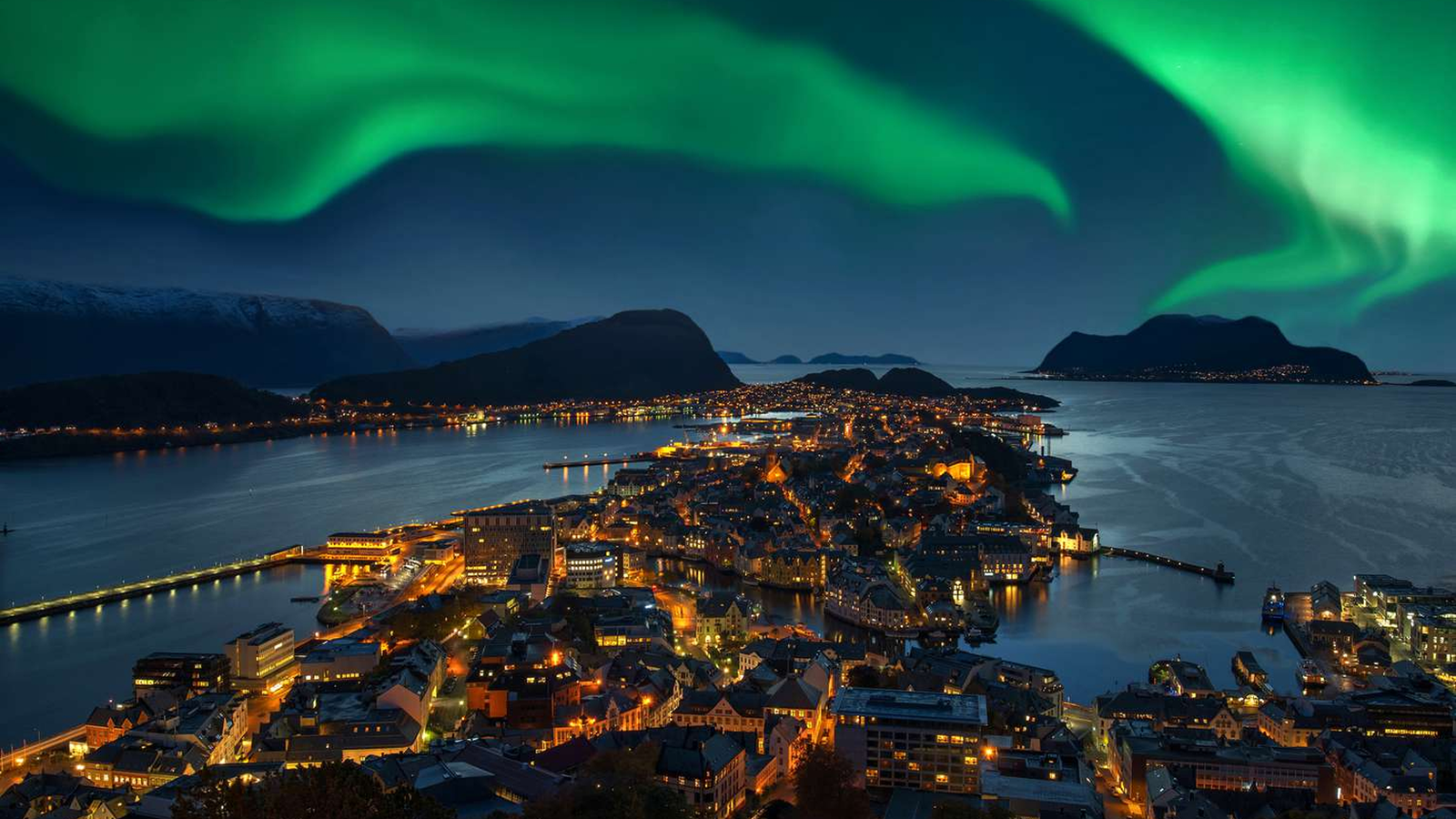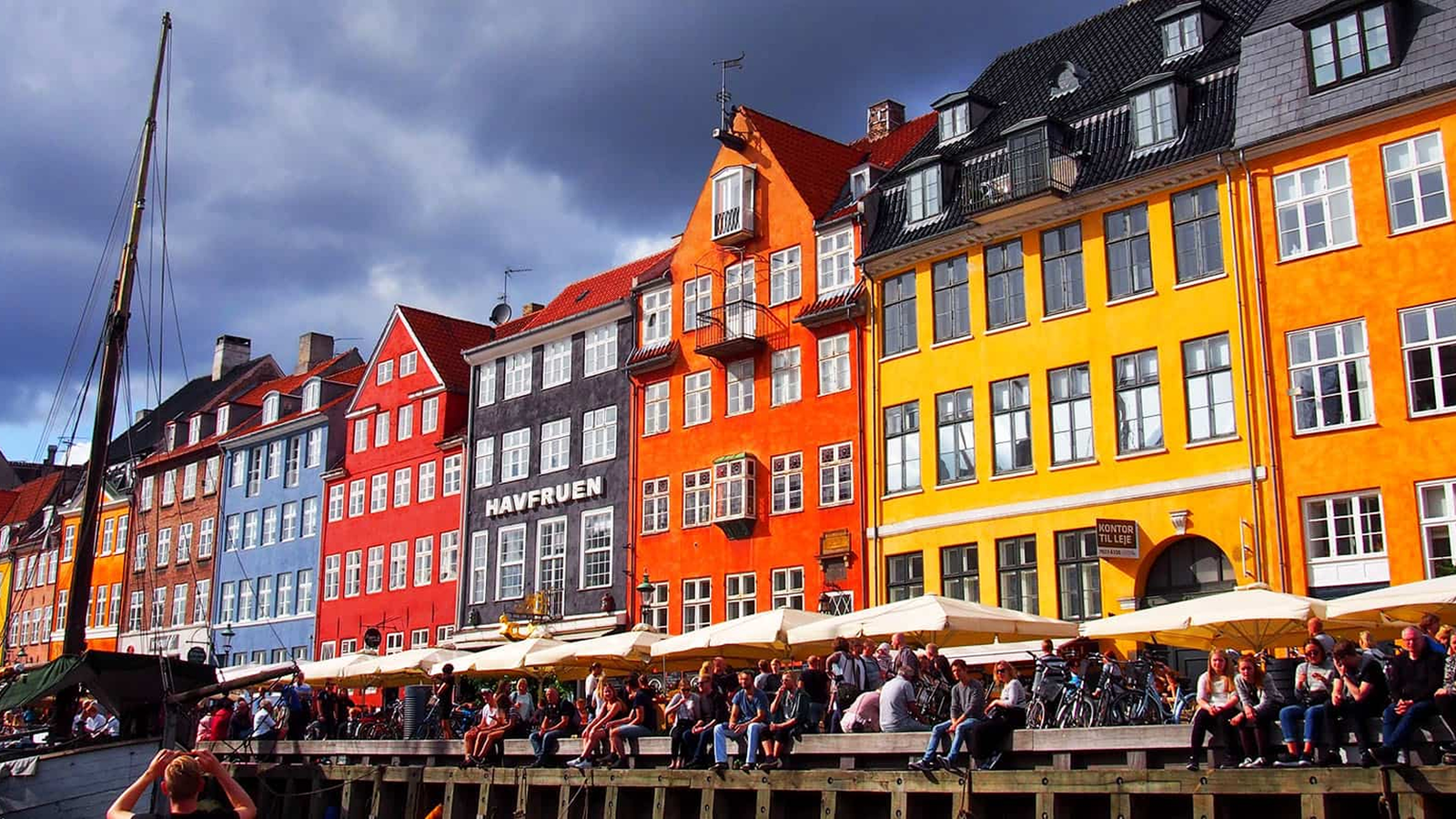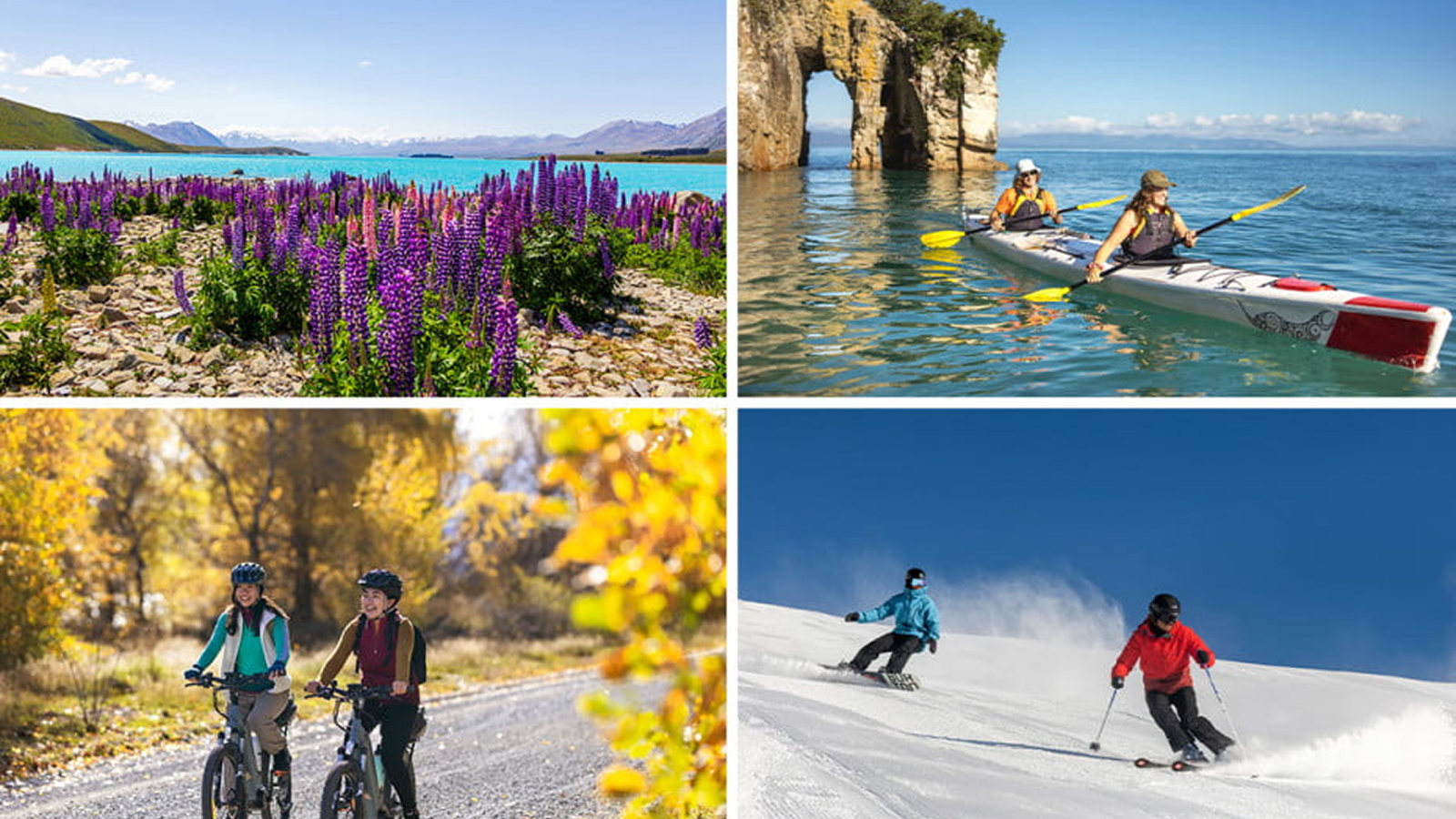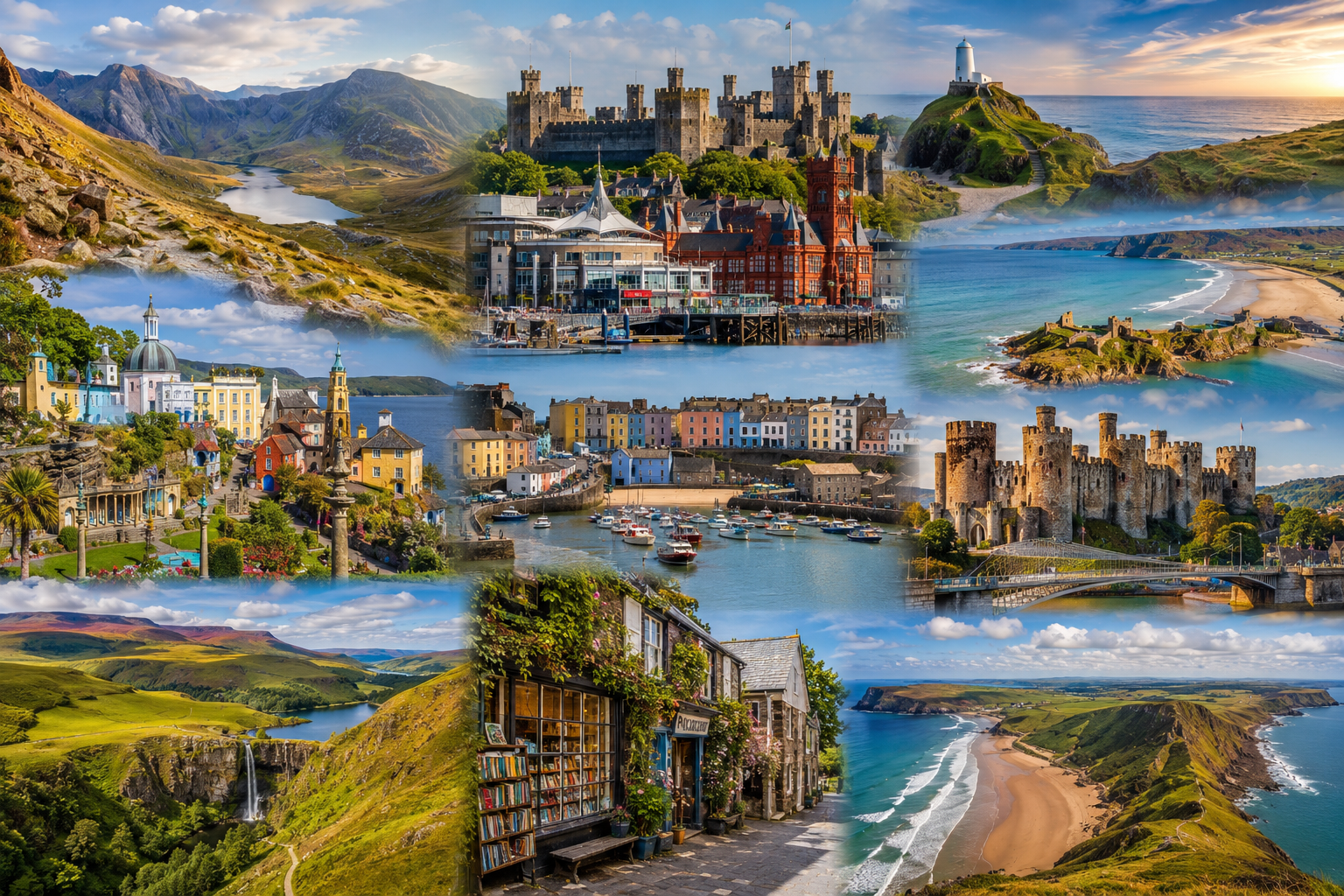
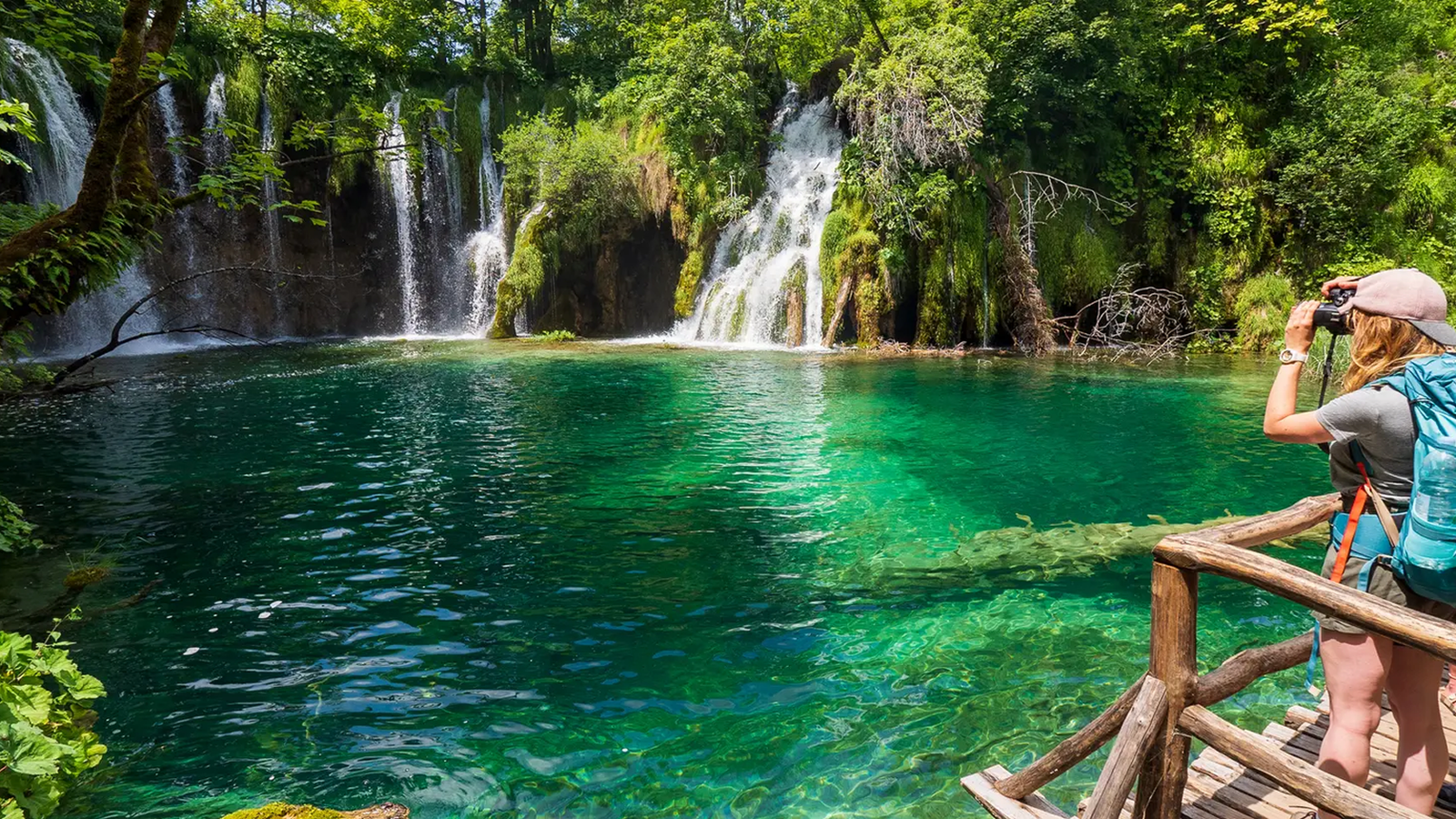
Croatia is a destination that changes dramatically with the seasons.
Summer brings warm Adriatic waters, lively island towns and long days for exploring the coastline. Spring brings comfortable sightseeing weather and greener landscapes, while autumn combines warm coastal conditions with fewer visitors. Winter is much quieter, with a different atmosphere in historic cities such as Dubrovnik, Split and Zagreb.
The best time to visit Croatia depends on what you want to do.
If your priority is swimming and island hopping, summer is the traditional choice. If you want pleasant weather, sightseeing and fewer crowds, late spring and early autumn can be attractive. For travelers interested in Christmas markets, local life and lower-season city travel, winter offers a completely different side of the country.
This guide explains when to visit Croatia in 2026, including weather by month, the best time for beaches, islands, sightseeing, road trips, hiking, food and wine, plus practical advice for planning your trip.
Quick Answer: When Is the Best Time to Visit Croatia?
For many travelers, May, June, September and early October are useful months to consider because they can combine relatively comfortable weather with conditions that are generally less intense than the peak summer period.
However, each season has a different advantage.
| Period | Weather | Crowds | Best For |
|---|---|---|---|
| January–February | Cool | Low | Cities & local experiences |
| March | Mild | Low | Sightseeing |
| April | Mild | Moderate | Road trips & cities |
| May | Warm | Moderate | Sightseeing & coast |
| June | Warm to hot | Moderate–High | Beaches & islands |
| July | Hot | High | Beaches & nightlife |
| August | Hot | High | Islands & swimming |
| September | Warm | Moderate | Beaches & sightseeing |
| October | Mild | Lower | Food, wine & cities |
| November | Cool | Low | Cultural trips |
| December | Cool | Low–Moderate | Christmas markets & cities |
Croatia Weather at a Glance
Croatia has a varied climate because the country stretches from the Adriatic coast into mountainous and continental regions.
The coastal areas generally have Mediterranean conditions, while inland Croatia experiences more pronounced seasonal changes.
Coastal Croatia
Destinations such as:
- Dubrovnik
- Split
- Zadar
- Hvar
- Korčula
- Rovinj
generally have warm summers and milder winters.
Inland Croatia
Zagreb and northern Croatia experience cooler winters and warmer summers compared with the coast.
Mountain Regions
Higher elevations can have significantly cooler conditions and winter snowfall.
This means that Croatia’s weather cannot be described with a single pattern for the entire country.
Croatia by Season
Spring — March to May
Spring is an excellent period for exploring Croatia beyond the beaches.
Temperatures become increasingly comfortable as the season progresses, landscapes become greener and tourist activity gradually increases.
March
March can still feel cool, particularly in the mornings and evenings.
It’s better suited to:
- Zagreb
- Historic towns
- Museums
- Cultural attractions
- Early-season road trips
April
April brings more comfortable conditions for sightseeing.
It can be a good time for travelers who want to explore cities without the intensity of the summer season.
May
May is one of the more versatile months.
The weather becomes warmer, coastal destinations become increasingly attractive and outdoor activities become easier.
Best for:
- Dubrovnik
- Split
- Zadar
- Istria
- Road trips
- National parks
- Sightseeing
Summer — June to August
Summer is Croatia’s busiest travel period.
The Adriatic coastline becomes the center of activity, with beaches, ferries, restaurants and island destinations attracting visitors from around the world.
June
June offers long days, warm weather and increasingly comfortable sea temperatures.
It can be particularly good for:
- Island hopping
- Swimming
- Sailing
- Beach holidays
- Coastal road trips
July
July is one of the hottest and busiest months.
It is particularly popular with travelers who want classic Mediterranean summer conditions.
Expect:
- Hot weather
- Busy beaches
- Higher accommodation demand
- Busy ferry routes
- Lively nightlife
August
August continues the peak summer period.
The Adriatic islands and coastal towns can be particularly busy.
If you’re traveling during August, booking accommodation and important transport connections ahead of time is sensible.
Autumn — September to November
Autumn is one of the most interesting periods for exploring Croatia.
September can still feel like summer along the coast, while October brings cooler temperatures and a quieter atmosphere.
September
September is particularly useful for travelers who want a combination of:
- Beaches
- Swimming
- Sightseeing
- Island trips
- Restaurants
- Outdoor activities
The peak summer heat generally begins to ease.
October
October is better suited to sightseeing, food and wine, road trips and exploring historic towns.
Coastal weather can remain pleasant, although conditions become less predictable than in summer.
November
November marks the transition toward winter.
Many seasonal coastal businesses reduce their operating hours or close, particularly in smaller resort destinations.
It can still be an interesting time for city breaks.
Winter — December to February
Winter is Croatia’s quietest season in many coastal destinations.
The Adriatic coast takes on a much slower atmosphere, while Zagreb and other inland cities experience a more traditional winter season.
December
December can be an interesting time for visiting Croatian cities, particularly around Christmas.
Zagreb is known for its festive atmosphere and Christmas market tradition.
January
January is generally quiet.
It’s more appropriate for:
- Museums
- Historic centers
- Local restaurants
- City breaks
- Winter activities inland
February
February remains a low-season month but can be useful for travelers who prefer fewer visitors.
Croatia Month-by-Month
January
Best for: Zagreb, winter travel, museums
January is cold compared with the summer season, particularly inland.
Coastal towns are much quieter.
February
Best for: Cities and winter experiences
February continues the low season.
Pack warm layers, particularly if traveling beyond the Adriatic coast.
March
Best for: Early sightseeing
March brings the first signs of spring.
It’s a good period for travelers who prioritize cultural attractions rather than swimming.
April
Best for: Road trips and sightseeing
Temperatures become increasingly comfortable and landscapes begin turning greener.
May
Best for: Coastal exploration
May is a versatile month for exploring Croatia.
It can work well for combining historic cities with outdoor activities.
June
Best for: Beaches and islands
June brings long days and warm conditions.
It is an excellent month to consider for an Adriatic itinerary.
July
Best for: Classic summer holidays
July is hot, busy and lively.
It is ideal for travelers specifically looking for the peak Mediterranean summer atmosphere.
August
Best for: Swimming and island holidays
August remains firmly in the peak summer period.
Expect strong demand across popular coastal destinations.
September
Best for: Beaches, sightseeing and island hopping
September can offer a useful combination of warm coastal conditions and a somewhat calmer atmosphere than the height of summer.
October
Best for: Food, wine and road trips
October is particularly suitable for travelers who want to explore beyond the beaches.
November
Best for: Cities and cultural travel
November is quieter and cooler.
It’s more suitable for Zagreb and other year-round destinations than seasonal beach resorts.
December
Best for: Christmas markets and city breaks
December brings festive events and winter atmosphere.
Zagreb is particularly associated with Christmas travel.
Best Time to Visit Dubrovnik
Dubrovnik is one of Croatia’s most popular destinations, especially during summer.
Its historic Old Town can become extremely busy during peak travel periods.
Spring
April and May can be good for walking through the Old Town and exploring the surrounding coastline.
Summer
June through August offers classic beach weather but also the highest visitor demand.
Autumn
September and early October can provide a good combination of coastal activities and sightseeing.
Winter
Dubrovnik becomes much quieter.
Some seasonal businesses may operate reduced schedules, so planning ahead is important.
Best Time to Visit Split
Split works well as both a destination and a gateway to Croatia’s islands.
The historic center, waterfront and nearby beaches make it versatile.
Best periods to consider:
May–June: sightseeing and early summer
July–August: swimming, nightlife and island trips
September: beaches plus sightseeing
October: city exploration and road trips
Best Time to Visit Hvar
Hvar is strongly associated with summer travel.
June
Good for early-season island trips and outdoor activities.
July–August
The island is at its liveliest, with strong demand for accommodation, restaurants and nightlife.
September
A useful option for travelers looking for warm weather and a somewhat quieter island experience.
October–April
Much of the island’s tourist infrastructure becomes seasonal, so check individual hotel and restaurant opening dates.
Best Time for Croatia’s Islands
Croatia’s islands are one of the country’s major attractions.
Popular destinations include:
- Hvar
- Brač
- Korčula
- Vis
- Mljet
- Pag
For swimming and traditional island holidays, June through September is generally the most relevant period.
For hiking and sightseeing, May and October can also be appealing.
Best Time for Beaches
If your primary goal is spending time on the beach, summer is the safest choice.
June
Warm conditions and long daylight hours.
July
Hot summer weather and high visitor demand.
August
Peak beach season.
September
Warm coastal conditions can continue while the atmosphere may be less intense than in August.
If swimming is not essential, May and October offer more opportunities for combining beaches with sightseeing without making the entire trip dependent on summer conditions.
Best Time for Sightseeing & Road Trips
For a Croatia road trip, extremely hot weather can make long days of driving and sightseeing less comfortable.
Spring and autumn can therefore be attractive.
A route could include:
Zagreb → Plitvice Lakes → Zadar → Split → Dubrovnik
or:
Rovinj → Pula → Rijeka → Zadar → Split
Spring and autumn also make it easier to combine outdoor attractions with historic towns.
Best Time for Hiking & Nature
Croatia has diverse natural landscapes, including mountains, forests, lakes and national parks.
Spring and autumn can be particularly comfortable for hiking.
Popular nature destinations include:
- Plitvice Lakes National Park
- Krka National Park
- Paklenica National Park
- Mljet National Park
- Biokovo Nature Park
Summer can still work for outdoor activities, but temperatures may be high during the middle of the day.
Best Time for Food & Wine
Croatia’s food culture varies considerably by region.
Istria
Known for ingredients such as truffles, olive oil, seafood and wine.
Dalmatia
Strong seafood traditions and Mediterranean-style cuisine.
Zagreb and inland Croatia
A mixture of Central European influences and traditional Croatian dishes.
Autumn
Can be particularly interesting for travelers interested in seasonal food and wine experiences.
Wine regions across Istria, Dalmatia and inland Croatia provide opportunities to explore local varieties and regional producers.
Cheapest Time to Visit Croatia
Prices vary by destination, hotel and travel dates, but accommodation demand is generally strongest during the peak summer period.
Traveling outside July and August can provide more choice in accommodation and potentially lower rates.
The quieter months can be particularly attractive for:
- Zagreb
- Istria
- Inland Croatia
- Cultural trips
- Longer stays
However, some seasonal coastal hotels, restaurants and tours may not operate during the lowest-demand periods.
Busiest Tourist Season in Croatia
The busiest period is generally concentrated around the summer months.
Popular destinations such as:
- Dubrovnik
- Split
- Hvar
- Zadar
- Rovinj
can become particularly busy.
If you are traveling during July or August, consider booking:
- Hotels
- Ferries
- Popular tours
- Rental cars
- Popular restaurants
in advance.
How Many Days Do You Need in Croatia?
Croatia can be visited in several different ways.
3–4 Days
Focus on one city and nearby attractions.
Example:
Split → nearby islands
or
Dubrovnik → surrounding coastline
7 Days
A week gives you enough time to combine several major destinations.
Example:
Split → Hvar → Dubrovnik
10 Days
A 10-day trip allows a broader coastal itinerary.
Example:
Zagreb → Plitvice → Zadar → Split → Hvar → Dubrovnik
14 Days
Two weeks gives you considerably more flexibility.
You can combine:
- Zagreb
- Plitvice Lakes
- Zadar
- Split
- Hvar
- Korčula
- Dubrovnik
with additional time for smaller towns or national parks.
Croatia Itinerary by Season
Spring Croatia Itinerary
Zagreb → Plitvice Lakes → Zadar → Split → Dubrovnik
Focus on:
- Historic cities
- National parks
- Food
- Walking
- Scenic drives
Summer Croatia Itinerary
Split → Hvar → Vis → Korčula → Dubrovnik
Focus on:
- Beaches
- Swimming
- Island hopping
- Sailing
- Restaurants
Autumn Croatia Itinerary
Zagreb → Istria → Plitvice Lakes → Zadar → Split
Focus on:
- Food
- Wine
- Nature
- Historic towns
- Road trips
Winter Croatia Itinerary
Zagreb → Varaždin → Rijeka → Split → Dubrovnik
Focus on:
- Museums
- Historic centers
- Restaurants
- Local culture
- Winter city experiences
Croatia Travel Tips
Book Summer Accommodation Early
July and August can be particularly busy.
Smaller boutique hotels and independent properties can have limited room inventory.
Don’t Plan Every Day Around the Coast
Croatia has much more to offer than beaches.
Add at least one inland or nature destination to a longer itinerary.
Allow Extra Time for Island Travel
Ferry schedules and travel times can affect your itinerary.
Avoid creating overly tight connections between islands.
Consider Shoulder Season
May, September and early October can be useful periods for travelers who want a mixture of sightseeing and coastal travel.
Check Seasonal Opening Dates
Restaurants, hotels, boat tours and attractions in smaller coastal destinations may operate seasonally.
Pack for Variable Weather
Even during warmer months, evenings can feel cooler, particularly near the water or in higher areas.
FAQs
What is the best month to visit Croatia?
May, June, September and early October are useful months to consider depending on your priorities. June through September is more suitable for travelers focused on beaches and swimming, while spring and autumn can be more comfortable for sightseeing.
What is the hottest month in Croatia?
July and August are generally among the hottest months, particularly along the Adriatic coast.
Is Croatia better in June or September?
The two months offer different advantages. June provides the build-up to peak summer, while September can combine warm coastal conditions with the transition away from the busiest summer period.
Is Croatia expensive in summer?
Summer generally brings stronger accommodation demand, especially in popular coastal destinations and islands. Prices vary considerably by destination and hotel.
When is the best time to visit Dubrovnik?
May, June, September and early October can be useful periods for combining Old Town sightseeing with coastal activities. July and August are popular but can be particularly busy.
When is the best time to visit Hvar?
June through September is the main period for a traditional Hvar beach and island holiday. July and August are the busiest months.
Can you swim in Croatia in May?
Sea temperatures can still feel cool to some travelers in May. Conditions become increasingly suitable for swimming as summer approaches.
Can you swim in Croatia in September?
Yes. September can still offer warm enough coastal conditions for swimming, although conditions vary by location and weather.
Is Croatia good to visit in October?
Yes. October can be particularly interesting for sightseeing, road trips, food, wine and exploring historic towns. Coastal weather is less predictable than during summer.
Is Croatia worth visiting in winter?
Yes, particularly if you are interested in cities, history, food and local culture rather than a beach holiday.
How many days should I spend in Croatia?
Seven days works well for a focused itinerary, while 10–14 days provides more time to combine cities, islands, national parks and the coastline.
Conclusion
There is no single month that works for every type of Croatia holiday.
June through September is the traditional period for beaches, swimming and island hopping, while May and September can be useful for combining coastal activities with sightseeing.
For road trips, national parks, food and wine, spring and autumn can offer comfortable alternatives to the hottest part of summer.
Winter is a different experience altogether, with quieter coastal towns and more emphasis on cities, culture and seasonal events.
The most important decision is therefore to match your travel dates with the experience you want.
For beaches and islands, look toward summer.
For sightseeing and road trips, consider spring or autumn.
For food and wine, autumn can be particularly interesting.
And for quiet city travel, winter provides a very different perspective on Croatia.