Business travel prioritizes different things than a vacation stay — reliability over atmosphere, proximity to a specific meeting location over a scenic neighborhood, and enough small conveniences that a work trip doesn’t feel harder than it needs to be. Here’s what actually matters, and which hotel types tend to deliver it.
The Non-Negotiables
Reliable, fast wifi with minimal setup friction. A hotel that requires a lengthy login process or throttles speed after a few hours is a real problem for anyone needing to work from the room. Reviews specifically mentioning video calls or remote work are more useful signals here than the advertised speed.
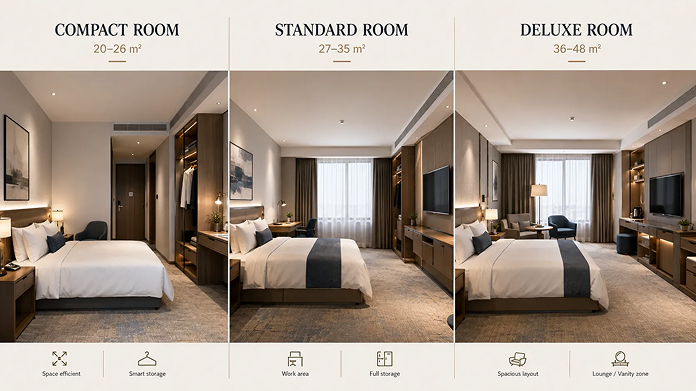
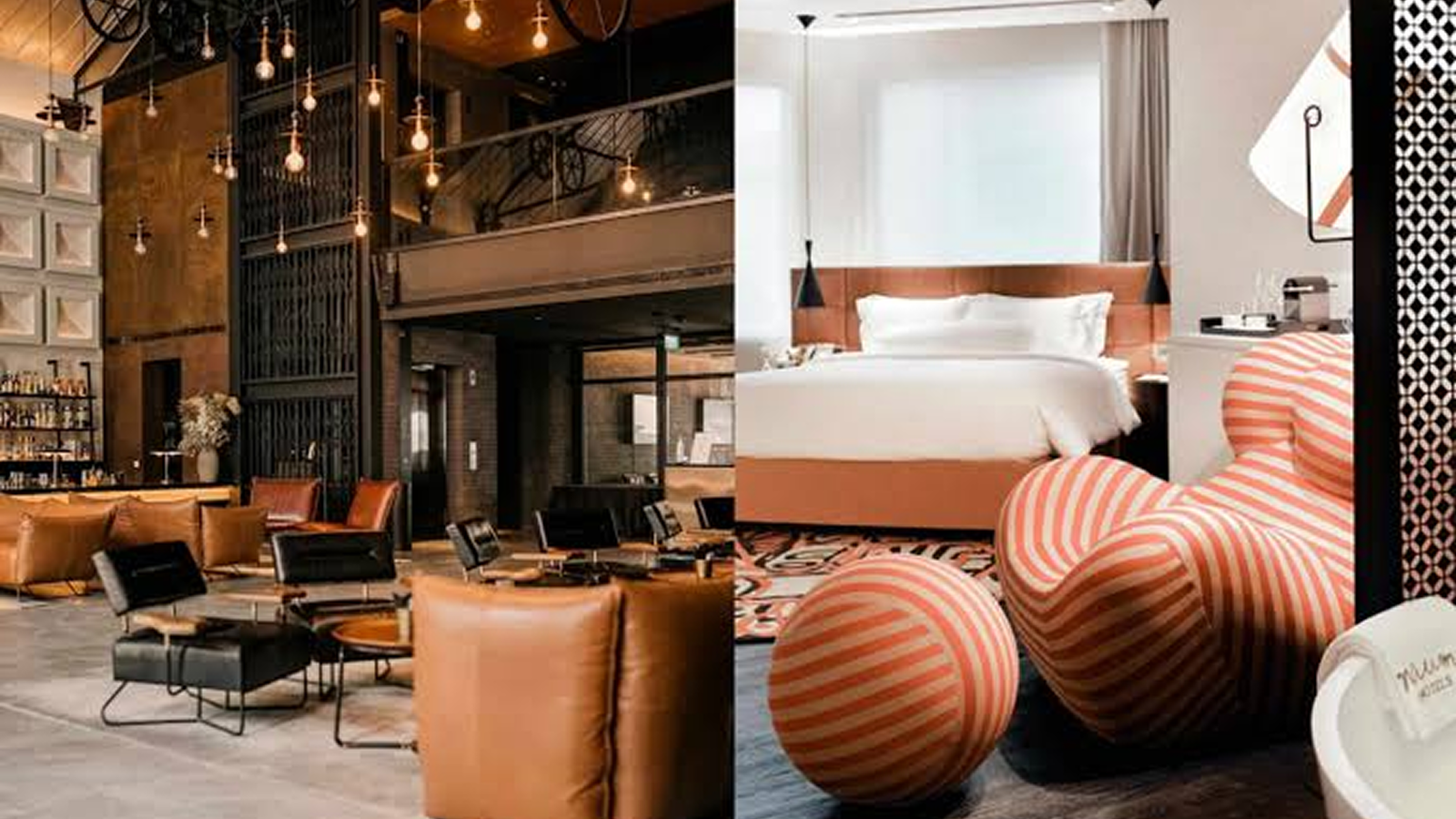
A genuine desk with a proper chair. As with digital nomad stays, many hotel rooms — even upper-midscale ones — have a decorative desk not built for actual work. Check room photos specifically, or look for business-branded room categories if the chain offers them.
Proximity to the meeting location, not just downtown. For business travel specifically, “central” matters less than “close to where you actually need to be” — a hotel a 10-minute walk from your meetings beats a scenic downtown property requiring a 30-minute commute, even if the latter looks nicer in photos.
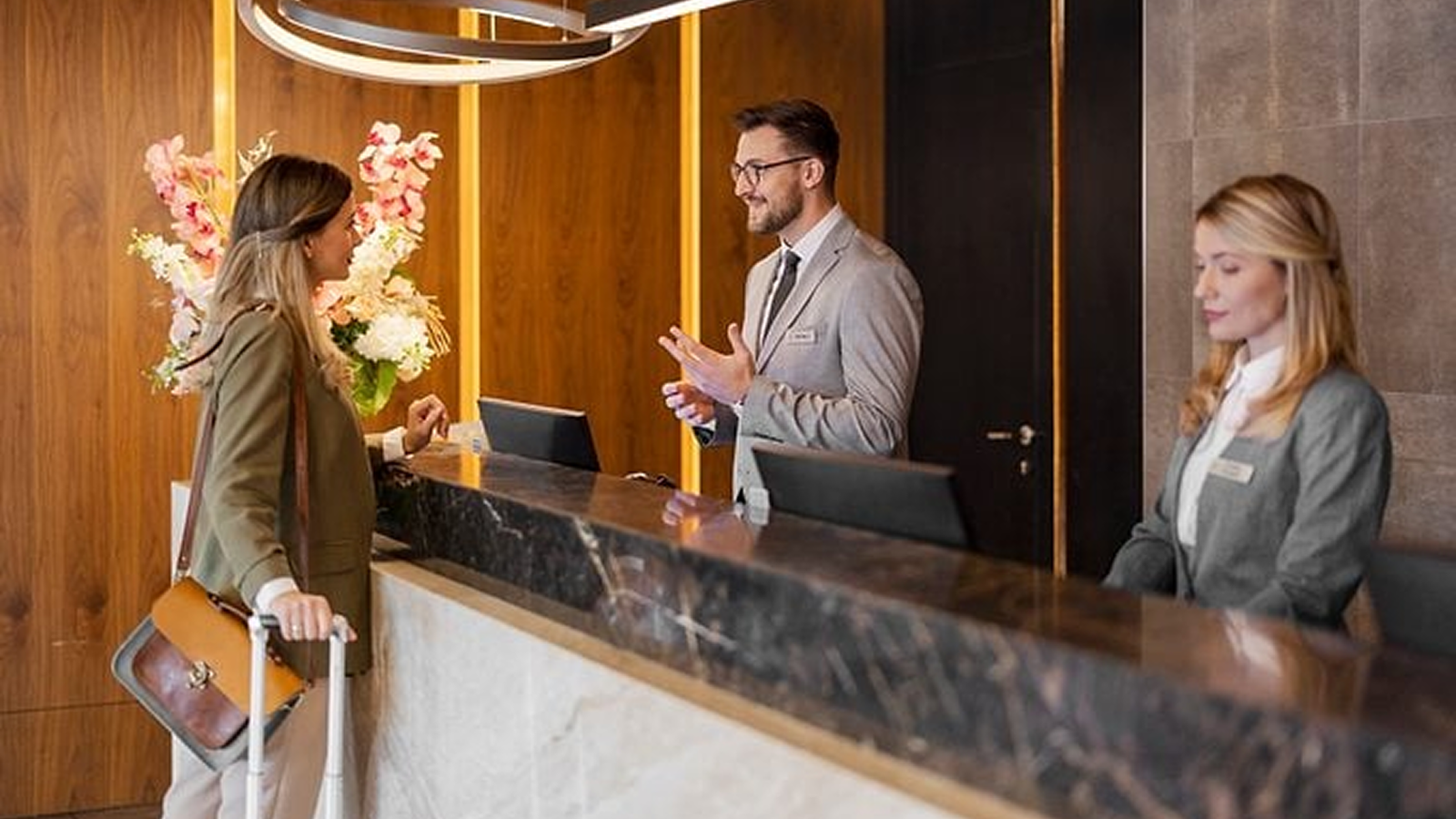
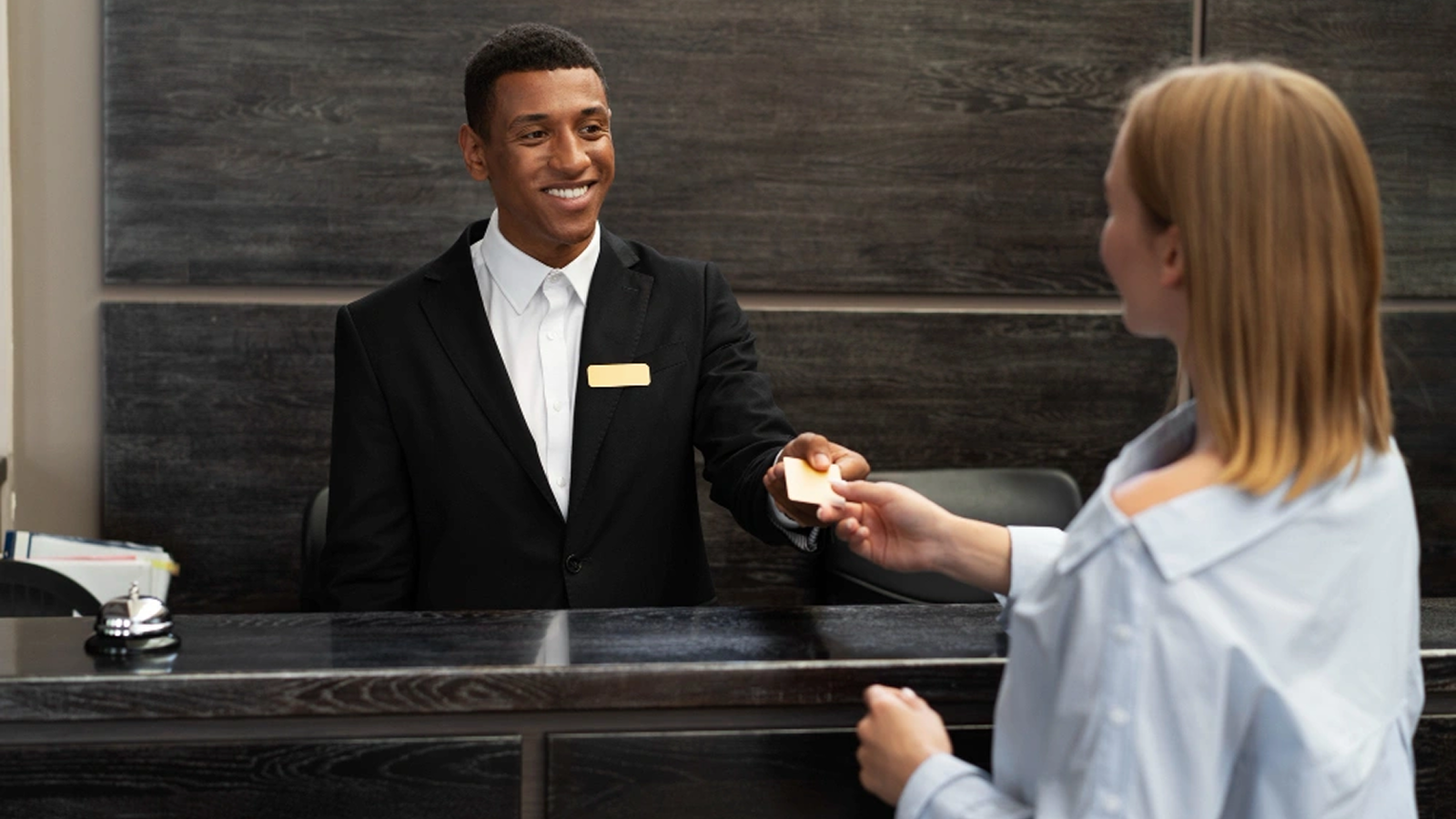
Consistent, predictable service across locations. This is where major chains genuinely earn their reputation for business travel — knowing what to expect from a Hilton, Marriott, or Hyatt regardless of city removes a layer of uncertainty that’s more valuable on a tight work schedule than it would be on vacation.
Hotel Types That Tend to Work Well
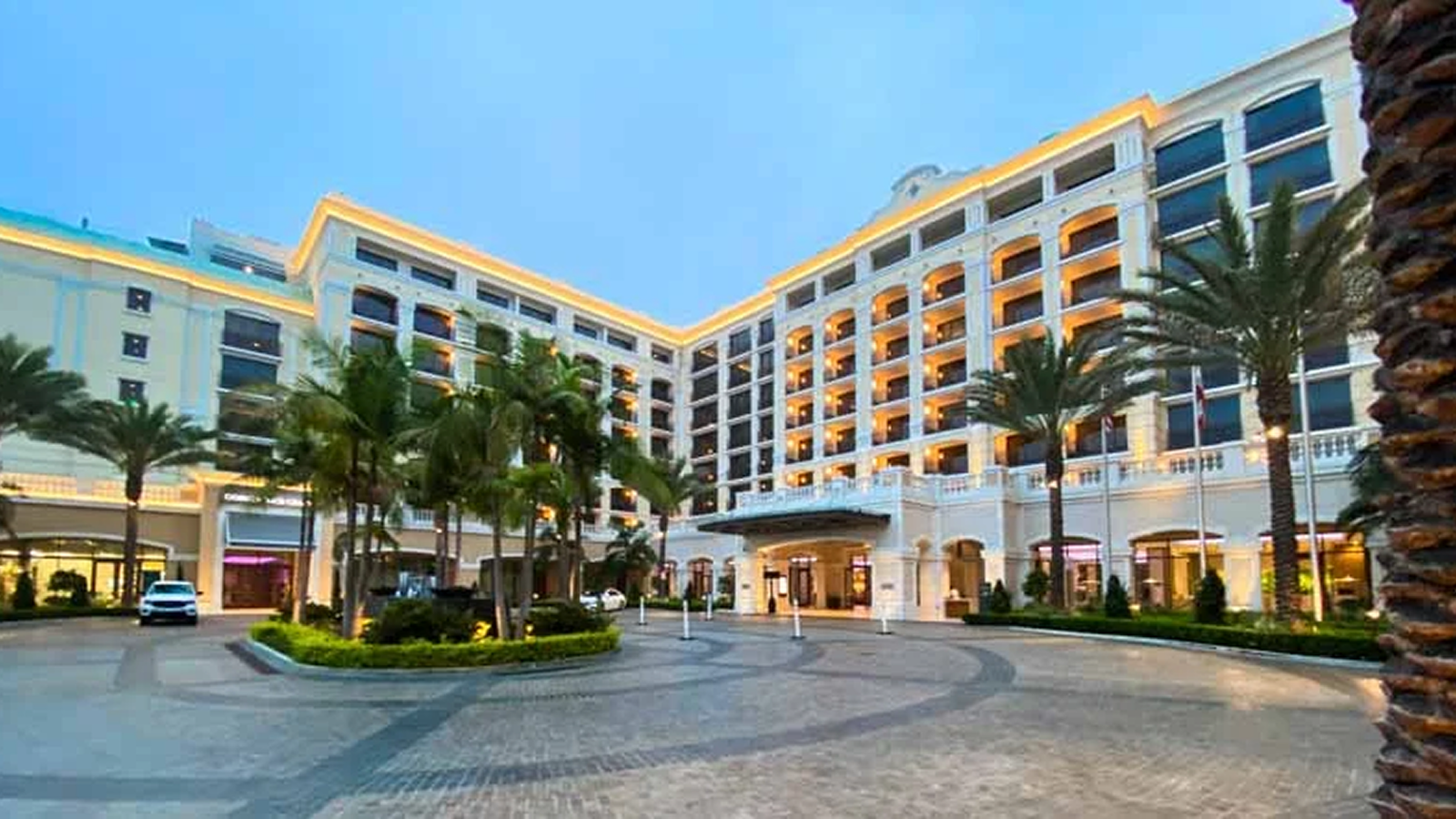
Major chain business hotels (Hilton, Marriott, Hyatt, IHG mid-to-upper tiers) Predictable amenities, established loyalty programs with genuinely useful perks (free breakfast, room upgrades, late checkout), and consistent service standards across locations — the safest default for regular business travel.
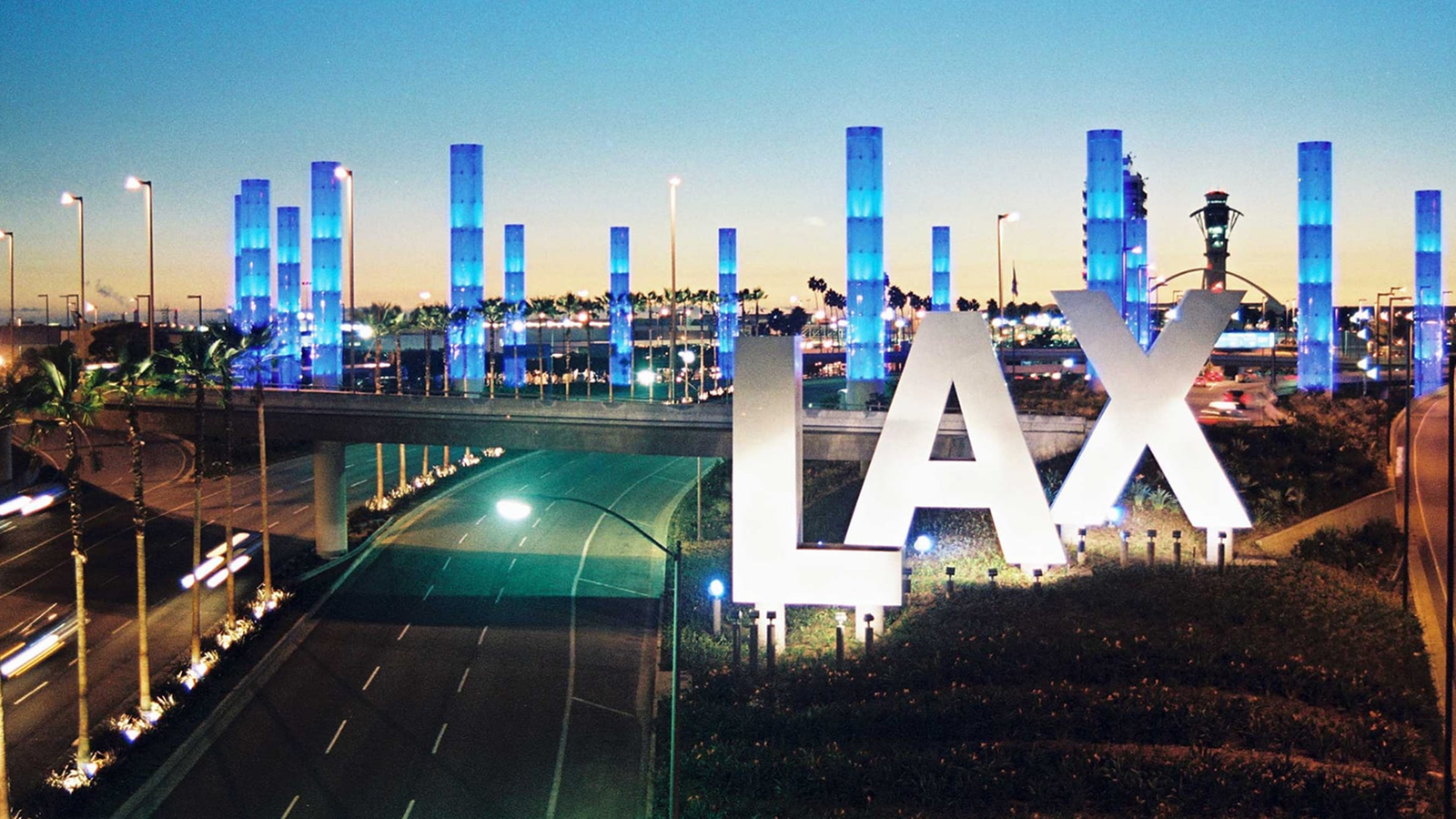
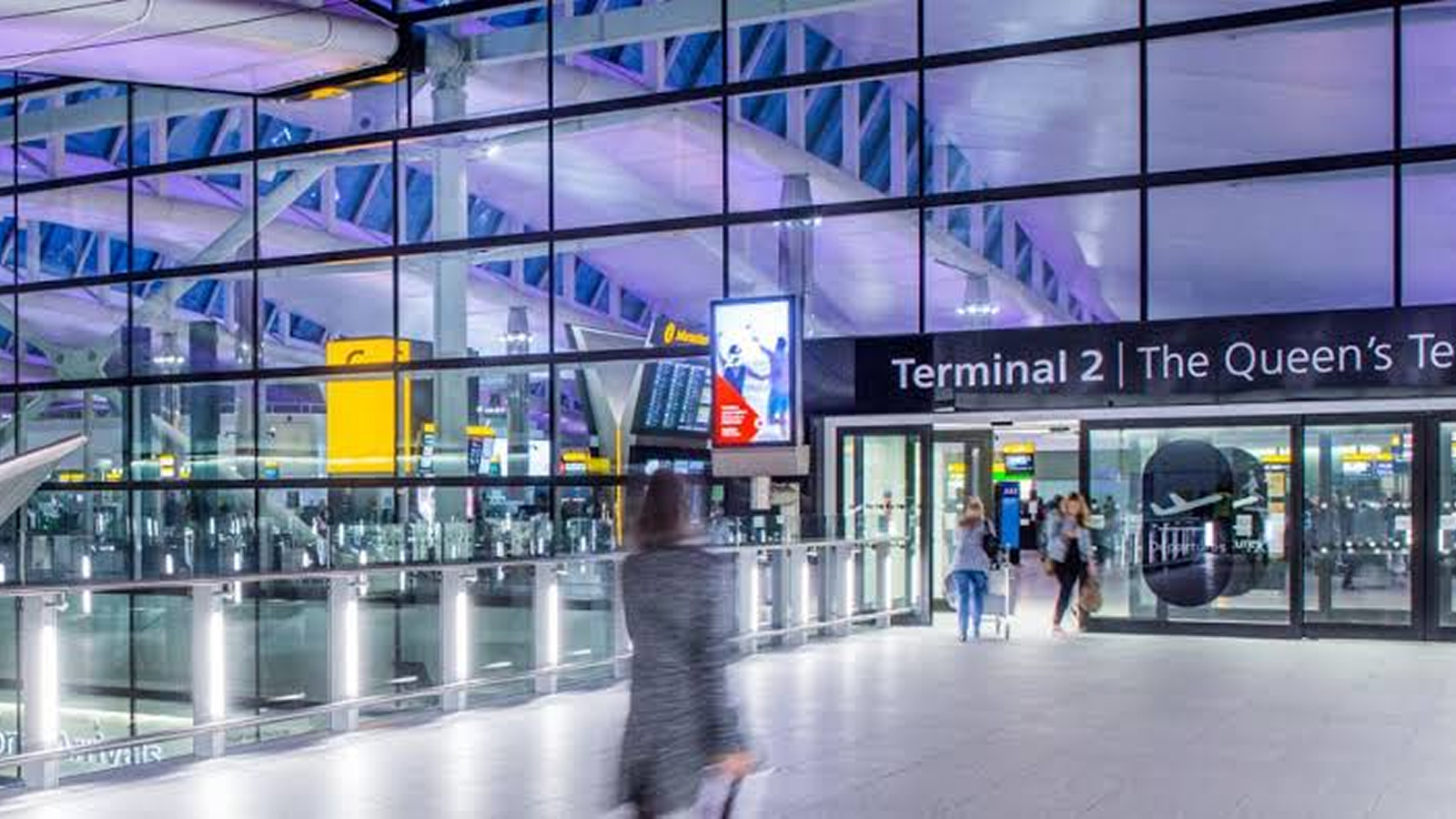
Airport-adjacent hotels for early flights or tight connections Worth the trade-off in atmosphere for the practical benefit of minimizing travel time before or after meetings — see our airport hotel guides for specific recommendations near major hubs.
Extended-stay properties for multi-week projects For business trips longer than a few days, extended-stay brands (Residence Inn, Homewood Suites) offer more practical living space and kitchenettes, which matter more the longer the trip runs — similar logic to our [digital nomad hotel guide].
What to Check Before Booking for Work
- 24-hour front desk and check-in flexibility, since business travel schedules are less predictable than leisure trips and delayed flights or early departures are common.
- On-site or nearby dining options for early breakfasts or late dinners, given that business hours often don’t align with a hotel’s standard restaurant hours.
- Meeting/business center access, if you’ll need printing, a private call space, or a small meeting room beyond your hotel room itself.
- Loyalty program alignment with your travel pattern. If your company regularly books one chain, joining that loyalty program specifically (rather than spreading stays across brands) compounds status benefits faster — including a better shot at the upgrades covered in our [hotel upgrade guide].
The Bottom Line
The best business hotel isn’t the most impressive one — it’s the most reliable one, positioned close to where your actual work happens, with a real desk and wifi that doesn’t require troubleshooting. Sticking with one loyalty program consistently, rather than chasing the lowest price across different chains each trip, tends to pay off more over time in upgrades and perks than the small savings from switching brands.