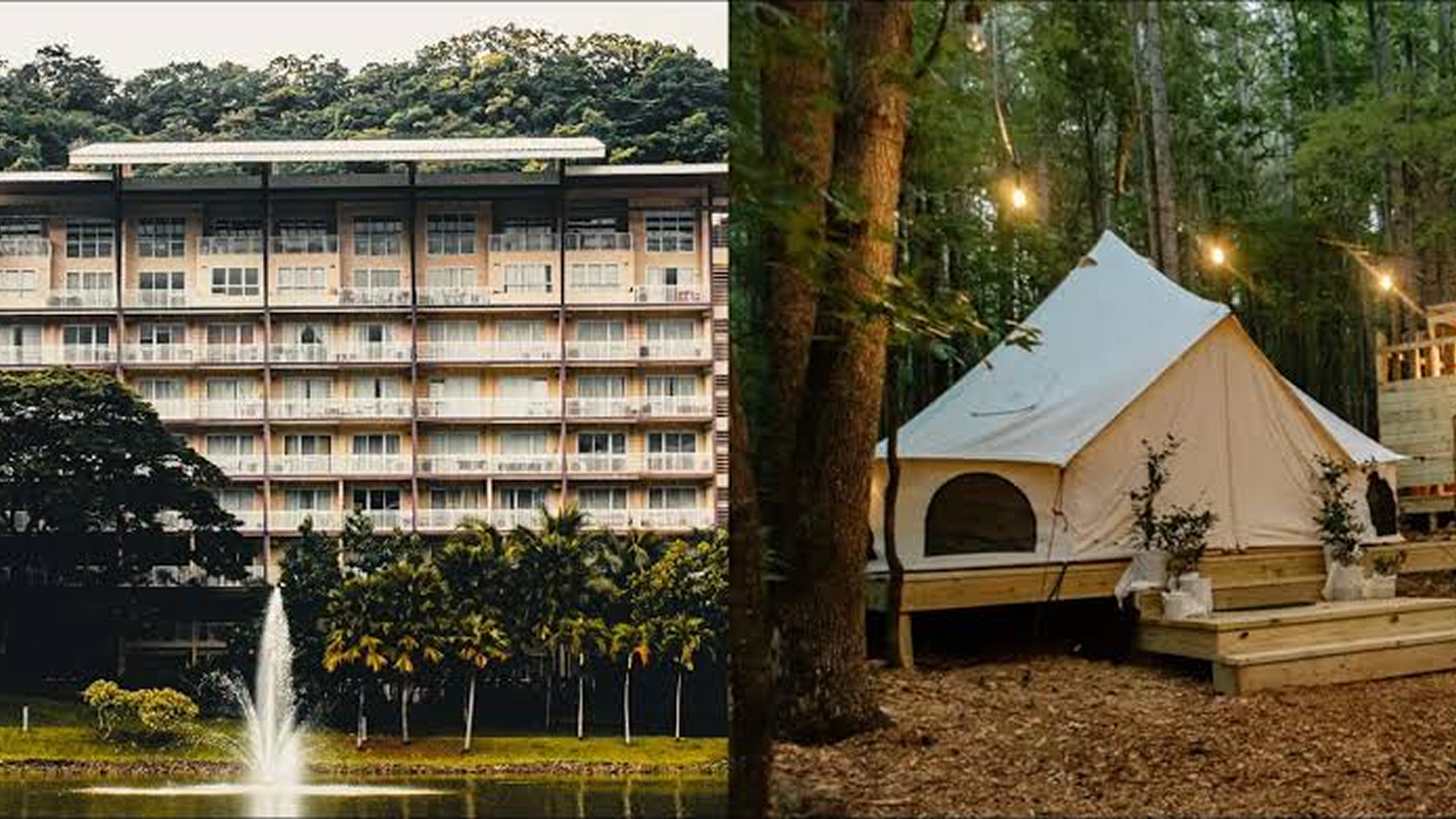
Glamping sits in an odd price bracket — often costing as much as a mid-range hotel room, sometimes more, for a canvas tent with a real bed instead of four solid walls. Whether that trade-off is worth it depends heavily on what you’re actually looking for from the stay. Here’s a genuine comparison.
What You’re Actually Paying For
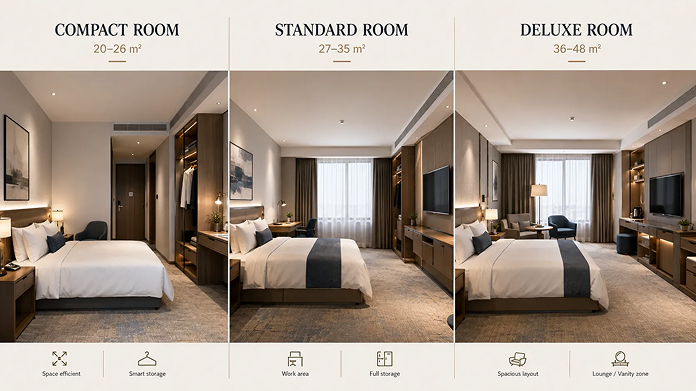
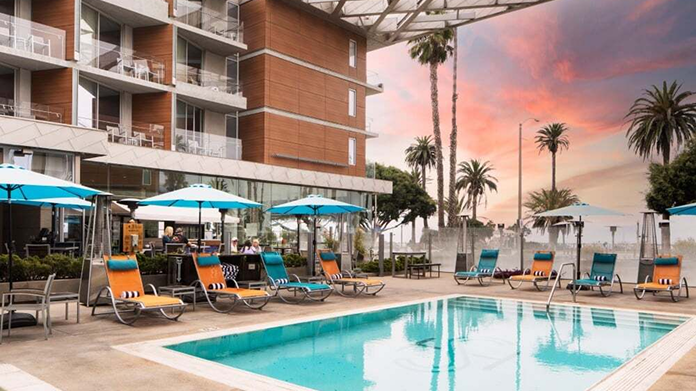
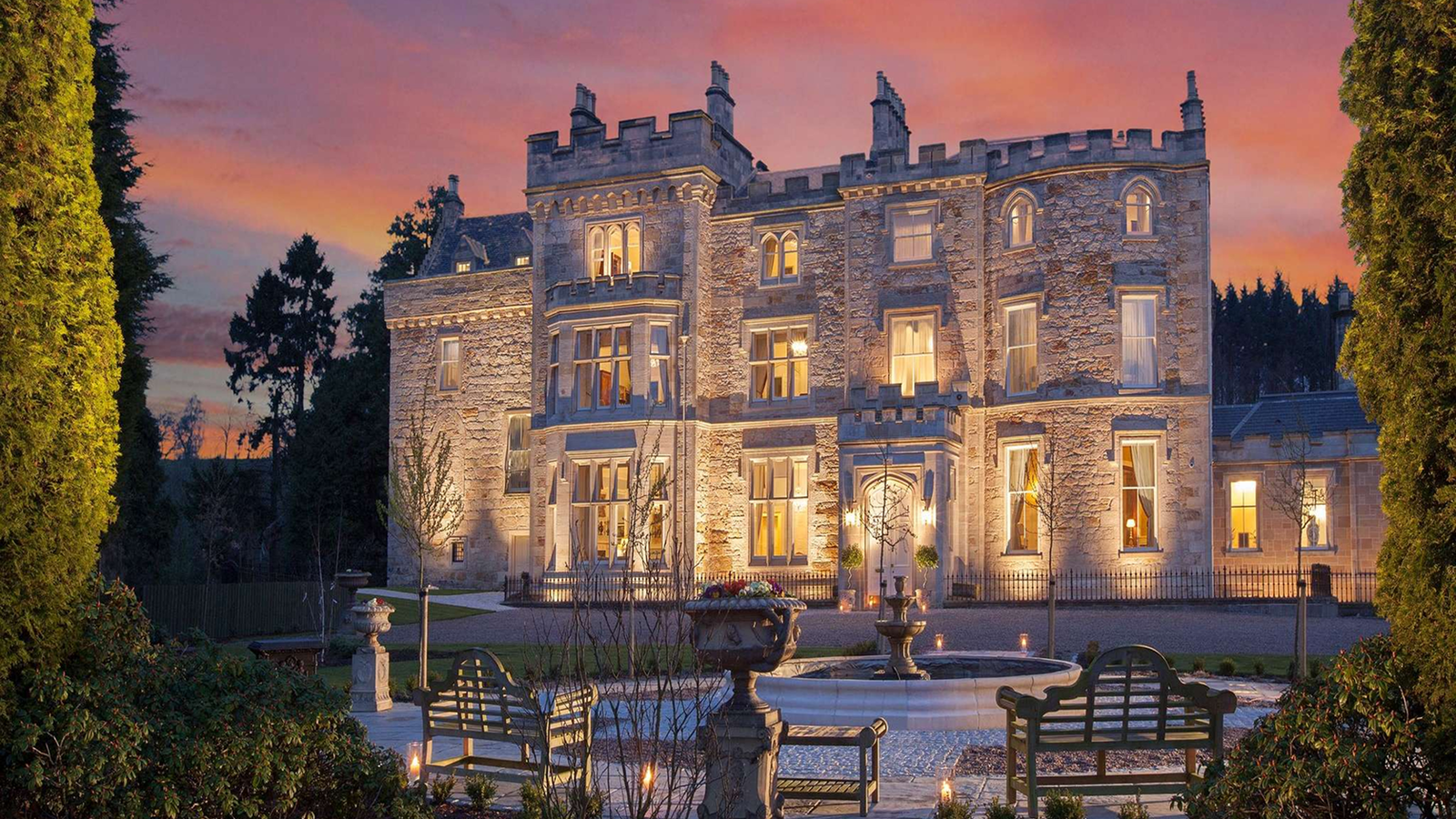
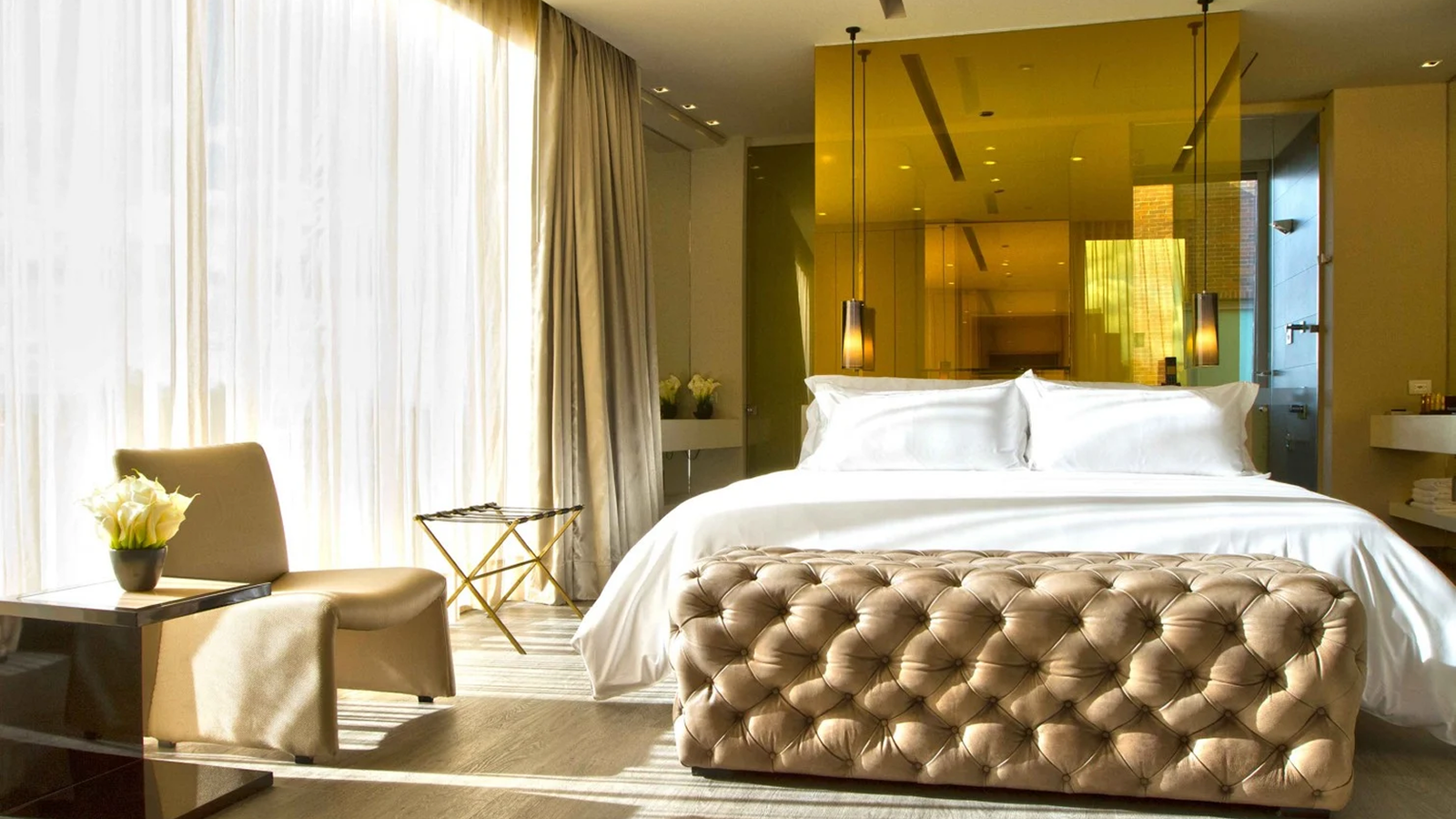
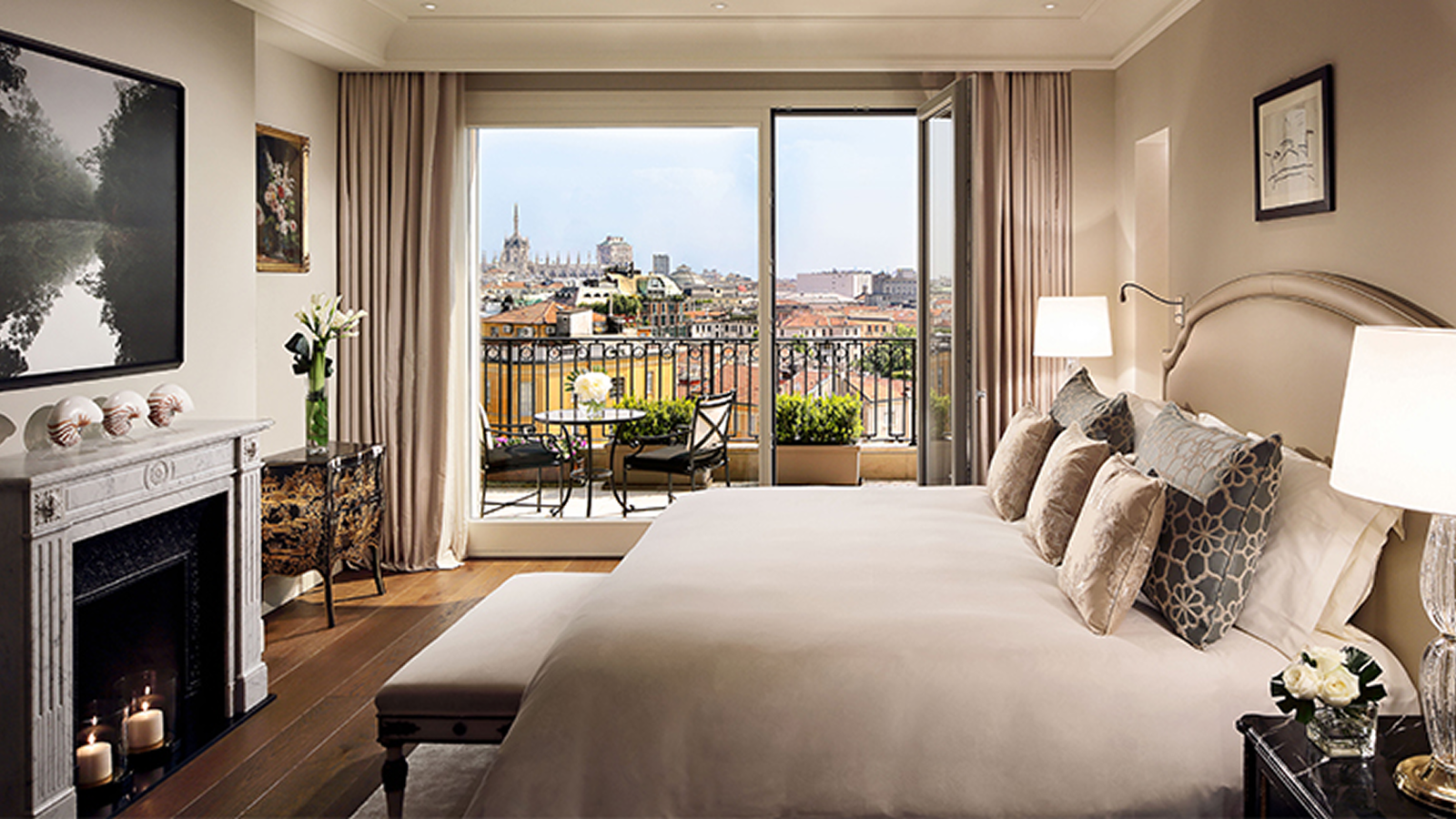
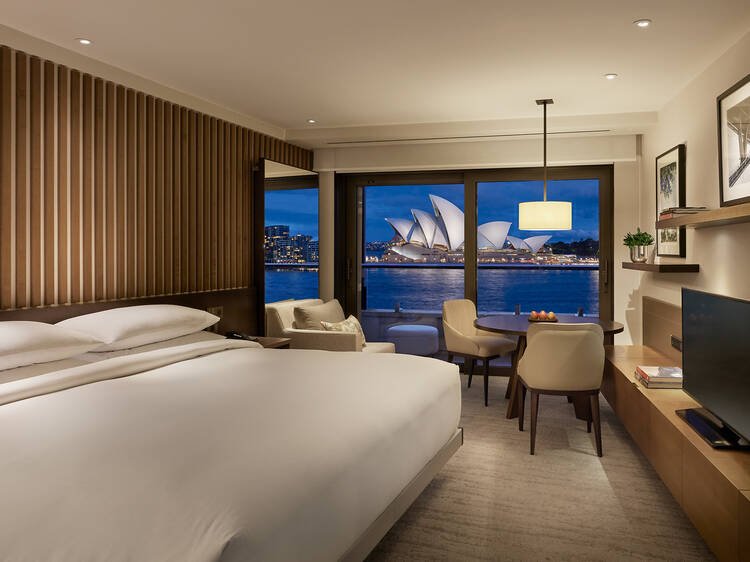
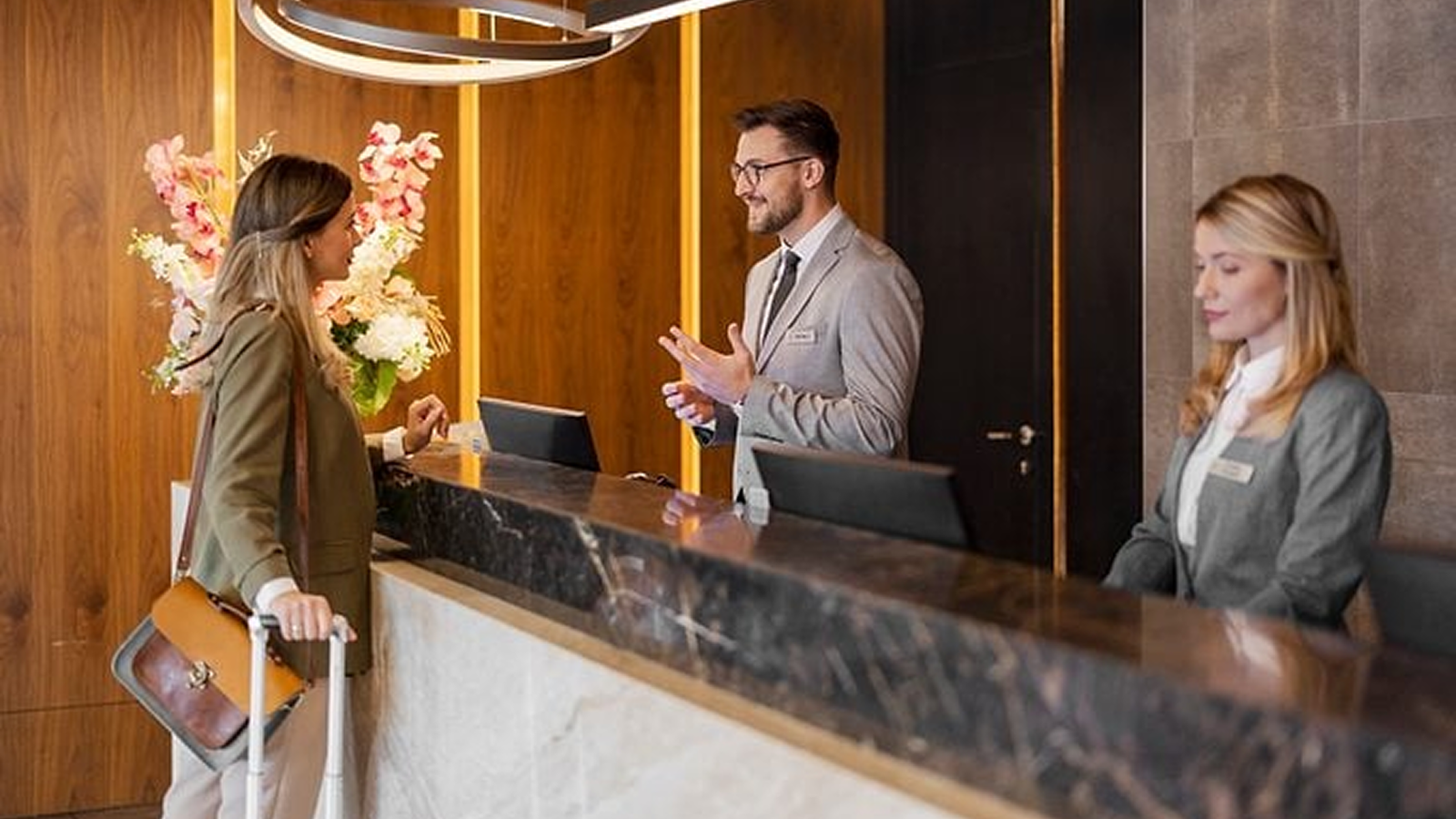
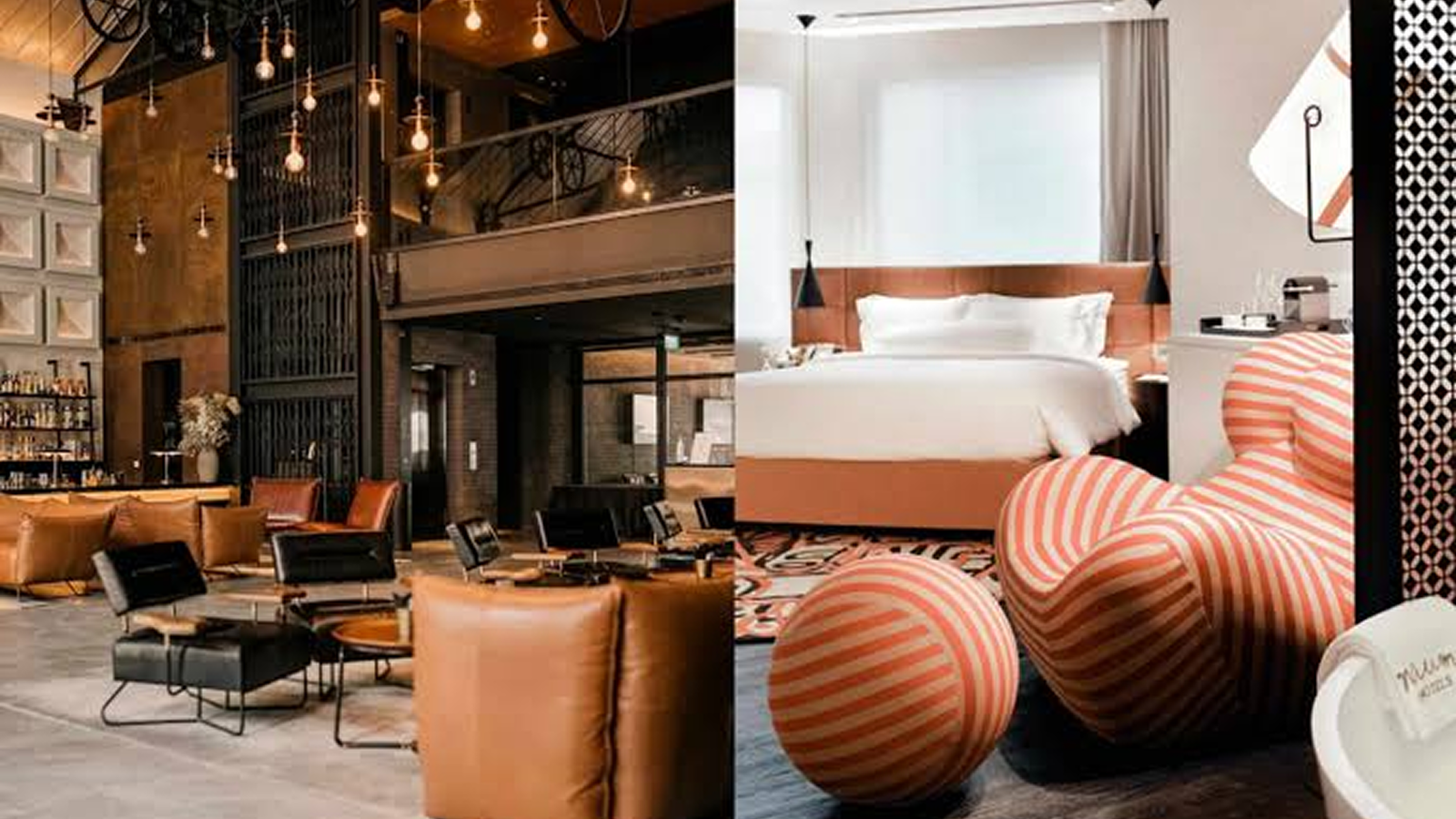
A hotel room buys predictability: climate control, a private bathroom (usually), daily housekeeping, and proximity to services. The experience is largely the same regardless of location.
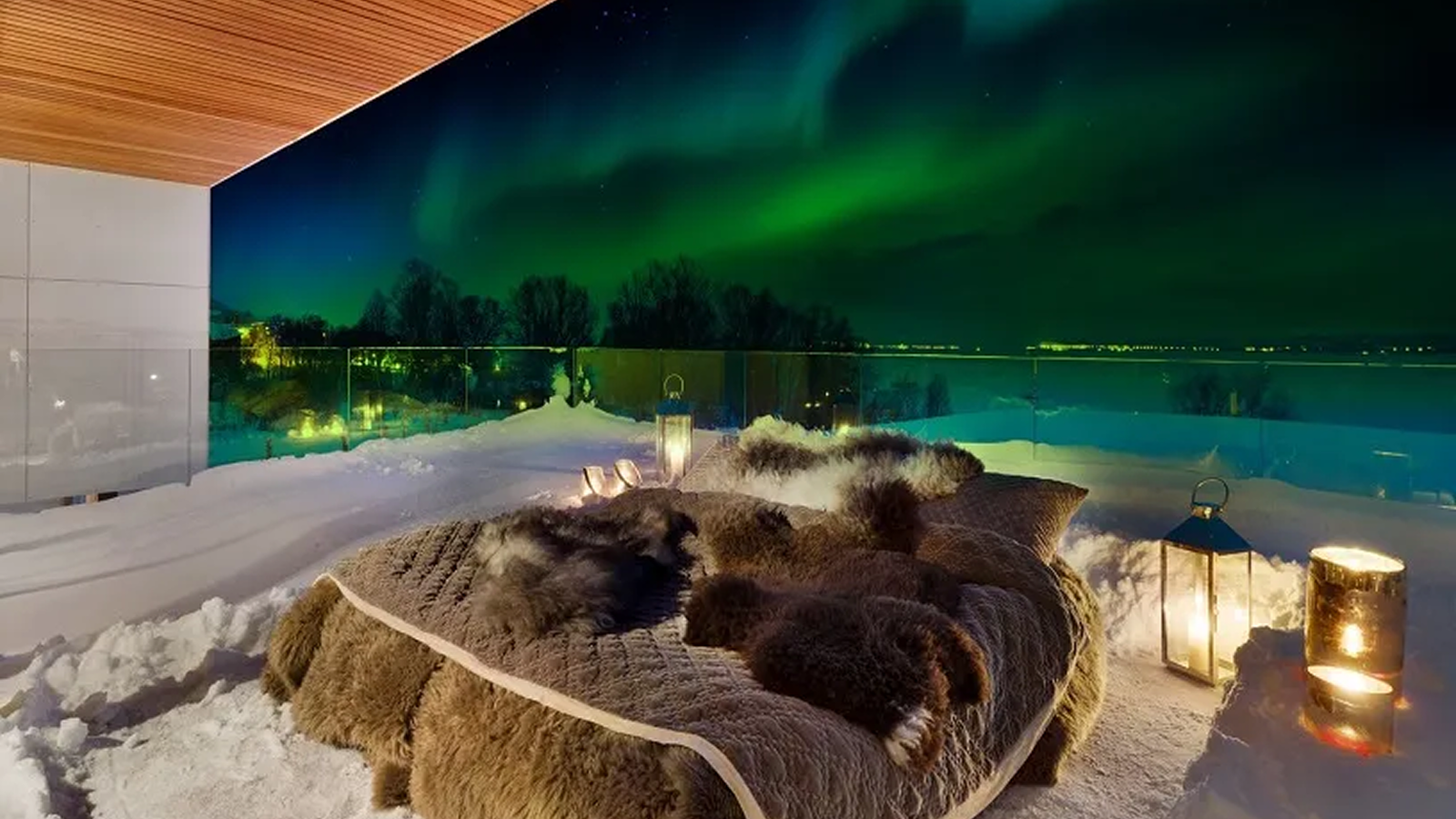
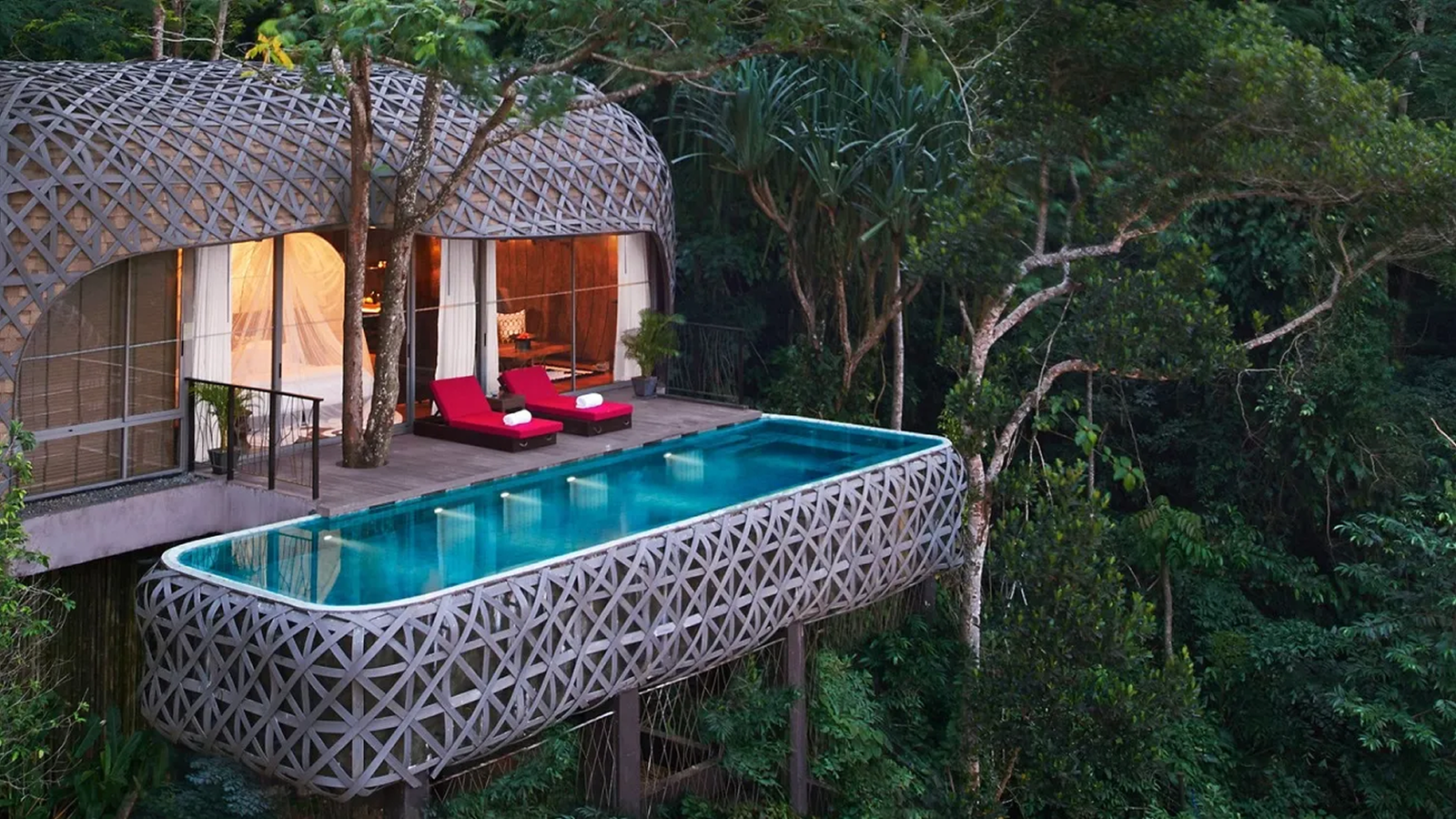
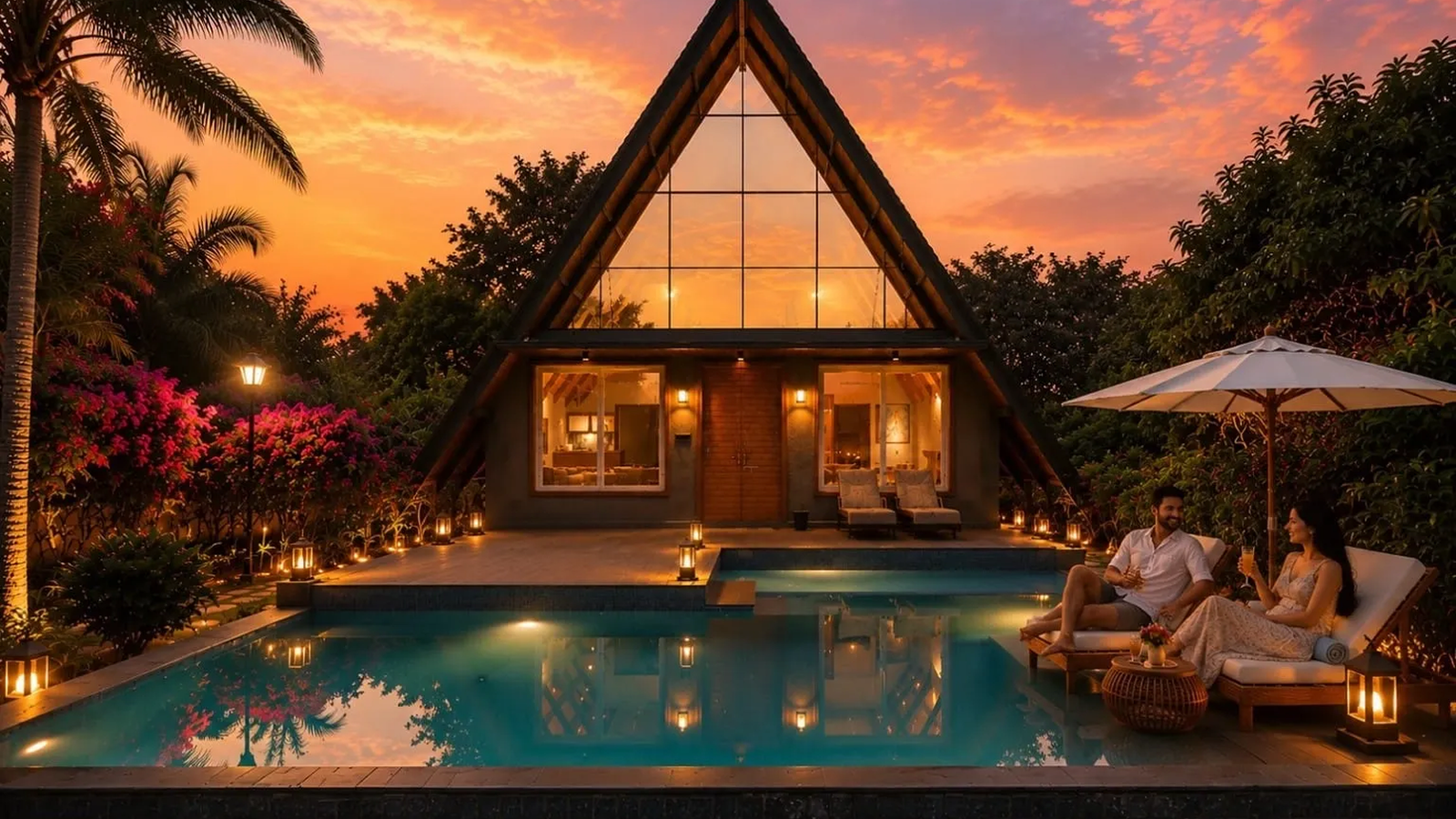
A glamping stay buys a setting — usually somewhere a hotel simply couldn’t be built: deep in a forest, on a working vineyard, alongside a private lake. You’re paying for the location and the atmosphere as much as the accommodation itself, often with fewer of the conveniences a hotel takes for granted.
Where Hotels Win
- Predictability. A hotel room performs the same whether it’s raining, freezing, or blisteringly hot outside — climate control is built in, not weather-dependent the way even high-end canvas tents can be.
- Private, attached bathrooms. Many glamping sites, even upscale ones, still involve a short walk to a shared or semi-private bathroom facility — worth checking carefully before booking if this matters to you.
- Value for short, practical stays. For a one- or two-night stopover where the destination itself isn’t the point, a hotel almost always wins on price-to-convenience ratio.
- Reliability of amenities. Wifi, room service, and 24-hour front desk support are standard at most hotels and often limited or unavailable at glamping sites.
Where Glamping Wins
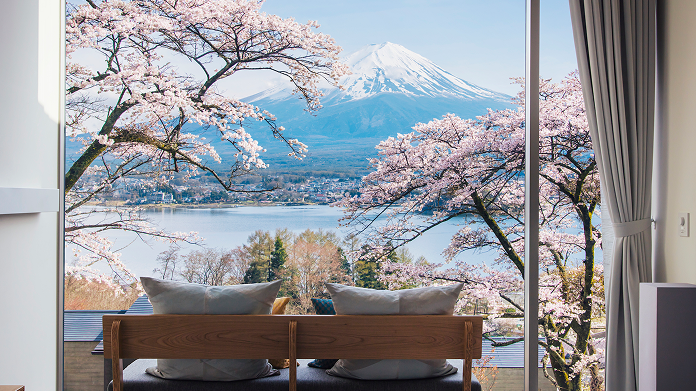
- Access to genuinely remote or scenic locations a hotel couldn’t replicate — waking up inside a forest or next to a private lake is the entire point, and no hotel room delivers that.
- A more immersive, memorable experience for travelers specifically seeking something different from a standard hotel stay, particularly for anniversaries, proposals, or milestone trips.
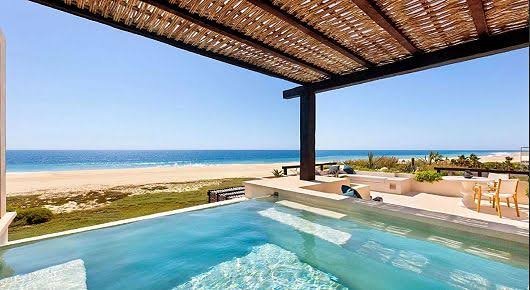
- Often includes activities tied to the setting — stargazing decks, private hot tubs, guided nature walks — that a standard hotel wouldn’t offer even at a comparable price point.
- A reasonable middle ground for reluctant campers — genuine outdoor immersion without needing your own gear or sacrificing a real bed and (usually) electricity.
What to Check Before Booking a Glamping Stay
- Bathroom setup — private ensuite, shared block, or none at all (some very remote sites use eco-toilets).
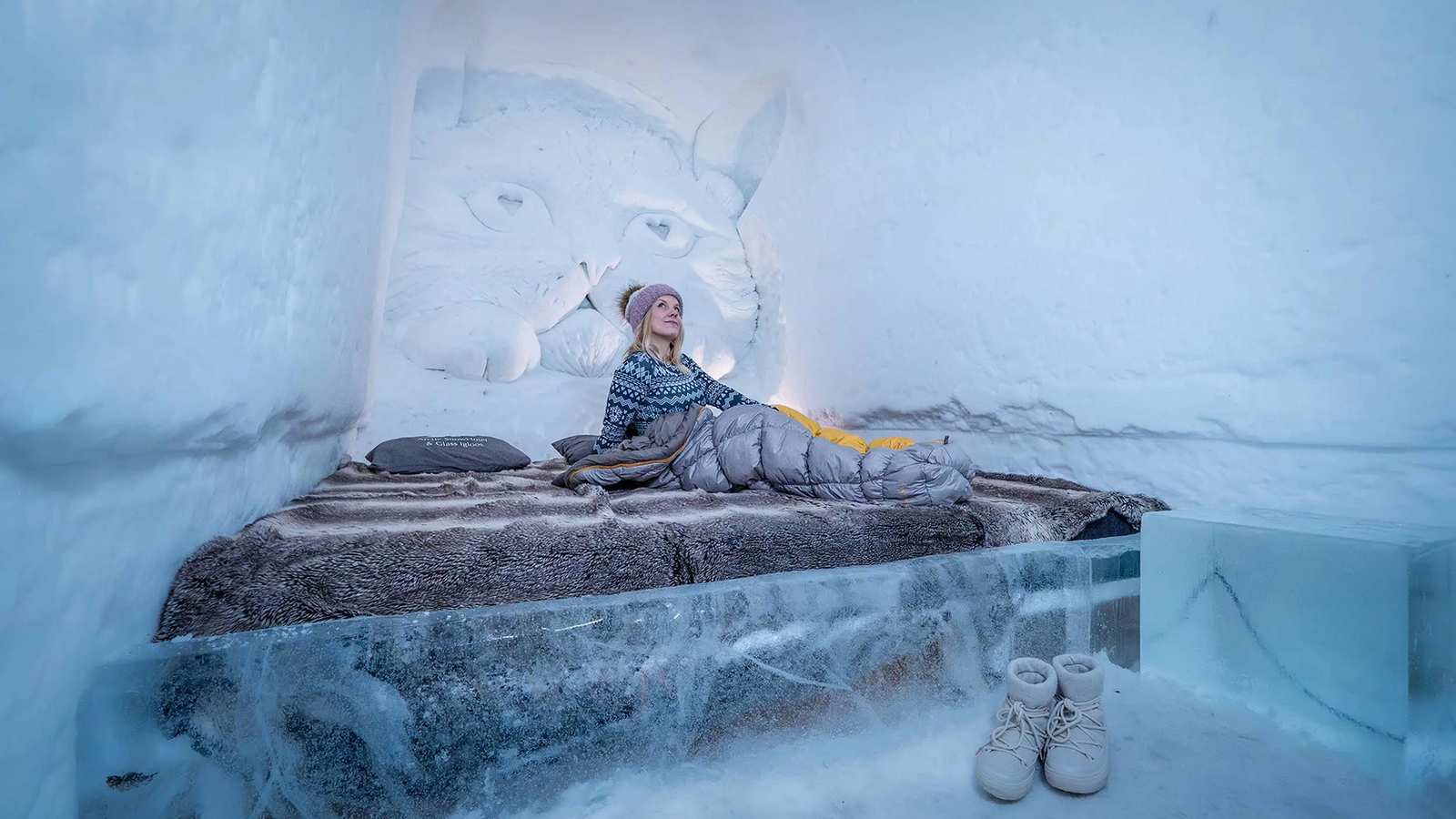
- Climate control — some tents include heating/cooling, others rely entirely on layered bedding and the weather.
- Connectivity — if staying in touch matters, confirm wifi or cell signal in advance; remote settings often mean neither.
- Season-specific comfort — a canvas tent in shoulder season can be genuinely cold overnight even with heating; check what’s actually provided, not just advertised.
The Real Way to Decide
If the location itself is the draw — somewhere a hotel genuinely couldn’t put you — glamping is worth the premium, since you’re paying for an experience a hotel structurally can’t offer. If you just need comfortable, predictable accommodation as a base for exploring elsewhere, a hotel is almost always the better value, even at a similar price point.