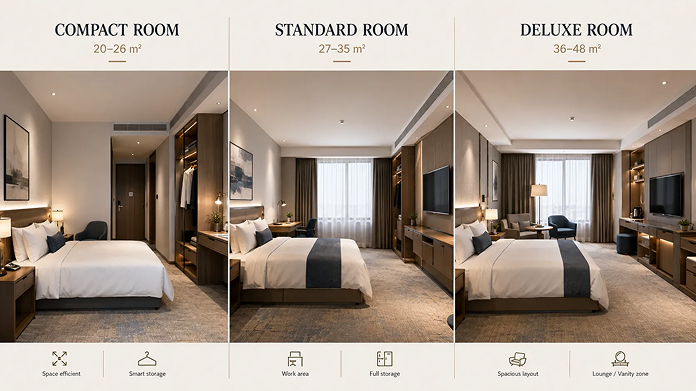

Room upgrades feel like luck, but hotels usually have real logic behind who gets one — mostly tied to occupancy, loyalty status, and a few small things you actually control. Here’s what genuinely moves the odds, and what doesn’t.
What Actually Influences an Upgrade
Low occupancy on your arrival date. Upgrades happen most often when a hotel has unsold higher-category rooms and an incentive to fill them rather than let them sit empty — this is largely out of your control, but booking a less popular night (midweek, off-peak season) genuinely improves your odds simply because more upgrade-eligible rooms are available.
Loyalty program status. This is the single biggest lever within your control. Even a mid-tier loyalty status with a major chain (Marriott Bonvoy, Hilton Honors, IHG One Rewards, World of Hyatt) puts you ahead of non-members in the upgrade queue at most properties — and it’s free to join even if you’re not a frequent traveler yet.
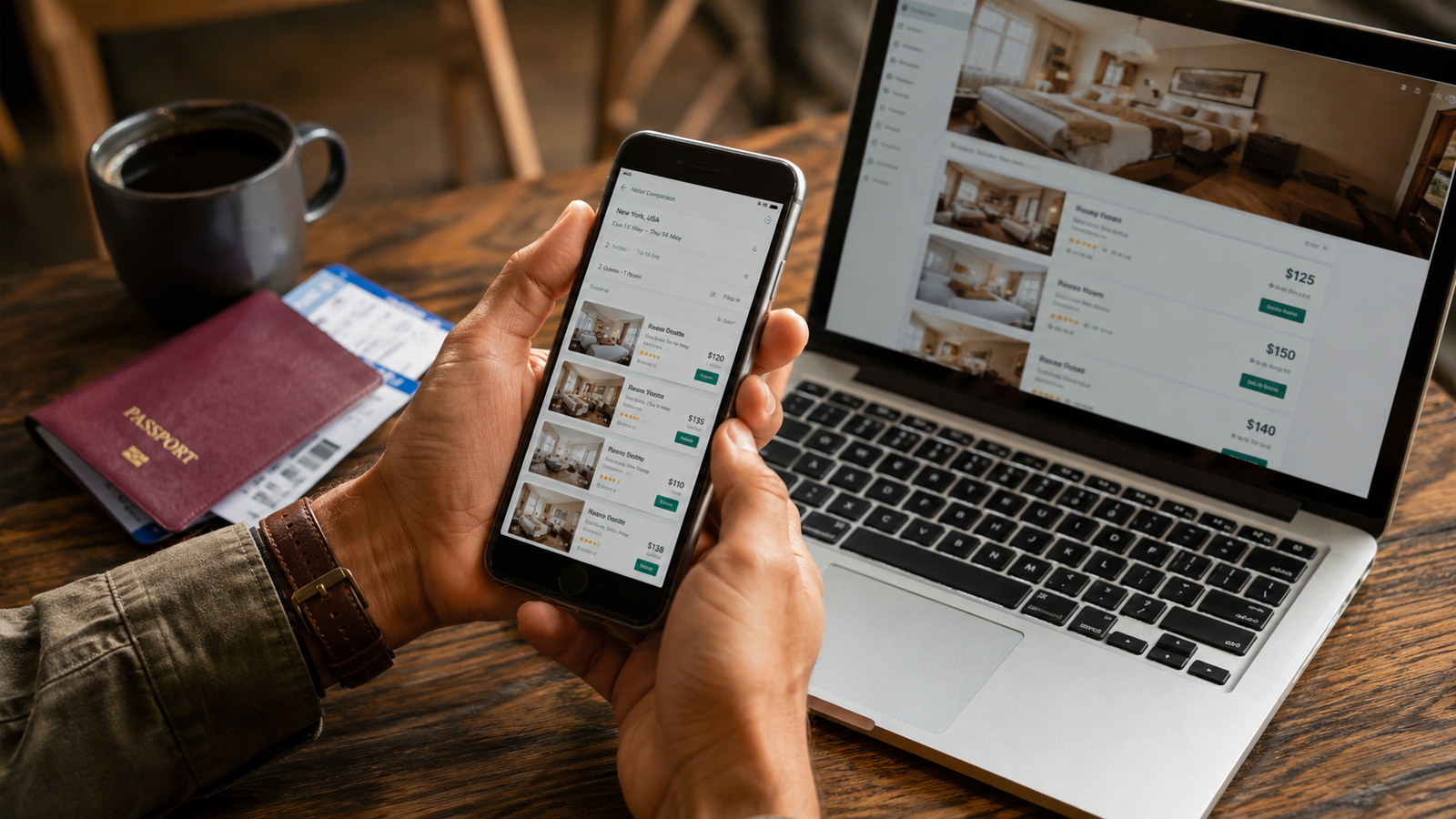
Booking directly with the hotel. Bookings made through third-party OTAs are sometimes deprioritized for upgrades compared to reservations made directly with the hotel or through its loyalty program, since direct bookings are more valuable to the property and loyalty members booking direct are specifically who these programs are designed to reward.
Special occasions, mentioned politely in advance. A quick note in the booking (or an email to the hotel afterward) mentioning a honeymoon, anniversary, or birthday doesn’t guarantee anything, but hotels do sometimes use these as a tiebreaker when deciding which of several similar guests gets an available upgrade.
What Doesn’t Really Work
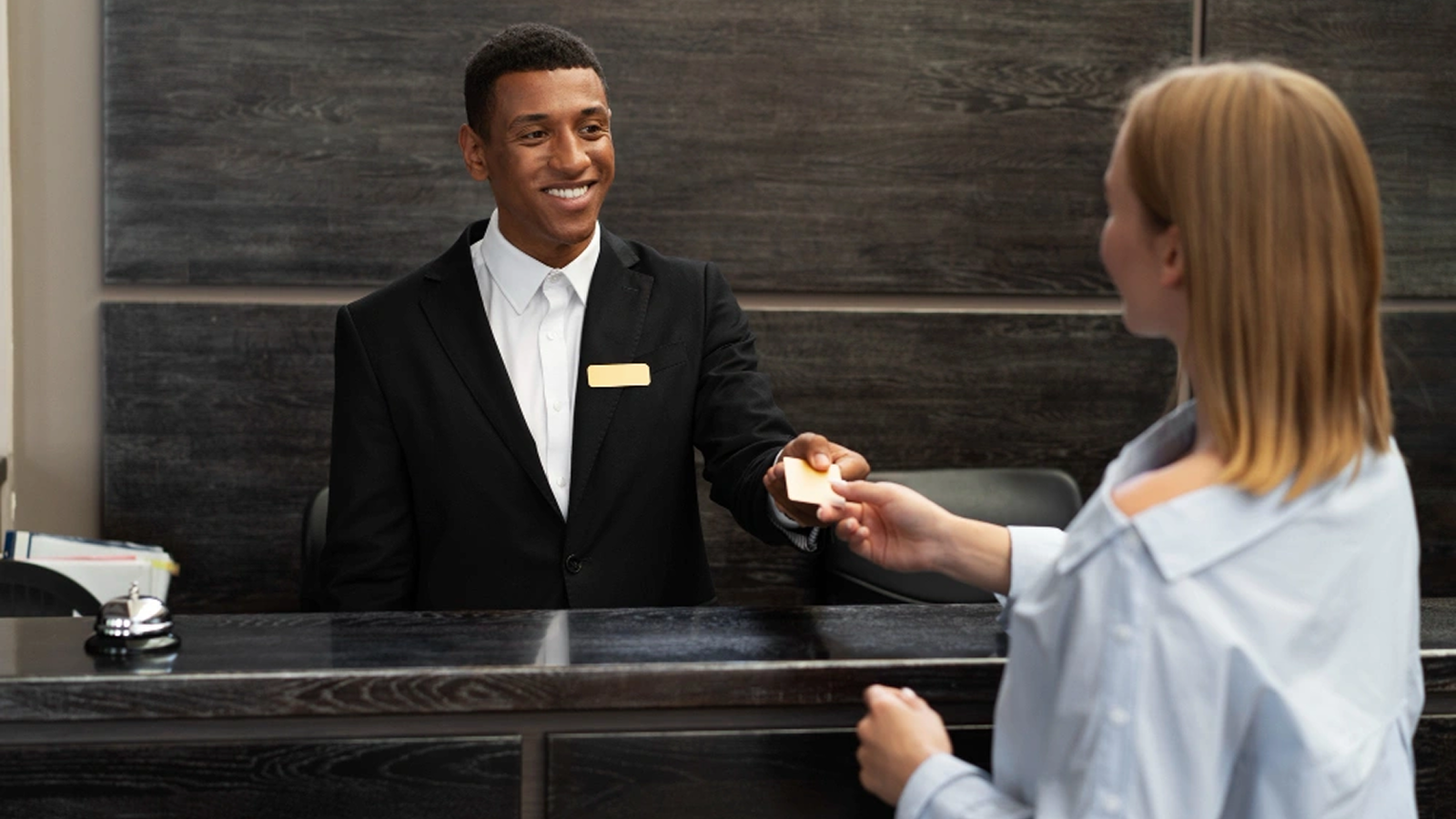
- Asking aggressively at check-in. Front desk staff have limited discretion and no incentive to reward pushiness — a friendly, low-key ask works better than an insistent one, if you ask at all.
- Dressing up or acting important. This is more travel folklore than reality — front desk decisions are generally based on system data (loyalty tier, rate booked, occupancy) rather than in-person impressions.
- Booking the cheapest possible rate and expecting the same upgrade odds as a full-price booking. Some hotels do factor in rate category, since the value of an upgrade to a heavily discounted booking is lower for the property than upgrading a full-rate guest.
A Simple, Realistic Approach
- Join the hotel chain’s loyalty program before you book — it costs nothing and immediately puts you ahead of non-members.
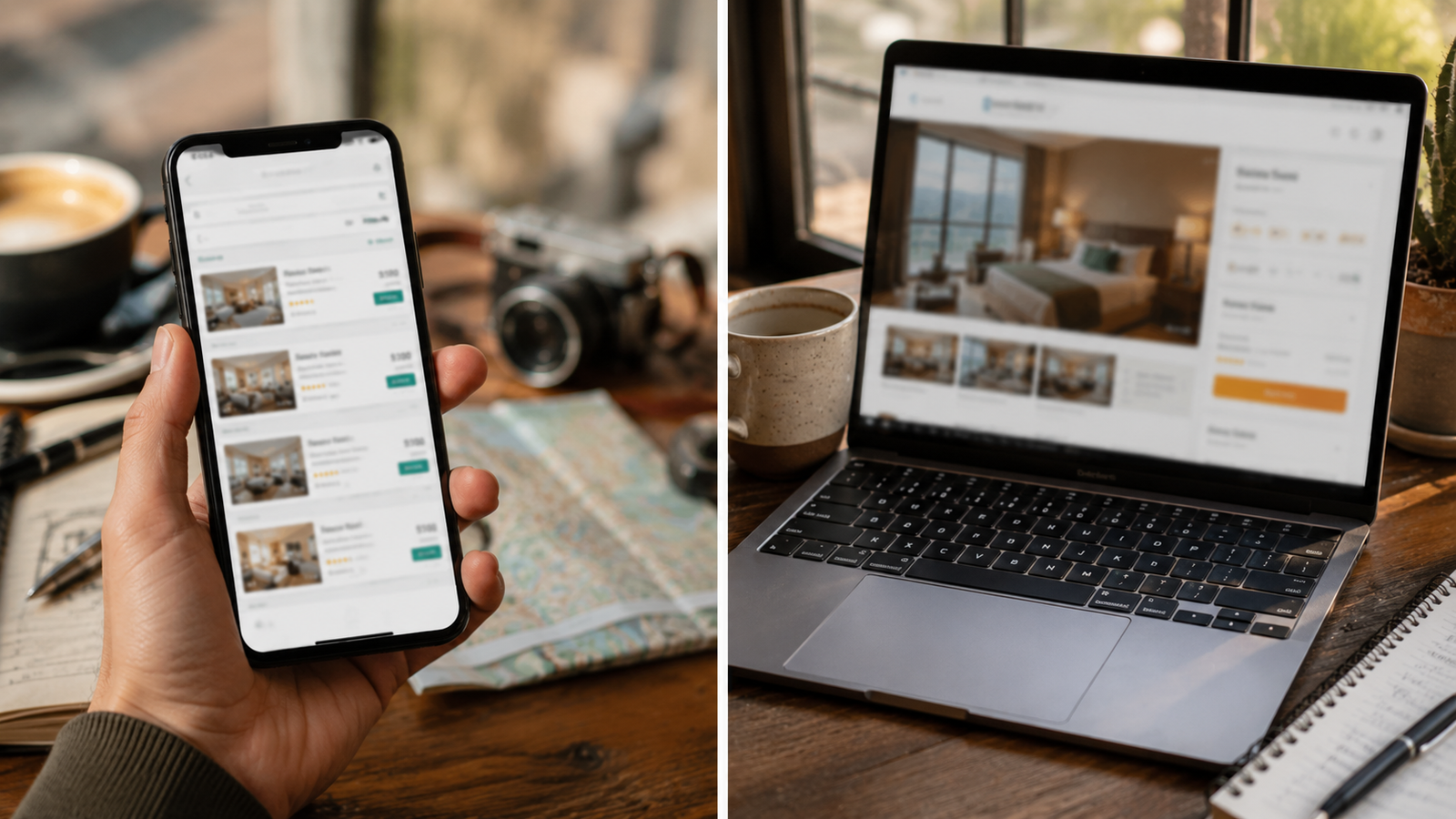
- Book directly with the hotel, or through the chain’s own app/site, rather than a third-party OTA if upgrade odds matter to you.
- Choose a lower-occupancy date if your travel is flexible — midweek and shoulder-season stays have meaningfully better upgrade odds than weekend or peak-season dates.
- Mention any special occasion politely when booking, not as a demand at check-in.
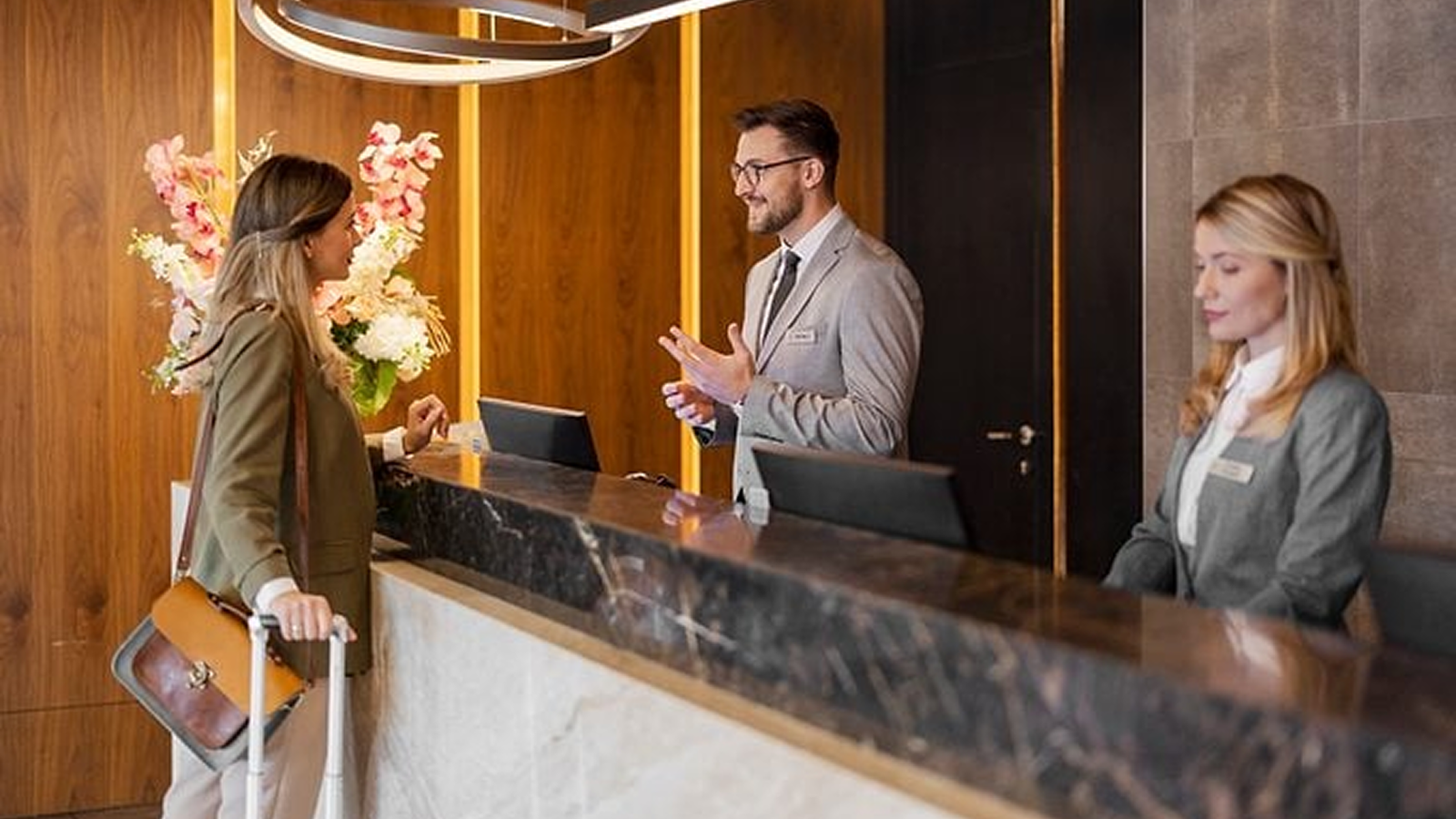
- Be pleasant at check-in, but don’t ask directly — a friendly “is there anything better available?” phrased casually tends to land better than a direct upgrade request.
The Bottom Line
Upgrades aren’t random, but they’re also not guaranteed by any single trick — they’re the result of loyalty status, direct booking, low occupancy, and a bit of genuine luck stacking together. The two things actually within your control that move the needle most are joining the loyalty program before you book and booking directly with the hotel — everything else is a smaller nudge on top of those two.