
A total solar eclipse creates one of the most extreme, predictable demand spikes in hotel pricing anywhere — a specific narrow path of totality, a fixed date years in advance, and a hard ceiling on how many rooms exist within viewing range. Here’s how to actually approach booking one.
Why Eclipse Booking Is Different from Normal Travel Planning
Unlike most travel, the date is locked to the minute and the “good” locations are a narrow, fixed geographic band (the path of totality) rather than a broad destination — meaning demand concentrates extremely specifically rather than spreading across a region the way a typical peak-season surge does.
How Far Ahead to Actually Book
- 12+ months ahead, if the eclipse date is already known (these are calculated years in advance) — prime path-of-totality hotels, especially in smaller towns with limited inventory, can sell out a full year or more ahead of a major eclipse.
- If you’re booking within 6 months of a well-publicized eclipse, expect significantly reduced options and inflated prices — this is a case where “book early” isn’t just generally good advice, it’s close to mandatory for path-of-totality locations.
- Rural and small-town locations within the path sell out fastest, since they typically have limited hotel inventory to begin with, unlike major cities that might partially intersect the path.
What to Check Before Booking
- Confirm the property is actually within the path of totality, not just “near” it. A hotel 30 minutes outside the path only sees a partial eclipse — verify against the specific published path map for that eclipse, not just general regional proximity.
- Read the cancellation policy carefully (see our [hotel cancellation policy guide]) — eclipse weather is genuinely unpredictable, and some travelers book multiple locations along the path with flexible cancellation, releasing all but their final choice once forecasts firm up closer to the date.
- Check for mandatory multi-night minimum stays. Many properties in high-demand eclipse locations require booking 2-4+ nights minimum around the event, even if you only need one night — factor this into total cost comparisons.
Managing the Price Spike
- Compare a “second ring” location just outside the most famous towns within the same path of totality — often significantly cheaper than the most marketed, “eclipse festival” towns while still delivering the same total eclipse experience.
- Book refundable rates at 2-3 locations if the budget allows, then cancel down to one closer to the date once weather forecasting becomes reliable (generally 3-5 days out) — a strategy specific to eclipse travel given how weather-dependent the payoff is.
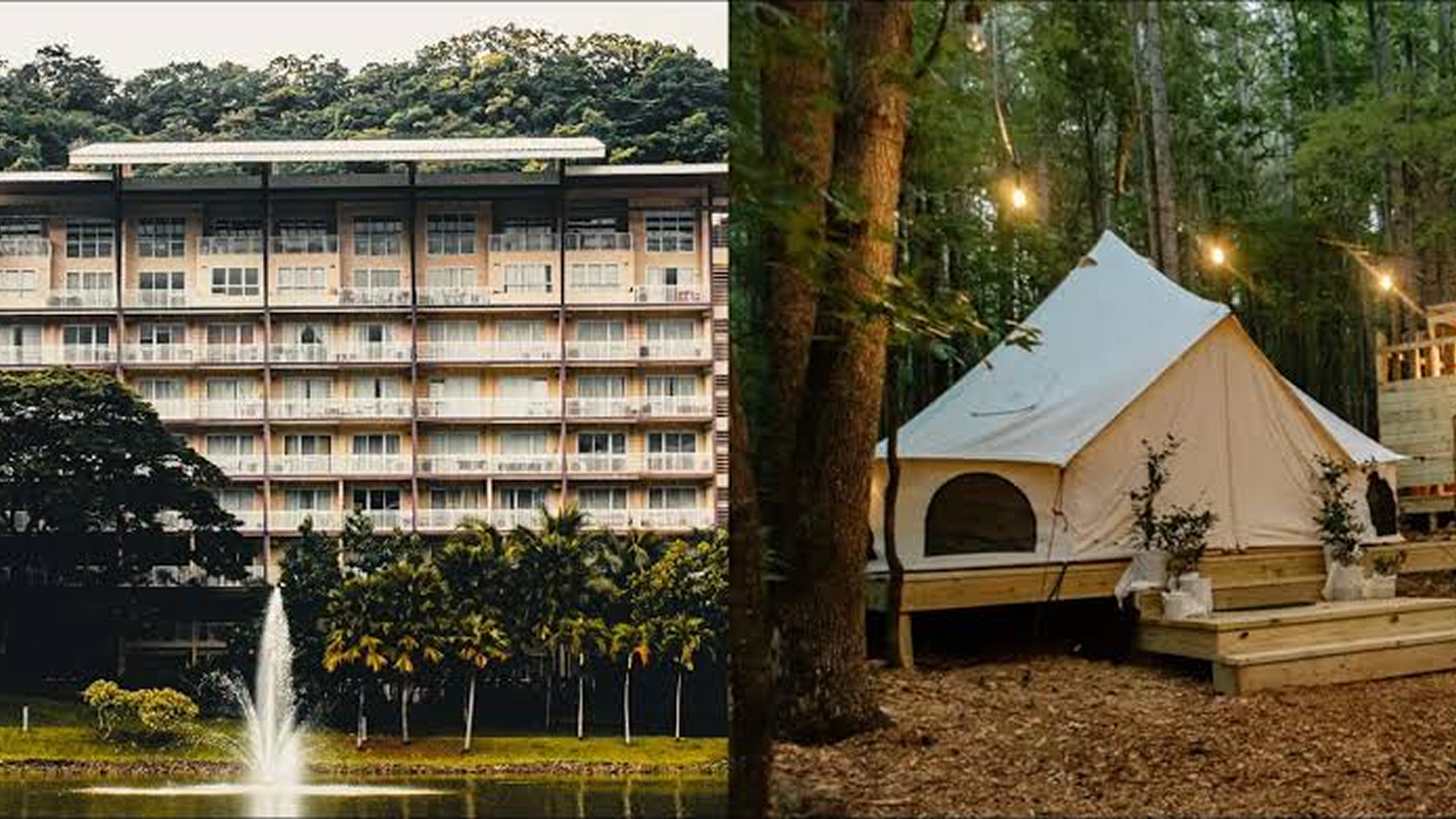
- Consider camping or RV options if hotel prices are prohibitive — many eclipse-path areas see a parallel spike in campground demand, but per-night costs are typically far lower than hotel rates during these events.
The Bottom Line
Eclipse hotel booking rewards very early planning more than almost any other travel scenario — the date is fixed years ahead, and inventory within the path of totality is genuinely limited. If a specific eclipse is on your radar, booking as soon as the path is published (often 12-18 months ahead) is the single most effective way to avoid both sold-out properties and inflated last-minute pricing.