
Booking a hotel for a week-long vacation and booking one to actually work from for a month are two different exercises — the priorities shift from “is it near the sights” to “can I have a reliable video call at 9am without the wifi dropping.” Here’s what actually matters for a long working stay, and which hotel types tend to deliver it.
What Actually Matters More Than People Expect
Wifi reliability, not just speed. A hotel might advertise fast wifi that still drops during peak hours when every guest is streaming in the evening. Look for reviews that specifically mention video calls or remote work, not just generic “good wifi” comments — they’re far more reliable signals than the advertised speed alone.
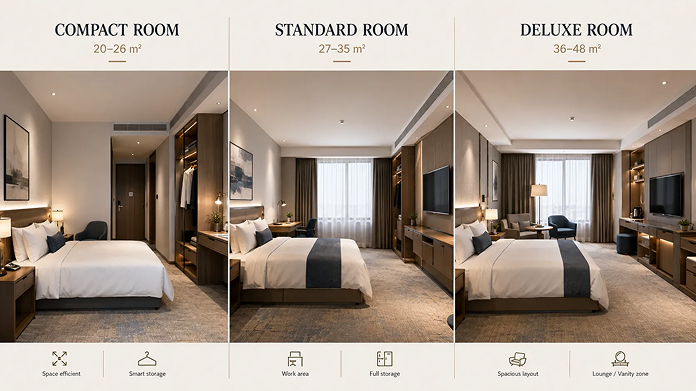
A real desk, not a decorative one. Many boutique and luxury hotel rooms are designed for leisure, not work — a small round table with no proper chair height is common even in expensive rooms. Check room photos specifically for a desk setup, or look at floor plans if available.
Noise insulation. Long stays mean more hours in the room during work hours when hallway and street noise is more disruptive than it would be for a quick overnight stay. Reviews mentioning “quiet” or “thin walls” are worth weighing more heavily for a nomad stay than for a short trip.
Extended-stay pricing structures. Weekly or monthly rate discounts can meaningfully lower the effective nightly cost — many hotel chains offer these but don’t always surface them prominently in standard search results, so it’s worth checking directly with the property or looking specifically for “extended stay” branded options.
Hotel Types That Tend to Work Well
Extended-stay and apartment-style hotel brands Chains like Residence Inn, Extended Stay America, Homewood Suites, and Adina Apartment Hotels are specifically built around longer stays — kitchenettes, separate living/work space, and weekly/monthly rate structures as standard, rather than an afterthought.
Aparthotels A hybrid between a hotel and a serviced apartment, common in Europe and increasingly elsewhere — full kitchen, more square footage than a standard hotel room, and often better suited to a real daily work routine than a compact hotel room.
Co-living and co-working-integrated properties A newer category (Selina and similar chains being well-known examples) built specifically around remote workers — on-site co-working space, community events, and a built-in social layer that standalone hotel rooms don’t offer, which matters more than people expect over a longer stay.
What to Avoid for a Long Stay
- Resort-style hotels far from any real town or city center, where every errand becomes a taxi ride — fine for a week’s vacation, exhausting for a month of daily life.
- Rooms with no separation between bed and desk, since working and sleeping in the exact same small space for weeks tends to blur the two in a way that affects both sleep and focus.
- Properties with inconsistent housekeeping schedules for long stays — some hotels reduce cleaning frequency automatically past a certain number of nights without clearly stating this upfront; worth confirming directly if it matters to you.
Hotel vs. Long-Term Airbnb for Nomad Stays
Hotels tend to win for nomads who value consistency, daily housekeeping, and not needing to coordinate with a host — genuinely useful over a long stay when something inevitably needs fixing. Airbnb or a long-term rental tends to win on space and cost for stays of a month or longer, particularly with a full kitchen reducing food costs meaningfully over that time. Our [Hotel vs Airbnb] breakdown covers the cost comparison in more detail, though the calculation shifts further toward Airbnb/rentals the longer the stay gets.
Booking Tips
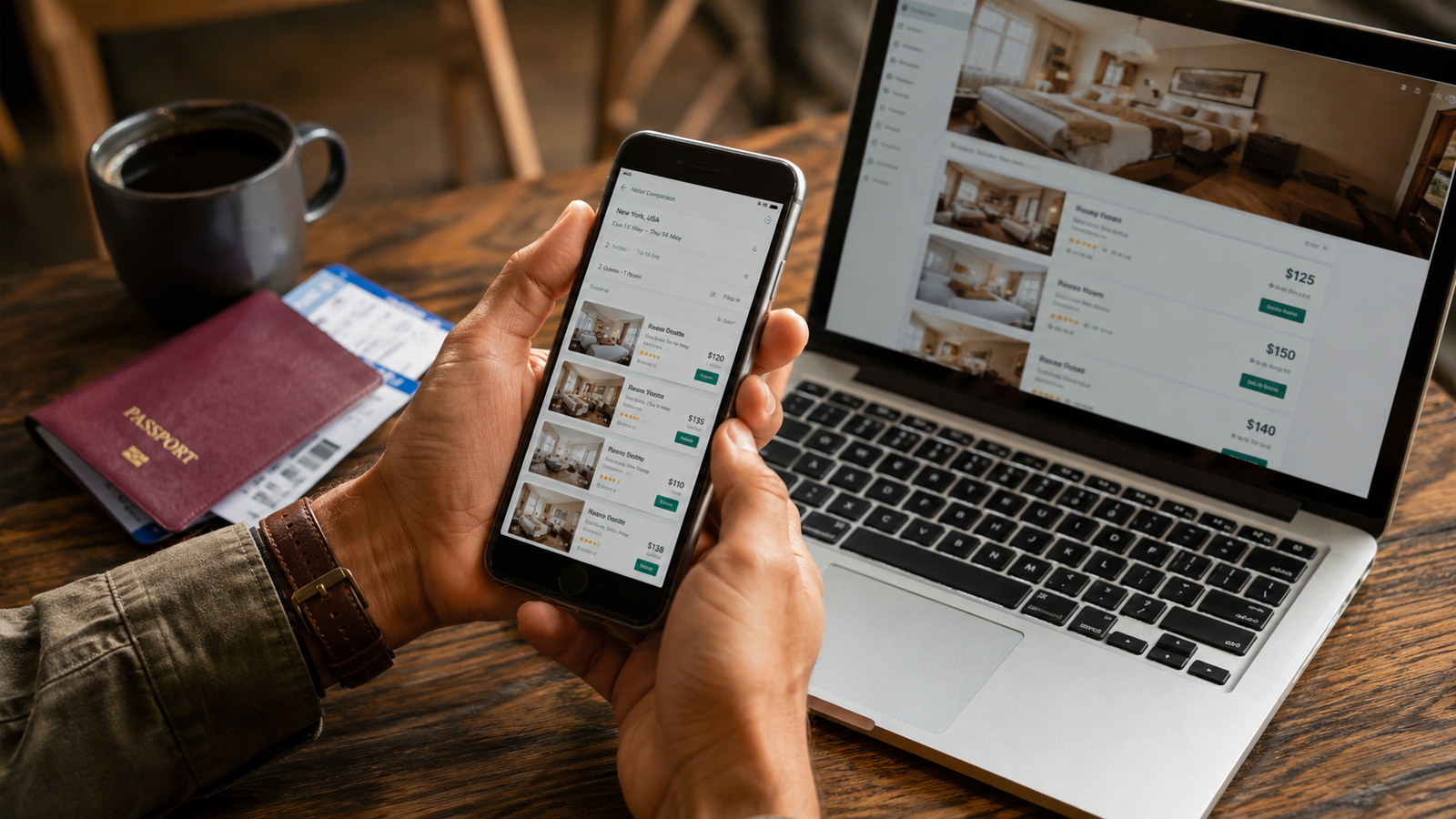
- Contact the property directly to ask about extended-stay rates — these are often better than what’s shown through standard OTA search results.
- Read recent reviews specifically for wifi and noise, since these details are the most likely to have changed since older reviews were written.
- Confirm laundry access — in-room, on-site, or nearby — since this becomes a real logistical factor over weeks rather than days.