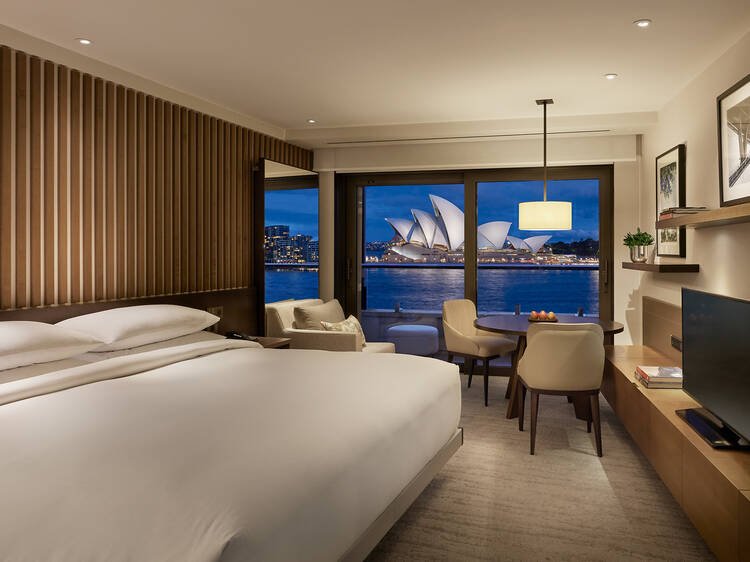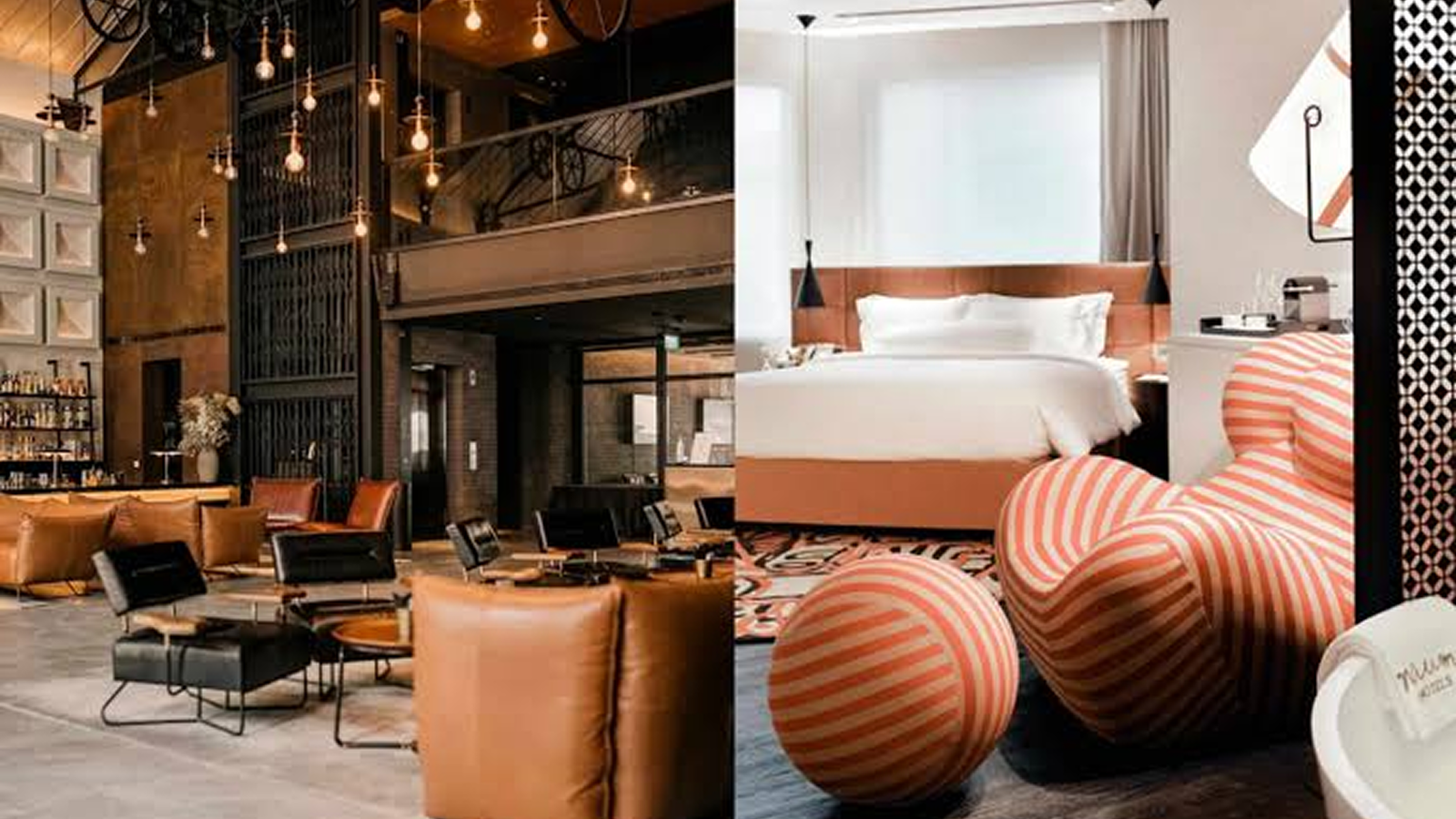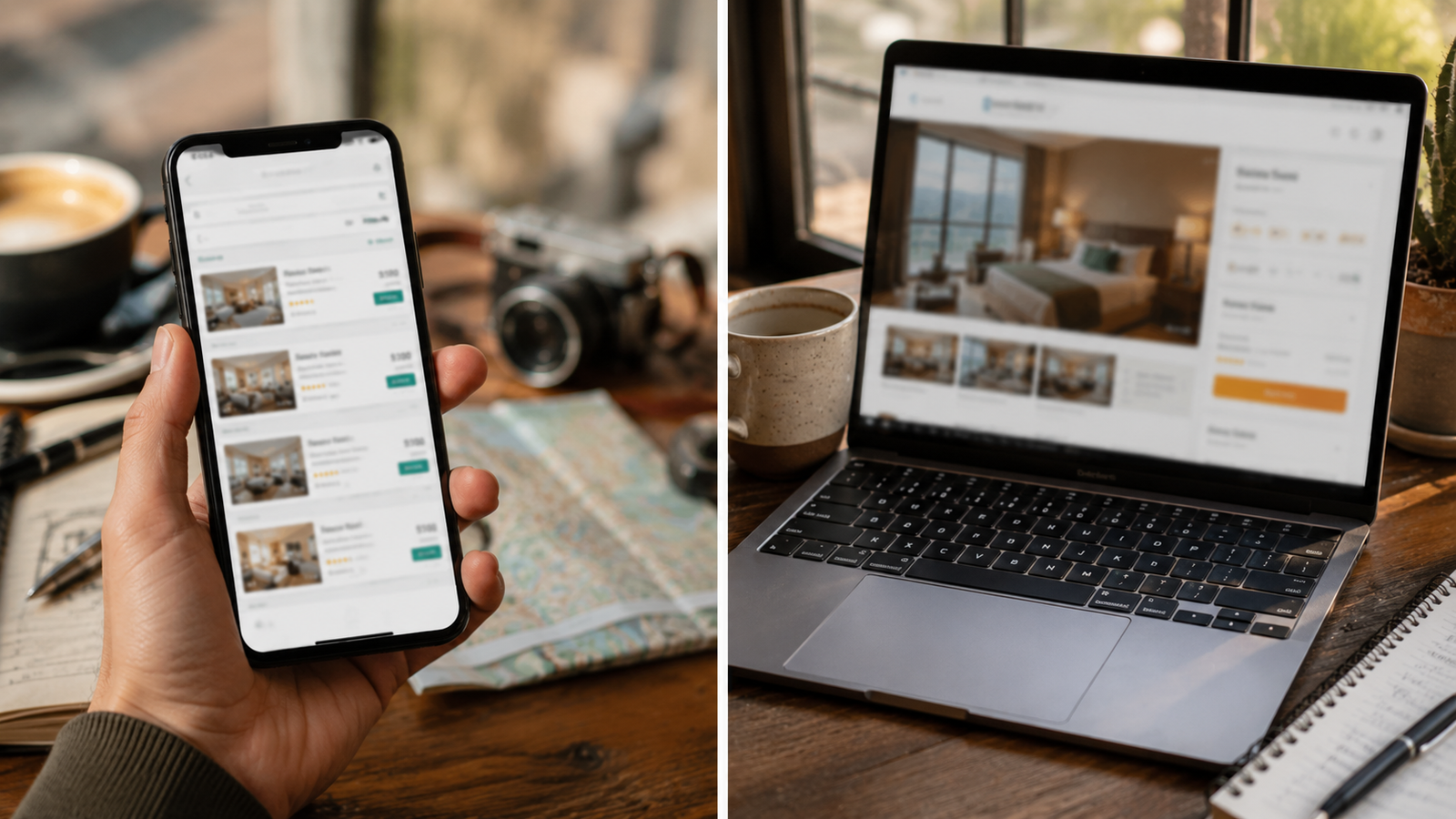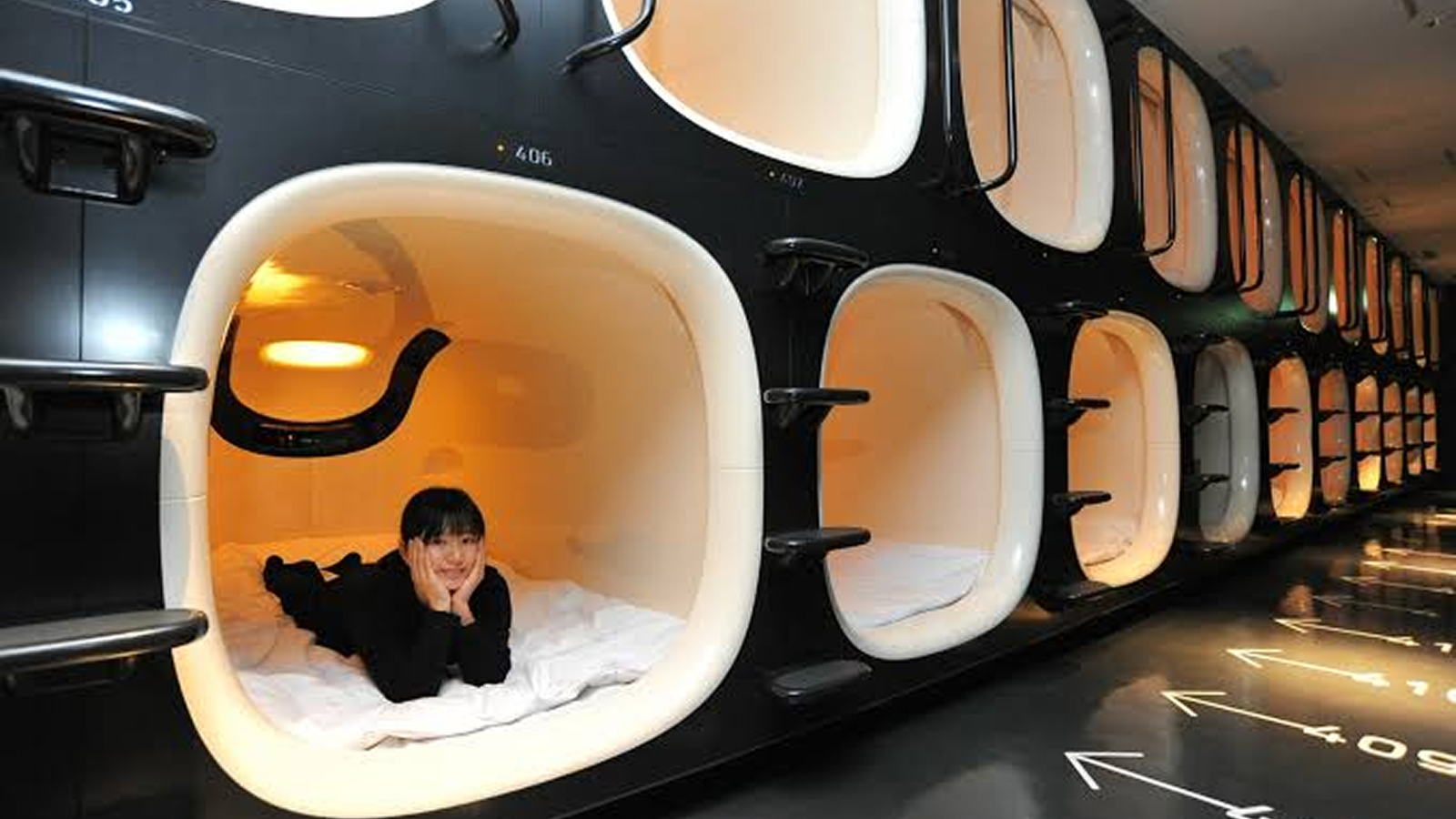
Hotel room category names aren’t standardized across the industry — there’s no universal rule that a “Deluxe” room at one hotel matches a “Deluxe” room at another. Here’s what these terms generally indicate, and why you should always check the specific room description rather than relying on the label alone.
The General Hierarchy (Not Universal, But Common)
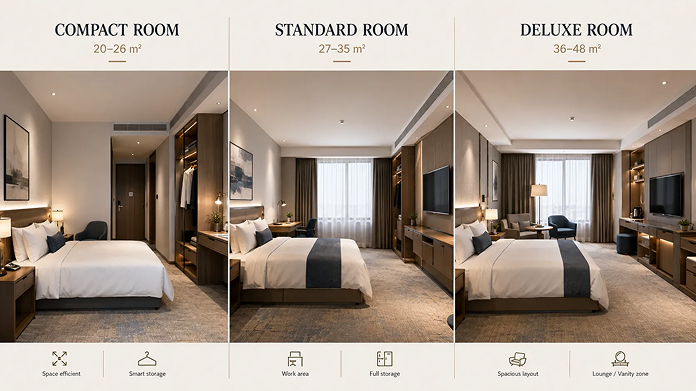
Standard / Classic Room The base room category at most hotels — typically the smallest size, often with a city or courtyard view rather than a premium outlook, and the fewest included amenities beyond the essentials.
Superior Room Usually one step above Standard, often meaning a somewhat larger room, a better view, or a higher floor — the actual difference from Standard varies significantly by property and is sometimes fairly minor.
Deluxe Room Generally larger than Superior, often with additional amenities (a seating area, upgraded bathroom fixtures, sometimes a better view) — but the word “Deluxe” carries no fixed industry meaning, so the actual size and amenity difference from Superior can range from substantial to negligible depending on the property.
Junior Suite Typically a single room, larger than a standard room, with a distinct seating area but without a separate bedroom — a step between a standard/deluxe room and a full suite.
Suite Generally includes a separate bedroom and living area, sometimes with a small kitchenette — genuinely different in layout from the categories above rather than just larger, though the exact size and amenities still vary widely by property.
Executive / Club Level Rooms Often refers to rooms with access to a private lounge (breakfast, evening drinks, a quieter workspace) rather than indicating anything about the room’s physical size or layout — a different axis of differentiation from the size-based categories above.
Why the Terms Aren’t Reliable on Their Own
Because there’s no industry-wide standard, a “Deluxe” room at a budget chain might be smaller than a “Standard” room at a luxury property — the terms are relative to each hotel’s own room lineup, not to an external benchmark. This is the single most important thing to understand about these labels: they tell you about relative positioning within that specific hotel, not about absolute size or quality.
What to Actually Check Instead of Relying on the Category Name
- Square footage/meters, if listed. Many booking platforms now display this explicitly — a far more reliable comparison point across properties than the category name alone.
- The specific bed configuration and view description, since these are usually listed accurately even when the category name itself is vague marketing language.
- Recent photos specific to that room category, not just the hotel’s general marketing photos, which sometimes showcase the nicest room in a category rather than a representative one.
- Reviews mentioning the specific room category you’re considering, since general hotel reviews don’t always specify which room type the reviewer stayed in.
A Practical Rule of Thumb
If square footage isn’t listed, email or call the property directly and ask for the specific size and layout of the room category you’re considering — legitimate hotels will readily provide this, and reluctance to answer specifically is itself a useful signal.
The Bottom Line
Room category names are relative marketing labels specific to each property, not a standardized scale you can compare across hotels. Always check square footage, specific room photos, and category-specific reviews rather than assuming “Deluxe” or “Superior” means the same thing everywhere.