Solo female travel safety isn’t about avoiding certain destinations wholesale — it’s about specific, checkable details at the property and neighborhood level that make a real difference. Here’s what actually matters when booking.
What to Check Before Booking
Neighborhood safety after dark, not just during the day. A location that feels fine at 2pm can feel very different at 10pm — checking recent reviews specifically mentioning nighttime experiences, or looking at neighborhood safety resources for the destination, gives a more accurate picture than daytime impressions alone.
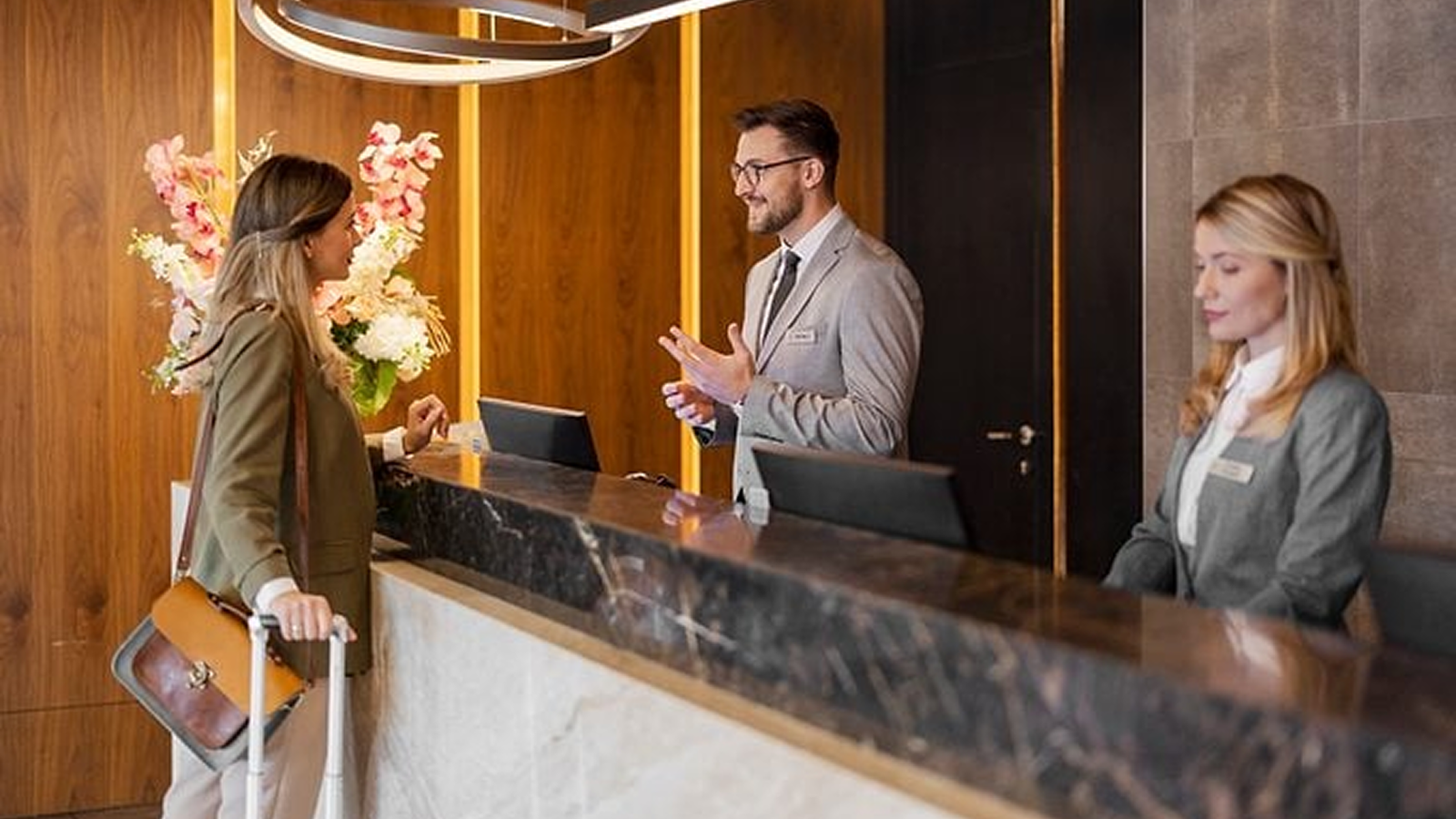
24-hour front desk staffing. Properties with round-the-clock staff presence offer a meaningful safety margin for late arrivals, and simply having someone to ask for help at any hour if something feels off.
Room location within the property. Rooms near elevators or stairwells on lower floors are sometimes considered less secure than mid-floor rooms further from high-traffic areas — a preference worth mentioning at check-in, since many hotels will accommodate a room change request.
In-room safety features. A functioning deadbolt or security chain, and a peephole, are basics worth confirming — most hotels have these, but it’s a quick check worth doing rather than assuming.
Hotel Types That Tend to Work Well
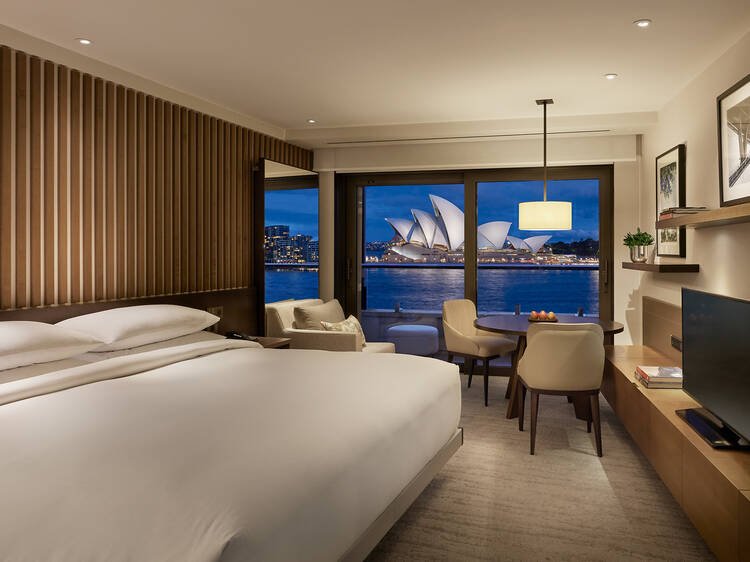
Established mid-to-upper chain hotels (Hilton, Marriott, Hyatt, IHG brands) generally offer the most consistent safety standards — 24-hour staffing, well-lit common areas, and predictable security practices across locations, which matters more for solo travel than for a group trip.
Female-focused or female-friendly hostels and guesthouses, increasingly common in major backpacker destinations, sometimes offer female-only dorm options and a built-in social environment that can ease the adjustment to solo travel, particularly for first-timers.
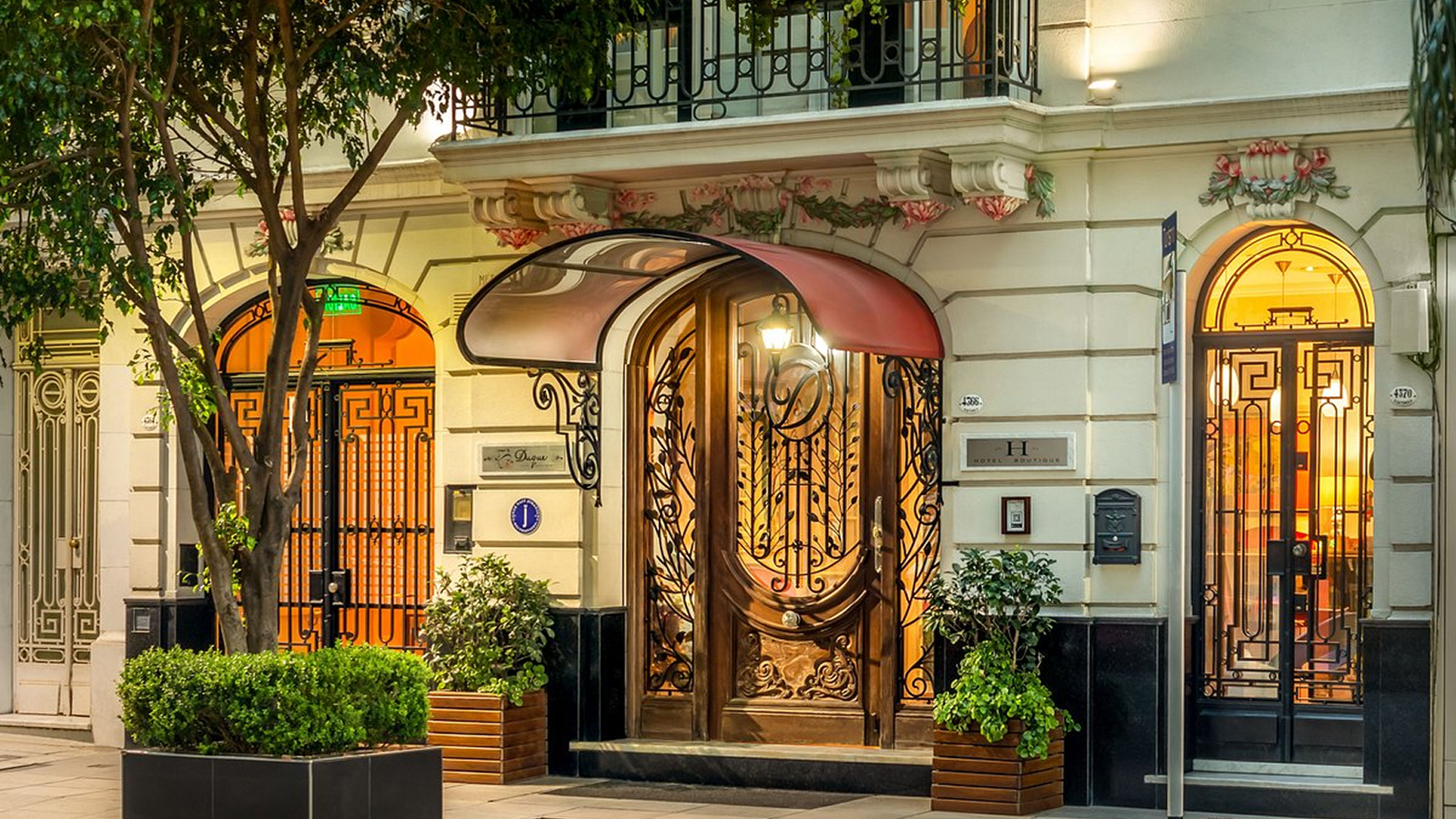
Boutique hotels in well-reviewed neighborhoods, where recent traveler reviews (particularly from other solo female travelers, when identifiable) offer more specific, relevant insight than general hotel ratings.
Destinations Consistently Well-Rated for Solo Female Travel
Many of the cities in our [best cities for solo travelers] guide — Tokyo, Copenhagen, Singapore, Vienna in particular — are also consistently well-regarded specifically for solo female travelers, given strong general safety records and cultures where solo dining and solo activities are broadly normalized rather than unusual.
A Few Practical Booking Habits
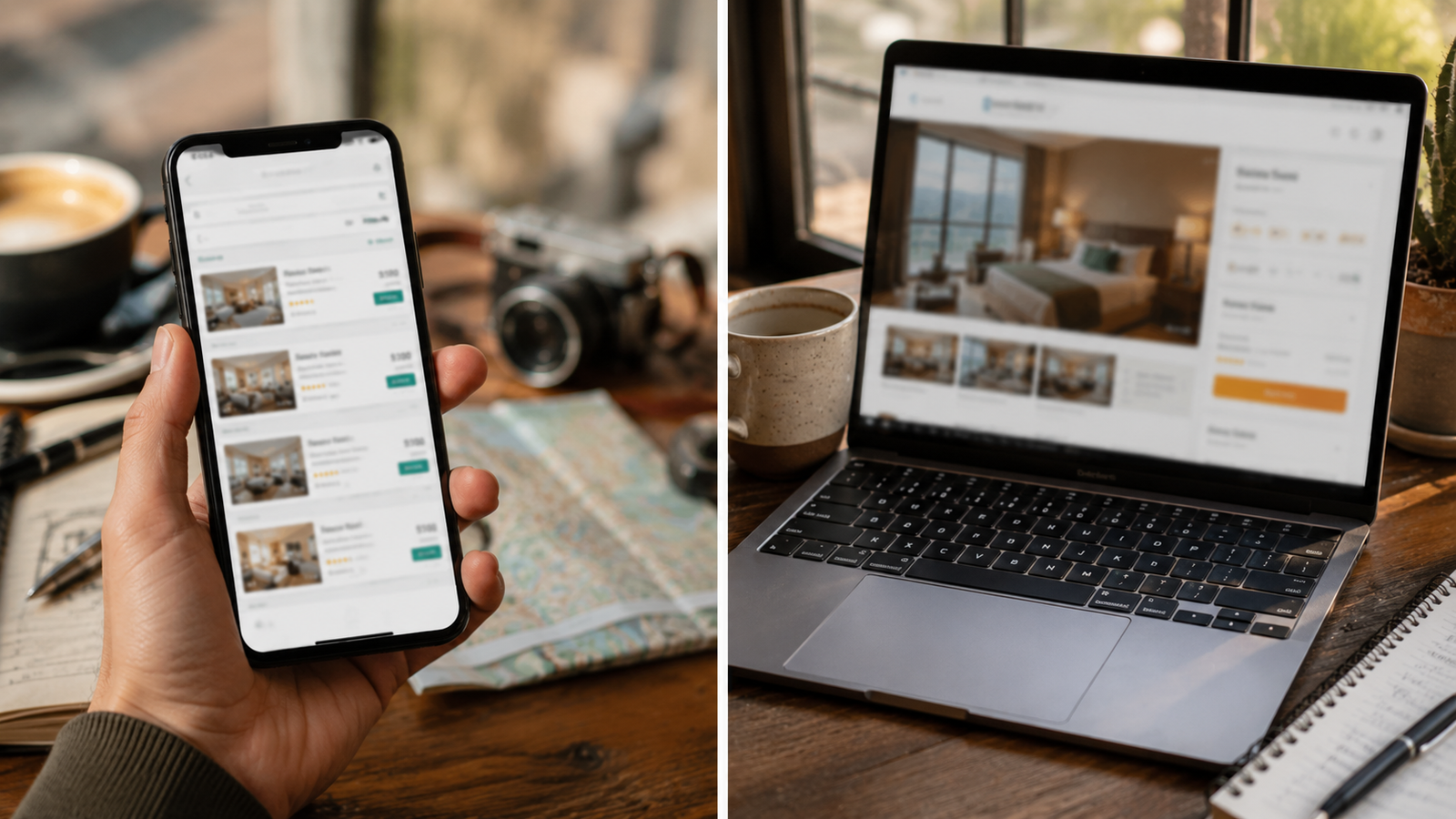
- Read reviews filtering for recent dates, since neighborhood conditions and hotel management can change — a five-year-old glowing review is less useful than several recent ones.
- Share your itinerary and hotel details with someone back home, a simple habit that costs nothing and provides a safety net regardless of destination.
- Book arrival for daylight hours when possible, particularly for a first visit to an unfamiliar city, so your first navigation of the neighborhood happens with better visibility and more open businesses around.
- Keep the hotel’s address and phone number easily accessible (saved offline, not just in an app requiring data) in case of any need to communicate the location quickly.
The Bottom Line
Specific, checkable details — 24-hour staffing, recent reviews, neighborhood conditions after dark — matter far more than broad destination reputation alone. Sticking with established chains or well-reviewed boutique properties in neighborhoods with recent positive solo-traveler feedback covers most of what actually affects safety and comfort on a solo trip.