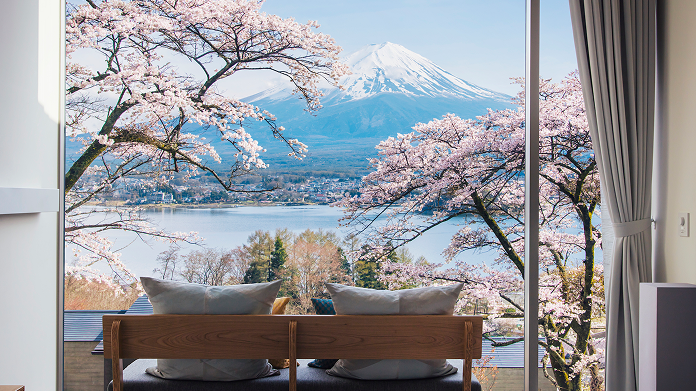
Cherry blossom season is one of the most predictable-yet-unpredictable travel windows in the world — the general timeframe is well established, but the exact peak bloom dates shift year to year based on weather, making hotel booking strategy genuinely different from a normal seasonal trip.
Why This Booking Situation Is Unusual
Peak bloom (sakura) typically lasts only about one to two weeks in any given location, and the exact dates aren’t confirmed until forecasting models firm up a few weeks ahead — but hotels in top viewing spots sell out months in advance based on the general expected window, before anyone knows the precise peak dates for that specific year.
General Timing by Region (Historically)
- Tokyo and Kyoto: typically late March to early April, though this varies by several days to a couple of weeks year to year.
- Northern Japan (Sapporo, Hokkaido): generally later, often late April to early May.
- Southern Japan (Kyushu, Okinawa): generally earlier, sometimes as early as mid-March or even February in Okinawa.
Always check the current year’s official forecast from the Japan Meteorological Corporation or similar tracking services closer to your trip, since exact dates genuinely shift year to year.
Where to Stay for the Best Viewing
Kyoto — see our [Kyoto hotel guide] for options; areas near the Philosopher’s Path, Maruyama Park, and the Kamo River are particularly strong for cherry blossom viewing, and hotels within walking distance of these spots book up fastest.
Tokyo — properties near Ueno Park, Chidorigafuchi (near the Imperial Palace), and the Meguro River are consistently popular for blossom viewing, with similarly early booking pressure.
Hirosaki, Aomori Prefecture — home to one of Japan’s most celebrated cherry blossom festivals at Hirosaki Castle, a strong alternative to the more crowded Tokyo/Kyoto viewing spots for travelers willing to go further north.
How to Actually Book Around Uncertain Peak Dates
- Book accommodation with flexible cancellation as early as 6-9 months ahead, targeting the general historical window for your destination — refundable rates matter more here than almost any other seasonal trip given the date uncertainty.
- Build in a few extra days of buffer around your best-guess dates rather than a tight 2-3 day trip timed to a single predicted peak — blossoms can bloom, peak, and begin falling within just days, so buffer significantly improves your odds of catching a good window.
- Check forecasts starting about 6 weeks out, when preliminary bloom predictions become more reliable, and adjust plans if possible — this is also roughly when non-refundable “opaque” rate deals sometimes appear for hotels still holding unsold inventory as the exact dates firm up.
- Consider a multi-city itinerary spanning different bloom windows (starting south, moving north, or vice versa) to hedge against missing peak bloom in any single location — a common strategy precisely because of how unpredictable exact timing is.
The Bottom Line
Cherry blossom season rewards booking early with flexible cancellation terms far more than most seasonal travel, given the mismatch between “book months ahead” property availability and “bloom dates confirmed weeks ahead” weather reality. Building buffer days into the itinerary and choosing refundable rates are the two habits that most reliably improve the odds of a good trip despite the inherent unpredictability.