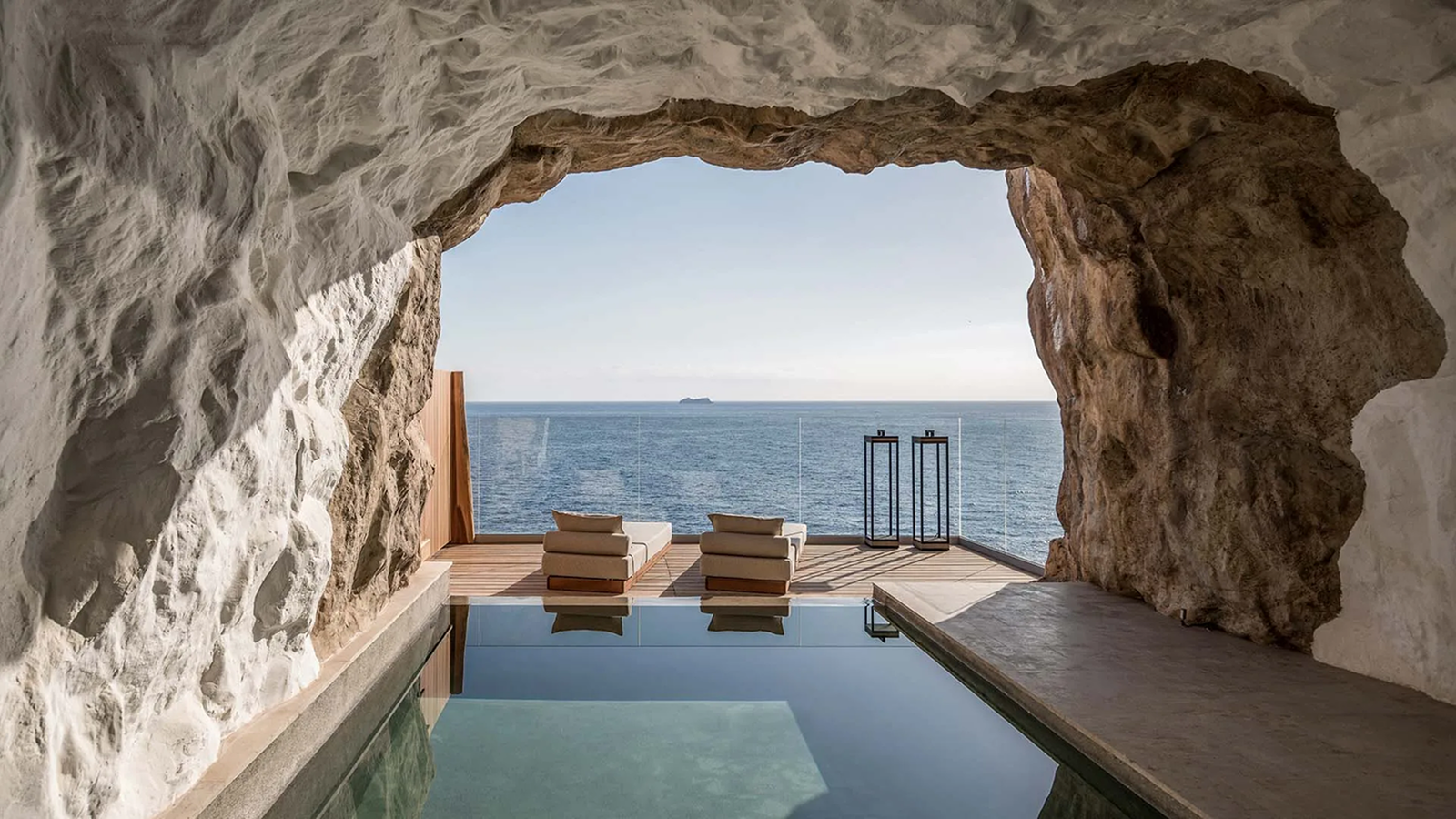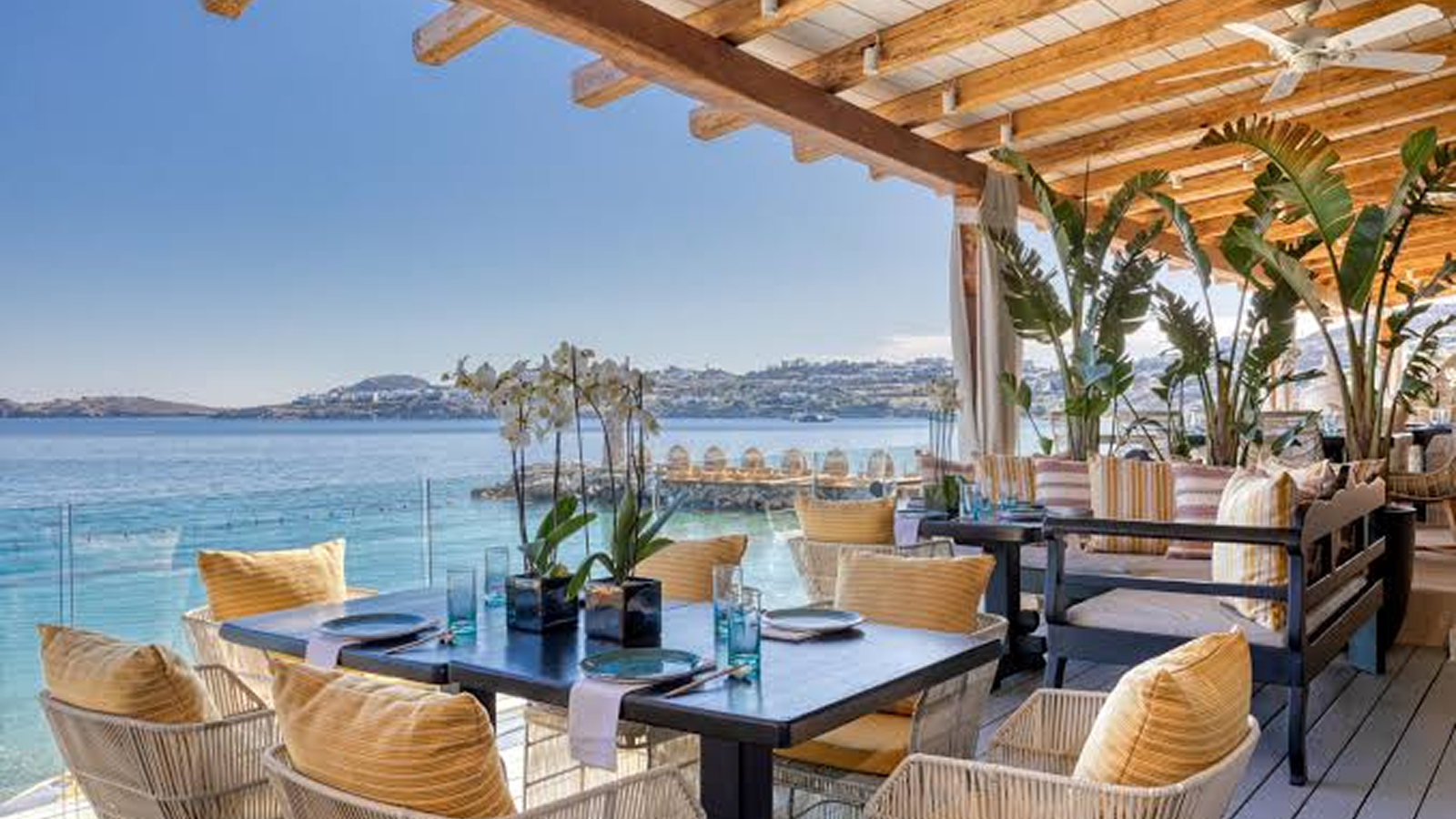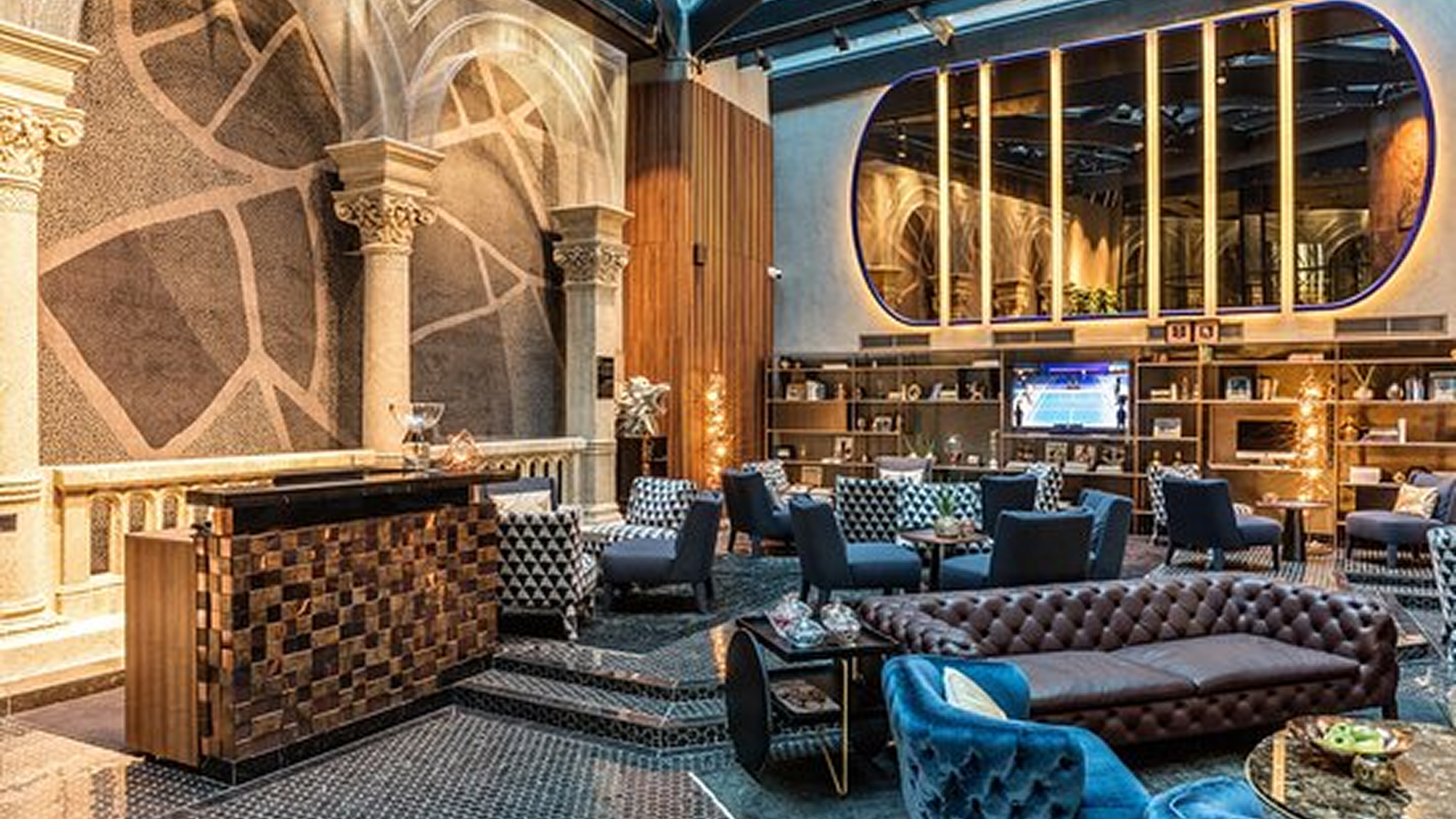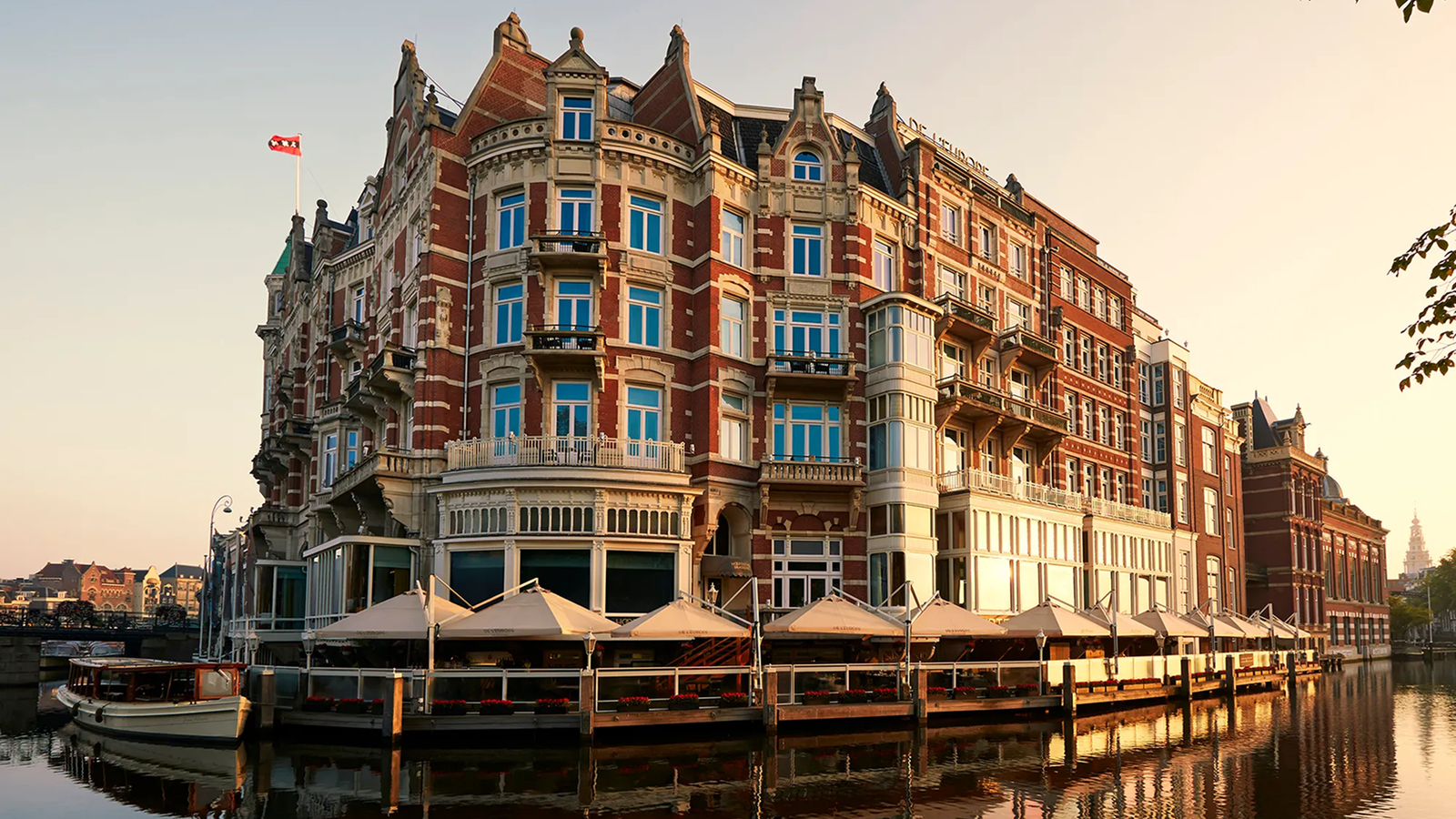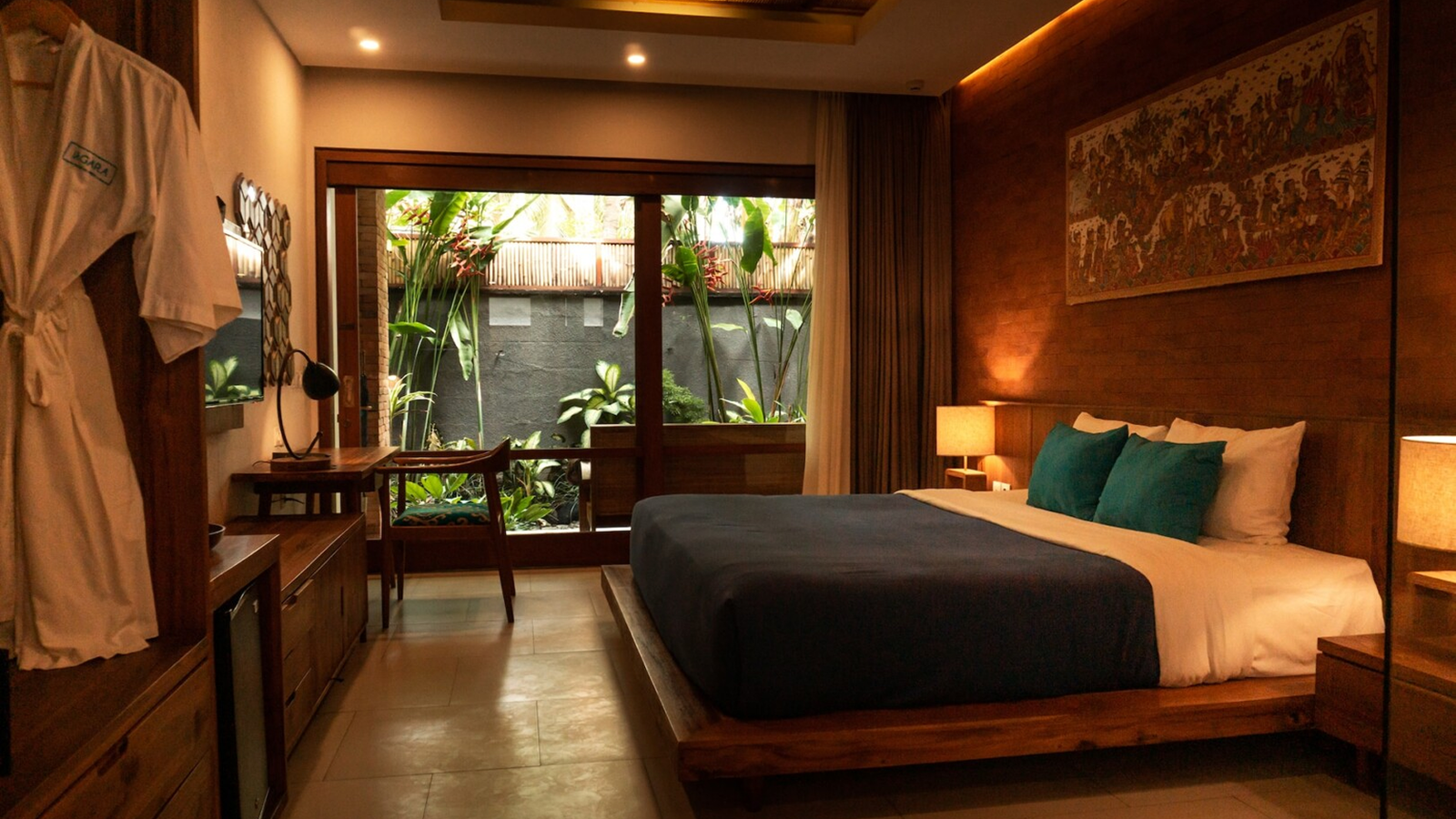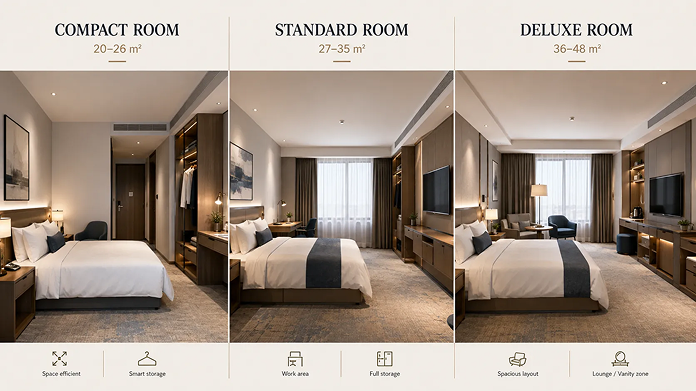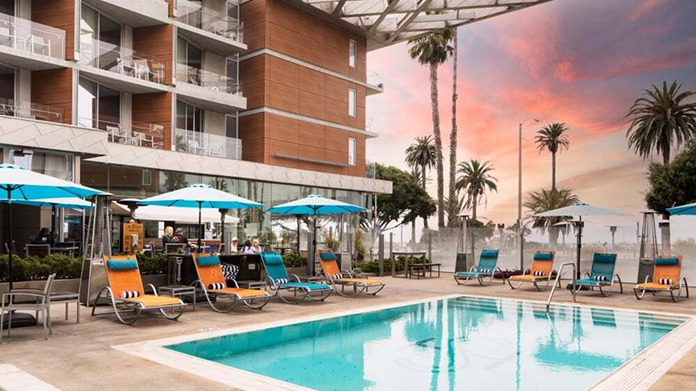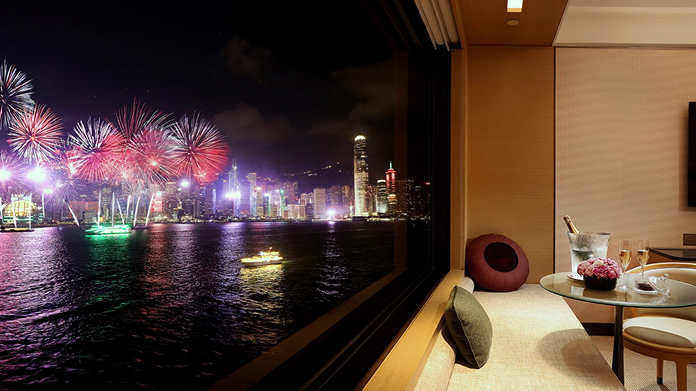
Luxury means different things depending on what you’re actually looking for — architectural grandeur, genuine seclusion, or service so attentive it becomes the whole point of the stay. Here’s a world tour of the properties that consistently define the category, organized by what they do best.
Overwater & Island Luxury
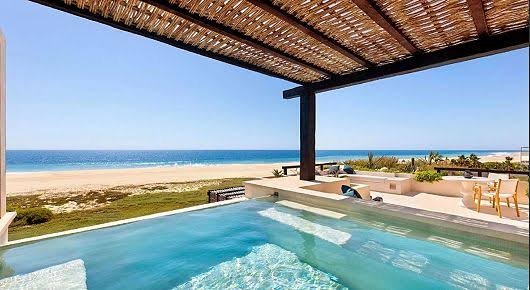
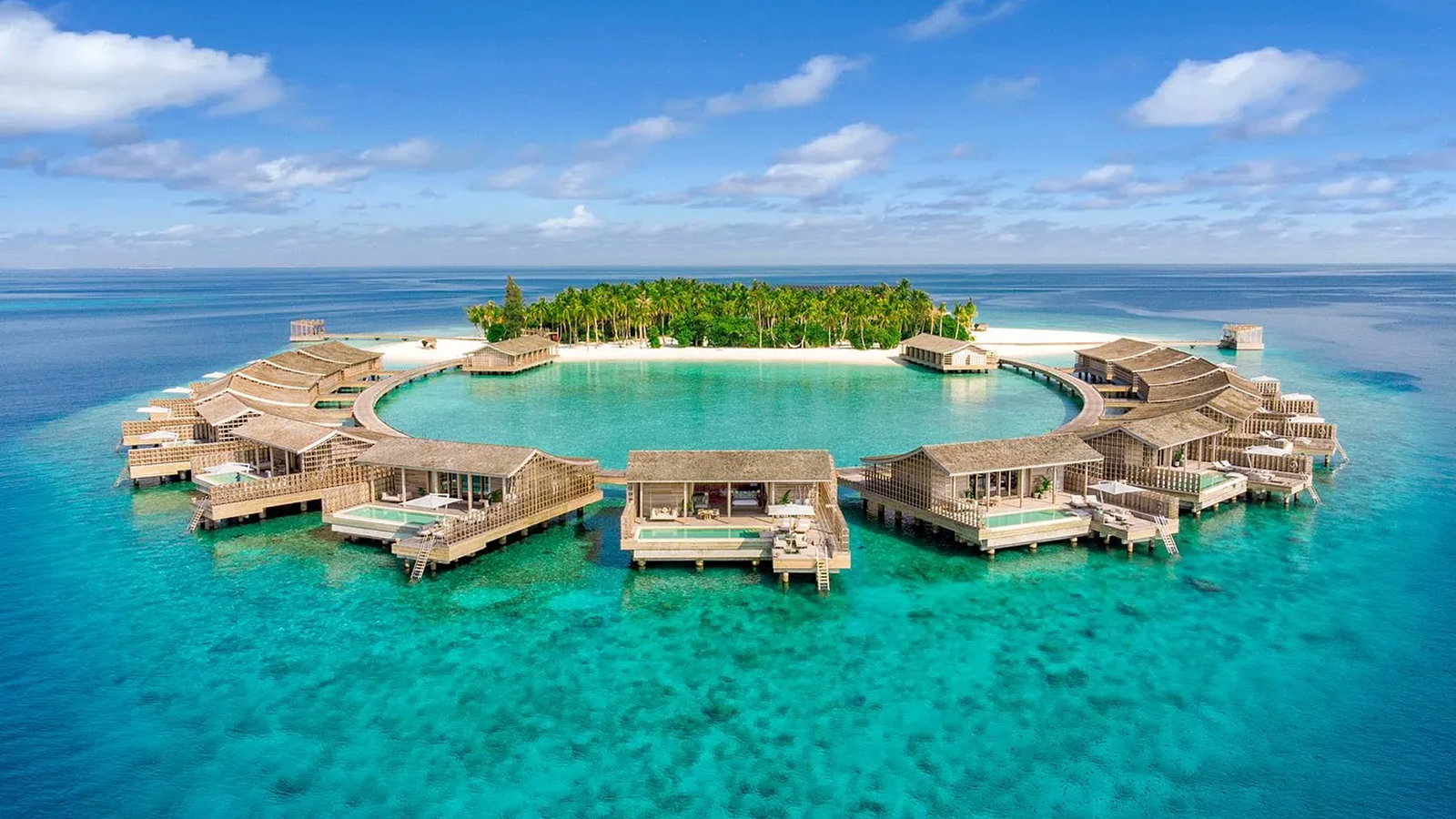
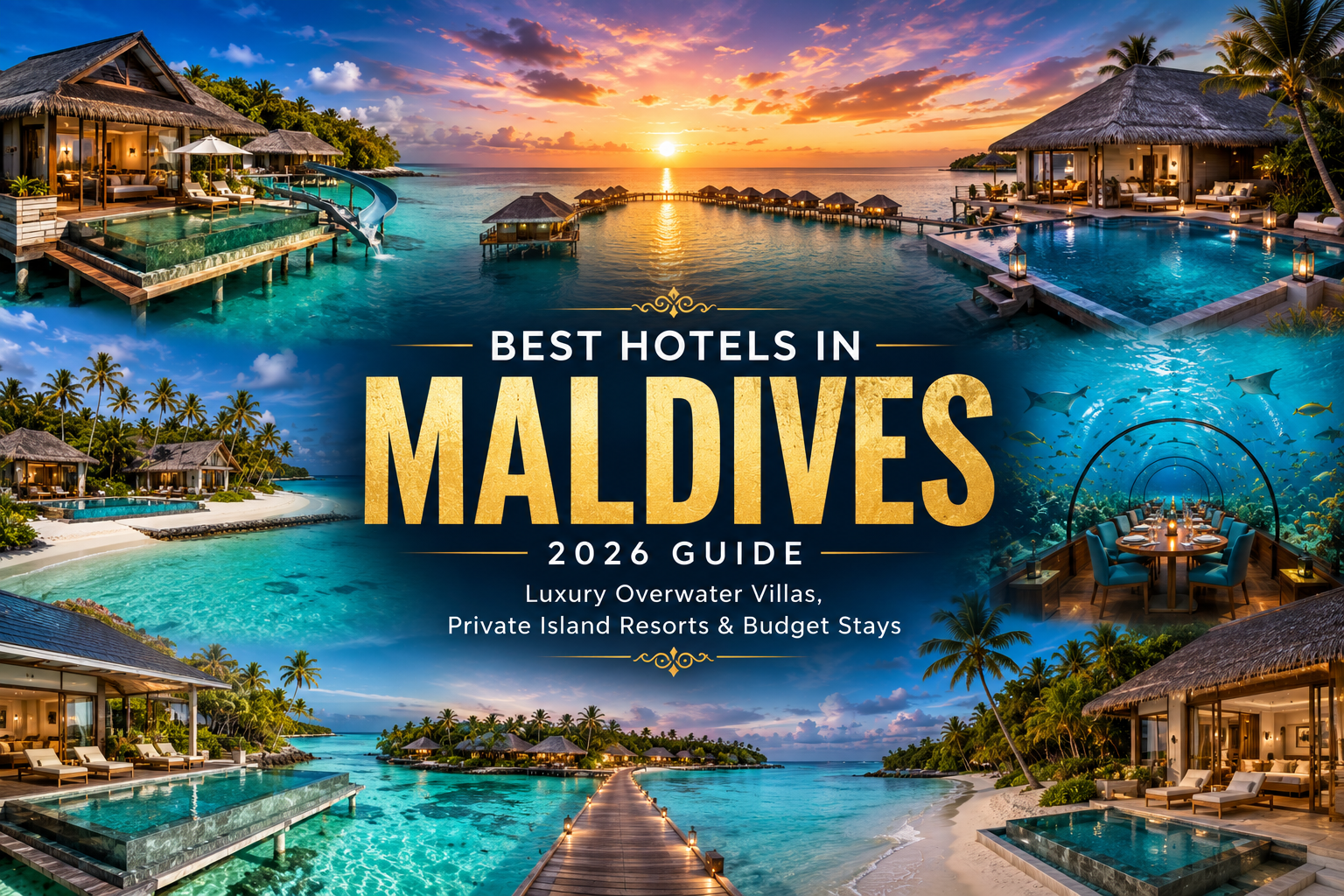
Conrad Maldives Rangali Island and the Four Seasons Resort Bora Bora, both covered in depth in our [overwater bungalows guide], remain the benchmark for this specific category — direct lagoon access and glass floor panels that no land-based hotel can replicate.
Historic & Palace Conversions
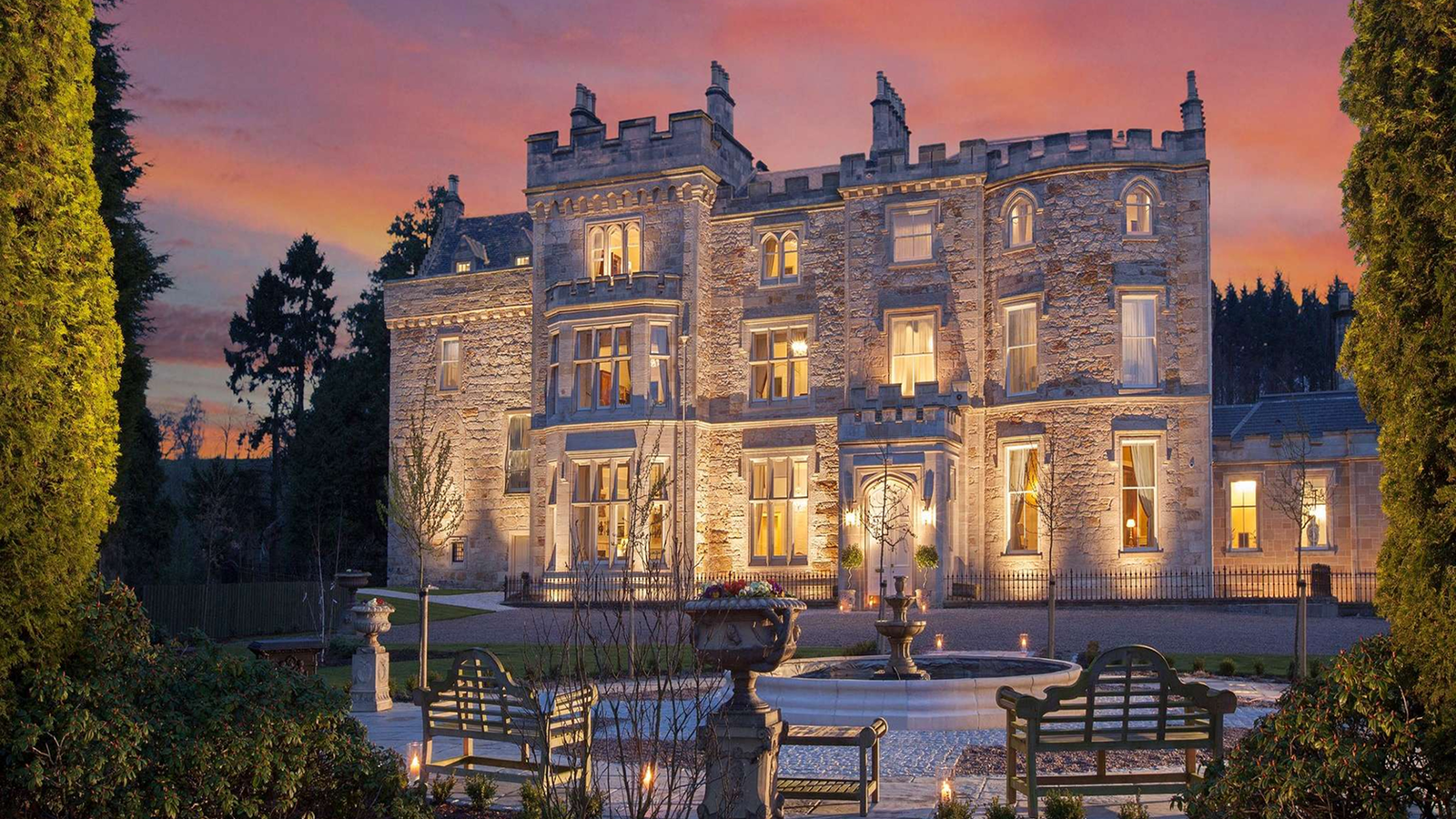
Ashford Castle, Ireland and several properties in our [castle hotels guide] represent a different axis of luxury entirely — genuine centuries-old architecture and history rather than purpose-built modern grandeur.
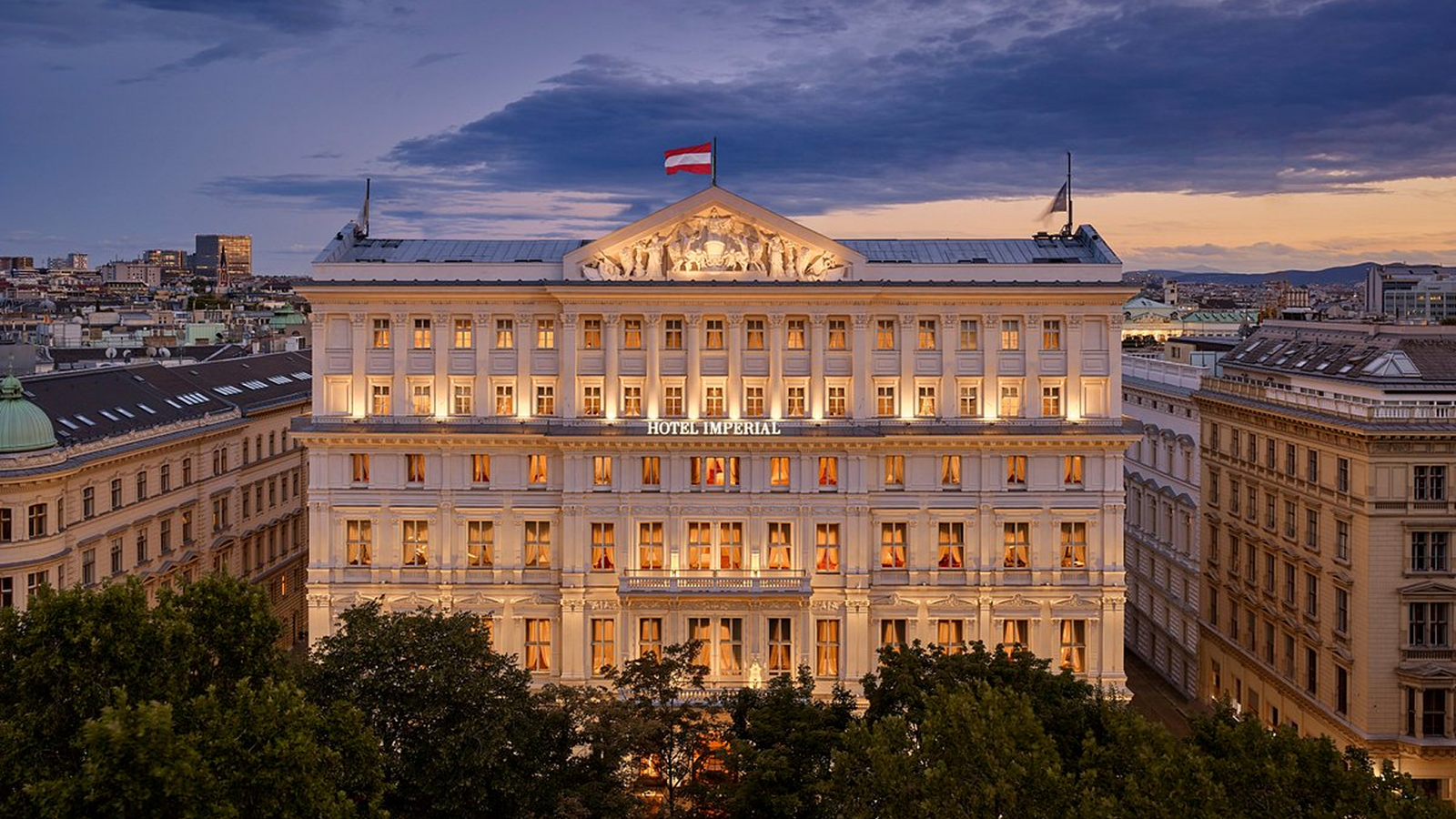
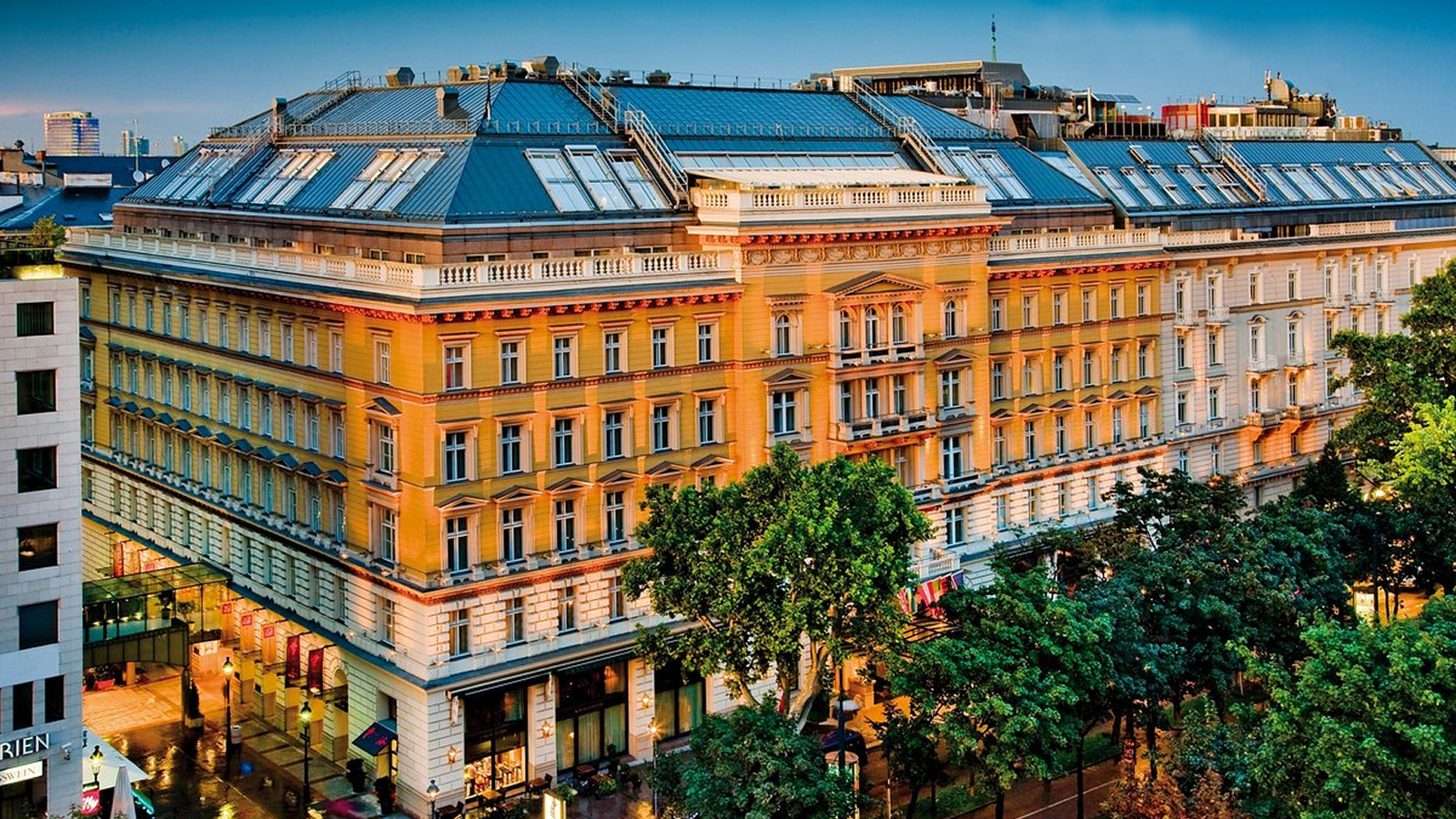
Hotel Sacher Wien and Hotel Imperial Vienna, covered in our [Vienna hotel guide], offer the same historic-palace concept in a Central European context, with imperial-era interiors intact.
Desert & Wilderness Luxury
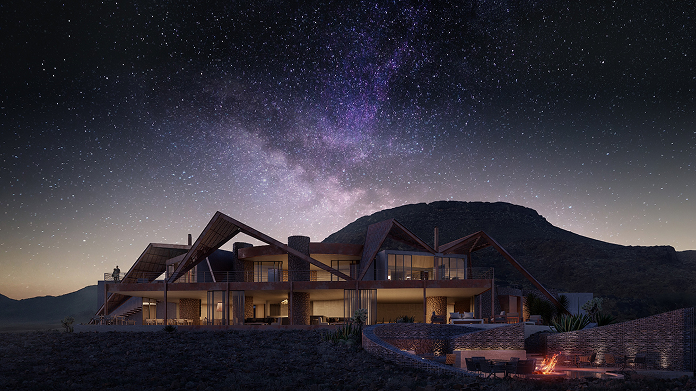
Amangiri, Utah (also featured in our [stargazing guide]) and Aman Kyoto represent Aman’s specific approach to luxury — minimalist design deliberately set into dramatic, remote natural landscapes rather than a city center.
Singita Sabi Sand, South Africa, covered in both our [honeymoon] and [wildlife viewing] guides, applies a similar remote-luxury philosophy to an African safari setting.
Wellness-Focused Luxury
Ananda in the Himalayas and Kamalaya Koh Samui, both featured in our [wellness retreat guide], represent luxury built specifically around structured health outcomes rather than pure indulgence — a genuinely different value proposition from a standard five-star hotel.
Urban Grand Hotels
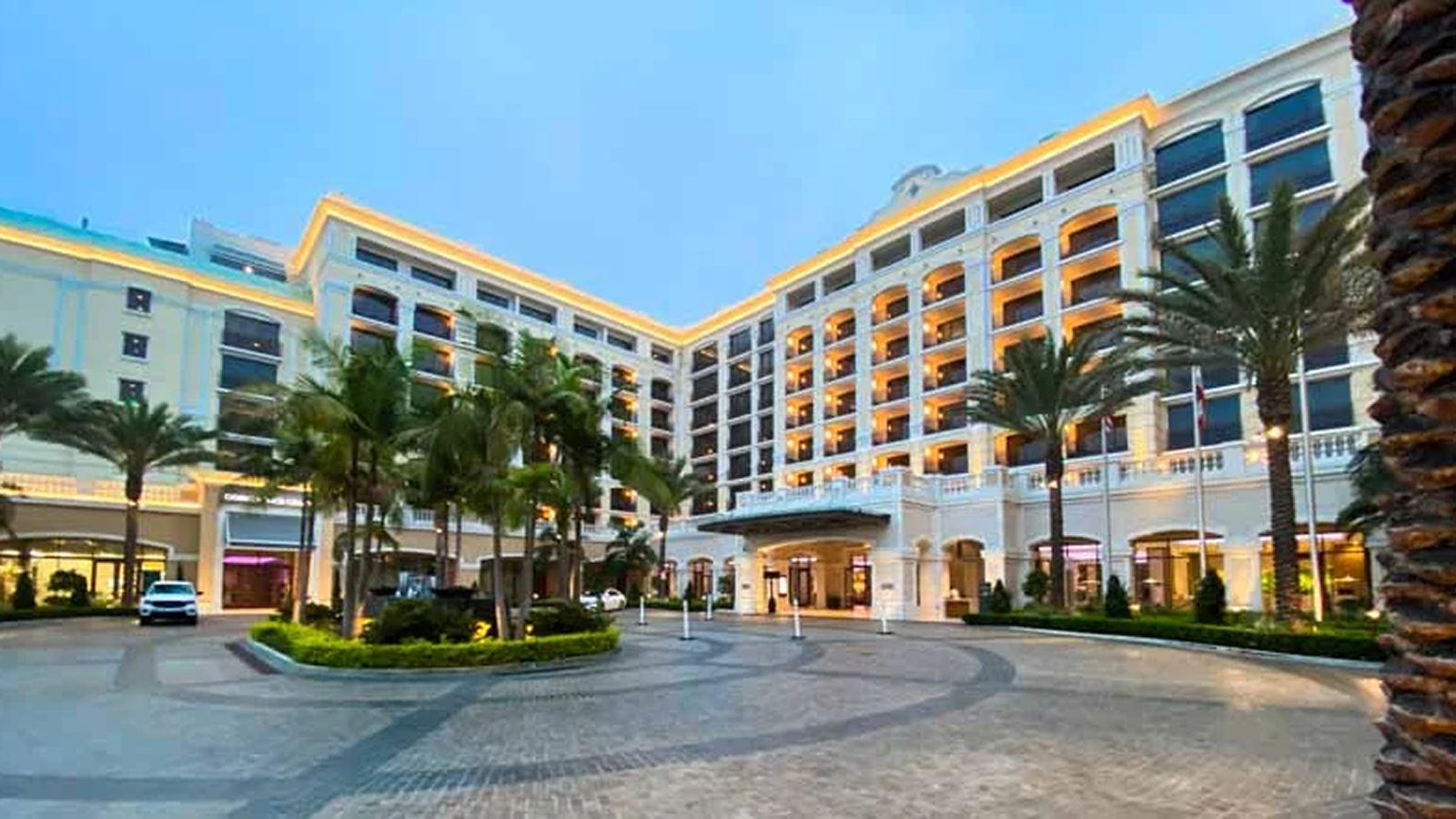
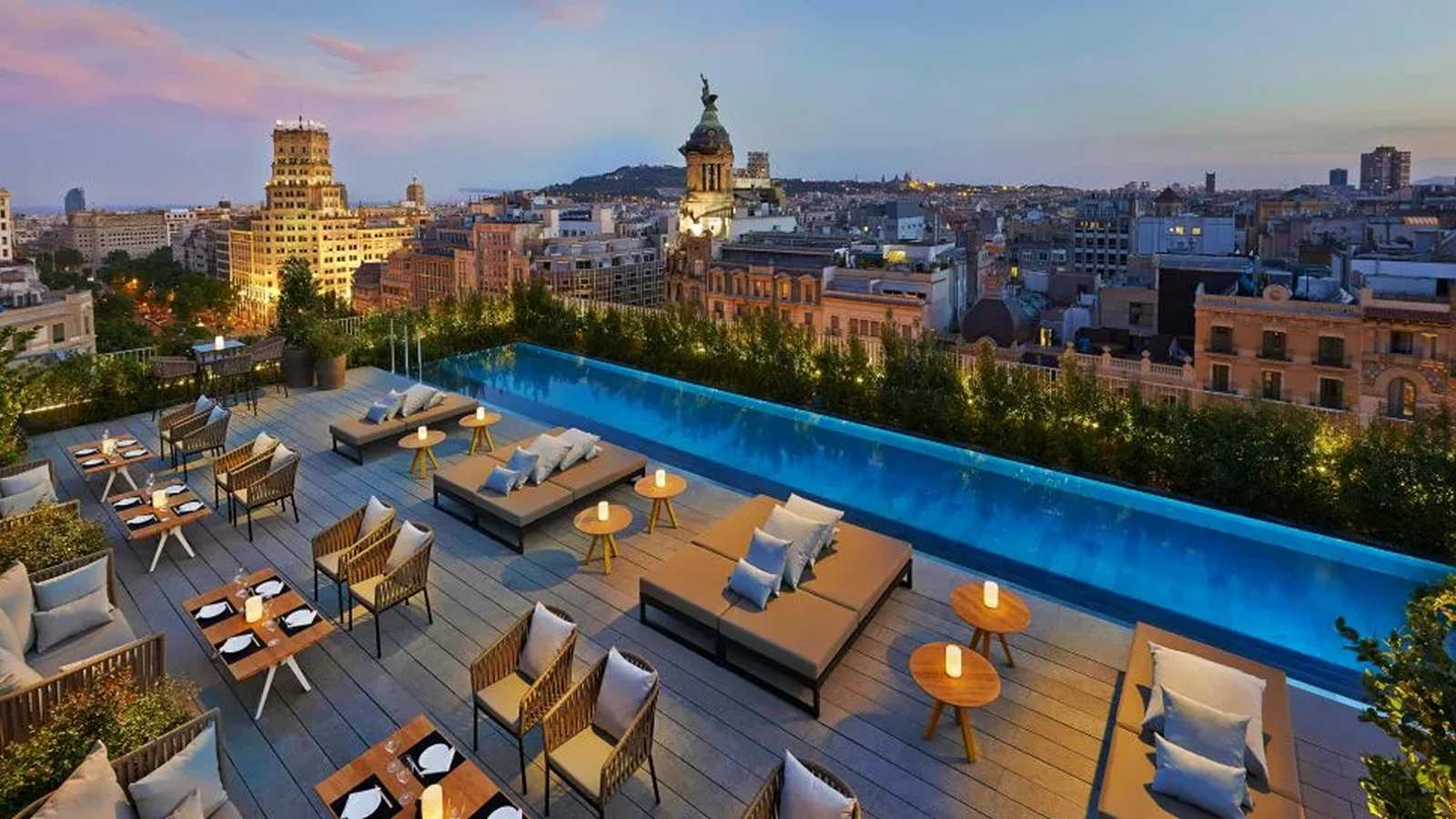
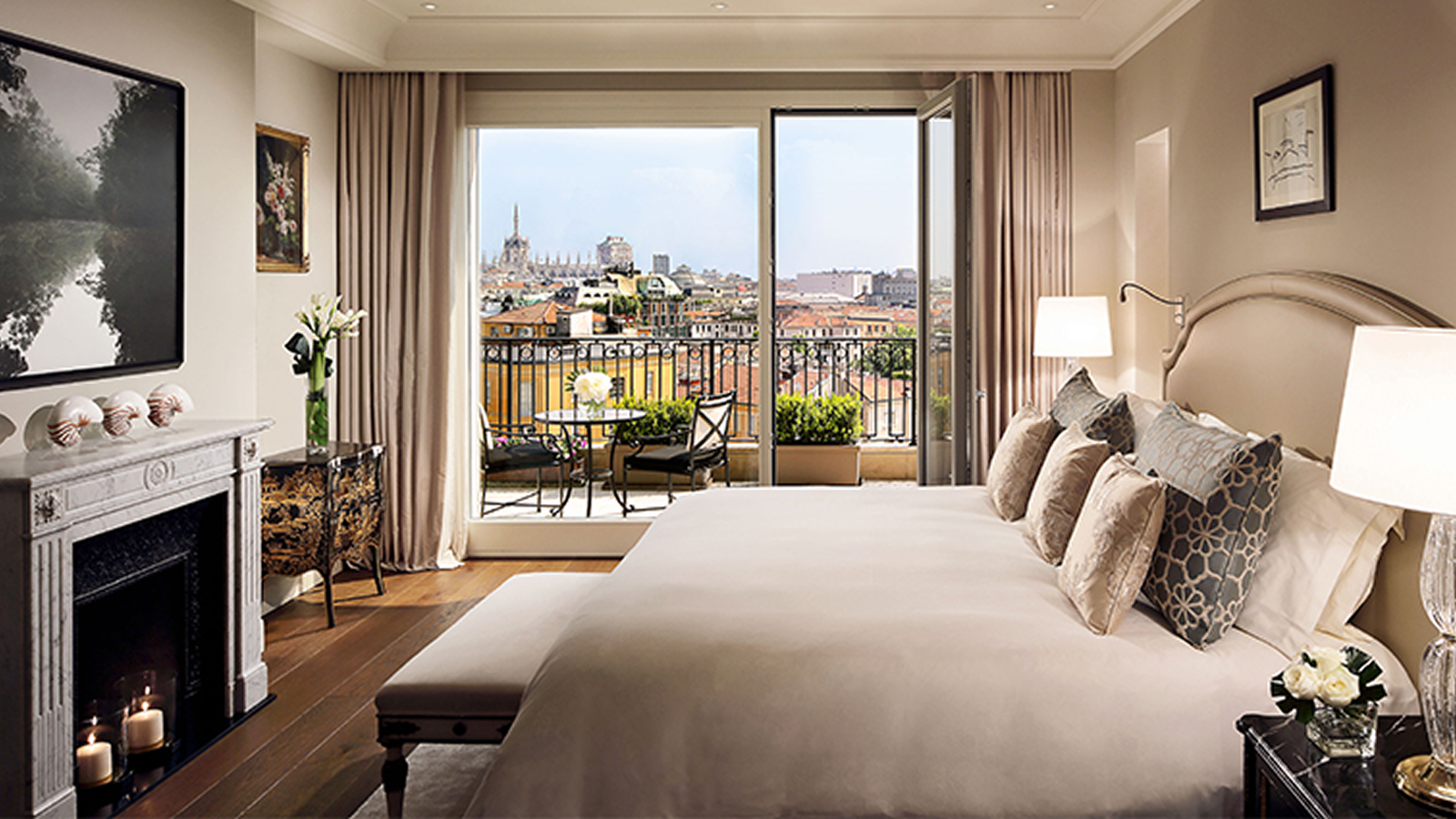
Four Seasons Hotel Ritz Lisbon, Park Hyatt Milan, and the Ritz-Carlton Santiago, each covered in their respective city guides, represent the classic urban luxury hotel model — central location, extensive service staff, and a level of polish consistent across a well-known international brand.
What Actually Distinguishes True Luxury from Expensive
- Staff-to-guest ratio and service consistency, which matters more than room decor alone — the properties on this list are consistently noted for anticipatory, highly personalized service rather than just expensive furnishings.
- A genuinely distinctive setting or architectural concept, rather than a formulaic luxury template applied regardless of location — the best properties feel specific to where they are.
- Attention to detail in smaller touches (turn-down service quality, response time to requests, consistency across a multi-night stay) that’s harder to market but shows up clearly in recent, detailed reviews.
How to Actually Book Luxury Well
- Book directly with the hotel when possible, since many luxury properties offer their own loyalty perks (room upgrades, early check-in, spa credits) more readily to direct bookings than third-party OTA reservations.
- Consider a travel advisor for true top-tier properties. Many ultra-luxury hotels offer meaningfully better perks (guaranteed upgrades, resort credits) through accredited travel advisor programs than public booking channels — worth researching if the splurge is significant.
- Compare the true total cost, including meals, transfers, and resort fees, before assuming the headline room rate reflects the full price — the same “true total” principle covered in our [Hotel vs Airbnb] and [hidden fees] guides applies even more at the luxury end, where add-ons can be substantial.